
In the vast landscape of visual communication and brand expression, few tools offer the versatility, cost-effectiveness, and direct impact of a vinyl decal. Often dismissed as mere “stickers,” vinyl decals are, in fact, sophisticated pieces of graphic design and engineering that play a pivotal role in brand strategy, corporate identity, personal branding, and marketing efforts across countless industries. They are a tangible extension of a brand’s message, transforming ordinary surfaces into powerful canvases for identity and information. Understanding what a vinyl decal is goes beyond its material composition; it delves into its strategic application as a cornerstone of visual presence.
Unpacking the Essence of Vinyl Decals in Visual Communication
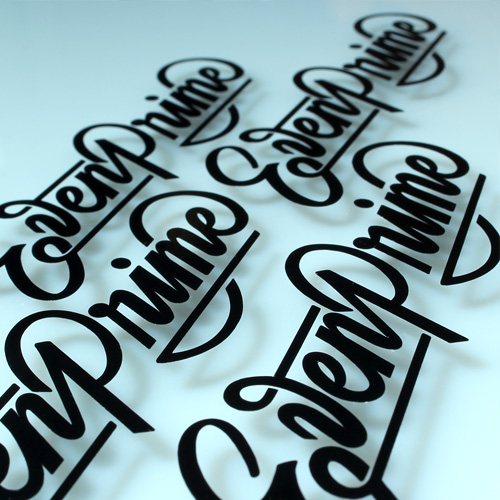
At its core, a vinyl decal is a graphic applied to a surface, composed of pressure-sensitive adhesive vinyl. Unlike traditional stickers that often come with a paper backing and are designed for single-use application, decals are typically cut precisely from larger sheets of vinyl, featuring an adhesive layer on one side and a decorative or informative graphic on the other. They are transferred onto a desired surface, leaving behind only the designed elements and no background material. This distinction is crucial for their clean, professional finish, making them ideal for a myriad of branding applications.
Defining the Medium: More Than Just a Sticker
While the terms “decal” and “sticker” are frequently used interchangeably, there’s a nuanced difference that impacts their utility in branding. Stickers often imply a simpler, less durable, and typically less professional application. Decals, especially those made from vinyl, are characterized by their precision-cut design, durability, and a more integrated appearance once applied. They are engineered for longevity and specific aesthetic outcomes, which are paramount in maintaining brand consistency and perceived quality. From a brand perspective, this distinction elevates decals from mere decorative items to integral components of a cohesive visual identity system. They are not just affixed; they become part of the surface, seamlessly integrating with the environment they adorn.
The Anatomy of a Decal: Materials and Manufacturing
The power of a vinyl decal lies within its layered structure. Typically, a decal consists of three main components: the face stock (the vinyl itself), the adhesive layer, and the release liner (backing paper). Modern manufacturing processes involve specialized vinyl cutters or plotters that precisely cut designs from rolls of vinyl. These machines can produce intricate patterns, lettering, and logos with exceptional accuracy. The vinyl material itself comes in various types, including calendared vinyl for indoor and short-term outdoor use, and cast vinyl for high-performance, long-term outdoor applications, especially on curved surfaces like vehicle wraps. Finishes can range from matte to gloss, metallic, reflective, or even textured, allowing brands to select options that perfectly align with their aesthetic and functional requirements. This meticulous production ensures that each decal not only looks professional but also stands up to the rigors of its intended environment, preserving the brand’s image.
Versatility as a Core Branding Asset
The inherent versatility of vinyl decals makes them an indispensable asset in any brand’s toolkit. They can be produced in virtually any shape, size, color, or design, offering limitless possibilities for customization. This adaptability extends to their application surfaces—windows, walls, vehicles, floors, laptops, water bottles, product packaging, and countless others. This means a single brand message or logo can be consistently applied across diverse touchpoints, from a storefront window to an employee’s laptop or a promotional giveaway item. This cross-platform consistency is vital for brand recognition and recall, reinforcing the brand’s presence and message wherever it appears. The ability to deploy a brand’s visual elements with such flexibility positions vinyl decals as a highly effective and dynamic medium for enhancing brand visibility and engagement.
The Strategic Application of Vinyl Decals in Corporate Identity and Marketing
Beyond their basic definition, vinyl decals transform into powerful strategic tools when integrated into corporate identity and marketing initiatives. They bridge the gap between static design elements and dynamic, physical presence, allowing brands to interact with their audience in tangible and memorable ways. Their widespread adoption by businesses of all sizes underscores their effectiveness in conveying professionalism, attracting attention, and reinforcing brand messaging.
Elevating Brand Visibility: Signage, Windows, and Vehicles
One of the most common and impactful applications of vinyl decals is in enhancing brand visibility through various forms of signage. For brick-and-mortar businesses, window decals offer a prime opportunity to display store hours, promotions, contact information, and, most importantly, the brand’s logo and aesthetic. They attract passersby, convert window shoppers into customers, and contribute to the overall visual appeal of the business facade. Similarly, wall decals can transform interior spaces, reinforcing brand values through mission statements, inspiring quotes, or decorative patterns that align with the brand’s identity.
Vehicle wraps and graphics, powered by high-performance vinyl decals, represent a mobile billboard for any business. From local service providers to large corporations, branded vehicles deliver thousands of impressions daily, reaching diverse demographics in various locations. This form of advertising is not only highly visible but also creates a perception of professionalism and legitimacy, extending the brand’s reach far beyond its physical premises. The ability to update these graphics cost-effectively also allows brands to keep their messaging fresh and relevant without significant investment.
Enhancing Customer Experience: Interior Design and Wayfinding
Vinyl decals are increasingly used in interior design to create immersive brand environments that enhance the customer experience. In retail stores, they can guide customers through aisles, highlight product categories, or showcase lifestyle imagery associated with the brand. In corporate offices, branded wall graphics can reinforce company culture, motivate employees, and impress visitors. Even floor decals are utilized for temporary promotions, event branding, or directional signage, subtly guiding individuals while reinforcing brand presence.
Effective wayfinding is crucial for customer satisfaction, particularly in larger establishments or event venues. Vinyl decals provide clear, aesthetically pleasing solutions for directions, room identification, and safety instructions, all while maintaining brand consistency. By integrating brand colors, fonts, and logos into these functional elements, businesses create a seamless and professional experience that subtly strengthens brand perception.
Promotional Power: Events, Giveaways, and Limited Editions
The promotional capabilities of vinyl decals are vast and varied. For events, pop-up shops, or trade shows, temporary vinyl decals can quickly brand a space, create engaging backdrops, or mark exhibition booths. Their ease of application and removal makes them an ideal solution for short-term branding needs, ensuring a professional appearance without permanent alteration.
As marketing giveaways, branded vinyl decals offer a low-cost, high-impact solution. Customers often apply these decals to their laptops, water bottles, cars, or other personal items, effectively turning them into brand ambassadors. This form of organic marketing, where individuals voluntarily display a brand’s logo, is incredibly valuable for increasing brand exposure and fostering a sense of community around the brand. Furthermore, limited edition decals can generate excitement, encourage engagement, and create a sense of exclusivity, tapping into the collector’s mentality and driving brand loyalty.
Personal Branding and the Art of Self-Expression through Vinyl
Beyond the corporate realm, vinyl decals have found a powerful niche in personal branding and self-expression. In an increasingly digital world, individuals seek tangible ways to express their identity, passions, and affiliations. Vinyl decals offer an accessible, customizable, and durable medium for personalizing possessions and spaces, allowing individuals to craft a unique visual persona.
Crafting a Unique Persona: Devices, Gear, and Personal Spaces
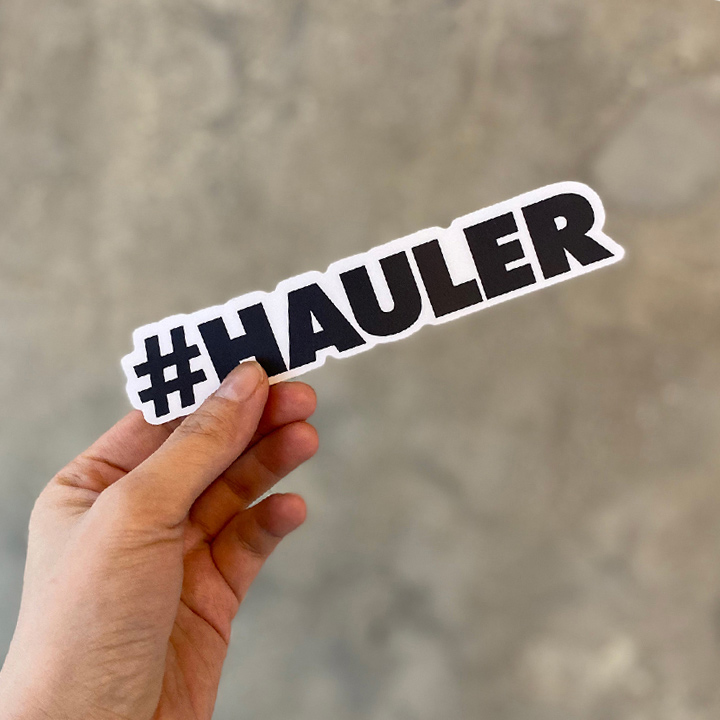
For many, personal branding isn’t just about career advancement; it’s about projecting an authentic self. Vinyl decals enable this by allowing individuals to customize their everyday items. Laptops, phone cases, water bottles, skateboards, musical instruments, and car windows become canvases for displaying personal logos, favorite quotes, artistic designs, or declarations of interest. This personalization is a subtle yet effective way to communicate one’s identity without speaking a word, creating visual cues that resonate with like-minded individuals. It transforms mass-produced items into unique extensions of one’s personality, contributing to a distinctive personal brand.
Community and Identity: Clubs, Hobbies, and Movements
Vinyl decals also serve as badges of belonging, fostering a sense of community and shared identity. Enthusiasts of certain hobbies, sports teams, clubs, or social movements frequently use decals to show their allegiance. Whether it’s a specific car culture, a gaming community, a political cause, or a university alumni group, decals act as visible markers of affiliation. This not only reinforces individual identity within a group but also helps in connecting with other members, creating a tangible network of shared interests. For organizations and groups, providing branded decals can be a powerful way to mobilize support, increase visibility, and strengthen the bonds within their community.
The DIY Element: Accessibility for Personal Branding
The rise of affordable vinyl cutters and online design tools has democratized the creation of custom vinyl decals, making personal branding more accessible than ever. Individuals can now design and produce their own decals, offering unparalleled creative control and a cost-effective solution for personalization. This DIY aspect empowers individuals to experiment with their personal brand aesthetics, test different messages, and adapt their visual identity as they evolve. It underscores the versatility of vinyl decals not just as a product but as a medium for creative, self-directed expression that can be tailored precisely to individual needs and preferences.
Design Principles and Best Practices for Impactful Vinyl Decals
The effectiveness of a vinyl decal in conveying a brand message or personal identity hinges significantly on its design and execution. A well-designed decal is not just visually appealing; it is also functional, durable, and reflective of the brand’s quality. Adhering to certain design principles and best practices ensures that decals achieve their intended impact and uphold the integrity of the brand.
The Role of Aesthetics: Color, Typography, and Imagery
Effective decal design begins with a deep understanding of aesthetics, specifically how color, typography, and imagery interact to convey meaning. Colors should align with brand guidelines, evoking the desired emotions and standing out effectively against the application surface. Typography must be legible, even at a distance, and reflective of the brand’s personality—whether it’s bold and modern, or classic and elegant. Imagery, if used, should be high-resolution, relevant, and simplified for clarity, especially for smaller decals. Overly complex designs can become muddled when cut from vinyl. The goal is to create a clean, impactful design that communicates its message instantly and memorably, reinforcing the brand’s identity without visual clutter.
Material Selection: Durability, Finish, and Adhesion
Choosing the right vinyl material is paramount for the longevity and performance of a decal. As previously mentioned, calendared vinyl is suitable for indoor or temporary outdoor use, while cast vinyl offers superior durability and conformability for long-term outdoor applications, particularly on vehicles. The finish (matte, gloss, metallic, etc.) also plays a crucial role in the decal’s aesthetic appeal and how it interacts with light. A matte finish, for instance, can offer a sophisticated, non-reflective look, while a gloss finish provides vibrancy and protection. The adhesive type is equally critical, ensuring proper adhesion to the intended surface without causing damage upon removal (for temporary decals) or prematurely failing (for permanent installations). Matching the material to the application environment and desired lifespan is a key best practice.
Installation Considerations: Professionalism and Precision
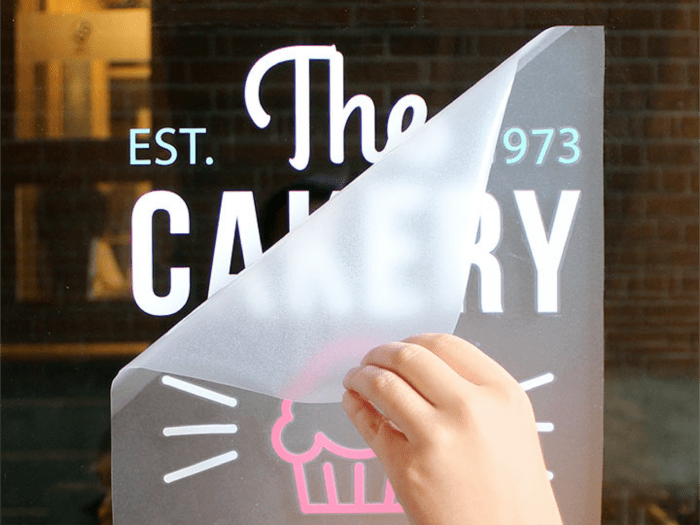
Even the most impeccably designed and produced decal can fail if not installed correctly. Professional installation ensures a smooth, bubble-free application, maximizing the decal’s aesthetic appeal and longevity. For large-scale applications like vehicle wraps or storefront windows, professional installers have the tools and expertise to handle complex curves, large sheets of vinyl, and challenging environments. For smaller decals, careful preparation of the surface—cleaning and drying thoroughly—is essential for optimal adhesion. Providing clear, easy-to-follow installation instructions for end-users, especially for promotional giveaways, is also a crucial best practice that reflects positively on the brand. A poorly installed decal reflects poorly on the brand it represents.
The Future of Vinyl Decals in an Evolving Brand Landscape
As technology advances and consumer preferences shift, the role and capabilities of vinyl decals continue to evolve. Far from being a static product, they are adapting to meet new demands for sustainability, interactivity, and integration with digital experiences, further solidifying their place in the future of branding.
Sustainability and Eco-Friendly Innovations
With growing environmental consciousness, the industry is seeing a shift towards more sustainable vinyl decal options. Manufacturers are exploring recyclable vinyl materials, adhesives with reduced environmental impact, and production processes that minimize waste. Brands are increasingly prioritizing eco-friendly solutions, and vinyl decal producers are responding with “green” alternatives that allow brands to maintain their visual presence without compromising their commitment to sustainability. This innovation ensures that vinyl decals remain a relevant and responsible choice for brand communication in an environmentally aware market.
Technological Integration: Smart Decals and Interactive Surfaces
The integration of technology into physical branding tools is a burgeoning trend, and vinyl decals are no exception. The concept of “smart decals” incorporating NFC (Near Field Communication) tags or QR codes is gaining traction. These decals can, for example, turn a product label into an interactive gateway to online content, special offers, or augmented reality experiences. Imagine a decal on a product that, when scanned with a smartphone, launches a 3D model of the product or a video showcasing its features. This blend of physical and digital creates novel opportunities for engagement, allowing brands to deliver richer, more dynamic information directly from their physical touchpoints.
Bridging the Physical and Digital in Brand Engagement
Ultimately, the future of vinyl decals lies in their ability to bridge the gap between the physical and digital realms of brand engagement. In an age dominated by digital interactions, physical brand elements offer a tangible connection that strengthens brand recall and emotional resonance. Decals provide a physical anchor for digital content, creating a seamless omni-channel experience. They can drive traffic from the real world to online platforms, enhance digital campaigns with physical reminders, and transform static environments into interactive brand narratives. As brands continue to seek innovative ways to connect with consumers, vinyl decals, with their adaptability and potential for technological integration, will undoubtedly remain a vital component of a comprehensive and forward-thinking brand strategy.
In conclusion, a vinyl decal is far more than a simple adhesive graphic; it is a versatile, powerful, and evolving tool in the brand landscape. From cementing corporate identities and driving marketing campaigns to enabling personal expression and fostering community, its applications are as diverse as the brands and individuals it serves. By understanding its essence, strategic uses, and future potential, brands can harness the full power of vinyl decals to create lasting impressions and cultivate a strong, recognizable presence in an ever-competitive world.
aViewFromTheCave is a participant in the Amazon Services LLC Associates Program, an affiliate advertising program designed to provide a means for sites to earn advertising fees by advertising and linking to Amazon.com. Amazon, the Amazon logo, AmazonSupply, and the AmazonSupply logo are trademarks of Amazon.com, Inc. or its affiliates. As an Amazon Associate we earn affiliate commissions from qualifying purchases.