
In the dynamic and often cryptic world of social media analytics, understanding fundamental metrics is paramount for anyone navigating digital platforms, whether as a casual user, content creator, or application developer. Among the plethora of data points presented by platforms like Twitter (now X), the “tweet impression” stands out as a core indicator of content visibility. Often misunderstood or conflated with other engagement metrics, a tweet impression represents a critical, yet deceptively simple, measure of how often your content has been displayed to users. It’s a foundational technical metric that underpins how we perceive the reach and potential impact of digital communications within the X ecosystem. Grasping the precise definition, technical nuances, and practical implications of an impression is essential for anyone seeking to decipher the performance of their digital output on this influential platform. This article will delve into the technical mechanisms and operational significance of tweet impressions, providing a comprehensive guide from a technological perspective.
Deconstructing the Impression Metric: The Fundamentals
To truly understand what an impression signifies, we must peel back the layers of its definition and differentiate it from related, yet distinct, metrics. At its core, an impression is a digital counter, a tally mark in the system, indicating a specific event occurred.
Defining an Impression: More Than Just a View
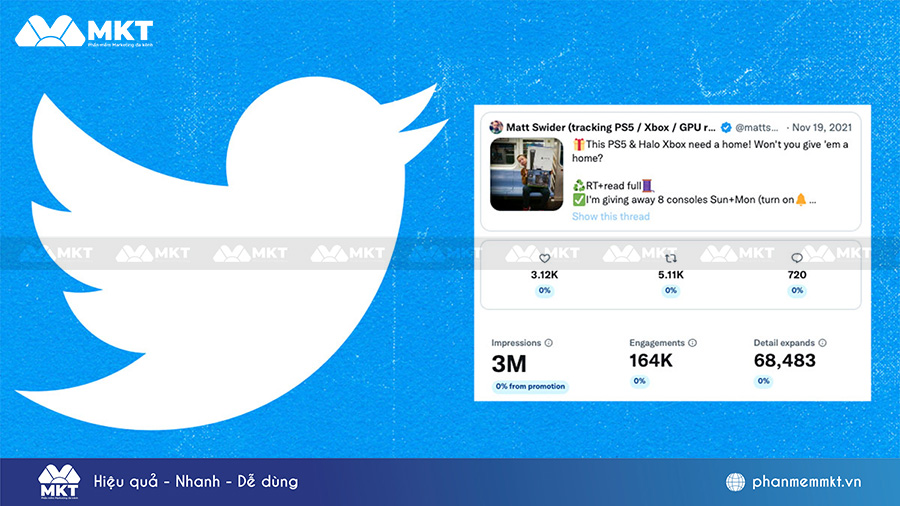
An impression on X is recorded every single time a tweet is displayed to a user. This includes instances where a tweet appears on a user’s timeline (home feed), in search results, on a tweet’s permalink page, or in profile pages. Crucially, an impression is counted even if the user does not interact with the tweet in any way—they don’t need to click it, like it, retweet it, or even pause their scroll to read it fully. The moment the tweet’s pixel data is loaded onto a user’s screen, even partially, it registers as an impression. This technical characteristic means impressions are a measure of exposure potential, not necessarily active engagement. It’s the digital equivalent of a billboard being placed in front of a passing car; the car may not stop, or even notice, but the opportunity for exposure was present. From a platform engineering perspective, this is a relatively simple event to track, requiring only the rendering of the tweet object within a user interface.
How Impressions Differ from Other Metrics (Engagements, Reach)
It is vital not to confuse impressions with other related metrics that X (and other platforms) provide, as each serves a distinct analytical purpose:
- Engagements: An engagement refers to any active interaction a user has with a tweet. This includes clicks on links, images, or profiles, likes, retweets, replies, follows, and hashtag clicks. Impressions are a prerequisite for engagements; a tweet must be seen (impression) before it can be engaged with. However, a high number of impressions does not guarantee high engagement, highlighting the distinction between mere visibility and active user interest.
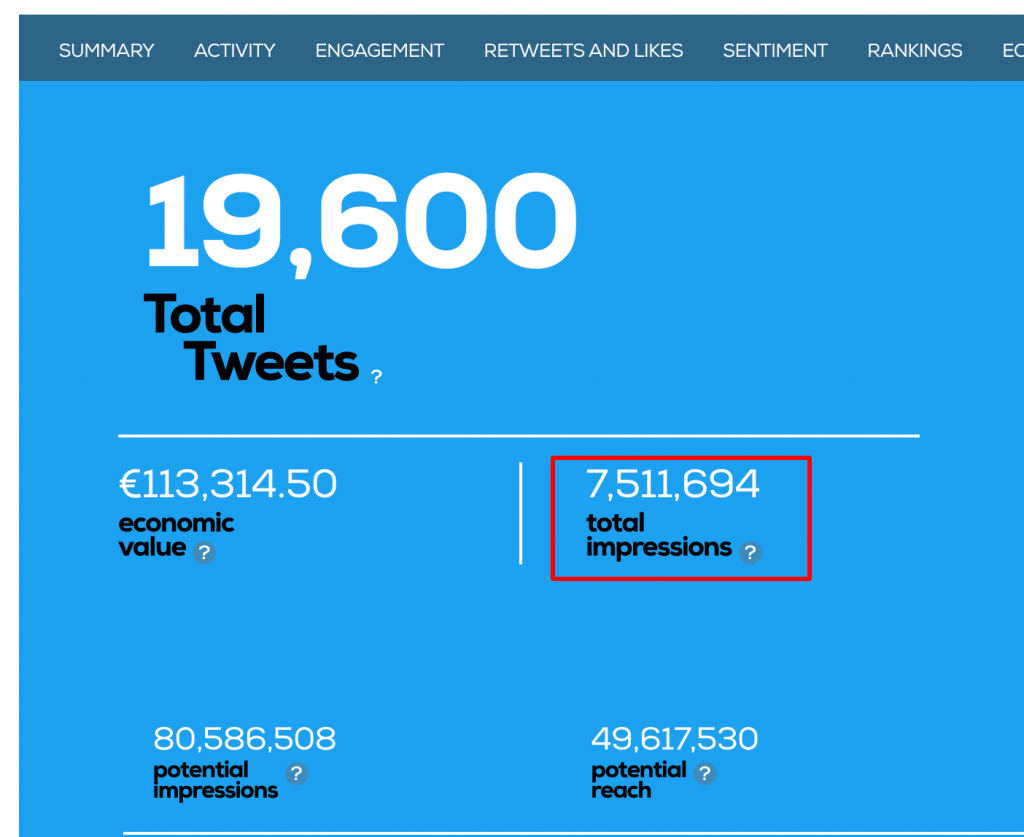
- Reach: While often used interchangeably with impressions in common parlance, technically, “reach” refers to the number of unique users who have seen your tweet. If your tweet is displayed to the same user five times, it registers five impressions but only counts as one unit of reach. X’s analytics often refer to impressions more broadly, but understanding the concept of unique users helps in comprehending the true breadth of audience rather than just the frequency of display. Reach is a more complex metric to calculate accurately, requiring sophisticated user identification systems, whereas impressions are more straightforward event counts.
The Technical Mechanism: When an Impression is Counted
The technical infrastructure behind counting impressions is designed for efficiency and scale. When a user scrolls through their feed, the X application (on mobile or web) makes requests to the server to fetch tweets. As these tweets are returned and rendered on the user’s screen, the client-side application (e.g., the JavaScript running in your browser or the native mobile app) sends a signal back to X’s data collection systems. This signal indicates that a specific tweet ID has been presented to a specific user ID at a given timestamp. This process is largely automated and happens asynchronously in the background. X’s servers then aggregate these signals, de-duplicating where necessary within a very short timeframe to prevent overcounting for rapid scrolls, and store them against the respective tweet. The system is engineered to handle billions of such events daily, making it one of the most frequently triggered data points on the platform. The logic is relatively simple: if the tweet’s content block is rendered into the viewport, it’s an impression.
The Significance of Impressions for Users and Developers
Impressions, while a basic metric, carry significant weight for various stakeholders within the X ecosystem. Their importance extends beyond simple numerical counting, offering insights into content delivery, platform performance, and user behavior.
For Individual Users: Understanding Your Content’s Visibility
For the average X user, a content creator, or a public figure, impressions serve as the primary indicator of how “visible” their content is within the vast digital stream. A high number of impressions suggests that the X algorithm is effectively distributing their tweet, or that their tweet is appearing in highly trafficked areas. It provides a baseline understanding of whether their message is reaching an audience at all. Without impressions, users would be blind to whether their tweets are essentially “whispering into the void” or genuinely appearing on others’ screens. This visibility data can inform content strategy—understanding which types of tweets or what timing leads to higher impressions can guide future posting decisions, even if engagement is the ultimate goal. From a tech literacy standpoint, knowing this allows users to better interpret the analytics provided directly by the platform’s user interface.
For Businesses and Brands: Measuring Content Reach (from a tech usage perspective)
While marketing teams might translate impressions into “brand awareness,” from a purely technological standpoint, businesses and brands leverage impression data to gauge the technical efficacy of their content distribution. Are their tweets being successfully injected into target audiences’ feeds? Is the X platform’s algorithm favoring their content’s display? High impressions indicate successful technical delivery and algorithmic propagation, which is crucial for maximizing the potential for marketing messages to be seen. It’s about optimizing the technical delivery vehicle. Businesses often employ sophisticated scheduling tools and content management systems that integrate with X’s API, and impression data returned via the API feeds back into these systems to assess if the technical pipeline is working as intended. Analyzing impression trends over time can signal changes in the X algorithm’s behavior or shifts in user consumption patterns, allowing technical adjustments to content delivery mechanisms.
For Platform Developers: Insights into System Performance and User Engagement
For the engineers and data scientists at X, impressions are a goldmine of operational data. They are a fundamental input for evaluating the performance of the core algorithm that curates user timelines. If a significant percentage of tweets are generating very few impressions, it could indicate issues with the algorithm’s ability to match content with interested users, or even broader platform health issues like server latency affecting content delivery. Impression data also helps in understanding the overall engagement patterns of the user base; while not engagement itself, the sheer volume of impressions processed daily is a testament to the platform’s scale and activity. Developers use impression data to test hypotheses about algorithmic changes, monitor the impact of new features on content visibility, and ensure the infrastructure is robust enough to handle the immense data flow. It’s a key metric in the continuous iterative development cycle of the X platform itself.
Factors Influencing Tweet Impressions
The number of impressions a tweet receives is not arbitrary; it’s the result of a complex interplay of the X algorithm, user behavior, and the intrinsic qualities of the tweet itself. Understanding these factors is crucial for anyone trying to optimize content visibility.
Algorithm Dynamics: How X’s Algorithm Promotes Content
X’s algorithm is the most significant determinant of a tweet’s impression count. This sophisticated system constantly evaluates billions of data points to decide which tweets to show to which users. Key algorithmic factors include:
- Relevance: The algorithm attempts to predict what content a user will find most interesting based on their past interactions (likes, retweets, replies), accounts they follow, topics they engage with, and even their geographic location. Tweets deemed highly relevant to a user are more likely to be prioritized in their timeline, leading to more impressions.
- Recency: While X’s “For You” timeline doesn’t strictly adhere to chronological order, recency still plays a role, especially for highly active users. Newer tweets often get a burst of impressions shortly after posting.
- Engagement Signals: Tweets that quickly gain initial engagement (likes, retweets) are often interpreted by the algorithm as high-quality or interesting content, prompting it to show them to a wider audience, thereby increasing impressions. This creates a positive feedback loop.
- Network Effect: Tweets from accounts a user frequently interacts with, or from accounts followed by many people in a user’s network, are often given preferential treatment, boosting their impressions.
User Behavior: Scroll Speed, Content Consumption Habits
Beyond the algorithm, the actual behavior of X’s users directly influences impression counts.
- Scroll Speed: Users who rapidly scroll through their feed may generate impressions for many tweets in quick succession, but these are fleeting.
- Time Spent on Platform: The more time a user spends on X, the more tweets they are likely to be exposed to, leading to higher overall impression potential across the platform.
- Timeline Preference: Users who switch between the “For You” (algorithmic) and “Following” (chronological) timelines can see different sets of tweets, impacting which tweets receive impressions. A user heavily favoring “Following” will generate impressions primarily for those they directly follow, whereas the “For You” timeline offers broader algorithmic distribution.
Content Quality and Timeliness: The Role of Relevance
The intrinsic quality and timeliness of the content itself play a considerable role in how the algorithm and users respond, ultimately affecting impressions.
- Originality and Value: Tweets that offer unique insights, breaking news, valuable information, or engaging media (images, videos) are more likely to be engaged with, which in turn signals to the algorithm that they are worth distributing more widely.
- Timeliness/Trending Topics: Tweets relevant to current events or trending topics often gain significant algorithmic boosts, leading to a surge in impressions as users actively seek out information on those subjects.
- Hashtags and Keywords: Strategic use of relevant hashtags and keywords can help the algorithm categorize and distribute content to interested users, increasing the likelihood of impressions from targeted audiences.
Technical Glitches and Data Accuracy Considerations
While X’s infrastructure is robust, no complex system is entirely immune to technical anomalies.
- Client-Side Issues: Slow internet connections or older device models might sometimes fail to fully load a tweet, or the impression signal might be dropped before reaching X’s servers, leading to undercounting.
- Server-Side Processing: Extremely high traffic or temporary server overloads could, in rare instances, affect the real-time processing and aggregation of impression data.
- Anti-Spam Measures: X employs systems to detect and filter out bot-generated impressions or impressions from suspicious accounts to maintain data integrity. While generally beneficial, these systems could potentially, though rarely, misclassify legitimate views.
Navigating and Analyzing Impression Data
For users, developers, and data analysts, the ability to effectively access and interpret impression data is crucial for gleaning actionable insights from X.
Accessing Impression Data on X Analytics
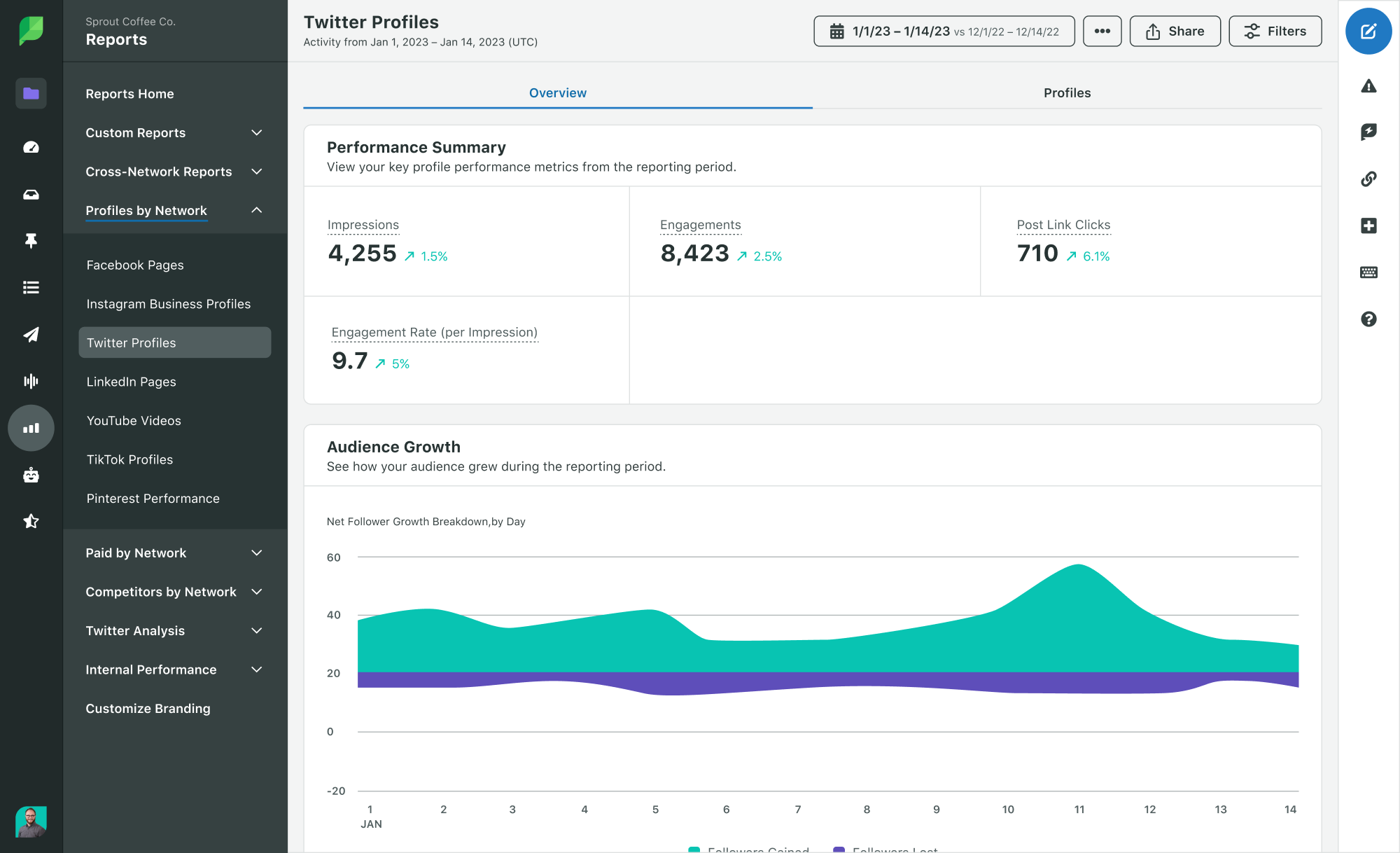
X provides built-in analytics tools that make impression data readily accessible. For individual users and businesses, this is typically found within the “Analytics” section accessible from their account. Here, users can view a detailed breakdown of their tweet activity, including total impressions over various timeframes (e.g., 7 days, 28 days, custom ranges). Each individual tweet also has a “View Tweet Activity” option, which shows the impressions for that specific tweet, often alongside other engagement metrics. For developers building third-party applications or advanced analytics platforms, X’s API (Application Programming Interface) offers endpoints to programmatically retrieve impression data for tweets, allowing for custom data processing and integration into other systems. This programmatic access is fundamental for large-scale data analysis and automated reporting.
Interpreting Trends and Anomalies
Simply seeing a number isn’t enough; true insight comes from interpreting trends and identifying anomalies within the impression data.
- Trend Analysis: Monitoring impression trends over time can reveal patterns related to posting frequency, content types, or external events. A consistent upward trend might indicate successful content strategy or algorithmic favor, while a sudden drop could signal a change in the algorithm or a decrease in audience interest.
- Benchmarking: Comparing impressions against industry averages or previous performance helps put the numbers into context. What constitutes a “good” impression count is highly dependent on the account’s size, follower count, and niche.
- Identifying Anomalies: Sharp, unexplained spikes or drops in impressions warrant further investigation. A sudden spike might be due to a tweet going viral or being picked up by a major influencer, while a sudden drop could indicate a technical issue, a shadowban, or a significant change in audience behavior. Cross-referencing impression data with external factors (e.g., news events, competitor activity) is key to accurate interpretation.
Leveraging Impression Data for Content Optimization (within platform’s technical limits)
While impressions alone don’t tell the whole story, they provide crucial feedback for optimizing content within the technical confines of the X platform.
- Optimal Posting Times: By correlating impression peaks with posting times, users can identify when their audience is most active and likely to see their tweets. This isn’t about marketing strategy per se, but about understanding the technical window of opportunity for visibility.
- Content Format Performance: Analyzing impressions for tweets with different media types (text-only, images, videos, GIFs) can help discern which formats are algorithmically favored or more readily consumed by specific audiences, leading to higher initial visibility.
- Hashtag and Keyword Effectiveness: Tracking impressions for tweets using specific hashtags or keywords helps in understanding if those terms are effectively categorizing the content for algorithmic distribution to relevant users. It’s about optimizing the meta-data for discovery within the platform’s search and recommendation systems.
The Evolving Landscape of Digital Visibility
The concept of an impression, while fundamental, is not static. As social platforms evolve, so too do the ways in which content visibility is measured and understood.
The Future of Impression Tracking on Social Platforms
The future of impression tracking is likely to involve even more granular data and sophisticated attribution models. We may see platforms move towards differentiating between “above-the-fold” impressions versus those requiring a scroll, or introducing metrics that quantify “viewable impressions” for a minimum duration, similar to standards in digital advertising. With the rise of AI and machine learning, platforms might also offer more predictive analytics around impression potential, helping users craft content that is algorithmically optimized for maximum reach from the outset. As X continues to iterate, the underlying technical definitions and the data exposed via analytics will undoubtedly become more nuanced to reflect the complexities of user attention and algorithmic distribution.
Broader Implications for Digital Communication Technology
The technical definition and tracking of impressions have broad implications for the entire landscape of digital communication. They highlight the intricate relationship between content creators, platform algorithms, and the end-user experience. From a technological perspective, impressions underscore the immense computational power required to track billions of micro-events daily across a global user base. They are a testament to the engineering feats behind social media platforms that enable such precise measurement of content delivery. As digital communication technologies continue to advance, understanding foundational metrics like impressions will remain critical for developers building new platforms, for users navigating these complex environments, and for anyone seeking to master the art and science of conveying information in the digital age. The humble tweet impression is, in essence, a digital heartbeat, signaling the pulse of content visibility across one of the world’s most influential communication networks.
aViewFromTheCave is a participant in the Amazon Services LLC Associates Program, an affiliate advertising program designed to provide a means for sites to earn advertising fees by advertising and linking to Amazon.com. Amazon, the Amazon logo, AmazonSupply, and the AmazonSupply logo are trademarks of Amazon.com, Inc. or its affiliates. As an Amazon Associate we earn affiliate commissions from qualifying purchases.