
In an era defined by flush toilets, advanced plumbing systems, and an expectation of instant, convenient sanitation, the concept of a “thunder mug” might seem archaic, even humorous. Yet, this unassuming vessel represents a crucial chapter in human history, offering a fascinating lens through which to view domestic life, technological progression, and perhaps most surprisingly, the nuanced world of antique valuation and niche collecting. Far from being a mere relic, the thunder mug provides a unique case study in how everyday objects can transcend their original utility to become items of significant historical, cultural, and indeed, monetary value.
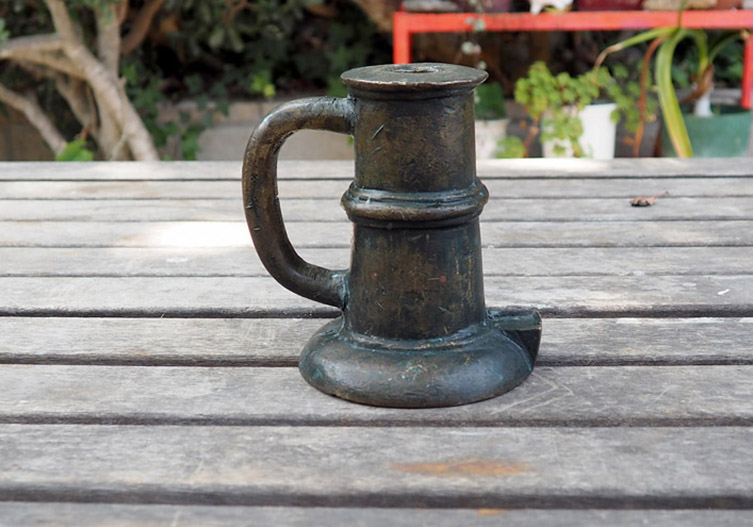
A thunder mug, more commonly known today as a chamber pot or potty, is essentially a portable receptacle used for human waste, particularly urine, during times when indoor plumbing was non-existent or inaccessible. Typically made from ceramic, enamel, or metal, these personal commodes were a staple in bedrooms across social strata for centuries, allowing individuals to relieve themselves during the night without venturing outdoors or to a communal privy. The evocative term “thunder mug” is thought to derive from the resonant sound sometimes produced when in use, or perhaps from the perceived indignity of its function in polite society. While its primary purpose was utilitarian, the thunder mug’s design, material, and place in history offer rich insights for financial enthusiasts, collectors, and those seeking to understand the economic currents of bygone eras.
Beyond the Bathroom: The Thunder Mug’s Role in Pre-Modern Economies
Before the advent of widespread sanitation infrastructure, the thunder mug was not merely a household convenience; it was an integral component of daily life, reflecting the domestic investment and resource allocation of its time. Understanding its historical context reveals a hidden economy surrounding an object now largely relegated to the past.
A Necessity, Not a Luxury: Daily Life and Domestic Investment
For hundreds of years, from medieval times through the early 20th century, a chamber pot was a ubiquitous household item. In an age devoid of central heating and widespread indoor lighting, venturing outside in the dark and cold to an outhouse was not only uncomfortable but often unsafe. The thunder mug offered a practical, albeit temporary, solution. Its presence in homes was not a sign of luxury, but rather a fundamental necessity for managing personal hygiene and household logistics, particularly in urban settings where population density made outdoor latrines less practical or sanitary.
For a household, acquiring a thunder mug represented a small but definite investment. While perhaps less costly than furniture or cooking implements, it was an essential piece of domestic infrastructure. Families would often possess multiple pots – one for each bedroom, or at least strategically placed for convenience. The choice of material, durability, and even decorative elements would have factored into the initial purchase decision, reflecting the family’s financial standing and aesthetic preferences. This initial investment in a basic household item reveals how even the most mundane objects played a role in the micro-economics of historical homes.
Production and Material Value: Craftsmanship and Affordability
The production of thunder mugs was a testament to the prevailing manufacturing capabilities of different eras. Early versions might have been simple earthenware, while later iterations showcased advancements in ceramics, glazing techniques, and even mass production. Potters and artisans across Europe and later in the Americas dedicated significant effort to crafting these vessels. The materials used, ranging from common clay to more refined porcelain, as well as the decorative motifs applied, directly influenced their cost and perceived value.
A basic, unadorned earthenware pot would have been affordable for most households, representing a minimal financial outlay. However, finer porcelain thunder mugs, often hand-painted with intricate designs, commissioned by wealthier families, or part of a larger washstand set, would have commanded a significantly higher price. These premium pieces were not just functional; they were status symbols, demonstrating an owner’s ability to invest in both utility and aesthetics. The economic landscape of their production involved a chain of raw material suppliers, skilled craftspeople, and local markets, illustrating a specialized niche within the broader manufacturing economy of the time. The transition from handcrafted individual pieces to factory-produced wares also mirrors the industrial revolution’s impact on affordability and accessibility, democratizing once-premium items.
The Antique Market’s Quirky Gem: Investing in Historical Artifacts
Fast forward to the present day, and the thunder mug has transformed from a household necessity into a collectible antique. For those in the financial niche of historical artifacts and collectibles, these items present an interesting, albeit niche, investment opportunity. Their value is no longer tied to their function, but to their rarity, condition, historical significance, and aesthetic appeal to a specific community of collectors.
Identifying a Collectible Thunder Mug: Rarity, Condition, and Provenance
For the discerning collector or investor, not all thunder mugs are created equal. The factors that contribute to an antique thunder mug’s value are typical of many collectibles:
- Rarity: Pieces from specific historical periods, those made by renowned potteries, or items with unique designs or materials are inherently more valuable. For instance, an 18th-century French Faience chamber pot will generally fetch a higher price than a mass-produced 20th-century enamel piece.
- Condition: As with any antique, pristine condition significantly enhances value. Chips, cracks, repairs, or heavy wear can drastically reduce its market price. A thunder mug that has survived centuries with its original glaze and decorative elements intact is a rare find.
- Provenance: Documentation proving an item’s origin, previous ownership (especially if tied to a notable historical figure or significant event), or manufacturing history can add substantial value. A chamber pot known to have belonged to a specific aristocratic family or made in a short-lived, influential factory holds more allure.
- Aesthetics and Design: The artistic quality, intricacy of decoration, unique shapes, or novelty designs (some even had musical mechanisms) can elevate a thunder mug beyond its basic utility into a decorative art piece, attracting collectors who value visual appeal.
Understanding these attributes is crucial for anyone looking to invest in or appraise these historical curiosities. The niche market thrives on the identification of these distinctive characteristics, often requiring expert knowledge to differentiate between a common find and a true gem.
Market Dynamics: Supply, Demand, and the Niche Collector

The market for thunder mugs, while certainly not as broad as for fine art or classic cars, is a vibrant example of niche collecting. The supply consists of items salvaged from old homes, estates, antique shops, and international markets. The demand comes from a diverse group: social historians interested in domestic life, collectors of specific pottery types, interior designers seeking unique decorative accents, and even individuals with a quirky sense of humor looking for conversation pieces.
The market dynamics are governed by classic economic principles. Limited supply of truly rare and well-preserved examples, combined with a persistent, if small, pool of dedicated buyers, ensures that high-quality pieces retain and often appreciate in value. Online marketplaces and specialized antique dealers play a vital role in connecting these buyers and sellers, often bridging geographical divides to facilitate transactions. The market also sees fluctuations based on broader trends in interior design and historical interest. For instance, a renewed interest in Victorian aesthetics might temporarily boost the appeal and price of period-appropriate thunder mugs. This segment of the antique market demonstrates that value can be found in unexpected places, offering a unique avenue for focused investment.
Monetizing the Past: Side Hustles and Historical Entrepreneurship
For individuals with an eye for history and a knack for entrepreneurship, thunder mugs and similar historical domestic items can form the basis of a fascinating side hustle or even a full-fledged business. This involves sourcing, restoring, marketing, and selling these unique artifacts.
Sourcing and Restoration: Bringing Value to Neglected Pieces
The journey of monetizing a thunder mug often begins with its discovery. Sources include estate sales, flea markets, charity shops, online classifieds, and even historical demolitions (with proper permits and safety). The key is to identify items that are either already in good condition or possess the potential for restoration.
Restoration can involve careful cleaning, minor repairs to chips (if they don’t compromise authenticity too much), and sometimes even the subtle enhancement of faded decorative elements. The goal is to bring the item back to its best possible presentation while maintaining its historical integrity. For example, removing centuries of grime from a ceramic thunder mug can reveal its original vibrant colors and intricate patterns, significantly increasing its aesthetic and financial appeal. This process requires patience, a gentle hand, and often specialized knowledge of antique care. The value added through careful sourcing and expert restoration can yield a significant return on investment, transforming a forgotten object into a desirable collectible.
Online Marketplaces and Auction Houses: Reaching the Right Buyers
Once sourced and, if necessary, restored, the next step is to connect with buyers. In today’s digital age, online marketplaces are invaluable. Platforms like eBay, Etsy (for curated vintage items), and specialized antique dealer websites provide a global reach, allowing sellers to target the niche audience interested in specific historical domestic items. High-quality photographs, detailed descriptions outlining the item’s history, condition, and dimensions, and transparent pricing are crucial for success.
For particularly rare or valuable thunder mugs, established antique auction houses can offer a more prestigious selling platform. These houses have access to a network of serious collectors and museums, often achieving higher prices due to competitive bidding and expert authentication. However, they also charge commissions, so sellers must weigh the potential gains against these costs. Attending and exhibiting at antique fairs and markets also provides direct interaction with potential buyers, allowing sellers to tell the story behind each piece and build a reputation within the collecting community. This multi-channel approach to sales maximizes exposure and the likelihood of achieving optimal financial outcomes for these historical artifacts.
The Hidden Financial Lessons of the Thunder Mug Era
Beyond their direct monetary value as antiques, thunder mugs and the historical period they represent offer broader financial lessons that remain relevant today. They underscore principles of resourcefulness, the cyclical nature of value, and the long-term appreciation or depreciation of everyday objects.
Resourcefulness and Sustainability: A Precursor to Modern Financial Prudence
The use of thunder mugs speaks volumes about a society operating within resource constraints and a greater emphasis on reusability and practical solutions. In an age without endless water supplies for flushing or complex waste treatment plants, individuals and households had to be resourceful in managing their sanitation needs. The thunder mug facilitated this, with its contents often being emptied into gardens as fertilizer, illustrating an early, albeit primitive, form of waste recycling and sustainable resource management.
From a financial perspective, this resourcefulness can be seen as a precursor to modern financial prudence. It highlights how societies historically made do with available resources, prioritizing utility and sustainability over convenience or rapid consumption. This contrasts sharply with modern throwaway culture and serves as a reminder of the long-term financial benefits of mindful consumption and resource allocation, lessons that are increasingly relevant in discussions about personal finance and environmental economics.

Understanding Depreciation and Appreciation: Long-Term Value of Everyday Objects
The journey of the thunder mug offers a compelling illustration of depreciation and appreciation over extended periods. Upon its initial purchase, a thunder mug represented a functional asset that depreciated rapidly in utilitarian value as plumbing technology advanced. Once indoor toilets became commonplace, the thunder mug became obsolete, likely relegated to attics or discarded. Its functional value plummeted to zero, and it would have been considered junk.
However, given enough time, and as its historical context became increasingly distant, the thunder mug began to appreciate in a different way: as a historical artifact. Its scarcity, its story, and its connection to a bygone era imbued it with a new form of value—collectible and cultural. This transformation from a depreciating asset to an appreciating collectible asset over centuries offers a powerful lesson in long-term financial perspectives. It shows that while functional items almost always depreciate, objects that tell a story or represent a significant cultural moment can, over very long time horizons, transform into valuable historical assets, providing unexpected financial returns to those with the foresight to recognize their potential.
In conclusion, the humble thunder mug, an object once synonymous with basic human needs and domestic practicality, provides a surprisingly rich subject for exploration within the realm of financial history and niche markets. Its trajectory from essential household item to collectible antique offers valuable insights into historical economies, the dynamics of specialized markets, and the fascinating journey of value creation and transformation over time. For the financially curious, it underscores that value can be found not just in traditional assets, but in the compelling stories and tangible remnants of our shared past.
aViewFromTheCave is a participant in the Amazon Services LLC Associates Program, an affiliate advertising program designed to provide a means for sites to earn advertising fees by advertising and linking to Amazon.com. Amazon, the Amazon logo, AmazonSupply, and the AmazonSupply logo are trademarks of Amazon.com, Inc. or its affiliates. As an Amazon Associate we earn affiliate commissions from qualifying purchases.