
In the intricate world of spirits, where heritage meets innovation, few terms are as evocative and foundational as “sour mash” when discussing American whiskey. Far from being a mere technicality of distillation, the sour mash process stands as a cornerstone of brand identity, a powerful narrative tool, and a defining characteristic that shapes consumer perception and loyalty. For many of the world’s most iconic whiskey brands, understanding “what is a sour mash whiskey” is not just about appreciating a production method; it’s about grasping the very essence of their corporate identity, marketing strategy, and enduring legacy.
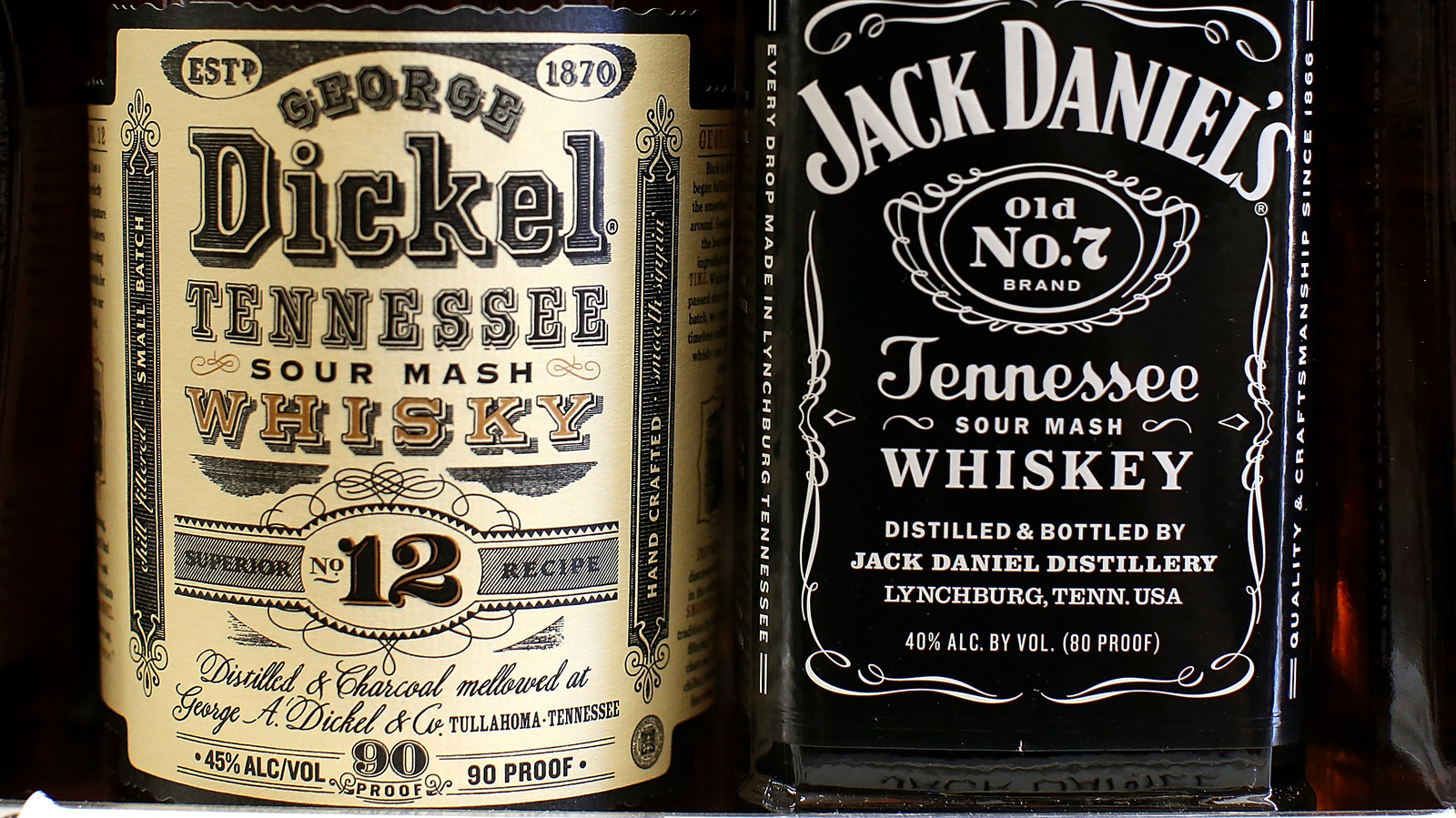
This deep dive will explore the sour mash process not merely as a scientific procedure, but as a strategic element that imbues a brand with a distinct personality, ensures consistency, and provides a rich tapestry for storytelling. We will dissect how this time-honored technique contributes to a brand’s unique selling proposition, its visual identity, and its formidable presence in a competitive global market.
The Sour Mash Process: A Foundation for Unique Brand Identity
At its heart, the sour mash process is a fermentation technique, yet its implications for brand consistency, quality, and consumer trust are profound. It is the invisible architect behind many a recognizable whiskey flavor, providing a bedrock upon which robust brand identities are built.
Understanding the “Sour” in Sour Mash
Contrary to a common misconception, “sour mash” does not imply a sour-tasting whiskey. The “sour” refers to the acidification of the mash, a process achieved by incorporating a portion of the spent mash (the liquid residue) from a previous distillation batch into a new one. This spent mash, often called “setback” or “backset,” is highly acidic. When introduced into a fresh batch of grain and water, it lowers the pH of the new mash.
This acidification serves several critical purposes for the distiller, which directly translate into benefits for the brand. Firstly, it creates an optimal environment for yeast activity, promoting efficient fermentation. Secondly, and perhaps more importantly, the lower pH inhibits the growth of undesirable bacteria that could introduce off-flavors, ensuring a cleaner, more predictable fermentation. From a branding perspective, this technical detail signifies a meticulous approach to quality control and a commitment to flavor integrity, reassuring consumers of the premium nature of the product. It’s a subtle promise of purity and precision embedded within the very first steps of creation.
Consistency as a Brand Pillar
One of the most significant contributions of the sour mash process to brand identity is its role in ensuring product consistency. Every major whiskey brand strives for a predictable and reliable flavor profile across its batches, bottles, and years. This consistency is paramount for building consumer trust and fostering loyalty. Imagine a whiskey brand whose taste varied wildly from one purchase to the next; it would quickly erode confidence and diminish its market standing.
The sour mash method acts as a natural buffer, homogenizing the fermentation environment. By reintroducing a portion of the old mash, distillers effectively carry over a consistent microbial ecosystem and acidity level, creating a stable starting point for each new batch. This meticulous control over fermentation helps to mitigate natural variations in raw materials (grains, water) and environmental conditions. For a brand, this means that the distinct taste profile consumers have come to love and expect will remain reliably present. This unwavering consistency becomes a powerful brand attribute, signaling dependability, craftsmanship, and a steadfast commitment to delivering the promised experience every single time. It’s not just about taste; it’s about delivering on a brand promise.
Crafting the Narrative: Sour Mash in Brand Storytelling
Beyond its technical advantages, the sour mash process offers a rich vein of material for brand storytelling. In a market saturated with options, a compelling narrative can elevate a product from a commodity to an experience, fostering a deeper connection with consumers.
Heritage and Authenticity
Many prominent sour mash whiskey brands boast a history stretching back generations, often to the pioneers of American distilling. The sour mash technique itself is steeped in tradition, having been adopted by early distillers seeking reliable methods before modern scientific controls were available. This historical lineage is a powerful asset for brand building.
Brands effectively leverage the narrative of heritage and authenticity by emphasizing their adherence to these traditional methods. They position sour mash as an ancestral secret, a time-honored technique passed down through the family or distillery history. This narrative appeals to consumers who value craftsmanship, tradition, and a connection to the past. It transforms the whiskey from a mere drink into a liquid legacy, a taste of history. Marketing materials often feature sepia-toned imagery, descriptions of generations of distillers, and anecdotes that romanticize the process, imbuing the brand with a sense of enduring quality and genuine provenance. This story builds trust and commands a premium, appealing to those seeking an authentic experience.
Flavor Profile as a Brand Signature
While the sour mash process doesn’t exclusively define flavor, it certainly contributes to the characteristic taste profile associated with many American whiskeys, particularly bourbons and Tennessee whiskeys. The consistent fermentation environment can lead to the production of specific esters and alcohols that impart recognizable notes—often smooth, mellow, and sometimes slightly sweet or caramel-like.
For a brand, these specific flavor attributes become a “signature”—a unique selling proposition that differentiates it from competitors. Marketing campaigns frequently highlight these taste characteristics, directly linking them to the sour mash process. “The smoothness you can only get from our sour mash tradition,” or “a distinctive mellow character, perfected through generations of sour mash,” are common refrains. This direct linkage creates a mental association: sour mash equals this unique, desirable flavor. The brand effectively “owns” that flavor profile in the consumer’s mind, making it a powerful tool for recall and preference.
Educating the Consumer: Building Brand Loyalty Through Knowledge
In today’s informed marketplace, consumers are increasingly interested in the “how” and “why” behind their purchases. Brands that take the time to educate their audience about their processes often cultivate deeper engagement and loyalty. Explaining the sour mash process, even in simplified terms, allows brands to connect with consumers on an intellectual level.
By demystifying the technique, brands can elevate the perception of their product beyond just an alcoholic beverage. They invite consumers into the world of whiskey making, sharing insights into the craftsmanship and dedication involved. This educational approach fosters appreciation for the product’s complexity and the brand’s commitment to quality. Distillery tours, online content, and bottle labels that explain sour mash create touchpoints where consumers can learn, ask questions, and ultimately feel more invested in the brand. This transparency builds a powerful sense of trust and community, transforming casual drinkers into brand advocates.
Marketing Sour Mash: Design, Messaging, and Market Positioning
The technical advantages and storytelling potential of sour mash are then translated into tangible marketing strategies, influencing everything from visual aesthetics to promotional campaigns.
Visual Identity and Packaging
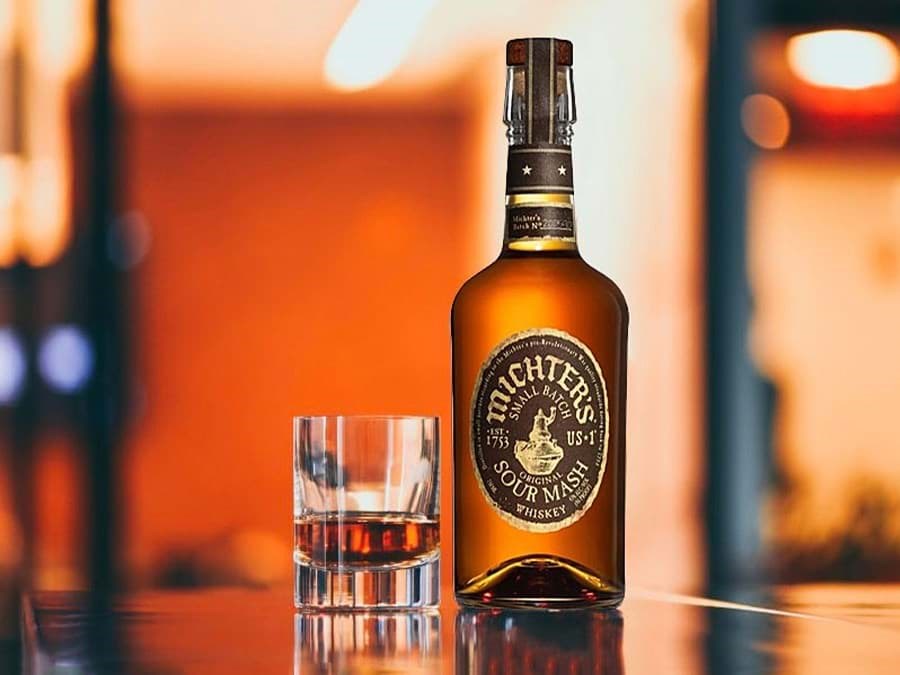
The visual identity of a sour mash whiskey brand is carefully crafted to communicate its core attributes. Packaging, bottle design, and label aesthetics are not merely decorative; they are strategic elements designed to convey heritage, quality, and the unique characteristics associated with the sour mash process.
Many brands opt for designs that evoke tradition and authenticity: heavy glass bottles, cork stoppers, and labels with classic fonts and perhaps imagery of historical distilleries or grain fields. Colors often lean towards earthy tones, deep ambers, and rich browns, echoing the whiskey itself and its natural origins. The term “sour mash” itself, or a reference to the process, is often prominently displayed on the label, signaling to discerning consumers the traditional method behind the spirit. This visual language reinforces the brand’s commitment to time-honored techniques and premium quality, creating an immediate visual association with the positive connotations of sour mash whiskey.
Targeted Messaging and Campaigns
Marketing campaigns for sour mash whiskeys employ targeted messaging to resonate with specific consumer segments. For connoisseurs, messaging might delve into the technical nuances of the process, emphasizing the consistent yeast activity or the optimal pH for fermentation, appealing to their intellectual curiosity and appreciation for detail. For a broader audience, the messaging might focus on the resulting smoothness, the rich flavor, or the tradition and legacy of the brand.
Campaigns often feature master distillers, embodying the expertise and dedication behind the sour mash technique. Advertisements might show idyllic scenes of distillery life, emphasizing the artisanal nature and the unhurried pace of production. The consistent presence of “sour mash” in slogans and taglines further ingrains the concept into the brand’s identity, ensuring that consumers associate the method with the unique qualities of the specific whiskey. This strategic communication ensures that the brand’s narrative reaches and engages its intended audience effectively.
Differentiating in a Crowded Market
In the highly competitive spirits market, differentiation is key to survival and growth. Sour mash serves as a powerful differentiator, setting brands apart from other types of whiskey (e.g., rye, single malts) and even from other American whiskeys that might use a “sweet mash” process.
By clearly articulating their sour mash heritage and its benefits, brands carve out a unique niche. They don’t just sell whiskey; they sell sour mash whiskey, implying a specific tradition, taste profile, and quality standard. This allows them to appeal to consumers who actively seek out this style or who are curious about the distinctive characteristics it offers. For a brand, this differentiation provides a compelling reason for consumers to choose their product over alternatives, building a unique identity that is hard to replicate. It’s a strategic positioning that taps into both tradition and distinctiveness.
Case Studies: Iconic Sour Mash Brands and Their Strategies
To fully appreciate the branding power of sour mash, one must look at how leading distilleries have integrated this process into their very DNA.
Jack Daniel’s: The Quintessential Sour Mash Brand
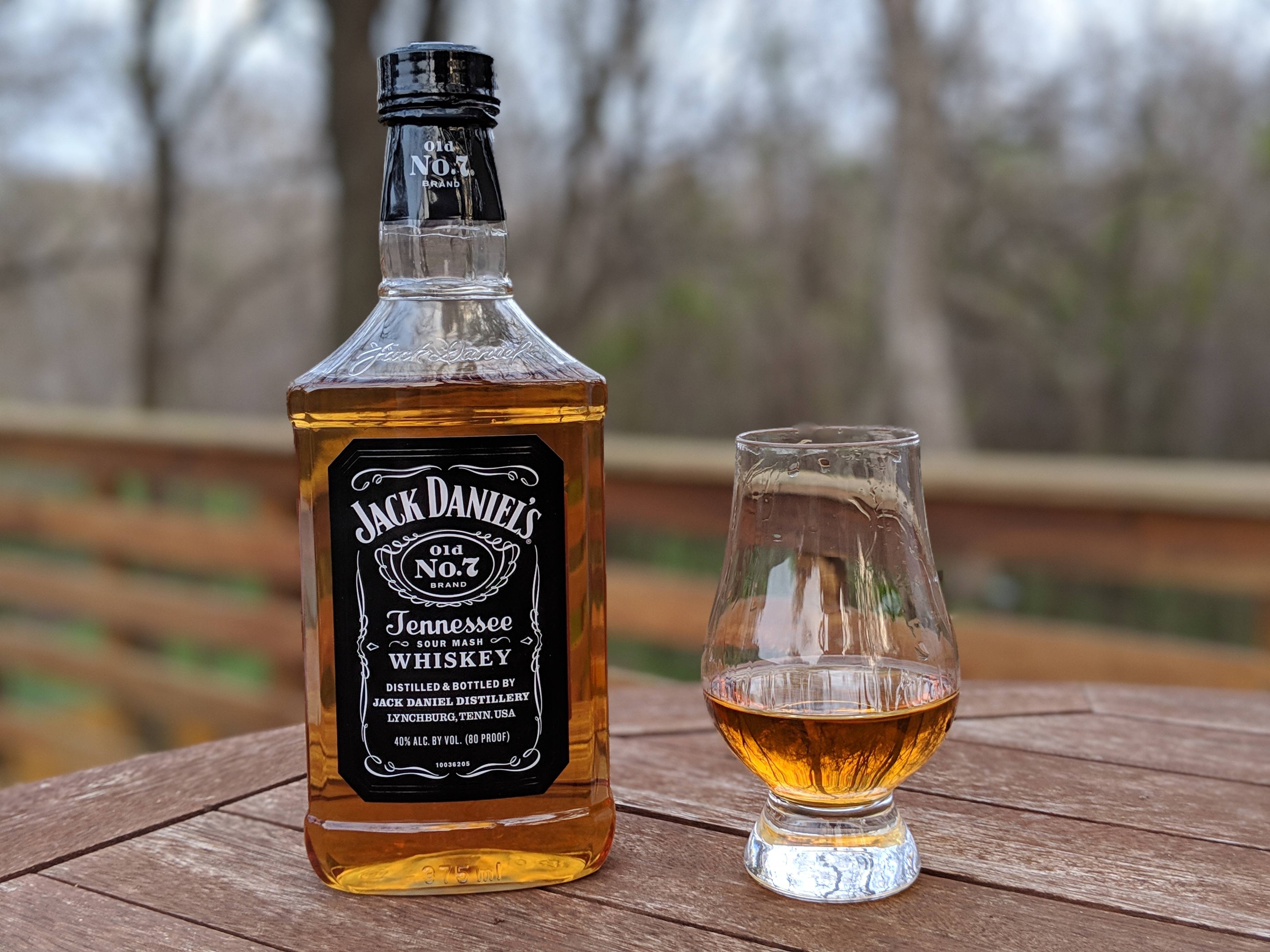
Perhaps no brand is more synonymous with sour mash than Jack Daniel’s. While famously known for its “charcoal mellowing” or Lincoln County Process, the brand also proudly labels itself as a “Tennessee Sour Mash Whiskey.” This dual identity forms the core of its global brand appeal.
Jack Daniel’s has masterfully leveraged its sour mash process (along with charcoal mellowing) to convey a message of unparalleled smoothness and distinct character. Their marketing consistently emphasizes the traditional methods employed in Lynchburg, Tennessee, positioning the distillery as a bastion of authenticity and time-honored craftsmanship. The “sour mash” aspect contributes to the narrative of consistency and quality, reassuring consumers that every bottle delivers the iconic Jack Daniel’s taste. The brand’s visual identity, from the square bottle to the black label, subtly reinforces this classic, dependable image, making “Jack Daniel’s Tennessee Sour Mash Whiskey” an instantly recognizable and trusted global brand. It’s a powerful testament to how a specific process can become an integral part of a brand’s corporate identity and marketing strategy.
Other Notable Brands: Jim Beam and Maker’s Mark
While Jack Daniel’s is often the most cited example, many other prominent whiskey brands, particularly bourbons, also utilize and subtly integrate the sour mash process into their brand story.
Jim Beam, one of the best-selling bourbon brands globally, also uses the sour mash process. While their primary marketing might focus on their family legacy (“Seven Generations of Master Distillers”), the sour mash technique is an inherent part of that heritage, contributing to the consistent, approachable flavor profile that defines the brand. The underlying sour mash process ensures the consistency vital for such a large-scale, mass-market brand, allowing them to deliver a reliable experience to millions of consumers worldwide.
Maker’s Mark, another iconic bourbon, prides itself on its handcrafted approach and soft, wheat-forward flavor. While they might highlight their red wax seal and soft red winter wheat, the sour mash process is still a fundamental part of their production, contributing to the consistent, gentle fermentation that underpins their signature taste. Although perhaps not as overtly marketed as with Jack Daniel’s, the sour mash tradition is foundational to the stability and reliability of their distinctive brand flavor. These brands illustrate that whether explicitly highlighted or implicitly understood, sour mash is a critical element in establishing and maintaining a consistent, quality-driven brand identity.
Conclusion
“What is a sour mash whiskey?” is a question that opens the door to understanding far more than just a distillation technique. It reveals a sophisticated interplay between science, tradition, and strategic branding. For whiskey brands, the sour mash process is not merely a method of production; it is a powerful differentiator, a source of compelling narratives, and a foundational element for building enduring corporate identity.
By ensuring consistency, imbuing a sense of heritage, shaping a unique flavor profile, and providing rich material for marketing, sour mash contributes significantly to a brand’s ability to stand out in a crowded market. It allows brands to tell a story of authenticity, quality, and tradition, fostering deep consumer loyalty and transforming a simple spirit into a symbol of craftsmanship and legacy. In the competitive world of whiskey, leveraging the essence of sour mash is a masterclass in brand building, demonstrating how a technical detail can become the very heart of an iconic identity.
aViewFromTheCave is a participant in the Amazon Services LLC Associates Program, an affiliate advertising program designed to provide a means for sites to earn advertising fees by advertising and linking to Amazon.com. Amazon, the Amazon logo, AmazonSupply, and the AmazonSupply logo are trademarks of Amazon.com, Inc. or its affiliates. As an Amazon Associate we earn affiliate commissions from qualifying purchases.