
In the intricate tapestry of interior design, certain pieces of furniture transcend mere utility to become emblematic of specific styles, eras, or even personal and corporate identities. Among these design stalwarts is the slipper chair—a piece often overlooked in general discourse but revered by design aficionados for its distinctive form and the nuanced narrative it brings to a space. More than just a seat, the slipper chair is a strategic element in crafting visual brand identity, whether for an individual’s home or a commercial establishment aiming to convey a particular ethos.
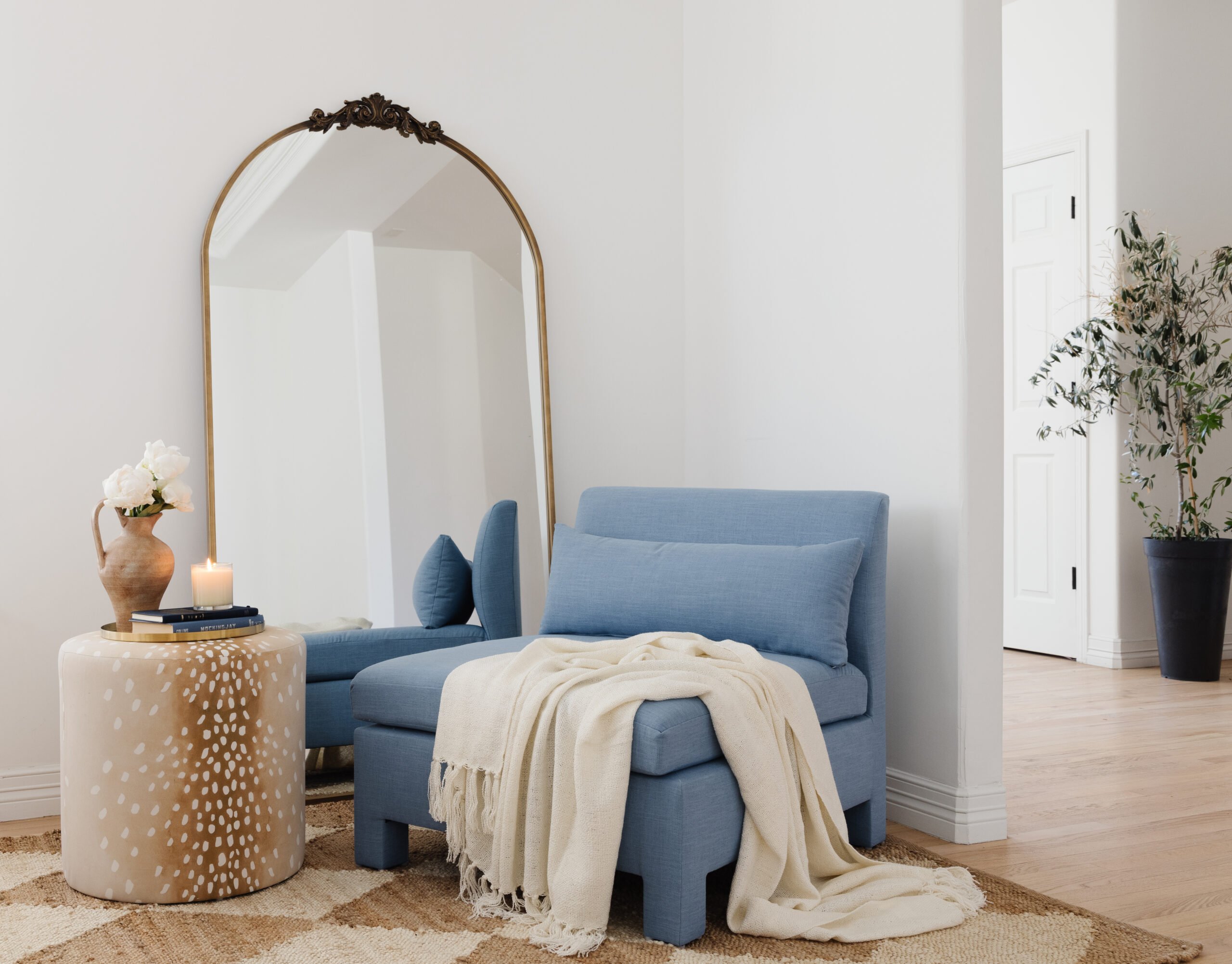
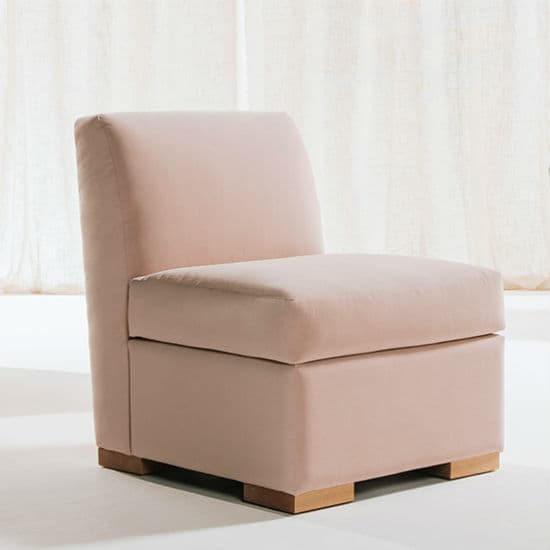
At its core, a slipper chair is an armless accent chair, typically low to the ground, designed without arms to facilitate ease of sitting, particularly for women who traditionally wore corsets and full skirts or, more colloquially, to ‘slip on shoes.’ Its unique design—often compact, elegant, and understated—allows it to blend seamlessly into various design schemes while simultaneously making a subtle yet impactful statement. This article delves into the essence of the slipper chair, exploring its rich design legacy, its role in brand identity, and its enduring relevance in contemporary marketing and interior design.
The Design Legacy of the Slipper Chair: A History of Form and Function
Understanding the slipper chair is to appreciate its evolution, a journey that reveals how specific design choices contribute to a piece’s lasting brand appeal and cultural significance. Its distinctive silhouette and functionality are not accidental but rather products of a rich design history.
Origins and Evolution: A Century of Style
The slipper chair’s origins can be traced back to the late 18th and early 19th centuries, but it truly gained prominence in the early 20th century, particularly during the Art Deco and Mid-Century Modern periods. Initially conceived as a bedroom or dressing room chair, its low profile and armless design made it ideal for private, intimate spaces. Women found it convenient for tasks like slipping on shoes or simply relaxing without the restriction of arms, which could interfere with voluminous clothing styles of the era. This practical origin story imbues the slipper chair with an inherent brand of comfort and understated elegance.
As interior design evolved, so too did the slipper chair. The Art Deco movement embraced its sleek lines and geometric possibilities, rendering it in luxurious fabrics and exotic woods. Later, Mid-Century Modern designers stripped it down to its essentials, focusing on clean lines, sculptural forms, and functional simplicity. This adaptability—its ability to be reinterpreted across different aesthetic movements—is a testament to its timeless design and its capacity to embody diverse brand identities, from opulent to minimalist. The longevity of its design acts as a powerful brand story itself, showcasing enduring appeal across changing tastes.
Defining Characteristics: Form Meets Function in Branding
The physical attributes of a slipper chair are key to its brand identity. Its most defining characteristic is the absence of arms, which immediately sets it apart from traditional accent chairs or armchairs. This armless design contributes to its compact footprint, making it an excellent choice for smaller spaces where a bulkier chair would overwhelm the room. This “small-space friendly” attribute has become a significant part of its market branding, appealing to urban dwellers and those seeking efficient design solutions.
Furthermore, slipper chairs are typically low to the ground. This low-slung profile creates a sense of intimacy and casual comfort, inviting relaxation. The backrest can vary in height, from short to tall, often slightly reclined to enhance comfort. Upholstery is another crucial element, often featuring plush padding and exquisite fabrics, from velvet and linen to leather and patterned textiles. The choice of upholstery is paramount in defining the slipper chair’s specific brand persona within a room—a luxurious velvet might suggest a high-end, sophisticated brand, while a simple linen could speak to a minimalist, natural aesthetic. These characteristics aren’t just functional; they are deliberate design choices that communicate a specific brand message about style, comfort, and space utilization.
Iconic Interpretations: Designers and Eras as Brand Ambassadors
Throughout its history, various designers have put their stamp on the slipper chair, turning it into an iconic piece. Florence Knoll, for instance, created minimalist and highly functional versions that became hallmarks of corporate elegance. Milo Baughman’s designs often featured sleek chrome bases and bold upholstery, embodying the glamour of mid-century modernism. Contemporary designers continue to reinterpret the form, playing with scale, materials, and technological advancements to create modern iterations that maintain the chair’s core identity while speaking to new aesthetic trends.
These iconic interpretations serve as powerful brand ambassadors for the slipper chair. When a designer’s name is associated with a specific style of slipper chair, it instantly elevates its perceived value and aligns it with a particular design philosophy. This association creates a strong brand narrative, making the slipper chair not just a piece of furniture, but a collectible item with a distinct heritage and artistic lineage.
Crafting Brand Identity Through Interior Design
In the realm of branding, every element within a space contributes to the overall message being conveyed. The slipper chair, with its distinct design and versatile nature, is a powerful tool for shaping both personal and corporate identities through interior design.
Personal Branding: Reflecting Individual Style
For individuals, a home is often a deeply personal expression, a three-dimensional brand statement that reflects their tastes, values, and lifestyle. The slipper chair plays a crucial role in this personal branding. Its compact size and aesthetic flexibility allow homeowners to incorporate it into various rooms without overpowering the existing decor. It can serve as a quiet reading nook in a bedroom, a stylish extra seat in a living room, or a chic accent in a home office.
The choice of fabric, color, and silhouette for a slipper chair can instantly communicate elements of a personal brand. A vibrant, patterned slipper chair might speak to a bold, eclectic personality, while a muted, linen-upholstered version could convey a preference for understated sophistication and minimalist living. By carefully selecting a slipper chair, individuals can subtly reinforce their personal brand narrative, creating spaces that feel authentic and deeply reflective of who they are.
Corporate Identity: Enhancing Commercial Spaces
Beyond personal residences, the slipper chair is an invaluable asset in crafting corporate identity for various commercial environments. Its elegant and unobtrusive form makes it ideal for spaces where comfort, style, and a specific brand aesthetic are paramount.
- Boutique Hotels and Resorts: Slipper chairs are frequently found in hotel lobbies, guest rooms, and lounge areas. Their inviting appearance and sophisticated design contribute to a luxurious, welcoming brand image, encouraging guests to relax and feel pampered.
- High-End Retail Stores: In fashion boutiques or luxury showrooms, slipper chairs offer customers a comfortable place to rest while browsing, enhancing the shopping experience and reinforcing the brand’s commitment to comfort and style. They can also serve as elegant props for displaying merchandise.
- Modern Offices and Co-working Spaces: For companies aiming to project a contemporary, employee-centric brand, slipper chairs in break areas, private lounges, or client waiting rooms signal a focus on comfort and a departure from traditional, rigid office aesthetics. They help create environments that feel more like stylish homes than sterile workplaces, subtly communicating a progressive corporate culture.
In each of these contexts, the slipper chair is not just seating; it’s a strategic design element that contributes to the overarching corporate identity, subtly shaping perceptions and enhancing the brand experience for clients and employees alike.
The Slipper Chair as a Design Statement
Ultimately, the slipper chair’s true power lies in its ability to be a design statement. Its simplicity allows it to be transformed through choice of material and placement into a focal point. Paired with a bold throw pillow or placed next to an intriguing piece of art, it can anchor a corner or add an unexpected pop of color or texture. The act of choosing a slipper chair and styling it thoughtfully is an act of deliberate branding—it communicates taste, attention to detail, and an understanding of how individual elements contribute to a cohesive visual narrative. It demonstrates a commitment to quality design that resonates with discerning audiences, solidifying its place as a cornerstone of thoughtful interior branding.
Marketing the Modern Slipper Chair: Strategies for Engagement
The enduring appeal of the slipper chair is not solely due to its inherent design; it’s also a product of effective marketing strategies that highlight its versatility, aesthetic value, and practical benefits. In today’s competitive furniture market, understanding how to position and promote this classic piece is crucial for brands.
Targeting Demographics: Lifestyle and Aspiration
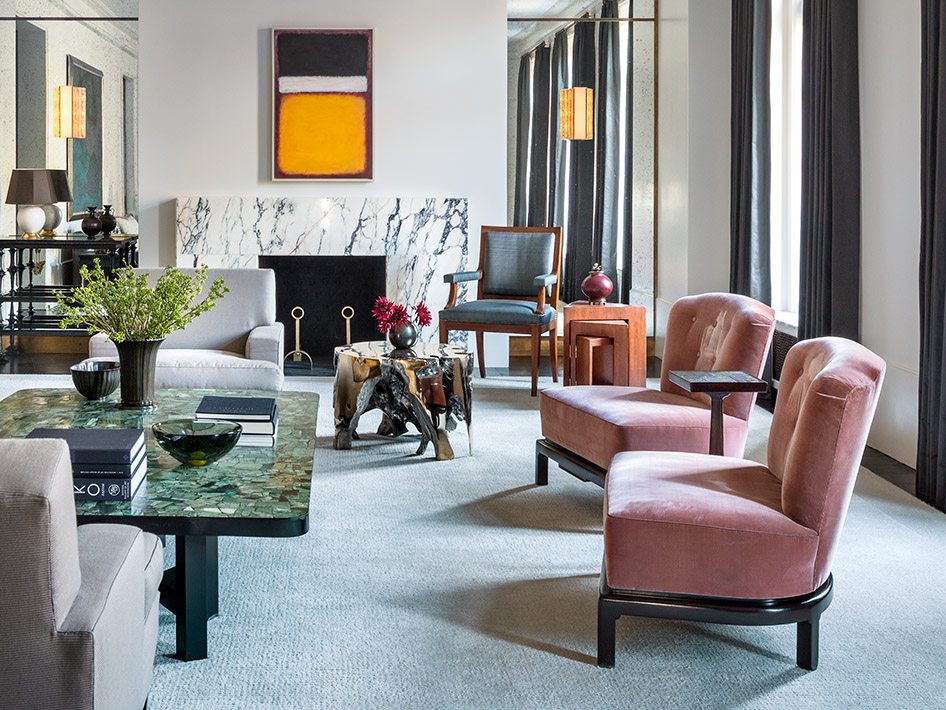
Modern marketing of slipper chairs often focuses on lifestyle and aspiration. Brands effectively target demographics through curated imagery and narratives that showcase the chair in aspirational settings. For instance, campaigns might feature a slipper chair in a chic urban apartment, appealing to young professionals seeking sophisticated, space-saving solutions. Another approach might place it in a serene, minimalist bedroom, attracting those who value calm and uncluttered living.
The messaging emphasizes not just the chair itself, but the lifestyle it facilitates: comfort, elegance, and smart design. By aligning the slipper chair with desirable lifestyles, marketers create an emotional connection with consumers, turning a furniture purchase into an investment in a particular aesthetic or way of living. This taps into personal branding desires, where consumers use purchases to define and express themselves.
Digital Presence and Visual Storytelling
In the digital age, a strong online presence and compelling visual storytelling are paramount for marketing furniture. E-commerce platforms, social media (Instagram, Pinterest), and design blogs are instrumental in showcasing the slipper chair’s versatility. High-quality photography and videography demonstrating the chair in various settings—from a cozy reading nook to a vibrant living room accent—help potential buyers visualize it in their own spaces.
Brands leverage user-generated content, influencer collaborations, and interactive online tools (like virtual room planners) to engage audiences. Testimonials highlighting comfort and style further build trust and appeal. By presenting the slipper chair as a dynamic, adaptable piece that enhances diverse interiors, brands effectively broaden its market appeal and reinforce its image as a sophisticated design choice. Visual narratives often focus on the chair as a central piece in a thoughtfully curated home, reinforcing the idea that it helps build a cohesive personal brand for a space.
Sustainable Design and Ethical Sourcing
As consumer awareness around environmental and ethical issues grows, marketing strategies for furniture, including slipper chairs, increasingly emphasize sustainable design and ethical sourcing. Brands that use eco-friendly materials, support fair labor practices, and employ sustainable manufacturing processes can differentiate themselves and appeal to environmentally conscious consumers.
Highlighting the longevity and timelessness of a well-made slipper chair also aligns with sustainable principles—promoting buying less but buying better. Marketing messages that focus on durability, craftsmanship, and a commitment to responsible production not only appeal to a niche market but also enhance the brand’s overall reputation and perceived value, adding another layer to its corporate identity. This appeals to consumers who wish to brand themselves as responsible and ethical.
Case Studies: Slipper Chairs in Iconic Settings
The true measure of the slipper chair’s branding power lies in its ubiquitous presence in settings that define aesthetic excellence and aspirational living. From residential sanctuaries to commercial hubs, its strategic placement speaks volumes about the space’s intended identity.
Residential Chic: Celebrity Homes and Influencer Spaces
Slipper chairs frequently grace the pages of architectural digest and interior design magazines, often found in the homes of celebrities, designers, and social media influencers. In these highly publicized spaces, the slipper chair isn’t merely furniture; it’s a curated prop that contributes to a meticulously crafted personal brand image. A simple yet elegant slipper chair can provide a perfect counterpoint to a vibrant art collection, or seamlessly blend into a monochromatic scheme, reflecting the homeowner’s sophisticated taste.
For instance, a minimalistic slipper chair in a neutral tone might be seen in an influencer’s perfectly styled living room, underscoring a clean, contemporary personal brand. Conversely, a bold, patterned slipper chair could be the statement piece in a maximalist designer’s studio, embodying their adventurous and artistic brand identity. These instances act as powerful, real-world case studies, showcasing how the slipper chair aids in constructing and communicating a desired personal brand.
Hospitality Excellence: Boutique Hotels and Lounges
In the hospitality sector, corporate identity is paramount. Boutique hotels and high-end lounges meticulously design their interiors to create a memorable brand experience. The slipper chair, with its blend of comfort and style, is a favored choice. In a luxurious hotel lobby, a cluster of elegantly upholstered slipper chairs can invite guests to relax, projecting an image of refined hospitality and comfort. In a hotel suite, a slipper chair positioned by a window can offer a cozy spot for contemplation, enhancing the perception of thoughtful amenities and guest-centric design.
Consider a boutique hotel aiming for a mid-century modern aesthetic; impeccably restored or reproduced slipper chairs would be central to achieving this specific corporate identity, signaling a reverence for classic design and a sophisticated ambiance. In a contemporary lounge, avant-garde slipper chairs might be used to convey a cutting-edge, artistic brand image. The chair, in these contexts, becomes an integral part of the service experience, subtly branding the establishment as a purveyor of style and comfort.
Retail Aesthetics: Curated Showrooms
Even in retail, where the focus is on products, the environment itself is a powerful brand tool. High-end fashion boutiques, furniture showrooms, and luxury brand stores often incorporate slipper chairs into their displays. These chairs serve multiple purposes: they offer a respite for shoppers, act as sophisticated props to showcase merchandise (e.g., placing a handbag on a chic slipper chair), and contribute significantly to the overall aesthetic brand of the store.
In a designer clothing store, a classic slipper chair might be positioned near a fitting room, offering a moment of quiet luxury. In a furniture showroom, a beautifully upholstered slipper chair becomes a testament to the brand’s commitment to quality and design, inspiring customers to visualize similar pieces in their own homes. By elevating the shopping environment, the slipper chair enhances the brand perception, making the entire experience feel more exclusive and desirable.
The Future of the Slipper Chair in Design and Branding
The longevity of the slipper chair is a testament to its design genius. As design trends evolve and branding strategies become more sophisticated, the slipper chair continues to adapt, proving its enduring relevance.
Adaptability to Evolving Aesthetics
The fundamental design of the slipper chair—armless and low-slung—is inherently adaptable. This adaptability ensures its future relevance across various aesthetic movements. Whether the dominant trend is minimalist, maximalist, industrial, or bohemian, the slipper chair can be reinterpreted through material, upholstery, and finish to fit seamlessly. Designers will continue to experiment with sustainable materials, smart fabrics, and ergonomic improvements, ensuring the slipper chair remains a versatile canvas for contemporary design. Its ability to shed or adopt new ‘skins’ while retaining its core identity makes it a brand chameleon, capable of always staying on trend.
Integration with Smart Home Technologies
While a traditional piece, the slipper chair is not immune to the influence of technology. Future iterations might see subtle integrations with smart home technologies—perhaps embedded charging ports, discreet mood lighting controls, or even biometric sensors for personalized comfort settings. These technological enhancements, however, would likely be integrated subtly to maintain the chair’s classic aesthetic, adding a layer of functional sophistication without compromising its core brand identity as an elegant, comfortable seat. The ‘brand’ here would be about intelligent luxury that respects design heritage.
Maintaining Relevance in a Fast-Paced Market
In a market saturated with transient trends, the slipper chair maintains its relevance through its timeless appeal and proven versatility. Brands will continue to leverage its classic status while innovating its presentation. Storytelling around its heritage, the craftsmanship involved in its production, and its ability to elevate any space will remain crucial marketing pillars. The slipper chair isn’t just surviving; it’s thriving as a testament to good design, a powerful tool for brand expression, and an enduring symbol of sophisticated comfort that will continue to shape our spaces for generations to come. It embodies the ultimate brand ideal: lasting quality and adaptable style.
aViewFromTheCave is a participant in the Amazon Services LLC Associates Program, an affiliate advertising program designed to provide a means for sites to earn advertising fees by advertising and linking to Amazon.com. Amazon, the Amazon logo, AmazonSupply, and the AmazonSupply logo are trademarks of Amazon.com, Inc. or its affiliates. As an Amazon Associate we earn affiliate commissions from qualifying purchases.