
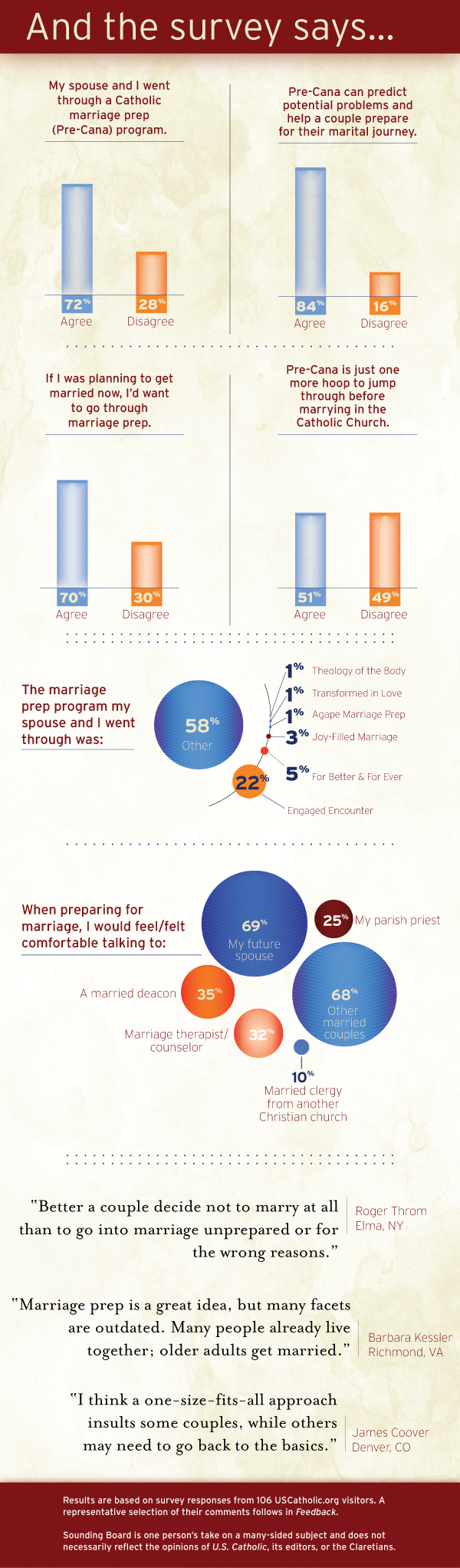
The term “Pre-Cana” traditionally refers to a course or program undertaken by couples in the Catholic Church, and sometimes other denominations, in preparation for marriage. Its name is derived from the Wedding at Cana, where Jesus performed his first public miracle. Historically, these programs delve into spiritual aspects of marriage, communication skills, conflict resolution, and the sacramentality of the union. However, within the broader context of preparing for a lifelong partnership, a crucial, often under-emphasized, component of “Pre-Cana” – or any comprehensive pre-marital preparation – lies in the domain of personal finance.

In an era where financial strain is a leading cause of marital discord and divorce, understanding and aligning on money matters before tying the knot is not merely advisable; it is imperative. This article reinterprets the essence of “Pre-Cana” through a financial lens, arguing that true marital preparedness necessitates a deep dive into individual financial landscapes, shared economic aspirations, and the practical strategies for building a robust financial future together. It is about laying a durable financial foundation that can support the emotional and spiritual edifice of marriage.
Beyond the Ceremony: The Financial Foundation of Marriage
While the romance of a wedding day often overshadows the practicalities, marriage is inherently a legal and financial partnership. Two distinct financial lives are poised to merge, and without deliberate planning, this merger can become a source of significant stress rather than strength. A modern “Pre-Cana” must, therefore, extend its embrace to include rigorous financial discussions.
The Traditional View of Pre-Cana
Conventionally, Pre-Cana programs are designed to equip couples with tools for a successful, lifelong marriage from a theological and relational standpoint. Topics typically include shared values, spirituality, intimacy, family planning, and problem-solving techniques. These elements are undeniably vital for fostering a healthy relationship. They help couples understand the commitment they are making and how to navigate the inevitable challenges of married life with grace and resilience. The emphasis is often on strengthening the emotional and spiritual bonds, ensuring that both partners enter the marriage with a clear understanding of their vows and responsibilities towards each other and, often, towards their faith.
Why Financial Preparation is Paramount
However, even the strongest emotional and spiritual bonds can fray under the relentless pressure of financial insecurity, disagreements, or mismatched expectations. Money is not just currency; it represents security, freedom, values, and dreams. Financial incompatibility can manifest as conflicting spending habits, differing approaches to saving and investing, undisclosed debt, or divergent long-term goals. Without a clear and honest dialogue about money before marriage, couples risk building their union on a shaky financial foundation.
Considering money within the scope of “Pre-Cana” shifts the focus from merely avoiding conflict to proactively building shared wealth and financial stability. It encourages couples to view their combined finances as a third entity – a shared enterprise that requires strategic planning, ongoing communication, and mutual commitment to thrive. This proactive approach transforms a potential minefield into a fertile ground for growth and partnership, ensuring that financial realities support, rather than detract from, marital bliss.
Unpacking Your Financial DNA Before “I Do”
Just as couples discuss their family backgrounds, personal habits, and future aspirations, they must also delve into their individual financial histories and philosophies. Each partner brings a unique “financial DNA” to the marriage, shaped by upbringing, past experiences, and personal values. Unpacking this before marriage is a critical step in building financial harmony.
Disclosing Debt and Assets
One of the most immediate and impactful financial discussions involves full disclosure of all debts and assets. This includes student loans, credit card debt, car payments, mortgages, savings accounts, investment portfolios, and any other significant financial obligations or holdings. Concealed debt can lead to resentment, distrust, and significant financial setbacks down the line. Conversely, understanding each other’s assets helps in forming a realistic picture of your combined starting point. This transparency is a cornerstone of financial trust, allowing couples to assess their collective financial standing and plan accordingly, without surprises emerging years into the marriage.
Understanding Money Personalities
People typically fall into different “money personalities” – a saver, a spender, a giver, a risk-taker, a security-seeker, etc. Understanding these inherent tendencies in yourself and your partner is crucial. A “Pre-Cana” session focused on finance would encourage couples to identify their primary money personality and discuss how these traits might complement or clash. For instance, a natural saver marrying a free-spirited spender isn’t necessarily a recipe for disaster, but it does require conscious strategies for compromise and balance. Recognizing these patterns allows couples to anticipate potential friction points and develop mechanisms for negotiation and understanding, rather than letting differing approaches to money become a source of ongoing conflict.
Setting Financial Goals as a Couple
Beyond individual disclosure, couples need to establish shared financial goals. This could range from short-term objectives like saving for a down payment on a house, funding a honeymoon, or paying off specific debts, to long-term aspirations such as retirement planning, funding children’s education, or starting a business. Aligning on these goals provides a shared vision and purpose for your combined financial efforts. It transforms abstract numbers into tangible dreams, motivating both partners to work collaboratively towards a common future. A “Pre-Cana” approach emphasizes that these goals should be specific, measurable, achievable, relevant, and time-bound (SMART), fostering a practical roadmap for financial success.
Building a Unified Financial Strategy: The “Pre-Cana” Blueprint for Wealth
Once individual financial landscapes are understood and goals are aligned, the next step is to forge a unified financial strategy. This involves concrete decisions about how money will be managed day-to-day and planned for the long term.
Budgeting for Two: Merging Incomes and Expenses
Creating a joint budget is one of the most fundamental steps in shared financial management. This involves combining incomes and meticulously tracking expenses. Couples need to decide how household bills, discretionary spending, and savings contributions will be allocated. Will incomes be fully pooled, or will each partner contribute a fixed percentage to shared expenses while maintaining some individual financial autonomy? A well-structured budget is not about restriction; it’s about control and intentionality. It provides a clear picture of where money is going, helping couples identify areas for adjustment, savings, and investment. Financial “Pre-Cana” would guide couples through various budgeting methods, helping them find a system that aligns with their personalities and goals.
Joint Accounts vs. Separate Accounts: Finding the Balance
The question of joint versus separate bank accounts often sparks debate. There’s no single “right” answer; what works best depends on the couple’s comfort level, trust, and practical needs. Many couples opt for a hybrid approach: a joint account for shared expenses and savings, alongside individual accounts for personal discretionary spending. This allows for both transparency and a sense of individual financial freedom. The key is to discuss the pros and cons of each approach thoroughly and decide on a system that promotes trust, accountability, and minimizes potential conflict over spending habits.
Navigating Investments and Retirement Planning Together
For many couples, marriage marks the point at which serious long-term financial planning begins. This includes discussions around investment strategies, retirement savings (401ks, IRAs), and broader wealth accumulation. It’s essential to understand each other’s risk tolerance when it comes to investments. One partner might be conservative, preferring low-risk options, while the other might be more aggressive. A “Pre-Cana” framework for finance would facilitate these discussions, encouraging couples to find a middle ground or a diversified strategy that satisfies both partners and aligns with their shared long-term goals for financial independence and retirement.
Protecting Your Financial Future: Essential Discussions
Beyond daily management and growth, a comprehensive financial “Pre-Cana” must also address the less comfortable, but equally vital, aspects of financial protection and estate planning. These discussions, while perhaps not romantic, are a testament to true commitment and care for one another’s well-being.
Estate Planning and Beneficiary Designations
Few couples want to contemplate mortality before the wedding, but overlooking estate planning can lead to significant complications during times of grief. This involves discussing wills, powers of attorney, and healthcare directives. Crucially, couples need to review and update beneficiary designations on all financial accounts, life insurance policies, and retirement plans. Failing to do so can result in assets going to unintended parties (e.g., an ex-spouse or estranged family member) rather than the surviving spouse. A “Pre-Cana” from a financial standpoint emphasizes that these legal documents are acts of love, ensuring your partner is cared for and your wishes are respected, should the unthinkable occur.
The Role of Insurance in Marital Security
Insurance might seem mundane, but it’s a critical component of financial stability. Discussions should include health insurance (especially if one partner will be joining the other’s plan), life insurance (particularly if there are dependents or significant shared debts), disability insurance, and property insurance. Understanding what each policy covers, what deductibles entail, and how to manage claims is vital. Insurance acts as a safety net, protecting the couple’s accumulated wealth and future income from unforeseen circumstances like illness, accidents, or natural disasters, ensuring that financial security isn’t derailed by life’s inevitable curveballs.
Pre-Nuptial Agreements: A Financial Conversation, Not a Lack of Trust
The mention of pre-nuptial agreements often raises eyebrows, mistakenly equated with an expectation of divorce. However, viewed through a financial “Pre-Cana” lens, a pre-nup is fundamentally a financial planning tool. It allows couples to transparently discuss and agree upon how assets, debts, and potential future earnings will be handled, particularly if one partner brings substantial assets or business interests into the marriage, or if there are children from a previous relationship. Rather than a sign of mistrust, a pre-nuptial agreement can be an act of profound honesty and a mechanism for clear communication, laying out financial expectations and protecting individual interests while fostering a stronger, more informed partnership.
Ongoing Financial Dialogue: The Lifelong “Pre-Cana”
Marriage is a dynamic journey, and so too are finances. The initial “Pre-Cana” discussion, while foundational, is not a one-time event. Financial planning in marriage is an ongoing process that requires continuous communication, adaptability, and mutual respect.
Regular Financial Check-Ins
Just as couples schedule date nights or counseling sessions, regular financial check-ins are essential. These can be weekly, monthly, or quarterly meetings to review the budget, assess progress towards goals, discuss any unexpected expenses or windfalls, and make adjustments as needed. These check-ins are an opportunity to ensure both partners remain engaged, informed, and aligned with their financial strategy, preventing small disagreements from escalating into major conflicts.

Adapting to Life’s Financial Changes
Life is unpredictable, and financial circumstances will undoubtedly change. Job changes, promotions, layoffs, starting a family, purchasing a home, caring for aging parents, or unexpected medical expenses – each of these events has significant financial implications. A robust “Pre-Cana” instills the understanding that financial plans must be flexible and adaptable. Couples who openly discuss these shifts and collaboratively adjust their strategies are better equipped to navigate challenges and seize new opportunities, ensuring their financial health evolves in tandem with their life journey.
In conclusion, while “Pre-Cana” remains a spiritually and relationally significant preparation for marriage, its modern interpretation must unequivocally embrace the financial dimension. By treating financial preparedness with the same gravity as emotional and spiritual readiness, couples can build a truly robust foundation for a shared life. This comprehensive financial “Pre-Cana” is not just about avoiding problems; it’s about proactively designing a future of shared prosperity, security, and partnership, transforming the complexities of money into a powerful tool for marital strength and enduring happiness.
aViewFromTheCave is a participant in the Amazon Services LLC Associates Program, an affiliate advertising program designed to provide a means for sites to earn advertising fees by advertising and linking to Amazon.com. Amazon, the Amazon logo, AmazonSupply, and the AmazonSupply logo are trademarks of Amazon.com, Inc. or its affiliates. As an Amazon Associate we earn affiliate commissions from qualifying purchases.