
In the traditional sense, the term “player” often carries a negative connotation, suggesting someone who navigates interpersonal connections with a focus on short-term gains and tactical manipulation rather than long-term commitment. However, when we pivot this concept into the realm of Brand Strategy, the definition of a “player” undergoes a sophisticated transformation. In the modern marketplace, a relationship is no longer a simple transaction; it is a complex, multi-layered interaction between a corporate identity and its audience.
To understand what a “player” is in a brand relationship is to understand the power dynamics of influence, the psychology of loyalty, and the strategic positioning required to remain relevant in a crowded ecosystem. In this context, the “players” are the entities—brands, influencers, and digital platforms—that actively shape the consumer experience.

The Anatomy of a Brand Player: Moving Beyond Transactions
In brand strategy, being a “player” means moving beyond the “one-night stand” of a single purchase. It involves establishing a presence that demands attention and fosters a continuous dialogue. A player in this relationship is a brand that understands its role not just as a provider of goods, but as a facilitator of an experience.
The Core Identity: More Than a Logo
A key player in any brand relationship must first possess a robust identity. This isn’t merely about aesthetics or a catchy slogan; it is about the “soul” of the brand. When a brand acts as a player, it communicates a set of values, a specific voice, and a promise. This identity serves as the foundation for the relationship. If the identity is inconsistent or weak, the relationship collapses because the consumer lacks a clear entity to connect with. Strategic branding requires the development of a persona that feels human enough to relate to, yet professional enough to trust.
The Emotional Stakeholder: Building Trust in a Digital Age
Trust is the currency of any relationship. For a brand to be a significant player, it must transition from being a passive observer to an emotional stakeholder. This means showing up when things go wrong and celebrating when things go right for the consumer. Insightful brand strategy recognizes that consumers are looking for “relational equity.” They want to know that the brand they are investing their time and money in is equally invested in their satisfaction. This emotional investment is what separates a market leader from a commodity.
Power Dynamics: Who Controls the Relationship Narrative?
Every relationship has a power dynamic. In the history of marketing, the brand was often the dominant player, holding the megaphone and dictating the terms of the engagement. However, the digital revolution has shifted this balance. Today, the “player” in the relationship is often the consumer, empowered by choice and social platforms.
The Consumer as an Active Participant
Modern brand strategy must account for the “Consumer-Player.” These are individuals who do not just buy; they advocate, critique, and co-create. A brand that fails to recognize the consumer as a primary player risks becoming obsolete. The strategy here involves “permission marketing”—engaging the consumer in a way that respects their agency. By allowing the consumer to play a role in the brand’s story (through user-generated content or feedback loops), the brand strengthens the bond and increases the “switching cost” for the consumer.
The Influence of Third-Party Players: Social Proof and Affiliates
No brand relationship exists in a vacuum. There are always third-party players—influencers, reviewers, and algorithms—that mediate the connection. These players act as the “friends” of the consumer who either vouch for or warn against the brand. A sophisticated brand strategy involves managing these external players through affiliate marketing, PR, and community management. Recognizing that an influencer is a “player” in your relationship with your customer is vital for maintaining a positive brand reputation.
Gamification and the “Player” Persona in Loyalty Programs
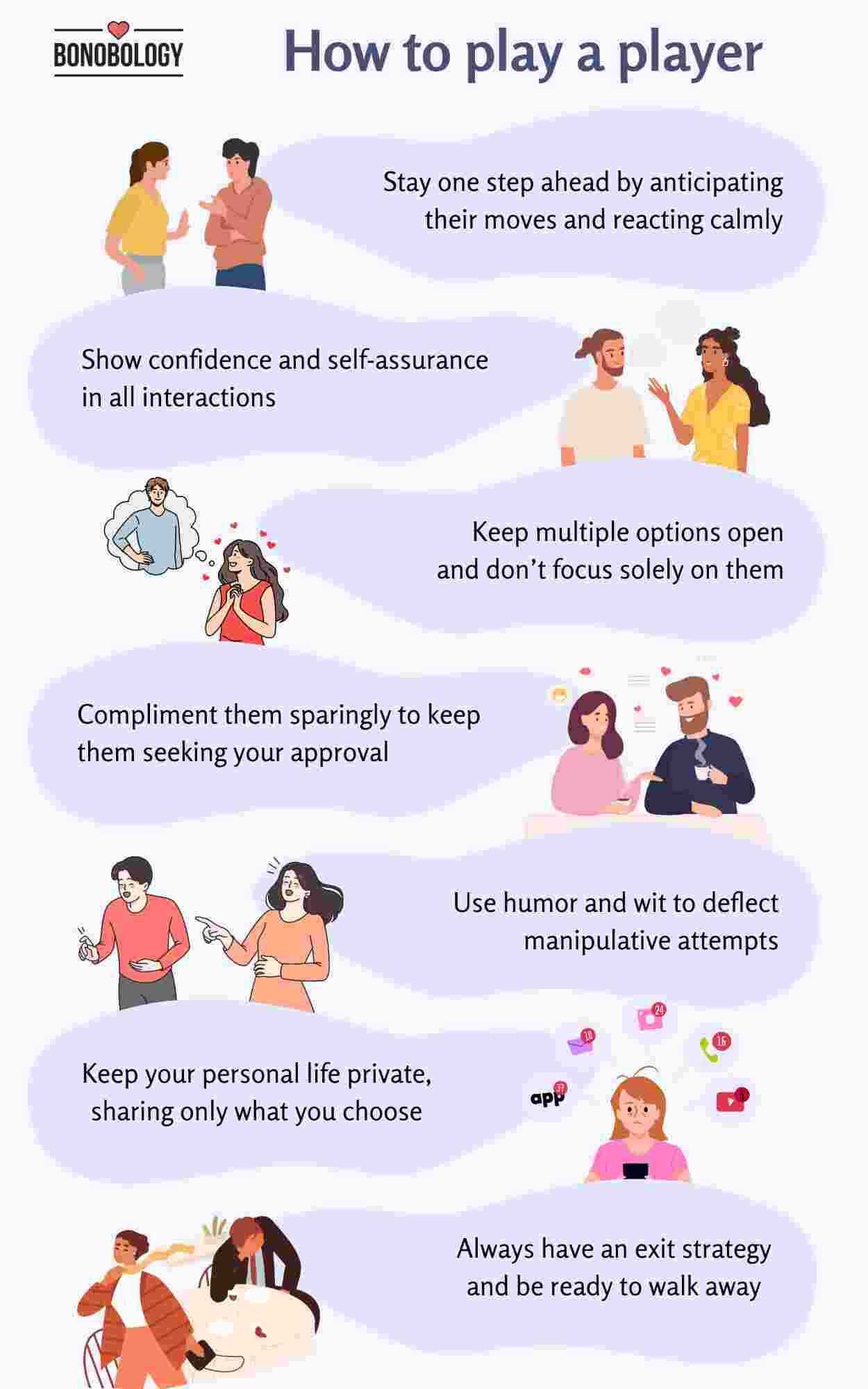
The most literal interpretation of a “player” in brand strategy comes from the rise of gamification. Brands are increasingly treating their customers like players in a game, using mechanics designed to increase engagement, retention, and lifetime value.
Psychological Triggers: Rewards, Status, and Belonging
Why do people stay in relationships? Often, it is because of the rewards—both tangible and intangible. Brands like Sephora or Starbucks have mastered the art of making the consumer feel like a high-level player in their ecosystem. Through tiered loyalty programs, consumers are motivated by status (Gold levels, VIP access) and rewards (free products, exclusive discounts). This strategic use of game theory ensures that the “player” remains engaged with the “game” (the brand) over a long period.
Ethical Branding: Avoiding the “Manipulative Player” Trap
There is a fine line between strategic gamification and manipulation. In dating, a “player” is someone who uses tactics to get what they want without regard for the other person. In branding, a manipulative player uses “dark patterns”—deceptive UX design or misleading marketing—to force a transaction. While this might yield short-term results, it destroys brand equity. An insightful brand strategy prioritizes transparency. True “players” in the brand world realize that long-term profitability is tied to an ethical relationship where the consumer feels valued, not used.
Strategic Positioning: How to Become a Key Player in Your Market
To be a “major player” in your industry means your brand occupies a specific, high-value space in the mind of the consumer. This is the essence of positioning. It is about defining the relationship terms before the competition does.
Consistent Messaging as a Foundation for Commitment
A relationship thrives on predictability and reliability. If a brand changes its “personality” every month, the consumer becomes confused and loses interest. Consistency in brand messaging across all touchpoints—social media, customer service, packaging—is how a brand proves it is a serious player. This consistency builds a narrative of commitment. It tells the consumer, “I am who I say I am, and I will deliver what I promised.”
Leveraging Data to Deepen the Bond
Data is the “conversation” of the digital brand relationship. A brand that uses data effectively is like a partner who remembers your birthday and your favorite coffee order. By analyzing consumer behavior, brands can offer hyper-personalized experiences. This is not just about selling; it is about showing the consumer that the brand “understands” them. When a brand uses data to solve a problem for the consumer before they even realize they have it, it solidifies its role as an indispensable player in the consumer’s life.
The Future of Brand Relationships: AI and Hyper-Personalization
As we look toward the future, the definition of a “player” is expanding to include non-human entities. Artificial Intelligence is becoming the ultimate “relationship manager” in brand strategy.
The Digital Proxy: AI as a Relationship Manager
AI tools and chatbots are now the first point of contact in many brand relationships. These “digital players” are designed to mimic human empathy and efficiency. For a brand, the challenge is ensuring that these AI interactions don’t feel cold or transactional. The goal of AI in brand strategy is to scale the relationship without losing the personal touch. When AI can predict a customer’s needs and provide instant solutions, it becomes a powerful player that enhances the overall brand-consumer bond.

The Evolution of Personal Branding
Finally, we must consider the “Personal Brand Player.” In the gig economy and the age of the “solopreneur,” individuals are brands. The relationship is no longer between a person and a corporation, but between a person and another person. This shifts the strategy toward authenticity and vulnerability. A personal brand player wins by being “real” rather than “perfect.” In this niche, the relationship is built on shared experiences and mutual growth, proving that whether corporate or personal, being a “player” in a relationship is ultimately about the quality of the connection you build.
In conclusion, a “player” in a brand relationship is any entity that actively participates in the value-exchange process. Whether through a corporate identity, a gamified loyalty program, or an AI-driven interaction, the most successful players are those who prioritize the health and longevity of the relationship over the quick win of a single transaction. In the world of brand strategy, the best players aren’t those who play the field, but those who play for keeps.
aViewFromTheCave is a participant in the Amazon Services LLC Associates Program, an affiliate advertising program designed to provide a means for sites to earn advertising fees by advertising and linking to Amazon.com. Amazon, the Amazon logo, AmazonSupply, and the AmazonSupply logo are trademarks of Amazon.com, Inc. or its affiliates. As an Amazon Associate we earn affiliate commissions from qualifying purchases.