
In the landscape of modern tactical equipment and personal protective hardware, the plate carrier stands as a pinnacle of engineering. Often conflated with the traditional “bulletproof vest,” a plate carrier is a sophisticated modular platform designed to hold rigid ballistic plates. It represents a significant evolution in materials science, ergonomics, and hardware integration. As global security requirements shift and materials technology advances, understanding the technical nuances of the plate carrier—from its textile composition to its ballistic stopping power—is essential for anyone analyzing the intersection of safety and technology.
The Evolution of Personal Protection: From Ballistic Vests to Modular Platforms
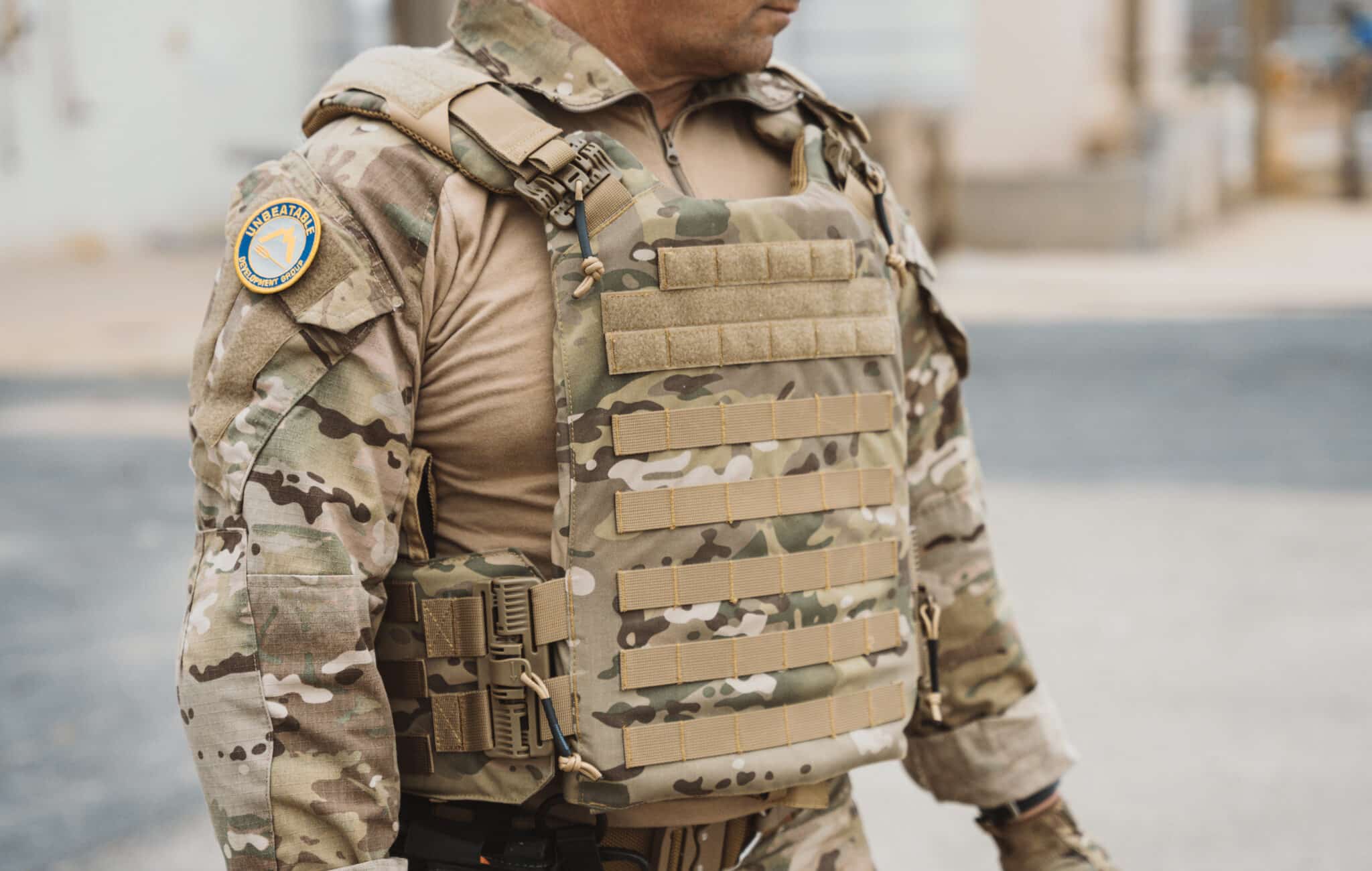
The history of modern personal armor is a trajectory of weight reduction and energy dissipation. Early body armor, often referred to as “soft armor,” consisted of multiple layers of woven fibers like Kevlar. While effective against handgun rounds, these vests were insufficient against high-velocity rifle fire. This limitation necessitated the development of the plate carrier: a specialized chassis designed to house Hard Armor Plates (HAPs).
The Shift to Modular Load-Bearing Tech
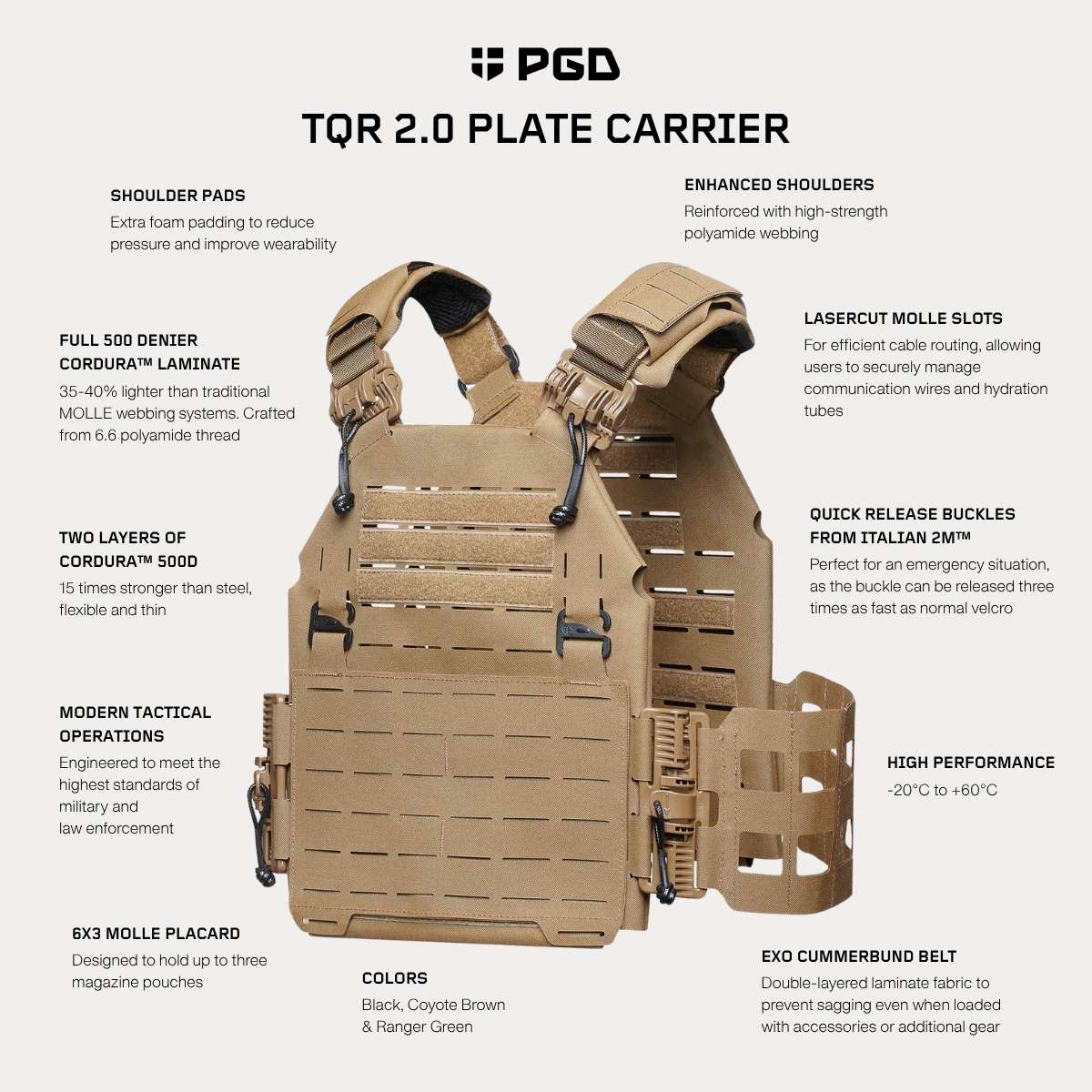
The modern plate carrier is defined by its modularity. Unlike fixed-design vests of the late 20th century, contemporary carriers utilize PALS (Pouch Attachment Ladder System) or “MOLLE” (Modular Lightweight Load-carrying Equipment) technology. This allows the user to customize the hardware interface, attaching tech pouches, communication hubs, or medical kits directly to the carrier’s exterior. The tech behind these attachment points has evolved from heavy nylon webbing to precision laser-cut laminates, reducing weight while maintaining structural integrity.
Materials Science: Beyond Standard Nylon
The “fabric” of a high-tech plate carrier is rarely simple nylon. Engineers now utilize 500D to 1000D Cordura, often treated with Near-Infrared (NIR) coatings to reduce the wearer’s signature under thermal imaging and night vision devices. Furthermore, the development of “Hypalon” and other synthetic rubbers has introduced waterproof, chemically resistant components that ensure the hardware does not gain weight when submerged or exposed to hazardous environments.
The Technical Architecture of Ballistic Plates
At the heart of the plate carrier system is the ballistic plate itself. This is where the most significant technological breakthroughs occur. A plate carrier is merely a textile delivery system; the plates are the sophisticated hardware responsible for kinetic energy absorption and fragmentation containment.
Ceramic Composite Technology
The gold standard in modern ballistic protection is the ceramic composite plate. These plates utilize materials such as Alumina ($Al2O3$), Silicon Carbide (SiC), or Boron Carbide ($B_4C$). When a high-velocity projectile impacts the ceramic face, the material is designed to shatter locally. This process consumes a massive amount of the bullet’s kinetic energy. The fragmented projectile is then caught by a “backing” layer made of Ultra-High Molecular Weight Polyethylene (UHMWPE) or aramid fibers. This multi-layered technical approach allows for the stopping of armor-piercing rounds that would easily penetrate steel.
UHMWPE: The Lightweight Revolution
Ultra-High Molecular Weight Polyethylene represents a leap forward in polymer science. By aligning long chains of polyethylene molecules, manufacturers create a material that is significantly stronger than steel on a pound-for-pound basis but light enough to float on water. In the context of plate carriers, UHMWPE plates utilize “laminar friction” to catch bullets, spinning them into the fibers and dispersing the energy across the entire surface area of the plate.
NIJ Standards and Testing Protocols
The efficacy of this technology is governed by the National Institute of Justice (NIJ) standards. For a plate carrier to be considered “tech-ready” for high-threat environments, its plates must meet Level III or Level IV ratings.
- Level III: Tested to stop 7.62mm NATO rounds.
- Level IV: The highest rating, designed to defeat .30 caliber armor-piercing (AP) bullets.
These ratings are not merely suggestions but are the result of rigorous laboratory testing involving velocity sensors, clay backing to measure “back-face deformation” (the kinetic energy transferred to the body), and environmental conditioning.
Ergonomics and Thermal Management Systems
A significant challenge in the engineering of plate carriers is the “human-hardware interface.” Because ballistic plates are rigid and non-breathable, they trap significant amounts of body heat. Modern tech solutions have been integrated to mitigate this physiological burden.
Active and Passive Cooling Tech
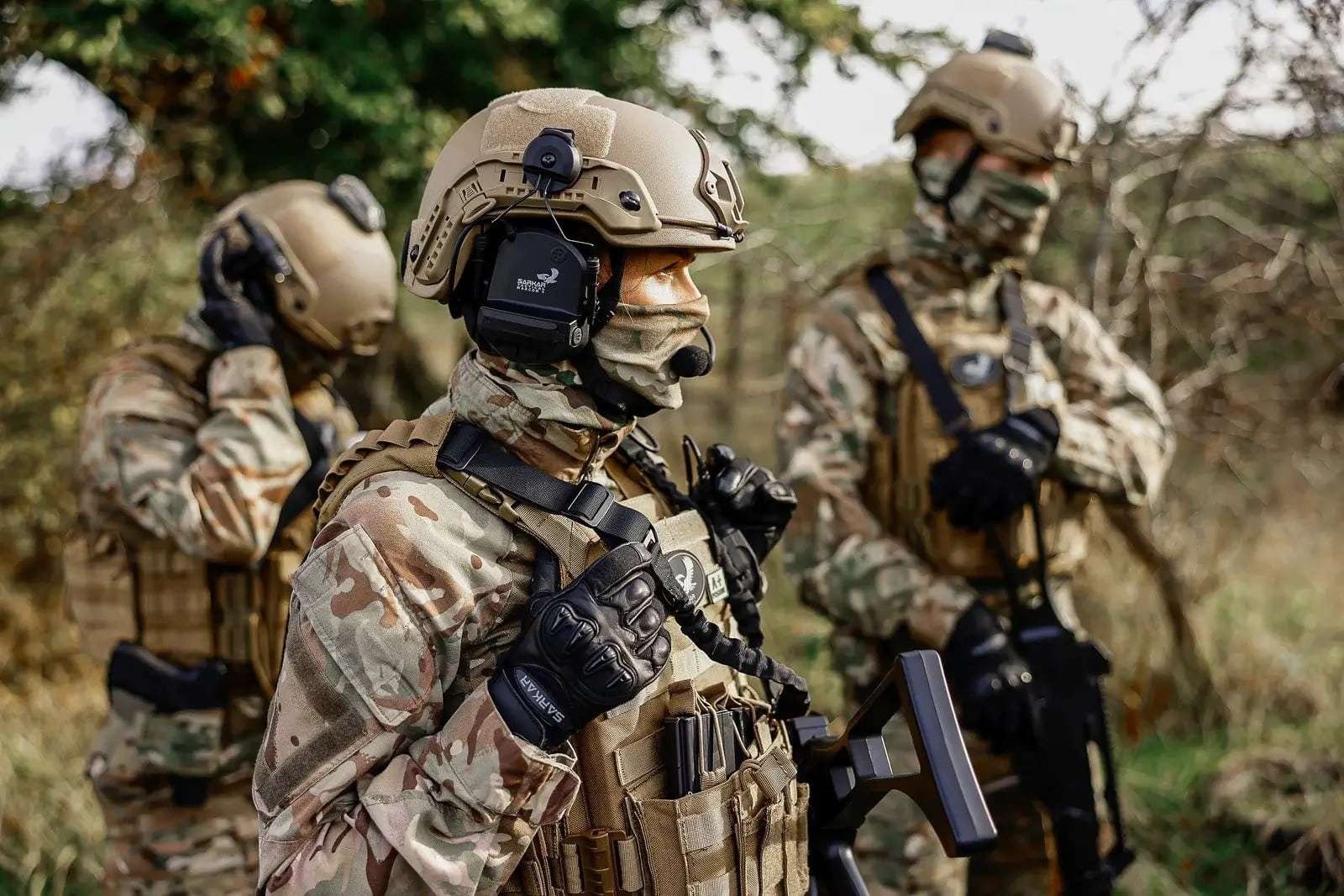
To prevent heat stroke and fatigue, high-end carriers now feature 3D spacer mesh or “pontoons.” These are engineered channels that create an air gap between the plate and the wearer’s torso. Some advanced prototypes even incorporate active cooling fans or phase-change materials (PCMs) that absorb heat as the wearer’s temperature rises, acting as a thermal battery for the human body.
Dynamic Weight Distribution
The physics of carrying 15–25 pounds of armor and gear requires advanced load-carriage technology. Modern carriers utilize “structural cummerbunds”—semi-rigid side supports reinforced with carbon fiber or thermoplastic composites (like Tegris). This technology shifts the weight of the plates from the shoulders to the hips, utilizing the body’s natural skeletal structure to increase endurance and mobility.
Quick-Release Systems
In emergency scenarios—such as medical trauma or water submersion—the ability to shed hardware instantly is critical. Engineers have developed “Quick Release” (QR) systems using stainless steel cables or magnetic buckles (like the Fidlock or ROC systems). These allow the entire plate carrier to be disassembled in less than two seconds with a single pull, demonstrating a sophisticated approach to safety-critical design.
The Integration of Smart Tech and Wearables
As we move further into the 21st century, the plate carrier is evolving from a passive shield into an active “smart” platform. The integration of electronics into the chassis is a burgeoning field of tactical technology.
E-Textiles and Power Management
Modern plate carriers are increasingly designed with internal cable routing and “smart textiles.” These features allow for the central management of power for radios, GPS units, and night vision devices. Instead of multiple batteries scattered across different devices, a “Central Power Hub” can be integrated into the plate carrier’s rear bag, distributing power through conductive fibers woven directly into the vest’s straps.
Biometric Monitoring
Future iterations of plate carrier technology are incorporating biometric sensors. These sensors, embedded in the lining of the carrier, can monitor a user’s heart rate, respiratory rate, and core temperature. This data can be transmitted to a central command hub, allowing for real-time health monitoring of personnel in high-stress environments. This transformation effectively turns the plate carrier into a wearable IoT (Internet of Things) device.
Augmented Reality (AR) HUD Integration
As heads-up displays (HUDs) become more common in specialized fields, the plate carrier serves as the “motherboard” for these systems. Computing units are housed within the MOLLE attachments, with high-speed data cables running through the shoulder pads to the helmet-mounted display. This integration allows for real-time mapping, blue-force tracking, and thermal data overlays to be processed and delivered directly to the user’s vision.
The Future of Defensive Hardware: Bio-Mimicry and Liquid Armor
The next frontier for plate carrier technology lies in materials that don’t yet exist in the mass market. Research into “liquid armor”—specifically Shear Thickening Fluids (STF)—promises a vest that is flexible like fabric during normal movement but turns rock-hard instantly upon impact.
Nanotechnology and Graphene
Graphene, a single layer of carbon atoms arranged in a hexagonal lattice, is being studied for its potential to replace traditional ceramic plates. Its extreme strength and incredible lightness could lead to plate carriers that are half the thickness and weight of current models while providing superior protection.
Sustainability in Tactical Manufacturing
As with all modern tech industries, there is a growing focus on the lifecycle of defensive hardware. Recycling high-performance polymers like Kevlar and PE is difficult, but new chemical recycling processes are being developed to ensure that retired plate carriers do not contribute to environmental degradation. This focus on “sustainable defense tech” is a key indicator of the industry’s maturity.
Conclusion: The Plate Carrier as a High-Tech Ecosystem
A plate carrier is far more than a simple garment; it is a complex piece of defensive technology that sits at the intersection of physics, chemistry, and digital engineering. From the ceramic science of the ballistic inserts to the ergonomic innovations of the chassis and the integration of smart-wearable systems, the plate carrier is a testament to human ingenuity in the face of necessity.
As threats evolve and technology advances, the plate carrier will continue to transform. It will become lighter, smarter, and more integrated into the digital battlefield. For professionals and tech enthusiasts alike, understanding the plate carrier is about recognizing the incredible engineering required to protect the most complex machine of all: the human body.
aViewFromTheCave is a participant in the Amazon Services LLC Associates Program, an affiliate advertising program designed to provide a means for sites to earn advertising fees by advertising and linking to Amazon.com. Amazon, the Amazon logo, AmazonSupply, and the AmazonSupply logo are trademarks of Amazon.com, Inc. or its affiliates. As an Amazon Associate we earn affiliate commissions from qualifying purchases.