
In the world of healthcare, few traditions carry as much weight, symbolism, and brand equity as the nursing pinning ceremony. While a graduation ceremony celebrates the completion of academic requirements, the pinning ceremony is a distinct “brand activation” for the nursing professional. It is a rite of passage that dates back centuries, serving as a symbolic transition from the theoretical world of the student to the clinical world of the practitioner. For the individual nurse, the pin is a badge of professional identity; for the educational institution, the ceremony is a critical component of its institutional brand strategy.
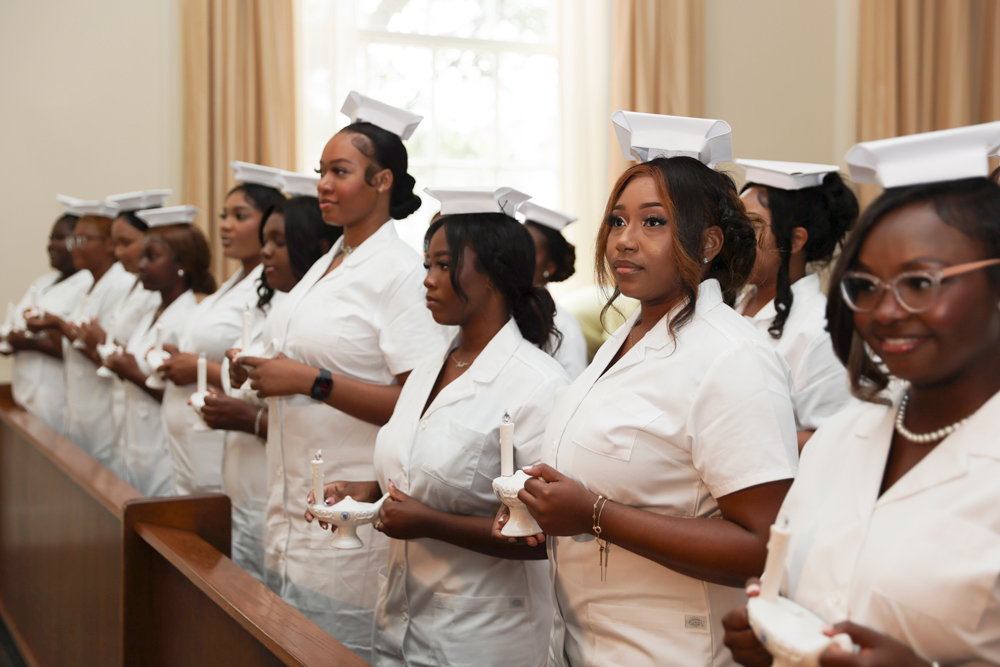
Understanding what a pinning ceremony is requires looking beyond the superficiality of the event and examining how it constructs the “Brand of the Nurse.” It is a moment where history, ethics, and professional standards converge to create a powerful narrative of trust and competence.
The Symbolism of the Pin: Crafting a Professional Visual Identity
In brand strategy, visual identity is paramount. A logo or a mark communicates values, history, and a promise of quality without saying a word. The nursing pin functions in much the same way. It is the visual shorthand for a nurse’s pedigree and their commitment to a specific set of professional standards.
Historical Roots: Florence Nightingale and the Original Brand Standard
The origins of the pinning ceremony are often traced back to the 1860s when Florence Nightingale was awarded the Red Cross of St. George for her tireless service during the Crimean War. Nightingale, a pioneer in what we might today call “healthcare brand management,” understood that the public needed a way to identify qualified, disciplined caregivers.
By presenting medals to her brightest students, she established the first “brand standard” for nursing excellence. This tradition evolved into the modern pinning ceremony, where the pin serves as a physical manifestation of the Nightingale pledge—a commitment to the highest level of patient care and ethical behavior. In the context of branding, this is the “Founder’s Story,” the essential narrative that gives the profession its soul.
The Pin as a Logo: Representing Institutional Credibility
Every nursing school has its own unique pin design. Much like a corporate logo, these pins are meticulously designed to incorporate symbols of the institution’s values. Often featuring the lamp (the symbol of Nightingale), a book (knowledge), or a cross (service), the pin connects the individual to the institution’s legacy.
When a nurse wears their pin on their lapel, they are carrying the “corporate identity” of their alma mater into the clinical environment. It tells employers and patients that this individual has been vetted by a specific institution and has met a rigorous standard of excellence. This helps build brand trust in the healthcare ecosystem, where credentials are the currency of professional survival.
The Ceremony as a Brand Activation: Transitioning from Student to Professional
In the corporate world, a brand activation is an event or interaction that builds awareness and lasting emotional connections. The pinning ceremony is perhaps the most significant brand activation in a nurse’s career. It is the moment the “Nursing Brand” is officially bestowed upon the individual.
Rituals and Reputation: Establishing the Trust Factor
The ceremony is steeped in ritual, which serves to reinforce the gravity of the profession. Unlike the broad celebration of a university-wide commencement, the pinning ceremony is intimate and focused. It usually involves a “pinning” by a faculty member or a loved one who is already a nurse, symbolizing a transfer of authority and the welcoming of the new member into a professional guild.
This ritual is crucial for reputation management. By participating in the ceremony, the new nurse publically accepts the responsibilities of the profession. It is a promise made to the community. In branding terms, this is the “Brand Promise”—the commitment to deliver a specific experience (care, safety, and expertise) to the “customer” (the patient).
Narrative Storytelling: Communicating Value to the Community
Every great brand has a narrative. During a pinning ceremony, speakers—often esteemed nursing leaders—recount the challenges of the journey and the nobility of the calling. This storytelling serves to humanize the clinical expertise of the graduates.
For the families and friends in attendance, the ceremony explains the “Value Proposition” of the nurse. It moves the perception of nursing away from a mere job toward a vocation defined by specialized knowledge and profound empathy. This narrative reinforcement is what differentiates a high-value professional brand from a commodity service.
Personal Branding for the Modern Nurse: Beyond the Uniform
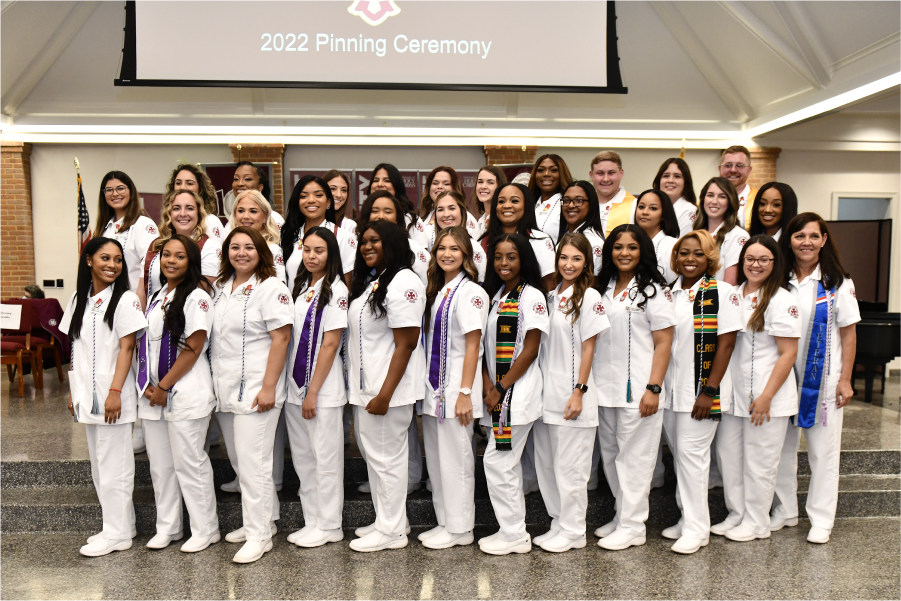
In today’s competitive healthcare market, personal branding is essential. Nurses are no longer seen as interchangeable cogs in a machine; they are specialized professionals with unique skill sets. The pinning ceremony marks the official launch of this personal brand.
The Pin as a Badge of Expertise and Specialization
As a nurse progresses in their career, their “brand portfolio” expands. They may add specialty certifications (like CCRN for critical care or RNC-OB for obstetrics), but the original pin remains the foundation of their professional identity. It represents the “Core Brand.”
For the modern nurse, the pinning ceremony is the first step in building a professional reputation that can lead to leadership roles, advanced practice, or healthcare consulting. It provides the initial “Social Proof” required to enter the workforce with confidence. By embracing the tradition of the pin, the nurse signals to colleagues that they value the heritage of their profession while looking forward to its future innovations.
Networking and the “Brand Community” of Healthcare
One of the most valuable aspects of branding is the creation of a community. The pinning ceremony introduces the graduate to a vast network of alumni and fellow professionals. This “Brand Community” is a powerful tool for career longevity.
Networking often begins at the reception following the ceremony. New nurses connect with mentors, potential employers, and peers who will support them through the stresses of their first year of practice. In the niche of professional branding, this is known as “Internal Branding”—ensuring that the people within the organization (or profession) are aligned with its values and feel a sense of belonging.
Institutional Brand Strategy: Why Schools Invest in the Ceremony
Educational institutions are brands that must compete for the best students and the highest rankings. The pinning ceremony is a strategic tool that helps a nursing school differentiate itself from competitors and solidify its position in the market.
Alumni Engagement and Long-Term Brand Loyalty
A well-executed pinning ceremony creates a lasting emotional bond between the graduate and the school. This emotional connection is the bedrock of brand loyalty. When a school honors its graduates through a dedicated ceremony, it increases the likelihood that those graduates will become active alumni, donors, and advocates for the program.
In the long term, these alumni become “Brand Ambassadors.” When they excel in their careers, they reflect the quality of their education back onto the school. Their pins, worn in hospitals across the country, serve as mobile advertisements for the nursing program’s effectiveness.
Marketing the Nursing Program Through Tradition
From a marketing perspective, the pinning ceremony provides high-quality content that can be used to promote the school. Photos and videos of the event—featuring the lighting of the lamps, the pinning itself, and the joyful faces of the graduates—are powerful testimonials of student success.
These visuals appeal to prospective students who are looking for more than just a degree; they are looking for a transformation. By highlighting the pinning ceremony in their marketing materials, schools demonstrate that they offer a deep, meaningful entry into the nursing profession. They aren’t just selling classes; they are selling a professional identity and a prestigious brand association.

Conclusion: The Lasting Impact of the Pin
The nursing pinning ceremony is far more than a sentimental tradition. It is a sophisticated branding exercise that serves multiple stakeholders. For the individual nurse, it establishes a professional identity rooted in a storied history. For the patient, it represents a visible symbol of trust and competence. For the educational institution, it is a key component of its reputation and alumni engagement strategy.
In an era where healthcare is becoming increasingly digitized and impersonal, the pinning ceremony anchors the profession in its core human values. It reminds the world that the “Nursing Brand” is built on a foundation of rigorous science and compassionate service. As each new class of nurses receives their pins, they are not just finishing a course of study; they are beginning their journey as the custodians of one of the most trusted brands in human history. By understanding the ceremony through the lens of brand strategy, we can appreciate the profound impact this tradition has on the past, present, and future of healthcare.
aViewFromTheCave is a participant in the Amazon Services LLC Associates Program, an affiliate advertising program designed to provide a means for sites to earn advertising fees by advertising and linking to Amazon.com. Amazon, the Amazon logo, AmazonSupply, and the AmazonSupply logo are trademarks of Amazon.com, Inc. or its affiliates. As an Amazon Associate we earn affiliate commissions from qualifying purchases.