
In the evolving landscape of housing and personal finance, many individuals and families are seeking alternatives to traditional stick-built homes. One increasingly popular option that warrants close financial scrutiny is the park model home. Often misunderstood or conflated with recreational vehicles (RVs) or manufactured homes, a park model home occupies a unique niche, primarily defined by its blend of compact living and semi-permanent placement, with significant implications for personal finance, investment strategies, and lifestyle budgeting.
A park model home is, at its core, a recreational vehicle that is built on a single chassis and is limited to a maximum of 400 square feet (37 square meters) of internal space in the U.S. (or 50 square meters in Canada). Despite its RV classification, it’s designed more for long-term, stationary placement in RV parks, campgrounds, or private land zoned for such dwellings, rather than frequent transit. Unlike a typical travel trailer or fifth-wheel, a park model home often features residential-style amenities, high ceilings, full-size appliances, and durable construction, blurring the lines between a mobile abode and a fixed residence. Understanding this fundamental definition is crucial for appreciating its distinct financial characteristics and how it fits into a broader financial strategy.

The Financial Lure of Compact Living
The primary appeal of park model homes, from a financial perspective, often revolves around their potential for affordability and a streamlined cost structure compared to conventional housing. This makes them a compelling consideration for those focused on managing their personal finance, seeking alternative investment opportunities, or exploring avenues for online income through rentals.
Redefining Affordability in Housing
One of the most significant financial advantages of park model homes is their lower entry price point compared to traditional houses. While the cost can vary widely based on size, features, and customization, a new park model home typically ranges from $30,000 to $100,000, and sometimes more for luxury models. This initial outlay is substantially less than the median price of a site-built home, which often runs into several hundreds of thousands of dollars. This lower barrier to entry directly impacts a buyer’s personal finance, potentially reducing the need for large down payments, significant loan amounts, and the associated interest burdens. For individuals or couples looking to escape the cycle of rising mortgage payments or high rental costs, a park model home can represent a viable path to homeownership or at least a significant reduction in housing expenses, freeing up capital for other investments or lifestyle choices.
Cost-Efficiency in Operation and Maintenance
Beyond the initial purchase, the ongoing operational costs of a park model home also present a compelling financial argument. Due to their smaller footprint, these homes generally require less energy for heating and cooling, leading to lower utility bills. Furthermore, their construction, often designed for durability in various climates, can contribute to reduced maintenance expenses over time, especially when compared to older, larger homes that demand constant upkeep. Property taxes, if applicable (as they are often taxed as RVs rather than real estate, depending on local regulations), are typically much lower. Insurance costs, too, tend to be less expensive, reflecting the generally lower asset value and different risk profiles compared to a traditional house. These cumulative savings on monthly and annual expenditures contribute significantly to a healthier personal finance outlook, enabling occupants to save more, invest more, or allocate funds to other areas of their financial plan.
Navigating the Financial Landscape of Ownership
While the initial cost savings are attractive, a comprehensive understanding of the financial landscape surrounding park model home ownership requires delving into purchasing, financing, and ongoing expenses. This holistic view is critical for sound financial planning and avoiding unforeseen costs.
Financing Your Park Model Home: RV Loans vs. Mortgages
The financing of a park model home is a distinct area that sets it apart from traditional real estate. Since most park model homes are classified as recreational vehicles, they typically do not qualify for conventional mortgages. Instead, buyers usually secure an RV loan, which comes with its own set of terms and conditions. RV loans generally have shorter repayment periods (often 10-20 years, compared to 30-year mortgages) and potentially higher interest rates, although rates can vary widely based on creditworthiness, loan amount, and market conditions. This difference in financing structure has significant implications for monthly payments and total interest paid over the life of the loan.
Understanding these financial tools is paramount. Prospective buyers must carefully assess their personal finance capabilities to manage the repayment schedule of an RV loan, which may result in higher monthly payments than a comparable mortgage if the loan term is significantly shorter. Additionally, the availability and terms of RV loans can be influenced by the park model home’s intended use—whether it’s for personal use or potentially for a side hustle like a rental business. Some specialized lenders do offer loans more akin to chattel mortgages for park models, recognizing their semi-permanent nature, but these are less common than standard RV financing.
Beyond the Purchase Price: Ongoing Expenses and Business Finance Considerations
The financial commitment to a park model home extends far beyond the initial purchase price. A crucial component of budgeting for park model living is understanding the ongoing expenses, particularly the lot rent. Since these homes are typically placed in RV parks or campgrounds, owners do not own the land beneath their homes. Instead, they pay monthly or annual lot rent, which can range from a few hundred to over a thousand dollars per month, depending on location, amenities, and seasonality. This rent often includes utilities like water, sewer, and sometimes trash removal, but electricity, propane, and internet are usually separate.
From a business finance perspective, if a park model home is acquired with the intent of generating online income or a side hustle through rentals, these ongoing expenses become part of the operational costs. Meticulous tracking of lot rent, utilities, insurance, cleaning fees, and potential repair costs is essential for calculating profitability and setting appropriate rental rates. Furthermore, understanding the nuances of insurance—which will typically be an RV policy rather than homeowner’s insurance—is vital for protecting the investment against damage, theft, and liability. Factoring in potential depreciation, especially if the park model is viewed as an asset, is also key for long-term financial planning.
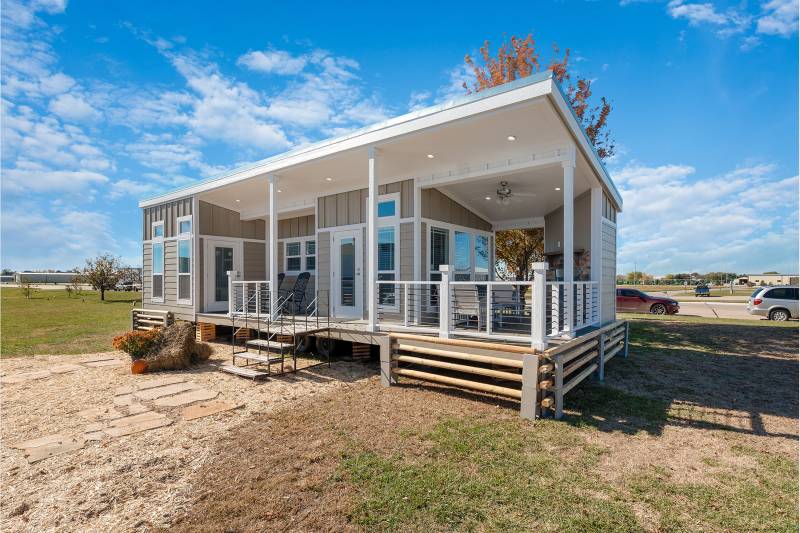
Park Model Homes as an Asset and Income Stream
The discussion around park model homes invariably touches upon their role as an investment and their potential to generate income, influencing personal finance decisions and business strategies.
Investment vs. Lifestyle Choice: Appreciation and Depreciation
When considering a park model home, it’s critical to distinguish between it as a lifestyle choice and a financial investment designed for appreciation. Unlike traditional real estate, which historically tends to appreciate over time, park model homes, being classified as RVs, often experience depreciation. The rate of depreciation can vary, but generally, like vehicles, they lose some value immediately after purchase and continue to depreciate over their lifespan. Factors such as condition, age, location, and market demand for park model living can influence resale value, but significant appreciation is generally not the expectation.
Therefore, for individuals focused on wealth accumulation through real estate, a park model home should primarily be viewed as a means to reduce living expenses or facilitate a desired lifestyle, rather than a primary investment vehicle for capital growth. However, this doesn’t diminish its financial utility. By providing affordable housing, it can free up capital that can then be strategically invested in other assets that do offer appreciation potential, thereby contributing indirectly to an overall positive personal finance trajectory. For example, the savings from lower housing costs could be directed into stocks, bonds, or other appreciating assets.
Unlocking Income Potential: A Side Hustle Opportunity
Despite their depreciation as an asset, park model homes can be powerful tools for generating online income or serving as a lucrative side hustle, particularly through short-term rentals. Many owners place their park models in desirable vacation destinations or scenic RV parks and rent them out on platforms like Airbnb, VRBO, or specialized RV rental sites. This strategy allows the owner to offset their own expenses (lot rent, loan payments, maintenance) and potentially generate a significant profit.
To succeed in this business finance endeavor, careful consideration of several factors is essential:
- Location: Proximity to attractions, natural beauty, or popular recreational areas dramatically increases rental appeal.
- Amenities: Offering desirable features like decks, fire pits, Wi-Fi, and well-equipped kitchens can command higher rental rates.
- Marketing and Management: Effective listing creation, dynamic pricing strategies, and efficient guest communication are crucial for maximizing occupancy and positive reviews.
- Regulatory Compliance: Understanding local zoning laws, park rules regarding rentals, and tax implications (e.g., occupancy taxes) is vital for sustainable operation.
For an entrepreneur or someone looking to diversify their income streams, a park model home can represent a tangible asset that, when managed effectively, can transform into a consistent revenue generator. It allows for a blend of personal use and income production, offering flexibility that many other traditional investment properties might not.
Strategic Financial Planning for Park Model Living
Integrating a park model home into a comprehensive financial plan requires foresight, disciplined budgeting, and an understanding of its unique position within the broader financial landscape.
Budgeting for Long-Term Financial Stability
Effective personal finance management is the cornerstone of successful park model home ownership. This means creating a detailed budget that accounts for all income and expenses, both fixed and variable. Beyond the loan payment and lot rent, budgeting must include utilities, insurance, routine maintenance, unexpected repairs, travel expenses (if it’s used as a vacation home), and potential upgrades. An emergency fund, typically 3-6 months of living expenses, is even more critical given the potential for unexpected RV-specific repairs or changes in park regulations or lot rent.
For those using a park model home as a primary residence, the budget must encompass all aspects of daily living. For those utilizing it as a secondary dwelling or an income property, a separate budget tracking income and expenses for that specific asset is necessary for accurate profitability assessment and tax planning. Financial tools and apps can be invaluable for monitoring cash flow, tracking expenses, and ensuring adherence to the budget, promoting long-term financial stability.
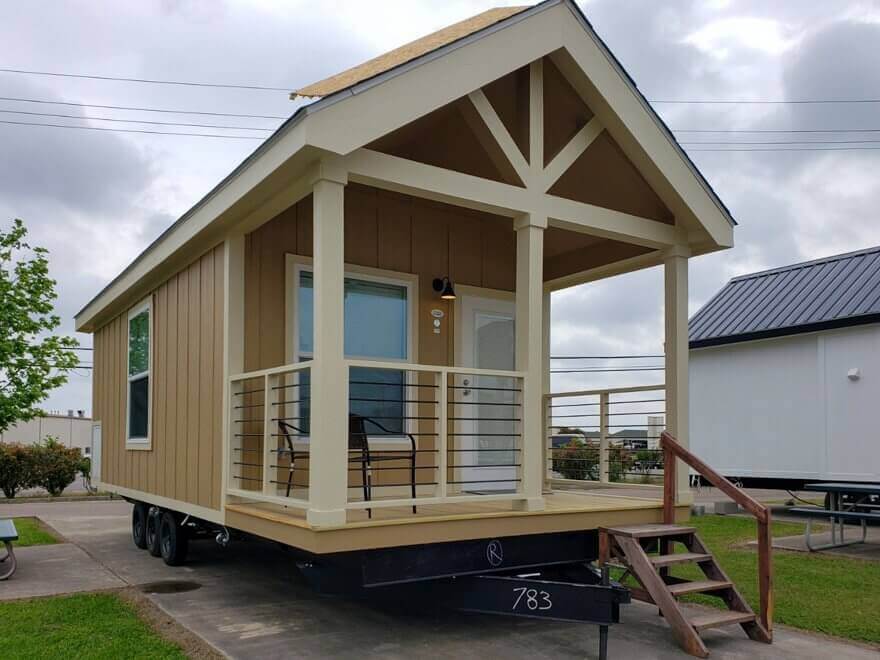
Insurance, Exit Strategies, and Resale Value
Proper insurance is a non-negotiable aspect of protecting your park model home investment. As mentioned, an RV policy is typically required, covering physical damage to the unit, personal liability, and sometimes coverage for contents. It’s crucial to shop around and compare policies to ensure adequate protection without overpaying, balancing cost with comprehensive coverage.
Planning an exit strategy is also a vital financial consideration. While park model homes generally depreciate, they do have a resale market. Understanding the factors that affect resale value—such as condition, location within a desirable park, recent upgrades, and overall market demand—can help owners position their units for the best possible return. Documenting all maintenance, repairs, and improvements can also aid in justifying the asking price.
Ultimately, a park model home offers a distinct financial proposition. It presents an opportunity for reduced housing costs, a simplified lifestyle, and a potential avenue for supplemental income through rentals. While it may not fit the traditional mold of an appreciating asset, its role in optimizing personal finance through expenditure reduction and alternative income generation makes it a compelling option for a diverse range of financially savvy individuals. By thoroughly understanding its financial intricacies, from purchase to long-term ownership and potential income generation, prospective owners can make informed decisions that align with their broader financial goals and lifestyle aspirations.
aViewFromTheCave is a participant in the Amazon Services LLC Associates Program, an affiliate advertising program designed to provide a means for sites to earn advertising fees by advertising and linking to Amazon.com. Amazon, the Amazon logo, AmazonSupply, and the AmazonSupply logo are trademarks of Amazon.com, Inc. or its affiliates. As an Amazon Associate we earn affiliate commissions from qualifying purchases.