
A lease agreement forms the financial bedrock of countless rental relationships, whether for residential property, commercial space, or even valuable equipment. It’s a legally binding contract that outlines the rights and responsibilities of both the lessor (landlord or owner) and the lessee (tenant or user). When either party fails to uphold their end of this agreement, it constitutes a lease violation. Understanding what these violations entail, and more critically, their profound financial and legal ramifications, is paramount for anyone involved in a lease agreement. This article delves into the intricacies of lease violations, emphasizing their monetary impact and the steps necessary to navigate or prevent them within the realm of personal and business finance.
The Core Concept of a Lease and Its Financial Implications
At its heart, a lease is a financial instrument – a structured agreement for the temporary use of an asset in exchange for periodic payments. Its proper management is a critical aspect of sound financial planning for both individuals and businesses.
Defining a Lease: More Than Just Rent
While often associated solely with rent payments, a lease agreement encompasses a much broader spectrum of financial and operational obligations. It’s a comprehensive document detailing everything from the duration of the agreement, the specific monthly payment amount, security deposits, and maintenance responsibilities, to clauses concerning property usage, modifications, and termination conditions. For a tenant, it represents a significant recurring expense within their personal budget or business operational costs. For a landlord, it’s a primary source of income and a framework for asset management. Any deviation from these stipulated terms can trigger a lease violation, impacting the financial stability and planning of both parties.
The Financial Contract: Obligations and Liabilities
Every clause within a lease agreement carries potential financial implications. The agreed-upon rent is an obvious financial obligation, but so too are clauses regarding utilities, property insurance, common area maintenance (CAM) fees in commercial leases, and even the cost of repairs for damages beyond normal wear and tear. A tenant’s liability extends to ensuring the property is maintained to a certain standard and that the financial commitments are met on time. Similarly, a landlord has financial obligations concerning the habitability or usability of the property, timely repairs for structural issues, and adherence to deposit return laws. Failure to meet these obligations creates financial liabilities, which can escalate rapidly from late fees to significant legal expenses and damages.
Why Lease Agreements Are Essential for Financial Protection
For tenants, a well-understood lease protects them from arbitrary rent increases, sudden evictions without cause, and unclear maintenance responsibilities that could lead to unexpected financial outlays. It locks in housing costs for a specified period, aiding in personal budgeting. For landlords, the lease safeguards their investment, ensures a predictable income stream, and provides a clear framework for addressing issues and recovering costs in case of damage or non-payment. Without a robust lease, both parties are exposed to significant financial risks, making the document itself a vital financial protection tool. It minimizes ambiguity, thereby reducing the likelihood of costly disputes down the line.
Common Types of Lease Violations and Their Monetary Impact
Lease violations come in various forms, each carrying distinct financial consequences for the tenant, and sometimes for the landlord as well. Understanding these common breaches is the first step toward avoiding or addressing them effectively.
Rent-Related Breaches: The Most Obvious Financial Offense
Non-payment or late payment of rent is, without a doubt, the most common and financially impactful lease violation. From a tenant’s perspective, this can lead to late fees, which accumulate quickly and add to the original debt. Continued non-payment initiates a more severe chain of events: eviction proceedings, which incur significant legal costs for the tenant, potential damage to their credit score, and a judgment for all outstanding rent plus legal expenses. For landlords, late or unpaid rent directly impacts their cash flow, potentially hindering their ability to pay mortgages, property taxes, insurance, and maintenance costs, thereby jeopardizing their own financial stability and investment returns.
Property Use Violations: Costly Damages and Repairs
Leases often specify how a property can and cannot be used. This might include restrictions on running a business from a residential unit, using a property for illegal activities, or exceeding occupancy limits. A tenant using a residential space for heavy industrial work, for instance, could cause significant wear and tear or structural damage not covered by standard usage. Similarly, excessive noise or disruption to neighbors can lead to fines from the landlord or even local authorities. The financial impact manifests in the form of repair costs for damages, fines, legal fees if the landlord needs to enforce the terms, and potential eviction, leaving the tenant liable for remaining lease payments.
Subletting and Occupancy Breaches: Unapproved Financial Arrangements
Many leases prohibit or strictly regulate subletting – allowing another individual to take over part or all of the rental agreement. Doing so without the landlord’s explicit permission is a common violation. Similarly, exceeding the maximum number of occupants stated in the lease can also be a breach, often tied to local housing codes and property insurance policies. Financially, unauthorized subletting can lead to the tenant being held entirely responsible for any damages caused by the subtenant, potentially forfeiting their security deposit, and facing eviction. The landlord, in turn, risks losing control over their property, potential insurance voidance, and incurring costs to rectify unauthorized occupants or damage.
Pet Policy Violations: Unexpected Fines and Expenses
While seemingly minor, violating a no-pet policy or failing to adhere to specified pet rules (e.g., breed restrictions, number of pets) can have significant financial repercussions. Landlords implement these policies to protect their property from potential damage (scratches, stains, odors) and to mitigate liability risks. A tenant caught with an unauthorized pet might face hefty fines, a demand to remove the pet, or even eviction. If the pet causes damage, the tenant will be responsible for all repair costs, often exceeding the security deposit. Even authorized pets can incur additional pet fees or deposits, which, if unpaid, become a financial violation.
Maintenance and Cleanliness Neglect: Future Financial Burdens
Leases typically outline the tenant’s responsibility to maintain the cleanliness and general upkeep of the property, beyond what the landlord provides. This includes disposing of trash properly, preventing pest infestations, and reporting necessary repairs promptly. Neglecting these duties can lead to extensive damage or deterioration that goes beyond normal wear and tear. Examples include clogged drains due to misuse, pest extermination costs, or damage from unaddressed leaks that the tenant failed to report. The financial burden falls squarely on the tenant for the cost of repairs, cleaning services, and potentially forfeiting their security deposit. For the landlord, it means unexpected expenses and lost income during repair periods.
The Financial Escalation of a Lease Violation
A lease violation rarely results in immediate eviction. Instead, there’s typically a clear financial and legal progression that can significantly impact a tenant’s financial well-being and a landlord’s investment.
Initial Consequences: Late Fees and Warning Letters

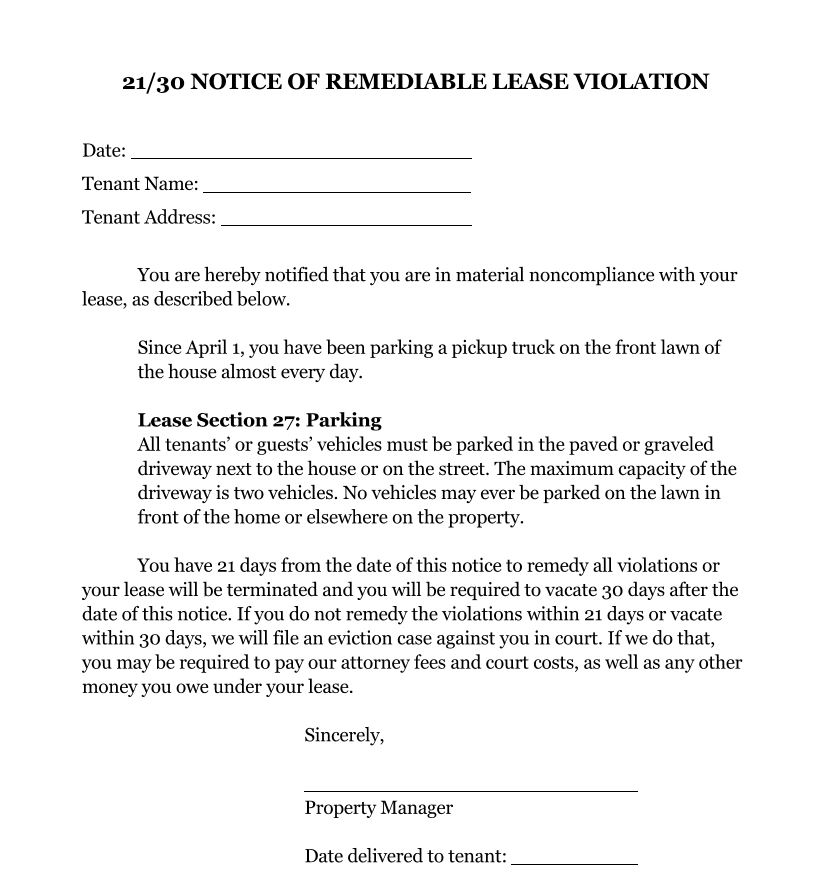
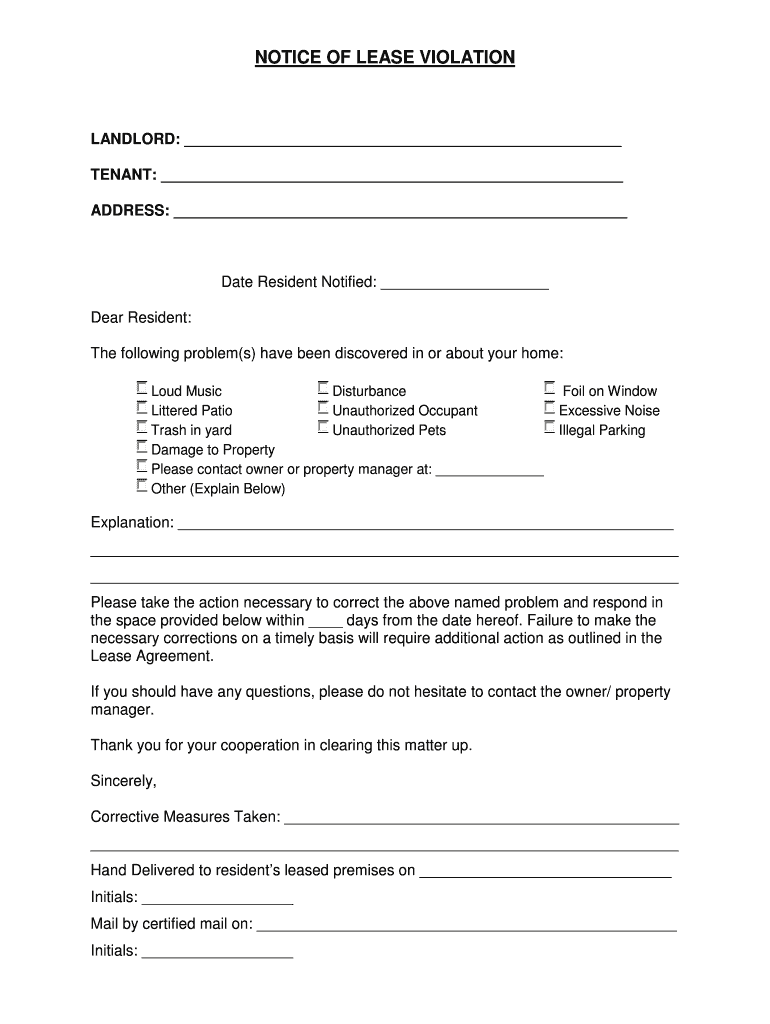
The initial stages of a lease violation usually involve financial penalties and formal communication. For rent-related issues, this means late fees as stipulated in the lease, which quickly add up. For other violations, a landlord might issue a warning letter, often referred to as a “Notice to Cure” or “Notice to Perform Covenant or Quit,” outlining the breach and providing a timeframe for the tenant to rectify the issue. This notice often states the financial consequences of non-compliance, such as additional fees or the impending initiation of legal proceedings. Ignoring these initial communications only sets the stage for more severe financial fallout.
Legal Action: Eviction Proceedings and Court Costs
If a tenant fails to cure the violation within the specified period, the landlord can initiate formal legal proceedings, most commonly an eviction lawsuit (Unlawful Detainer action). This stage dramatically escalates the financial stakes. For the tenant, this means incurring court filing fees, potentially attorney fees, and the cost of time off work to attend hearings. If the landlord wins, the tenant will likely be ordered to pay not only the outstanding rent or damages but also the landlord’s legal costs, which can be substantial. For the landlord, while the goal is to regain possession of their property and recover losses, the process itself is costly, involving filing fees, service of process fees, and potentially attorney fees, all of which represent an immediate drain on their finances.
Financial Liabilities Post-Eviction: Unpaid Rent and Damages
An eviction order doesn’t absolve the tenant of their financial responsibilities. They remain liable for any unpaid rent up to the point of eviction, damages to the property, and potentially for the remaining rent on the lease term until the landlord can re-rent the property, minus any new rental income received (mitigation of damages). Landlords will often pursue a monetary judgment against the evicted tenant to recover these costs. This judgment is a legally enforceable debt that can be collected through wage garnishment, bank account levies, or liens on other assets, presenting a severe and long-term financial burden for the former tenant.
Credit Score Impact: Long-Term Financial Repercussions
One of the most insidious financial consequences of a lease violation, particularly an eviction or monetary judgment, is the impact on a tenant’s credit score. Unpaid rent and eviction judgments are often reported to credit bureaus, significantly lowering the tenant’s credit score. A poor credit score can make it exceedingly difficult to secure future housing, obtain loans, qualify for credit cards, or even sometimes secure employment, all of which have profound long-term financial repercussions, increasing borrowing costs and limiting financial opportunities. Landlords, conversely, might also see a temporary financial dip from the vacancy and legal costs, but their creditworthiness is generally not impacted in the same adverse way.
Mitigating and Resolving Lease Violations: A Financial Perspective
Proactive communication and a clear understanding of financial commitments are key to either preventing or effectively resolving lease violations, minimizing their monetary toll.
Proactive Communication: Avoiding Escalation and Costs
Open and honest communication is often the most cost-effective strategy. If a tenant anticipates difficulty paying rent or foresees a potential breach, reaching out to the landlord before the due date or violation occurs can often lead to mutually agreeable solutions. A landlord might be willing to offer a payment plan, a temporary reduction in rent, or an amendment to the lease to avoid the costly and time-consuming eviction process. Similarly, if a landlord identifies a minor breach, a polite conversation can often resolve the issue without needing to resort to formal notices and the associated administrative costs. The financial advantage of communication lies in avoiding legal fees, late penalties, and lost rental income.
Understanding Your Lease: A Financial Due Diligence
Both tenants and landlords must conduct thorough financial due diligence by meticulously reading and understanding every clause of the lease agreement before signing. Tenants should comprehend all financial obligations, including base rent, utility responsibilities, potential late fees, and maintenance expectations. Landlords must ensure their lease clearly outlines payment terms, violation clauses, and their rights and responsibilities. This upfront investment of time prevents costly misunderstandings down the line and empowers both parties to recognize a potential violation early, allowing for timely intervention before financial damage becomes significant.
Negotiating Solutions: Finding Mutually Beneficial Financial Outcomes
When a violation occurs, negotiation can be a powerful tool for financial mitigation. Instead of immediately defaulting to legal action, both parties can explore compromises. A tenant might offer to pay a portion of outstanding rent now and the remainder on a specific schedule. A landlord might waive a portion of late fees if the tenant rectifies a maintenance issue immediately. These negotiated solutions save both parties the substantial costs associated with court proceedings, lost time, and the emotional stress of conflict. The financial benefit lies in achieving an outcome that, while not ideal, is less financially draining than full-blown legal battles.
Seeking Professional Help: Legal and Financial Advisors
In complex situations or when significant financial sums are at stake, consulting a legal or financial professional is a wise investment. An attorney specializing in landlord-tenant law can provide invaluable advice on legal rights, obligations, and the best course of action to protect financial interests. Financial advisors can help tenants budget for overdue payments or assist landlords in assessing the financial viability of different resolution strategies. While professional advice comes with its own cost, it can prevent much larger financial losses stemming from poor decisions or protracted disputes.
Preventing Lease Violations: Smart Financial Habits for Tenants and Landlords
Preventing lease violations is ultimately a matter of practicing smart financial habits, clear communication, and diligent management for both parties.
For Tenants: Budgeting, Responsibility, and Communication
Tenants can prevent most lease violations through careful financial planning. This includes creating a robust budget that comfortably accommodates rent, utilities, and other lease-related expenses, ensuring sufficient funds are always available. Taking personal responsibility for property upkeep and adhering strictly to lease terms regarding pets, noise, and occupancy are also critical. Most importantly, establishing an open line of communication with the landlord and proactively addressing any financial difficulties or potential issues before they become violations can save significant money and stress. A healthy emergency fund can also be a financial lifeline during unforeseen circumstances that might otherwise lead to a lease breach.
For Landlords: Clear Agreements, Fair Practices, and Timely Enforcement
Landlords play a crucial role in preventing violations by drafting clear, comprehensive, and legally compliant lease agreements. This clarity minimizes ambiguity and misunderstandings, which are frequent precursors to disputes. Implementing fair and consistent enforcement practices ensures all tenants are treated equally, fostering a respectful and law-abiding rental environment. Promptly addressing legitimate tenant concerns about maintenance or property issues can prevent tenants from taking matters into their own hands in ways that violate the lease. Regular property inspections (with proper notice) can also identify minor issues before they escalate into major financial liabilities or breaches of the lease.
The Role of Financial Planning in Lease Management
For both parties, the lease agreement is an integral component of their overall financial planning. For a tenant, it represents a significant recurring expense that must be budgeted for diligently, often alongside savings goals and debt repayment. For a landlord, it’s a key asset generating income, requiring careful management of cash flow, maintenance reserves, and potential legal expenses. Integrating lease management into broader financial strategies ensures that obligations are met, rights are protected, and potential violations are identified and addressed proactively, ultimately safeguarding financial health.
Understanding “what is a lease violation” extends far beyond mere contractual terms; it delves deep into the financial integrity of a rental relationship. From the immediate impact of late fees and property damage to the long-term repercussions on credit scores and legal judgments, every breach carries a monetary cost. By fostering clear communication, meticulous record-keeping, comprehensive understanding of lease terms, and prudent financial planning, both tenants and landlords can mitigate risks, prevent costly disputes, and ensure a stable, mutually beneficial leasing experience.
aViewFromTheCave is a participant in the Amazon Services LLC Associates Program, an affiliate advertising program designed to provide a means for sites to earn advertising fees by advertising and linking to Amazon.com. Amazon, the Amazon logo, AmazonSupply, and the AmazonSupply logo are trademarks of Amazon.com, Inc. or its affiliates. As an Amazon Associate we earn affiliate commissions from qualifying purchases.