
A jet boat represents a fascinating intersection of marine engineering and high-performance technology, distinguishing itself from traditional propeller-driven vessels through its innovative propulsion system. At its core, a jet boat is a type of watercraft that uses a jet of water, expelled from the stern, to generate thrust, rather than an external propeller or stern drive. This fundamental difference gives rise to a host of unique characteristics, benefits, and applications, positioning jet boats as a distinct and often preferred option for specific recreational and professional marine activities. Understanding what a jet boat is requires a deep dive into the technology that powers it, the design principles that shape it, and the operational nuances that set it apart.

The Core Technology: How Jet Propulsion Works
The defining feature of a jet boat is its sophisticated jet propulsion system, a marvel of fluid dynamics and mechanical engineering. Unlike conventional boats that push water with a spinning blade outside the hull, jet boats draw water into an internal pump, accelerate it, and then forcibly expel it through a nozzle. This process, governed by Newton’s Third Law of Motion (for every action, there is an equal and opposite reaction), creates the necessary thrust to propel the boat forward.
The Impeller and Stator System
At the heart of the jet propulsion unit is the impeller. This rotating component, akin to a propeller but enclosed within a housing, is responsible for sucking water into the system and imparting velocity to it. Impellers are typically made from durable materials like stainless steel or bronze and are precisely designed with a specific number of blades and pitch to optimize water flow and maximize efficiency for the engine’s power output. As the impeller spins at high RPMs, driven by an engine (usually gasoline, but increasingly electric or diesel), it creates a low-pressure area at the intake, drawing water in, and then forces that water rearward through the system.
Following the impeller is the stator. The stator is a set of fixed vanes positioned downstream from the impeller. Its crucial role is to straighten the turbulent, swirling water flow that exits the impeller. By converting this rotational energy into axial (linear) energy, the stator increases the efficiency of the thrust generation, ensuring that the water is expelled in a coherent, powerful jet. This design maximizes the forward push, making the propulsion system more effective than if the impeller’s output were left uncorrected.
Water Intake and Exhaust
The journey of water through a jet boat’s propulsion system begins at the intake grate, located on the underside of the hull. This grate serves a dual purpose: to allow water to enter the system freely while simultaneously preventing large debris, such as weeds, plastic bags, or rocks, from being ingested and potentially damaging the impeller or other internal components. The design of the intake grate is critical; it must be hydrodynamic enough to minimize drag yet robust enough to protect the internal machinery.
Once the water has been accelerated by the impeller and straightened by the stator, it is forcefully ejected through a narrow nozzle at the stern of the boat. The diameter of this exhaust nozzle plays a significant role in the performance characteristics of the jet boat. A smaller nozzle typically results in a higher velocity water jet and potentially higher top speeds, while a larger nozzle might offer more low-end thrust for quicker acceleration or pulling water skiers. The efficiency of the water intake and exhaust system is a testament to sophisticated fluid dynamics engineering, balancing volume, velocity, and pressure to achieve optimal propulsion.
Nozzles and Steering Mechanisms
The direction of the expelled water jet is fundamental not only for forward propulsion but also for steering and reverse motion. Unlike traditional boats that steer by angling an external rudder or the entire stern drive unit, jet boats manipulate the direction of the water thrust itself. This is achieved through a steerable nozzle, often referred to as a “thrust deflector” or “bucket.”
For steering, the nozzle pivots from side to side, directing the thrust vector. If the nozzle swivels to the left, the expelled water pushes the stern to the right, causing the bow of the boat to turn left. This direct manipulation of thrust provides exceptionally agile and responsive steering, a hallmark of jet boat handling. For reverse, a clever mechanism drops a “reverse bucket” over or behind the main exhaust nozzle. This bucket redirects the expelled water flow forward and downward, effectively creating reverse thrust without the need for gears or shifting. This method allows for rapid deceleration and precise maneuvering in tight spaces, offering a significant technological advantage in handling and safety.
Distinctive Features and Design Innovations
Beyond the propulsion system, jet boats incorporate several unique design and structural features that differentiate them from their propeller-driven counterparts. These innovations are often direct consequences of the internal jet drive and contribute significantly to the jet boat’s characteristic performance, safety, and versatility.
Absence of an External Propeller
Perhaps the most immediately recognizable feature of a jet boat, from a safety and operational perspective, is the complete absence of an exposed propeller. This design choice eliminates the risk of human injury from spinning blades, a common concern with traditional stern drive or outboard boats, making them particularly appealing for families and those engaging in watersports like wakeboarding, waterskiing, or tubing. Furthermore, the lack of an external propeller means there’s no risk of striking it on submerged objects, reducing potential damage to the boat and protecting marine life. This technological advantage significantly enhances safety and durability in varying aquatic environments.
Shallow Draft Capabilities
With no propeller or rudder extending below the hull, jet boats possess an inherently shallow draft. This design allows them to operate safely and effectively in very shallow waters where propeller boats would risk grounding or damaging their lower units. Whether navigating narrow rivers, exploring secluded coves, or approaching sandy beaches, the shallow draft of a jet boat provides unparalleled access to areas that are otherwise inaccessible to most other powerboats. This capability significantly expands the range of recreational activities and environmental exploration possible with a jet boat.
High Maneuverability and Performance
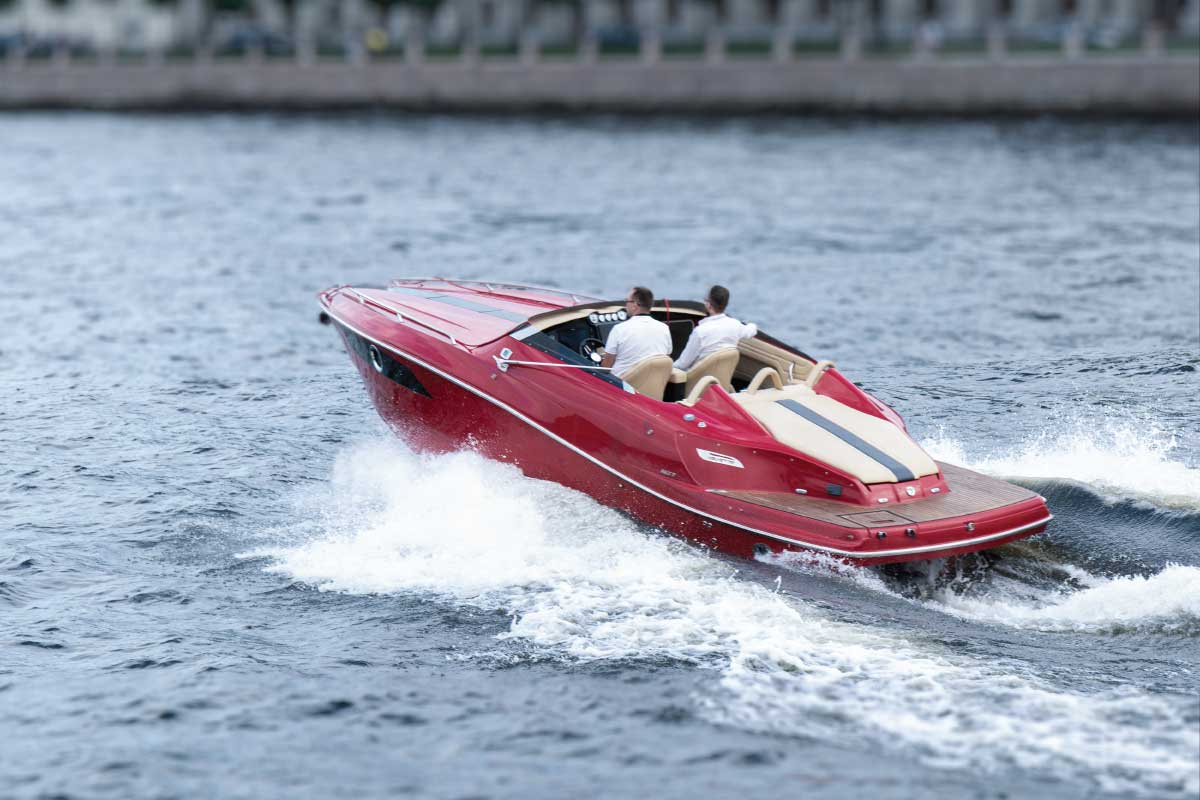
The direct thrust steering system grants jet boats exceptional maneuverability. They can turn incredibly sharply, often described as “carving” through the water, allowing for quick changes in direction and agile navigation. This responsiveness is a direct result of vectoring the propulsive force itself rather than relying on a separate rudder. Coupled with their often powerful engines, jet boats are known for their rapid acceleration and high top speeds. Their ability to plane quickly and maintain speed through choppy waters, thanks to optimized hull designs that complement the jet drive, makes them thrilling performance vessels. This blend of agility and speed is a key technological draw for enthusiasts.
Compact Engine Compartment Design
The internal nature of the jet drive often allows for a more compact engine compartment design compared to boats with large outboards or bulky stern drives that require more space at the transom. While jet boat engines can still be substantial, the integrated propulsion system can sometimes lead to more efficient use of interior space, particularly in smaller boats. This can translate into larger swim platforms, more comfortable seating arrangements, or greater storage capacity, enhancing the overall user experience by maximizing usable space within the hull.
Advantages and Disadvantages from a Technological Standpoint
Like any sophisticated technology, jet boats offer a unique set of advantages and disadvantages stemming directly from their design and operational principles. A balanced technological assessment is crucial for potential owners and marine enthusiasts alike.
Safety and Shallow Water Access
The most celebrated technological advantage of jet boats is their enhanced safety, primarily due to the enclosed propulsion system. The absence of an external propeller dramatically reduces the risk of injury to swimmers, waterskiers, or marine animals. This inherent safety feature is a significant draw for families and commercial operators alike. Furthermore, as previously discussed, the shallow draft capability allows unparalleled access to shallow waters, opening up new navigational possibilities and reducing the risk of bottom damage in unfamiliar or restricted areas. These two aspects alone represent powerful arguments for the technological superiority of jet boats in certain use cases.
Maintenance Considerations for the Jet Drive System
While robust, the internal jet drive system does present specific maintenance considerations. The intake grate, though designed to exclude debris, can sometimes become clogged with weeds or fishing lines, requiring manual clearing. The impeller, while protected, can still incur wear or damage from ingesting smaller foreign objects or abrasive sediments, potentially leading to reduced performance and necessitating professional repair or replacement. Servicing internal components can also be more involved than accessing an external propeller. However, advances in design have made many modern jet drive systems relatively accessible for routine checks and service, mitigating some of these concerns. Regular flushing of the system to prevent saltwater corrosion and sediment buildup is also a critical maintenance practice.
Fuel Efficiency and Power Output
The efficiency of jet propulsion systems has been a long-standing point of discussion. Historically, jet drives were considered less fuel-efficient than propeller-driven boats, particularly at lower speeds, due to inherent energy losses within the system (e.g., friction, turbulence). However, significant technological advancements in impeller design, stator geometry, and engine management systems have substantially improved the efficiency of modern jet boats. Many contemporary models now offer competitive fuel economy, especially at cruising speeds. In terms of power output, jet boats are capable of delivering impressive acceleration and top-end speed, making them competitive with, and often surpassing, propeller boats of similar engine horsepower in terms of sheer thrust and exhilarating performance. The challenge lies in optimizing the system across the entire RPM range for varying load conditions.
Evolution and Modern Applications of Jet Boat Technology
The jet boat has come a long way since its inception, continually evolving through technological advancements in materials, engine design, and control systems. Its journey reflects a commitment to enhancing performance, safety, and user experience.
From Early Concepts to Recreational Powerhouses
The concept of jet propulsion for boats dates back to the early 20th century, but it was New Zealander Sir William Hamilton in the 1950s who truly commercialized and refined the modern jet boat, primarily for navigating the shallow, braided rivers of his home country. Early models were robust and functional, designed for utility rather than luxury. Over the decades, however, continuous innovation transformed jet boats into sophisticated recreational powerhouses. Engine technology evolved from simple carbureted units to advanced fuel-injected, multi-cylinder powerplants, offering more power, better efficiency, and greater reliability. The transition from basic mechanical controls to more advanced electronic systems marked a significant leap, enhancing precision and ease of operation.
Advanced Control Systems and Digital Integration
Modern jet boats are increasingly incorporating advanced control systems and digital integration. Electronic throttle and shift controls provide smoother, more precise handling. Many models now feature “docking modes” or “slow speed maneuverability systems” that use vectoring nozzles or supplementary thrust to make docking and low-speed navigation remarkably easy, even for novice boaters. Digital dashboards display a wealth of information, from engine diagnostics and fuel consumption to GPS navigation and entertainment controls, all integrated into intuitive interfaces. “Fly-by-wire” steering systems, digital instrument clusters, and integration with smart devices are becoming standard, reflecting the broader trend of digitalization in marine technology. These advancements not only improve the driving experience but also enhance safety and operational awareness.
Innovations in Hull Design and Materials
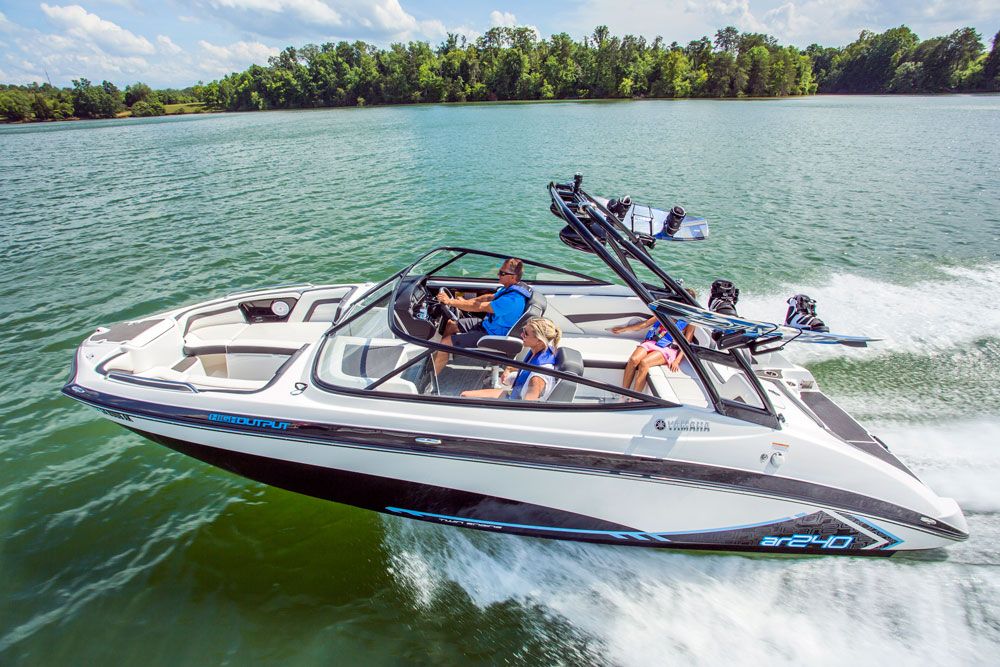
Parallel to advancements in propulsion and control, hull design and material science have also played a crucial role in the evolution of jet boats. Modern hulls are meticulously engineered to optimize hydrodynamics for jet propulsion, balancing stability, speed, and ride comfort. Materials like fiberglass, advanced composites, and lightweight aluminum alloys are extensively used, offering superior strength-to-weight ratios, enhanced durability, and improved fuel efficiency. Designers also focus on features like integrated swim platforms, reboarding ladders, and improved seating ergonomics, transforming jet boats from purely functional vessels into comfortable, feature-rich recreational platforms. The continuous pursuit of lighter, stronger, and more efficient materials allows for more dynamic designs and superior performance characteristics, pushing the boundaries of what a jet boat can achieve.
In conclusion, a jet boat is a technologically distinct watercraft defined by its internal jet propulsion system. Its absence of an external propeller, shallow draft capability, exceptional maneuverability, and ongoing technological evolution underscore its unique position in the marine industry. While presenting specific maintenance and efficiency considerations, modern advancements have largely mitigated these, establishing jet boats as safe, versatile, and high-performance vessels ideal for a wide array of recreational and utility applications, truly embodying the spirit of marine technological innovation.
aViewFromTheCave is a participant in the Amazon Services LLC Associates Program, an affiliate advertising program designed to provide a means for sites to earn advertising fees by advertising and linking to Amazon.com. Amazon, the Amazon logo, AmazonSupply, and the AmazonSupply logo are trademarks of Amazon.com, Inc. or its affiliates. As an Amazon Associate we earn affiliate commissions from qualifying purchases.