
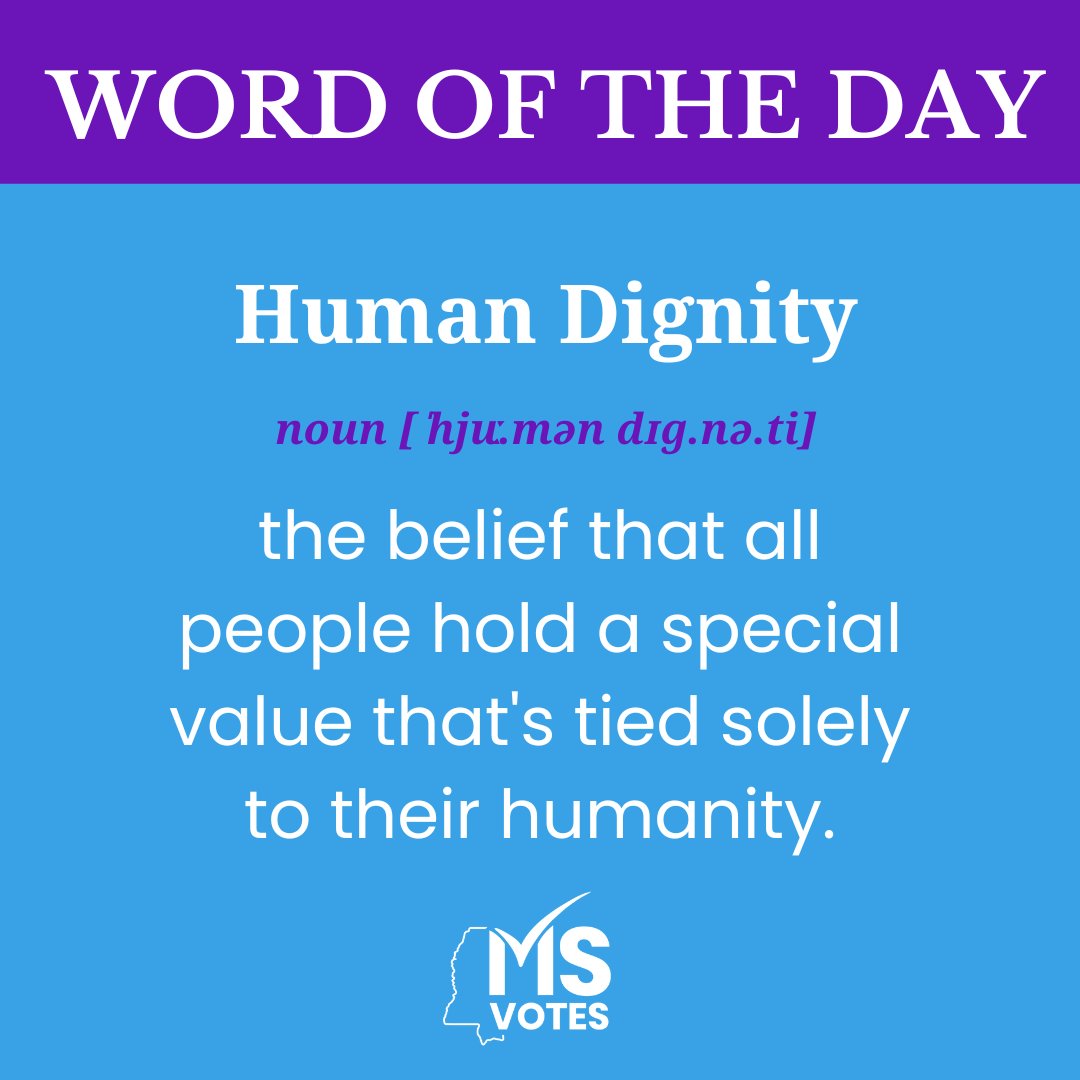
Human dignity is a concept often discussed in philosophical, ethical, and legal contexts, representing the inherent worth and respect every individual possesses simply by being human. It speaks to fundamental rights, autonomy, and the capacity for self-determination. While these discussions typically orbit around individuals and societal structures, the modern landscape increasingly demands that we examine “what is human dignity” through the lens of corporate identity, brand strategy, and the very fabric of how businesses operate and present themselves to the world. In an era where consumers, employees, and stakeholders expect more than just products or services, a brand’s commitment to upholding human dignity is no longer an abstract ideal but a strategic imperative. It defines a brand’s character, influences its reputation, and fundamentally shapes its relationship with every entity it touches.

For a brand, understanding human dignity means recognizing that every interaction, every policy, every marketing message, and every product or service has the potential to either affirm or diminish the inherent worth of an individual. This realization transforms dignity from a mere buzzword into a guiding principle that informs every facet of brand development, from internal culture to external communication, from supply chain ethics to customer service. Brands that genuinely embed human dignity into their core values forge deeper connections, cultivate unwavering trust, and build a more resilient and respected presence in the marketplace.
The Foundational Pillars of Human Dignity in Branding
To effectively integrate human dignity into brand strategy, it’s crucial to deconstruct its core components and understand how they manifest in a commercial context. These pillars serve as ethical guideposts for conscious brand building.
Inherent Worth and Respect
At its heart, human dignity acknowledges that every individual has intrinsic value, irrespective of their background, status, or contribution. For brands, this translates into a profound respect for all stakeholders. It means treating employees not merely as resources, but as valued individuals with aspirations, rights, and potential. It means recognizing customers not just as transactions, but as people with unique needs, desires, and perspectives. This pillar compels brands to listen empathetically, to engage respectfully, and to design products and services that genuinely enhance human experience rather than exploit vulnerabilities. A brand that truly understands inherent worth will avoid objectification, stereotypes, and any form of communication that demeans or diminishes individuals or groups. Their messaging will be inclusive, empowering, and reflective of the diverse humanity they serve.
Autonomy and Empowerment
Human dignity is inextricably linked to an individual’s autonomy—the capacity to make informed choices and direct one’s own life. In the brand sphere, this pillar mandates transparency, fair practice, and the provision of genuine choice. Brands uphold autonomy by being open about their ingredients, their processes, their data handling, and their terms of service. They empower individuals by offering clear options, educating them, and providing control where possible, particularly concerning personal data and privacy. This might involve intuitive consent mechanisms, accessible information, and the avoidance of manipulative dark patterns in user interfaces. A brand that values autonomy trusts its customers to make good decisions when given the right information and respects their right to opt out or choose alternatives without penalty. For employees, empowerment means providing opportunities for growth, giving a voice in decision-making, and fostering an environment where ideas are valued and initiative is encouraged.
Fairness and Justice
The principle of fairness and justice ensures that all individuals are treated equitably and that systems and processes do not perpetuate inequality or exploitation. For brands, this extends from their immediate operations to their global impact. It demands fair wages and working conditions for all employees, including those in their complex supply chains. It involves ethical sourcing of materials, ensuring that no human rights abuses or environmental degradation are linked to their products. Justice in branding also means taking a stand against discrimination, promoting diversity and inclusion within the organization, and ensuring that products and services are accessible to all. Brands committed to this pillar will critically examine their algorithms for bias, their pricing structures for equity, and their marketing campaigns for cultural sensitivity. They actively work to rectify past injustices and build a future where their operations contribute to a more just and equitable society.
Integrating Dignity into Brand Strategy and Identity
Translating these foundational pillars into actionable brand strategy requires intentional effort across various organizational functions. It’s about embedding dignity into the brand’s DNA, not just its external messaging.
Corporate Social Responsibility (CSR) and ESG
A brand’s commitment to human dignity is most visibly expressed through its Corporate Social Responsibility (CSR) initiatives and its adherence to Environmental, Social, and Governance (ESG) principles. Moving beyond mere philanthropy, dignity-centric brands integrate social good into their core business model. This means setting ambitious goals for ethical sourcing, reducing environmental impact, investing in community development, and advocating for human rights. It’s about genuine impact and accountability, not just PR. Brands that authentically embrace these principles find that their CSR and ESG efforts strengthen their brand identity, attracting like-minded customers and investors who value sustainability and ethical conduct.
Employee Experience (EX) and Culture
Perhaps the most potent demonstration of a brand’s commitment to human dignity begins internally. The employee experience (EX) is a critical touchpoint. A brand that respects human dignity fosters a culture of psychological safety, fair compensation, equitable opportunities for growth, work-life balance, and inclusivity. This means actively combating discrimination, harassment, and burnout. It involves transparent communication, valuing diverse perspectives, and providing platforms for employee feedback and participation. When employees feel respected, valued, and empowered, they become authentic brand ambassadors, delivering superior customer experiences and driving innovation. A strong, dignity-affirming internal culture creates a positive ripple effect throughout the entire organization and beyond.
Customer Experience (CX) and Trust
Respect for human dignity is paramount in shaping the customer experience (CX). This involves designing intuitive, accessible products and services that genuinely meet user needs without being manipulative or intrusive. It means providing empathetic and responsive customer service, where every query and complaint is treated with respect and genuine effort to resolve issues. Transparency in pricing, policies, and data usage builds trust, as customers feel empowered and informed rather than exploited. Dignity-centric brands prioritize data privacy, offer clear opt-out options, and avoid predatory practices. By consistently delivering a CX that prioritizes respect, honesty, and genuine value, brands cultivate deep loyalty and advocacy.
Marketing and Communication Ethics
Marketing and communication are powerful tools that can either uplift or diminish human dignity. Ethical branding demands a conscious approach to how individuals and groups are portrayed. This means avoiding harmful stereotypes, objectification, cultural appropriation, and sensationalism. It involves promoting diversity, equity, and inclusion in advertising campaigns, ensuring that messaging is authentic, respectful, and inclusive of all segments of society. Dignity-centric brands focus on storytelling that empowers, informs, and connects, rather than manipulating or instilling fear. They are mindful of the potential impact of their messages, striving to contribute positively to societal narratives and uphold the intrinsic worth of every person depicted or addressed.
The Tangible Benefits of a Dignity-Centric Brand
While upholding human dignity is an ethical imperative, it also yields significant, measurable advantages for a brand in today’s competitive landscape.
Enhanced Reputation and Trust
In an age of information overload and consumer skepticism, a strong ethical foundation is a powerful differentiator. Brands known for their unwavering commitment to human dignity cultivate an enviable reputation for integrity and trustworthiness. This reputation translates into stronger brand equity, making them more resilient to crises and more appealing to conscious consumers. Trust is the currency of modern commerce, and brands that consistently demonstrate respect for human dignity earn it in abundance.
Increased Customer Loyalty and Advocacy
Consumers are increasingly aligning their purchasing decisions with their values. Brands that champion human dignity resonate deeply with these value-driven customers, fostering loyalty that goes beyond product features or price points. When customers feel respected, heard, and know that their chosen brand operates ethically, they become fervent advocates, sharing their positive experiences and attracting new customers. This creates a powerful, organic marketing loop driven by shared values.
Attracting and Retaining Top Talent
The best talent seeks purpose-driven organizations. Professionals, particularly younger generations, are often willing to forgo higher salaries for a workplace that aligns with their values and offers a dignified employee experience. Brands that prioritize human dignity in their culture, policies, and mission become magnets for top talent, improving recruitment efforts and significantly reducing turnover. A workforce that feels valued and respected is also more engaged, productive, and innovative.
Mitigating Risks and Building Resilience
Operating with a strong ethical compass helps brands pre-empt and mitigate potential risks. Ethical sourcing, fair labor practices, and transparent data handling reduce the likelihood of costly lawsuits, damaging PR scandals, and regulatory penalties. Moreover, a brand built on dignity is inherently more resilient. In times of crisis, stakeholders are more likely to extend grace and support to a brand with a strong ethical track record, knowing that any misstep is likely an anomaly rather than a reflection of core values.
Navigating Challenges and Upholding Dignity in a Complex World
The path to building a truly dignity-centric brand is not without its complexities, especially in a rapidly evolving global context.
The Digital Dilemma: Privacy and Data Ethics
The digital age presents unique challenges to human dignity, particularly concerning data privacy and algorithmic bias. Brands collect vast amounts of personal data, and their handling of this information directly impacts individual autonomy and security. Upholding digital dignity requires robust data protection measures, clear consent mechanisms, and transparent policies on data usage. It also demands critical scrutiny of AI and algorithms to prevent discrimination, ensure fairness, and avoid reinforcing harmful stereotypes or limiting individual choices based on profiling. Brands must prioritize privacy by design and commit to ethical AI development, safeguarding users’ digital rights and inherent worth in the virtual realm.
Global Supply Chains and Human Rights
For many brands, their products are the result of complex global supply chains spanning multiple countries and jurisdictions. Ensuring human dignity throughout these chains—from raw material extraction to manufacturing—is an immense challenge. This includes combatting forced labor, child labor, unsafe working conditions, and exploitative wages. Brands must implement rigorous due diligence, conduct regular audits, foster transparency, and empower workers within their supply networks. A true commitment to human dignity means taking responsibility for the ethical conduct of all partners, not just those directly employed. This requires ongoing vigilance, investment, and collaboration across the industry.
Authenticity vs. ‘Dignity Washing’
In a world increasingly attuned to social responsibility, there’s a growing risk of “dignity washing”—where brands pay lip service to ethical values without genuine commitment. This superficial approach ultimately erodes trust and can be more damaging than outright inaction when exposed. Upholding dignity requires authenticity: actions must align with stated values. It demands consistent effort, transparency about successes and failures, and a willingness to be held accountable. Brands must foster a culture where dignity is genuinely embedded in decision-making at all levels, rather than being a mere marketing talking point.

Conclusion
The question “what is human dignity?” transcends academic debate when applied to the realm of branding. It emerges as a foundational principle that dictates how a company interacts with its employees, customers, partners, and the world at large. A brand that truly understands and integrates human dignity into its core strategy stands apart. It’s a brand that fosters trust, cultivates loyalty, attracts top talent, and builds a reputation for integrity and purpose. While the complexities of global operations and digital advancements present ongoing challenges, a steadfast commitment to respecting inherent worth, promoting autonomy, and ensuring fairness forms an unshakeable bedrock. In an increasingly conscious marketplace, a brand’s dedication to human dignity is not just an ethical choice; it is the definitive mark of a truly successful, sustainable, and respected enterprise, shaping its legacy for generations to come.
aViewFromTheCave is a participant in the Amazon Services LLC Associates Program, an affiliate advertising program designed to provide a means for sites to earn advertising fees by advertising and linking to Amazon.com. Amazon, the Amazon logo, AmazonSupply, and the AmazonSupply logo are trademarks of Amazon.com, Inc. or its affiliates. As an Amazon Associate we earn affiliate commissions from qualifying purchases.