
In the dynamic and fiercely competitive world of branding and corporate identity, certain products transcend their functional purpose to become powerful symbols of a company’s vision, innovation, and prestige. Among these, the “halo car” stands out as a fascinating and strategically vital phenomenon, particularly within the automotive industry, though its principles resonate across various sectors. Far from being just another model on the dealership floor, a halo car is a meticulously crafted statement piece, designed not primarily for sales volume or direct profit, but to cast a radiant “halo” of desirability, innovation, and aspiration over the entire brand. It is a strategic marketing marvel, a tangible embodiment of a brand’s ultimate capabilities and an unwavering commitment to excellence.

At its core, a halo car is a flagship vehicle, often high-performance, technologically advanced, or exceptionally luxurious, that serves to elevate the perception of its manufacturer’s entire product line. It’s the pinnacle of engineering and design, pushing boundaries and setting new benchmarks, even if it sells in extremely limited numbers and carries an exorbitant price tag. Its true value lies not in its individual sales figures, but in its profound impact on brand equity, consumer perception, and the overall allure of the marque.
The Strategic Purpose Behind Halo Cars
The decision to invest heavily in developing a halo car is a deeply strategic one, rooted in long-term brand building rather than short-term financial gains. Companies understand that these vehicles serve multiple critical functions in shaping and reinforcing their corporate identity and market position.
Elevating Brand Perception and Prestige
A halo car is arguably the most potent tool a brand possesses for defining its aspirations and showcasing its ultimate capabilities. By creating a vehicle that pushes the boundaries of performance, luxury, or design, an automaker instantly elevates its standing in the eyes of consumers, competitors, and industry critics alike. This isn’t merely about selling a specific car; it’s about selling an idea of what the brand represents.
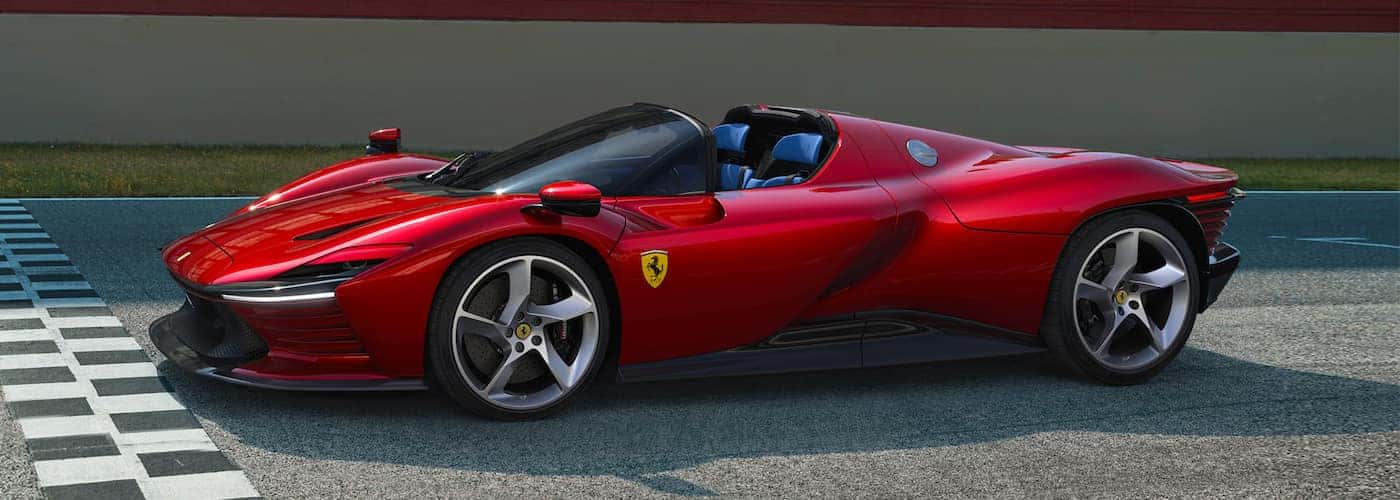
Consider brands like Ferrari or Lamborghini. Their entire existence is built upon the halo effect of their extreme supercars. While these vehicles are unattainable for most, their very presence imbues the brand with an aura of exclusivity, unparalleled performance, and engineering artistry. For a more mainstream brand, a halo car can signify a pivot, a commitment to a new direction, or a challenge to established luxury players. It projects an image of innovation and sophistication that might otherwise take decades to cultivate through conventional marketing alone. The halo car becomes a symbol that resonates across the entire product portfolio, making even entry-level models seem a little more exciting, a little more advanced, and a little more desirable simply by association.
Showcasing Technological Prowess and Innovation
Beyond aesthetics and performance, halo cars often serve as mobile laboratories for cutting-edge technologies. They are platforms where engineers and designers are given the freedom to experiment with new materials, propulsion systems, aerodynamic solutions, and advanced driver-assistance features long before these innovations are ready for mass production. This “trickle-down” effect is a cornerstone of the halo car strategy.
For instance, hybrid powertrains that debuted in hypercars like the Porsche 918 Spyder or McLaren P1 eventually found their way, in adapted forms, into more accessible models. Advanced carbon fiber construction, sophisticated infotainment systems, and adaptive suspension technologies frequently make their first public appearance in a halo car. By demonstrating its ability to develop and integrate such complex innovations, a brand reinforces its reputation as a leader, not merely a follower. This technological showcase directly feeds into the brand’s narrative of being forward-thinking, capable, and at the forefront of automotive evolution. It tells a story of relentless pursuit of perfection, inspiring confidence and loyalty among tech-savvy consumers.
Driving Dealership Traffic and Cross-Selling
While direct sales of a halo car are minimal, their indirect impact on sales across the rest of the lineup can be substantial. A halo car acts as a powerful magnet, drawing potential customers into showrooms, even if their ultimate intention is to purchase a more affordable model. The allure of seeing, touching, or even just being near a legendary vehicle is a potent motivator.
Imagine a customer walking into a dealership, drawn by the mystique of a brand’s flagship supercar. While they may not be able to afford the halo model, the experience and the association with such an aspirational vehicle can significantly enhance their perception of the brand’s more attainable offerings. The salesperson can subtly leverage this emotional connection, emphasizing how the DNA, design philosophy, or engineering principles of the halo car are shared, even if diluted, across the entire range. This cross-selling effect is invaluable. It transforms casual curiosity into genuine interest and ultimately, into sales, demonstrating how a single, exclusive product can uplift the entire commercial ecosystem of a brand.
Characteristics That Define a Halo Car
While there’s no single blueprint, halo cars typically share a set of distinct characteristics that reinforce their role as brand flagships and aspirational icons. These traits are carefully curated to ensure the vehicle fulfills its strategic purpose.
Exclusivity and Limited Production
A fundamental aspect of a halo car’s appeal is its scarcity. Unlike mass-market vehicles designed for widespread consumption, halo cars are often produced in extremely limited numbers, sometimes just a few hundred or even dozens globally. This intentional scarcity fuels demand, elevates perceived value, and creates an immediate sense of exclusivity. Ownership becomes a privilege, a mark of distinction that few can achieve.
This limited production is not just about bragging rights; it’s a strategic choice that reinforces the brand’s luxury positioning. By making a product rare, a brand communicates that it values craftsmanship, attention to detail, and a bespoke experience over sheer volume. The difficulty in acquiring such a vehicle amplifies its desirability, creating a powerful marketing narrative around aspiration and achievement. This controlled availability ensures that the halo car retains its mythical status, immune to the depreciation and commonality that affect mass-produced models.
Cutting-Edge Design and Engineering
Halo cars are invariably visual and engineering masterpieces. Their design pushes aesthetic boundaries, often featuring radical styling cues that may later influence the look of the brand’s more conventional models. These vehicles are statements of design leadership, meant to turn heads and provoke conversation. They embody the brand’s forward-thinking approach and artistic vision.
Beyond the skin, the engineering beneath is equally, if not more, impressive. Halo cars are often at the vanguard of automotive technology, incorporating lightweight materials like carbon fiber, advanced aerodynamics, bespoke engines, and sophisticated suspension systems. Every component is optimized for performance, efficiency, or luxury, showcasing the brand’s peak engineering capabilities. This commitment to extreme performance and meticulous detail is a powerful message to the market: “This is what we are truly capable of when unconstrained by typical production or cost limitations.” It solidifies the brand’s reputation for innovation and uncompromising quality.
Premium Pricing and Positioning
Unsurprisingly, halo cars command premium pricing, often reaching figures well into the six or even seven digits. This high price is not merely a reflection of the advanced technology and limited production; it is an integral part of the halo car’s strategic positioning within the brand’s hierarchy. The astronomical price tag reinforces the vehicle’s status as the ultimate aspiration, a symbol of luxury and success.
This positioning ensures that the halo car is viewed as a high-value asset, not just a commodity. It contributes to the brand’s overall perception of luxury and exclusivity, making its other, more affordable models seem like an accessible entry point to a prestigious lifestyle. The premium pricing also allows the company to absorb the significant R&D costs associated with these experimental and meticulously crafted vehicles, even if direct profit per unit isn’t the primary goal. It’s an investment in brand equity, where the perceived value generated far outweighs the direct sales revenue.
The “Halo Effect” in Action: Beyond Automotive
While the term “halo car” is deeply entrenched in the automotive lexicon, the underlying concept of a “halo product” is a powerful branding strategy that extends far beyond vehicles, influencing how companies build prestige and desirability across diverse industries.
How the Halo Concept Applies to Other Industries
The strategic principles of a halo product – showcasing peak innovation, elevating brand perception, and driving indirect interest – can be observed in various sectors:
- Luxury Goods (Haute Couture, High-End Watches, Jewelry): Fashion houses often present avant-garde, elaborate runway collections that are not intended for mass sale but serve to define the brand’s aesthetic direction, craftsmanship, and exclusivity. Similarly, watchmakers might unveil highly complex, limited-edition grand complications that highlight their horological mastery and lend prestige to their entire range. These items are the “halo” that makes the brand’s more accessible accessories or ready-to-wear lines more desirable.
- Technology (Flagship Smartphones, Concept Gadgets): Tech giants like Apple or Samsung release their most innovative, feature-rich, and premium-priced smartphones annually. While they sell millions of units, these flagship devices still act as halo products, demonstrating the company’s R&D capabilities and setting the benchmark for what consumers can expect from their ecosystem. Companies also develop “concept” gadgets or futuristic prototypes that may never see production but generate immense buzz and solidify their image as innovators.
- Sports Teams/Athletes: In a broader sense, star athletes can act as “halo products” for their teams or even entire leagues. Their exceptional talent, charisma, and performance elevate the profile of the entire organization, drawing in fans, media attention, and endorsements, thereby increasing the value of every other player and the team brand as a whole.
In each instance, the halo product doesn’t necessarily need to be a massive commercial success on its own. Its primary role is to act as a powerful brand amplifier, creating a desired identity and aspirational pull that benefits the entire portfolio.
Measuring the Brand Impact
Measuring the direct return on investment for a halo product can be challenging, as its impact is often indirect and qualitative rather than purely quantitative. However, brands employ various metrics to gauge the success of their halo strategies:
- Brand Equity and Perception Surveys: Tracking changes in brand perception, luxury index rankings, innovation scores, and customer loyalty is crucial. A successful halo product should positively shift these metrics over time.
- Media Mentions and Buzz: The amount of media coverage, social media engagement, and public discussion generated by a halo product is a strong indicator of its ability to capture attention and reinforce brand messaging.
- Dealership/Store Traffic: Monitoring an increase in foot traffic or website visits after the launch or prominent display of a halo product can indicate its ability to attract curiosity.
- Sales Uplift of Related Products: While difficult to isolate, analysts look for correlating sales increases in mid-range or entry-level products that share design cues or technological lineage with the halo item.
- Employee Morale and Recruitment: A successful halo product can instill pride among employees and make a company more attractive to top talent, demonstrating a commitment to excellence and innovation.
Ultimately, the impact is measured in the strengthened narrative and the enhanced emotional connection consumers feel with the brand, translating into long-term customer loyalty and a more robust market position.
Case Studies: Iconic Halo Cars and Their Brand Legacy
Examining specific examples brings the theory of the halo car to life, illustrating how these vehicles have profoundly shaped the identities of their respective brands.
Ferrari F40 / LaFerrari
For Ferrari, virtually every limited-edition supercar serves as a halo car, but models like the F40 and LaFerrari stand out as iconic examples. The F40, launched in 1987 to celebrate Ferrari’s 40th anniversary, was Enzo Ferrari’s last creation before his death. It was a raw, uncompromising, track-focused machine that pushed the boundaries of road car performance. It wasn’t just fast; it was a pure expression of Ferrari’s racing heritage, passion, and engineering audacity. It solidified Ferrari’s image as the ultimate purveyor of exclusive, high-performance driving machines.
Decades later, the LaFerrari (2013) continued this legacy, showcasing hybrid technology directly derived from Formula 1. It redefined hypercar performance and cemented Ferrari’s commitment to innovation even in the face of new environmental challenges. These vehicles don’t just sell; they define Ferrari’s brand, reinforcing its core values of speed, exclusivity, design, and a direct link to motorsport, making even their “entry-level” V8 models feel like a piece of that legendary lineage.
Lexus LFA
The Lexus LFA, launched in 2010, is a perfect illustration of a halo car designed to transform brand perception. Lexus was known for its impeccable reliability, luxurious comfort, and refined engineering – but not for outright performance or emotional driving. The LFA was an ambitious, no-expense-spared project, featuring a bespoke V10 engine, a carbon fiber chassis, and an astronomical price tag. It was a stark departure from Lexus’s traditional image.
The LFA was never meant to be a volume seller; it was a statement. It demonstrated that Lexus could build a world-class supercar, capable of challenging established European rivals. While only 500 units were produced, its impact on the Lexus brand was immense. It injected a much-needed shot of excitement and credibility into the brand’s performance credentials, proving that Lexus was not just a luxury brand, but also a serious engineering powerhouse. The LFA’s technological advancements and meticulous craftsmanship cast a “halo” over the entire Lexus range, signaling a new era of emotional design and dynamic capability that continues to influence models like the LC 500 today.
Porsche 911
While some might argue the 911 is too numerous to be a true “halo car,” its role in the Porsche brand identity is undeniable. Specific extreme variants like the Carrera GT or the 918 Spyder certainly fit the classic halo definition, showcasing peak engineering and performance at exorbitant prices. However, the Porsche 911 itself, across its many generations, consistently serves as the enduring halo for the entire brand.
The 911 embodies Porsche’s core values: driving purity, engineering excellence, timeless design, and everyday usability combined with track capability. It sets the benchmark for what a Porsche should be and represents the ultimate expression of the brand’s philosophy. Its iconic shape and unique rear-engine configuration are instantly recognizable and deeply ingrained in automotive culture. While Porsche produces SUVs and sedans that outsell the 911 significantly, it is the 911 that anchors the brand’s image. Its consistent evolution, yet unwavering adherence to core principles, ensures that the “Porsche” name remains synonymous with high-performance sports cars, drawing customers into dealerships to explore the Macan, Cayenne, or Taycan, all basking in the glow of the 911’s enduring halo.
Building a Lasting Brand Through Halo Products
The power of a halo product lies in its ability to contribute to a brand’s long-term health and aspirational appeal. It’s an investment in a brand’s narrative and its future.
Consistency and Brand Storytelling
For a halo product to be truly effective, it must be consistent with the brand’s core values and contribute meaningfully to its overarching story. It should not be an outlier that feels disconnected from the rest of the brand; rather, it should be the ultimate manifestation of what the brand stands for. The narrative woven around a halo car – be it a tale of racing dominance, technological breakthrough, or ultimate luxury – must resonate with the brand’s history, current offerings, and future ambitions. This consistent storytelling reinforces the brand’s identity and creates a cohesive, believable image in the minds of consumers. A halo car that authentically embodies the brand’s spirit is far more impactful than one that merely chases trends.
The Future of Halo Products in a Changing Market
As the automotive industry undergoes a seismic shift towards electrification, autonomy, and sustainable mobility, the role of the halo car will continue to evolve. Electric hypercars like the Rimac Nevera or Lotus Evija are already pushing the boundaries of performance and technology, serving as new halo vehicles for their respective brands, demonstrating the potential of electric powertrains. Similarly, concept vehicles showcasing advanced autonomous capabilities or revolutionary interior designs can become halo products for brands aiming to define the future of mobility.
The challenge for brands will be to maintain desirability and relevance in a market that prioritizes sustainability and ethical practices alongside performance and luxury. Future halo products may not just be about raw speed but also about intelligent design, environmental stewardship, and seamless integration with smart infrastructure. Regardless of the form they take, the fundamental purpose of the halo product – to define, elevate, and inspire – will remain a crucial tool in the brand strategy toolkit.
Conclusion
In the competitive landscape of modern commerce, a “halo car” is far more than an expensive, limited-edition vehicle; it is a meticulously engineered brand statement. These automotive flagships are strategic masterpieces, designed to elevate brand perception, showcase technological leadership, and drive indirect interest across an entire product line. They embody exclusivity, cutting-edge design, and uncompromising engineering, commanding premium prices that reflect their symbolic value rather than just their material cost.
The “halo effect” extends beyond the automotive realm, proving its efficacy in fashion, technology, and beyond, demonstrating how a singular, aspirational product can cast a radiant glow over a brand’s entire portfolio. Through meticulous craftsmanship, visionary design, and a powerful narrative, halo cars contribute immeasurably to brand equity, fostering loyalty, attracting talent, and setting the standard for innovation. In an increasingly crowded market, the halo car remains an indispensable tool for brands seeking to differentiate themselves, inspire desire, and build a lasting legacy that resonates far beyond the showroom floor.
aViewFromTheCave is a participant in the Amazon Services LLC Associates Program, an affiliate advertising program designed to provide a means for sites to earn advertising fees by advertising and linking to Amazon.com. Amazon, the Amazon logo, AmazonSupply, and the AmazonSupply logo are trademarks of Amazon.com, Inc. or its affiliates. As an Amazon Associate we earn affiliate commissions from qualifying purchases.