
In the intricate world of firearms, few terms are as fundamental yet often misunderstood as “caliber.” Far more than a simple number, caliber is a critical technical specification that defines not only the dimensions of a firearm’s barrel but also the ammunition it can safely and effectively discharge. It is the cornerstone of a weapon system’s design, dictating everything from ballistic performance and energy transfer to manufacturing precision and operational safety. For engineers, enthusiasts, and even casual observers, a deep understanding of what constitutes a caliber unlocks a comprehensive appreciation for firearm technology. This article delves into the technical intricacies of gun caliber, exploring its definition, measurement, engineering implications, and its pivotal role in the design and function of firearms.
The Fundamental Concept of Caliber
At its core, caliber refers to the internal diameter of a gun barrel’s bore and, subsequently, the diameter of the projectile (bullet) that specific firearm is designed to fire. This seemingly straightforward definition underpins a complex array of design and performance considerations crucial to firearm technology.
Defining Caliber: Diameter and Measurement Units
Caliber is primarily a measurement of diameter. Historically and in modern practice, it is expressed in two main unit systems: imperial (inches) and metric (millimeters).
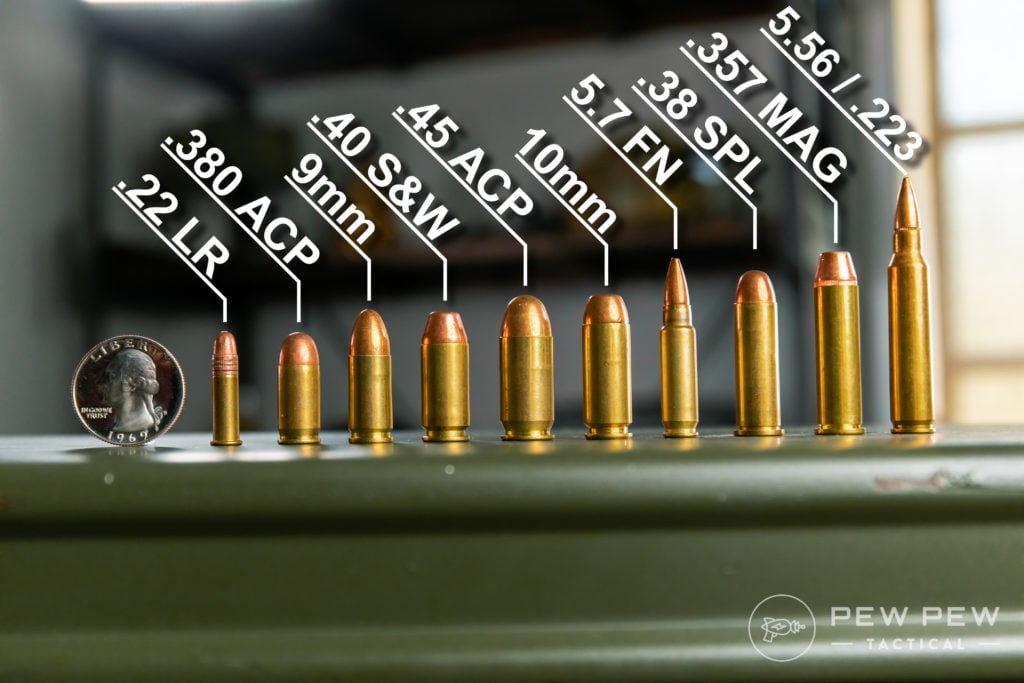
When expressed in the imperial system, caliber is typically given in hundredths or thousandths of an inch, often preceded by a decimal point. For example, a “.22 caliber” firearm has a barrel bore approximately 0.22 inches in diameter, while a “.45 caliber” measures roughly 0.45 inches. Famous examples include the .30-06 Springfield, where “30” refers to the bore diameter and “06” denotes the year of its adoption (1906).
In the metric system, caliber is measured in millimeters, often followed by the length of the cartridge casing. A “9mm” firearm uses ammunition with a 9-millimeter diameter projectile, while a “7.62x39mm” cartridge indicates a 7.62mm projectile diameter and a 39mm long casing. This dual designation provides more specific technical data about the cartridge’s physical dimensions.
It’s crucial to understand that caliber measurement can refer to either the bore’s diameter across the lands (the raised parts of the rifling) or across the grooves (the recessed parts). Ammunition is typically sized to match the groove diameter to ensure a tight seal and proper engagement with the rifling, imparting spin for stability.
Why Caliber Matters: Performance and Compatibility
The caliber of a firearm is not merely a dimension; it is a critical determinant of its performance characteristics and operational compatibility.
Ballistic Performance: Caliber directly influences a projectile’s mass, cross-sectional density, and aerodynamics. Larger calibers generally allow for heavier bullets, which can carry more kinetic energy and maintain momentum over longer distances, albeit often with greater recoil. Smaller, faster calibers might offer flatter trajectories and higher muzzle velocities, making them suitable for different applications. The precise interaction between bullet diameter and barrel bore geometry is paramount for consistent accuracy and velocity.
Firearm Compatibility and Safety: A firearm is designed to safely operate with a specific caliber of ammunition. Attempting to load an incorrect caliber can lead to catastrophic failures, such as jamming, catastrophic structural damage to the firearm, or even personal injury. Modern firearm engineering incorporates strict tolerances and material sciences to ensure that barrels and chambers can withstand the immense pressures generated by their designated ammunition. This precision manufacturing is a hallmark of safe and reliable firearm technology.
Intended Use: The choice of caliber is intrinsically linked to the firearm’s intended application. Hunting larger game typically requires larger, more powerful calibers, while competitive target shooting might favor smaller, highly accurate rounds with minimal recoil. Self-defense firearms often balance stopping power with manageable recoil and capacity.
Common Misconceptions About Caliber
Despite its fundamental nature, several misconceptions about caliber persist. One common error is believing that a larger numerical caliber always equates to a more powerful round. While often true, factors like propellant type, bullet construction, case capacity, and barrel length significantly influence a cartridge’s energy output. A modern .223 Remington (5.56x45mm) can deliver higher muzzle velocity and energy than some older .38 caliber rounds, despite its smaller projectile diameter, due to advancements in powder technology and bullet design. Another misconception is that different cartridges sharing the same “caliber” number are interchangeable. For instance, a “.38 Special” cartridge is distinct from a “.357 Magnum,” despite their similar bore diameters, due to differences in case length and chamber pressure, which make them non-interchangeable in many firearms.
Diverse Caliber Nomenclatures and Their Origins
The world of firearm calibers is rich with varied naming conventions, reflecting different historical eras, measurement systems, and engineering priorities. Understanding these nomenclatures provides insight into the evolution of firearm design and ammunition technology.
Imperial vs. Metric Systems: .45 ACP vs. 9mm
The most prominent distinction in caliber naming is between the imperial and metric systems.
Imperial Calibers: Often associated with British and American firearm development, these calibers are expressed in fractions or decimals of an inch. Examples like the .22 Long Rifle, .30-06 Springfield, and .45 ACP (Automatic Colt Pistol) are iconic. The numerical designation typically refers to the bullet’s nominal diameter. For some, like the .30-30 Winchester, the second number indicates the standard powder charge in grains of black powder, a nod to their historical origins. These names often carry historical weight, reflecting the original manufacturers or military adoption dates.
Metric Calibers: Predominant in European and most of the rest of the world, metric calibers are expressed in millimeters. Examples include 9x19mm Parabellum, 7.62x39mm, and 5.56x45mm NATO. The first number is the projectile diameter, and the second is the cartridge case length, offering a more precise technical description of the ammunition. This dual system provides immediate practical information for firearm designers and users. The adoption of metric calibers often aligns with modern industrial standardization and global military agreements.
The Role of Casing Length: Short vs. Long Rounds
The length of the cartridge casing, especially prominent in metric designations (e.g., 7.62x39mm), is a crucial aspect of caliber definition. The casing houses the propellant and primer, and its dimensions directly influence the cartridge’s overall capacity for powder and, consequently, its power and ballistic performance.
Short Casings: Generally found in handgun cartridges (e.g., 9x19mm), shorter casings are optimized for compact firearms and situations where moderate power and capacity are prioritized over long-range ballistics. The shorter overall length allows for smaller magazines and lighter firearms, critical for concealed carry or rapid deployment.
Long Casings: More common in rifle cartridges (e.g., .30-06 Springfield, 7.62x51mm NATO), longer casings allow for greater propellant volumes. This translates to higher muzzle velocities, increased energy, and flatter trajectories, essential for long-range accuracy and penetration. The engineering of these longer cases also needs to withstand higher chamber pressures, demanding robust material science. The balance between casing length and diameter is a critical design parameter for ammunition engineers.
Historical Contexts and Naming Conventions
Many caliber names are vestiges of historical development, reflecting the era’s technology and intended purpose. Early black powder cartridges often included the powder charge in their name, like the .45-70 Government (0.45-inch bullet, 70 grains of black powder). The introduction of smokeless powder revolutionized ammunition design, leading to new naming conventions that emphasized the bullet diameter and sometimes the original firearm for which it was designed, such as the .30-30 Winchester. Military calibers, like 5.56mm NATO and 7.62mm NATO, represent standardization efforts across allied forces, prioritizing logistical simplicity and interoperability of weapon systems. This historical evolution underscores how technological advancements in propellants, metallurgy, and manufacturing have continually reshaped the definition and nomenclature of calibers.
Technological Implications of Caliber Design
The choice and design of a specific caliber are deeply rooted in advanced engineering and scientific principles. It influences everything from material selection in barrel manufacturing to the complex physics of ballistics.
Ballistics and Projectile Dynamics
Ballistics, the science of projectile motion, is inextricably linked to caliber. The design of a caliber dictates several critical ballistic parameters:
Internal Ballistics: This refers to what happens inside the firearm from the moment the primer ignites the propellant until the bullet exits the barrel. The caliber defines the bore volume, which, along with powder charge and bullet weight, determines peak chamber pressure and muzzle velocity. Rifling, the helical grooves cut into the barrel, is designed specifically for a given caliber to impart a stabilizing spin to the projectile, improving accuracy. The twist rate of the rifling (e.g., 1 turn in 7 inches) is carefully engineered to stabilize bullets of a particular diameter and length.
External Ballistics: Once the bullet leaves the barrel, its flight path is governed by external ballistics. Caliber affects a bullet’s ballistic coefficient, which describes its ability to overcome air resistance. Streamlined, high-ballistic-coefficient projectiles (often long and slender for their diameter) maintain velocity and resist wind deflection more effectively. Larger, heavier bullets of a given caliber generally retain more energy downrange.
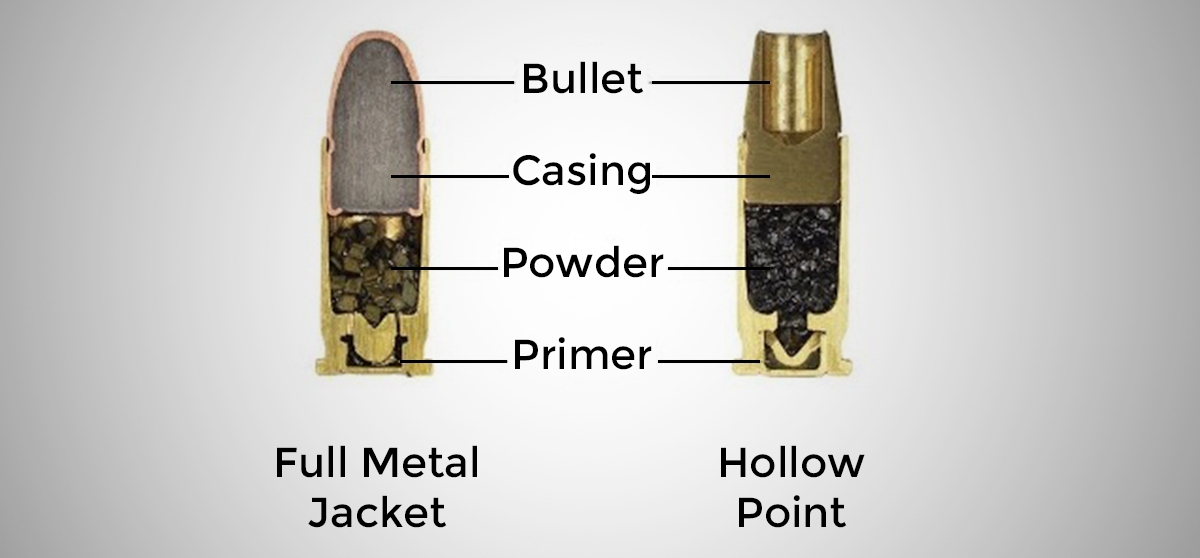
Terminal Ballistics: This examines how a projectile behaves upon impact with a target. Caliber, combined with bullet construction (e.g., hollow-point, soft-point, full metal jacket), dictates energy transfer, penetration, and expansion characteristics. The interaction between bullet design and target medium is a complex field of study involving material science and fluid dynamics.
Firearm Engineering and Barrel Compatibility
Firearm engineers meticulously design barrels and chambers to accommodate specific calibers.
Barrel Material Science: Barrels must withstand immense pressures (often tens of thousands of pounds per square inch) and extreme temperatures generated during firing. High-strength steel alloys, precisely heat-treated, are commonly used. The metallurgical properties must ensure durability, resistance to wear (especially from the friction of the bullet engaging the rifling), and dimensional stability.
Chamber and Bore Tolerances: The chamber, where the cartridge sits, and the bore, through which the bullet travels, are manufactured to extremely tight tolerances. This precision ensures proper cartridge seating, consistent gas seal, and accurate bullet engagement with the rifling. Any deviation can lead to decreased accuracy, unsafe pressure levels, or malfunctions.
Rifling Design: The rifling’s depth, width, and twist rate are optimized for the bullet’s diameter, weight, and material. Modern manufacturing techniques, such as hammer forging, button rifling, and cut rifling, allow for highly consistent and precise rifling patterns crucial for stabilizing projectiles and maximizing accuracy across various calibers.
Ammunition Manufacturing Precision
The production of ammunition is a highly automated and precise manufacturing process, where caliber specifications are paramount.
Component Sourcing: Each component—casing, primer, propellant, and bullet—must adhere to strict caliber-specific dimensions and material properties. Bullet jackets, for instance, are precisely formed from copper or gilding metal, and cores from lead or other alloys, all designed to specific diameter and weight tolerances.
Assembly and Quality Control: Modern ammunition factories utilize advanced machinery for precise powder metering, bullet seating, and crimping. Multi-stage quality control systems, often incorporating optical and pressure testing, ensure that every cartridge meets the exact specifications for its caliber, guaranteeing safety, reliability, and consistent performance. Any variation in bullet diameter, powder charge, or case dimensions can lead to significant changes in pressure, velocity, and accuracy.
Beyond Diameter: Caliber’s Impact on Application
The functional significance of caliber extends beyond its technical definition, profoundly influencing the practical application and operational role of firearms across various domains. The choice of a specific caliber is often dictated by the intended use, reflecting a careful balance of performance, recoil, capacity, and effectiveness.
Sporting, Hunting, and Self-Defense Applications
Different calibers are purpose-built for diverse civilian applications:
Hunting: Caliber selection for hunting is critical and often regulated by law. For small game (e.g., rabbits, squirrels), smaller calibers like .22 Long Rifle are sufficient, offering low recoil and cost-effectiveness. Medium game (e.g., deer) typically requires calibers like .243 Winchester, .30-30 Winchester, or .30-06 Springfield, which deliver sufficient energy for humane kills at varying ranges. Large and dangerous game (e.g., bear, elk) necessitates powerful calibers like .375 H&H Magnum or .458 Winchester Magnum, designed for deep penetration and high energy transfer. The engineering of hunting bullets within these calibers focuses on controlled expansion and weight retention.
Sporting and Target Shooting: For competitive shooting, calibers like .22 Long Rifle (rimfire) are popular for their low cost, minimal recoil, and accuracy in pistol and rifle disciplines. Centerfire precision shooting often employs highly accurate calibers such as 6.5mm Creedmoor, .308 Winchester, or .338 Lapua Magnum, chosen for their superior external ballistic properties, consistency, and ability to perform at extreme ranges. The ammunition for these calibers is engineered for utmost uniformity and precision.
Self-Defense: In self-defense firearms, a balance between “stopping power,” manageable recoil, and ammunition capacity is key. Common self-defense pistol calibers include 9mm Parabellum, .40 S&W, and .45 ACP. These calibers are typically loaded with advanced bullet designs like jacketed hollow points (JHP) which are engineered for controlled expansion upon impact to maximize energy transfer and mitigate over-penetration, a critical consideration in urban or home defense scenarios. The compact nature of these cartridges also enables smaller, more concealable firearms.
Military and Law Enforcement Standardizations
Caliber standardization is a critical logistical and operational concern for military and law enforcement agencies.
Military Standard Calibers: Modern military forces worldwide have largely standardized on a few key rifle and pistol calibers to ensure interoperability and simplify supply chains. For NATO countries, 5.56x45mm NATO (for assault rifles) and 7.62x51mm NATO (for battle rifles, sniper rifles, and machine guns) are standard rifle calibers, while 9x19mm Parabellum remains the ubiquitous pistol caliber. These calibers are developed through extensive research and development, with a focus on reliability under extreme conditions, terminal effectiveness against various targets, and logistical efficiency. Military ammunition engineering focuses on robust bullet construction (often full metal jacket for penetration and adherence to international laws of armed conflict) and consistent performance across diverse environmental conditions.
Law Enforcement Agencies: Police forces generally mirror military trends for service weapons, with 9mm Parabellum, .40 S&W, and .45 ACP being common pistol calibers. Patrol rifles often use 5.56x45mm NATO. The selection prioritizes reliability, accuracy, and terminal performance appropriate for law enforcement engagements, often utilizing specialized bullet designs like controlled-expansion rounds to minimize collateral damage. The tactical applications drive the engineering specifications for these calibers.
Reloading and Custom Ammunition Development
The technical understanding of caliber is especially vital for reloaders and custom ammunition developers. Reloading involves assembling cartridges from individual components, allowing for precise control over the load characteristics.
Tailored Performance: Reloaders can customize ammunition by varying powder charges, bullet types, and seating depths, fine-tuning rounds for specific firearms and applications. This allows for achieving optimal accuracy, managing recoil, or developing specialized loads for niche purposes, such as long-range precision shooting or specific hunting scenarios. This process requires an in-depth understanding of internal ballistics and pressure dynamics associated with a given caliber.
Component Compatibility: A thorough knowledge of caliber dimensions is essential for selecting appropriate components—primers, cases, propellants, and bullets—that are compatible and safe. The precise fit of a bullet to the bore, the consistent case capacity for propellant, and the overall cartridge length are meticulously managed to ensure safety and performance. This represents an advanced application of firearm engineering principles by individual users.
The Evolution of Caliber and Future Trends
The concept of caliber has continuously evolved alongside advancements in metallurgy, propellants, and manufacturing. The future promises even more sophisticated integration of technology into ammunition design and firearm systems.
Advancements in Propellants and Projectiles
Modern propellants are far more energetic and temperature-stable than their black powder predecessors, enabling higher velocities and flatter trajectories from smaller cartridges. Research into new propellant formulations continues, aiming for even greater energy density, reduced flash, and minimized recoil.
Projectile technology has seen immense strides. From simple lead balls, we now have complex composite bullets, tungsten core penetrators, and frangible rounds designed to disintegrate upon impact, minimizing ricochet risk. Future advancements are likely to focus on even more advanced materials, perhaps incorporating alloys with superior density for enhanced penetration or environmentally friendly materials to reduce lead contamination. Bullet coatings are also an area of active research to reduce barrel wear and fouling.
The Pursuit of Lighter and More Efficient Ammunition
The military, in particular, is driving research into lighter ammunition, aiming to reduce the burden on soldiers. This includes projects exploring polymer-cased ammunition, which replaces heavy brass casings with lighter polymer materials, significantly cutting cartridge weight. This isn’t just about the casing; integrated design approaches are also exploring new bullet materials and propellant systems that optimize the weight-to-performance ratio for a given caliber, potentially leading to more rounds carried for the same weight, or lighter overall weapon systems. This involves complex material science and manufacturing innovation.
Smart Ammunition and Digital Integration
Looking further into the future, the concept of “smart ammunition” represents a significant technological frontier. While still largely in developmental stages, this involves incorporating microelectronics into projectiles. Imagine bullets that can course-correct in flight (guided projectiles for large artillery already exist, but miniaturizing for small arms is the challenge), or rounds that can transmit data upon impact. Although highly complex and expensive for widespread small arms use, such technologies could revolutionize precision, lethality, and data collection in military applications.
These future concepts demonstrate how the fundamental definition of caliber will remain crucial, but the technological envelope surrounding it will continue to expand, pushing the boundaries of material science, digital integration, and ballistic performance in ways previously unimaginable.
In conclusion, caliber is a multifaceted technical specification, fundamental to the design, function, and application of firearms. From its measurement in imperial or metric units to its profound impact on ballistics, manufacturing, and tactical utility, understanding caliber illuminates the complex engineering and scientific principles that underpin firearm technology. As the field continues to evolve, pushing the boundaries of materials, propellants, and digital integration, the core concept of caliber will remain the essential starting point for innovation and advancement in the world of firearms.
aViewFromTheCave is a participant in the Amazon Services LLC Associates Program, an affiliate advertising program designed to provide a means for sites to earn advertising fees by advertising and linking to Amazon.com. Amazon, the Amazon logo, AmazonSupply, and the AmazonSupply logo are trademarks of Amazon.com, Inc. or its affiliates. As an Amazon Associate we earn affiliate commissions from qualifying purchases.