
In the diverse landscape of agriculture, some products remain largely obscure to the mainstream consumer, yet hold significant promise for the astute entrepreneur or small-scale farmer. Among these hidden gems are garlic scapes. For many, the question “what is a garlic scape?” might initially conjure images of botanical curiosity or culinary delight. However, for those with an eye for opportunity, it represents a unique agricultural asset with untapped financial potential. This article delves into what garlic scapes are, not merely as a part of a plant, but as a viable commodity within the broader agricultural economy, exploring their value, cultivation for profit, and integration into a robust financial strategy.

The Economic Identity of Garlic Scapes: Beyond Botanical Description
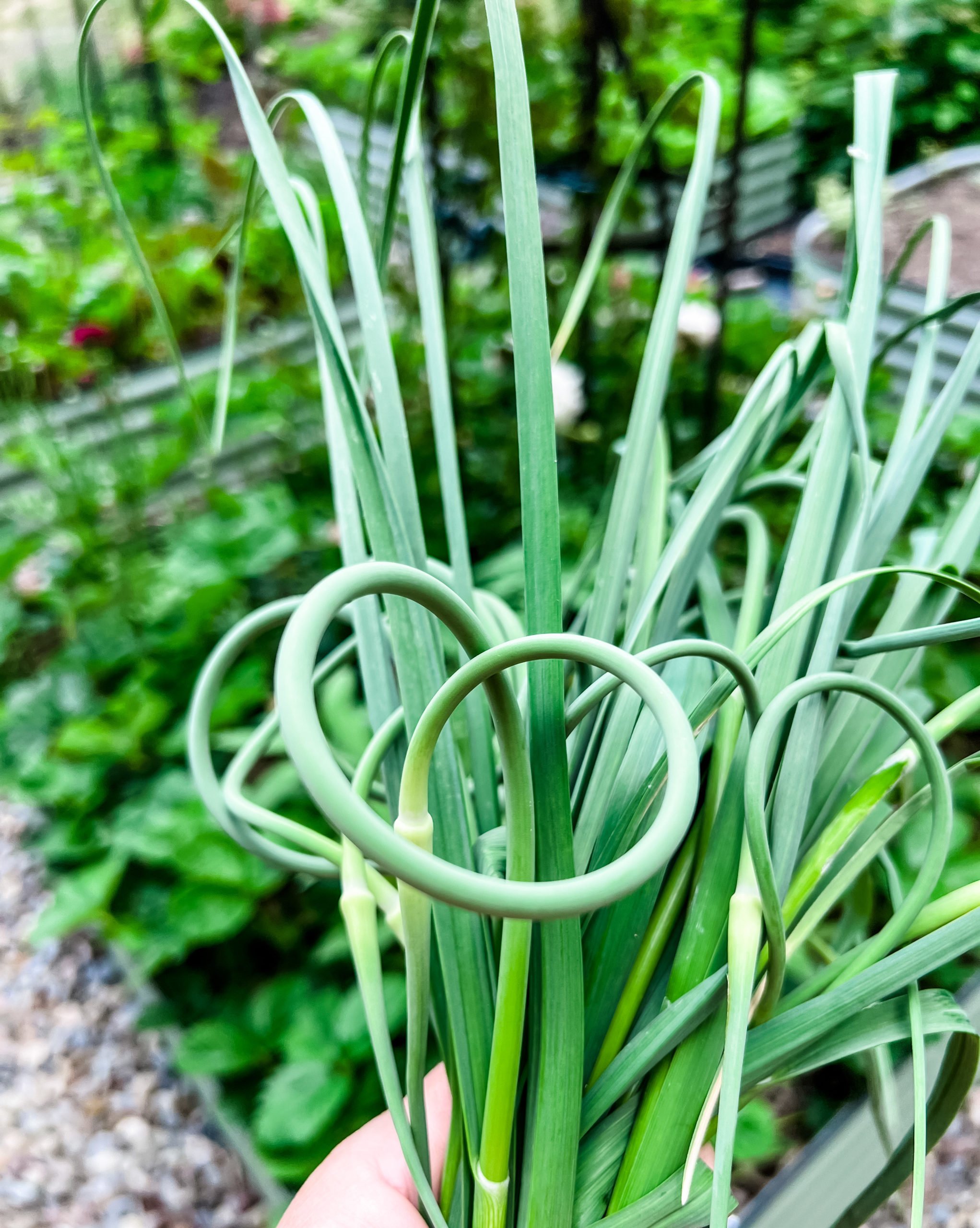
To fully grasp the financial implications of garlic scapes, we must first understand their fundamental nature, then quickly pivot to their market positioning. Garlic scapes are the tender, curly flower stalks that emerge from hardneck garlic plants in late spring or early summer. If left on the plant, these scapes would bloom, diverting energy from the developing garlic bulb below ground. Farmers typically “scape” their garlic—cutting off these stalks—to encourage larger, more robust bulbs. This practice, however, yields a delicious byproduct that, increasingly, is finding its own lucrative niche in gourmet markets, farmers’ markets, and health-conscious culinary circles.
Defining Garlic Scapes as a Marketable Product
From an economic perspective, garlic scapes are a perishable, seasonal, and often premium agricultural commodity. Their short harvest window and distinctive flavor profile contribute to their exclusivity and desirability. Unlike the garlic bulb which can be stored for extended periods, scapes have a limited shelf life, making timely harvesting, distribution, and marketing crucial for profitability. Their unique taste—a milder, fresher garlic flavor with hints of chive or asparagus—positions them not just as a substitute for garlic, but as a distinct ingredient commanding its own price point.
Identifying Market Dynamics and Value Proposition
The market for garlic scapes is driven by several factors that savvy entrepreneurs can leverage. Firstly, their seasonality creates scarcity, often leading to higher demand and premium pricing during their brief availability. Secondly, their association with specialty produce and farm-to-table movements appeals to conscious consumers and high-end restaurants. Thirdly, the rising interest in healthy, locally sourced, and unique ingredients further bolsters their market appeal. As a result, a simple “what is a garlic scape?” transforms into an inquiry about a product with a compelling value proposition: unique flavor, limited availability, and health benefits, all contributing to a higher potential return on investment per unit of cultivation effort.
Cultivating Financial Growth: Integrating Scapes into Your Portfolio
For individuals seeking alternative income streams, side hustles, or diversification in agricultural investments, cultivating garlic scapes presents a compelling option. The entry barriers can be relatively low, making it accessible to a wide range of aspiring agri-preneurs.
Low-Entry Investment and Scalable Returns
Starting a garlic scape venture does not typically require extensive capital or vast tracts of land. Hardneck garlic can be grown in relatively small plots, raised beds, or even large containers, making it suitable for urban farming or backyard operations. The primary initial investment involves purchasing quality garlic seed stock, soil amendments, and basic gardening tools. Compared to other agricultural ventures, the lead time from planting to the first scape harvest is approximately 8-9 months, offering a relatively quick turnaround for an annual crop. The “what is a garlic scape” question here becomes central to understanding a tangible, growable asset that can yield direct financial returns through diligent cultivation and market access. As demand grows, operations can be scaled, expanding acreage or optimizing existing plots for higher yields, directly impacting potential income.
Monetizing the Harvest: Distribution and Sales Channels
Once harvested, the immediate challenge and opportunity lie in effective distribution and sales. Several channels can be exploited:

- Farmers’ Markets and Direct-to-Consumer (D2C) Sales: This is often the most straightforward and profitable route, allowing producers to capture the full retail value of their scapes. Direct interaction with consumers builds brand loyalty and provides immediate feedback.
- Restaurant and Chef Partnerships: High-end restaurants and chefs are often keen to source fresh, unique, and local ingredients. Establishing relationships with local eateries can provide consistent bulk orders and higher per-unit prices for premium quality scapes.
- Community Supported Agriculture (CSA) Programs: Integrating scapes into CSA shares adds value and variety for subscribers, ensuring a pre-sold market before harvest.
- Online Sales and Local Delivery: Leveraging e-commerce platforms, social media, and local delivery services can expand reach beyond physical market limitations, tapping into a wider customer base willing to pay for convenience and specialty items.
- Wholesale to Specialty Grocers: For larger operations, wholesaling to organic or gourmet grocery stores can provide a stable, albeit lower-margin, sales channel.
Each channel requires different logistical and marketing efforts, but collectively they form a robust strategy for maximizing revenue from garlic scapes.
Enhancing Value: Branding and Product Diversification
In a competitive market, differentiating your garlic scapes can significantly impact profitability. This involves not just quality, but also effective branding and exploring value-added products.
- Branding Your Produce: From eco-friendly packaging to a compelling farm story, branding elevates a commodity to a premium product. Highlighting sustainable farming practices, organic certification, or the unique characteristics of your specific garlic varietals can justify higher price points and foster customer loyalty.
- Value-Added Products: Extending the economic life and increasing the profitability of garlic scapes can be achieved through processing them into longer-lasting, value-added products. Garlic scape pesto, pickled scapes, garlic scape powder, or even infused oils are examples. These products not only extend the selling season beyond the fresh harvest window but also command significantly higher prices per pound of raw material, effectively diversifying revenue streams and mitigating the risks associated with perishable goods.
Financial Planning and Strategic Expansion for Scape Cultivation
A successful garlic scape venture, like any business, thrives on meticulous financial planning, cost analysis, and strategic expansion. Understanding the financial lifecycle of your operation is crucial for long-term sustainability and growth.
Cost-Benefit Analysis and Profit Margin Optimization
Detailed record-keeping is paramount. This includes tracking initial investments (seed stock, tools, land preparation), ongoing operational costs (water, fertilizers, labor, marketing), and revenue from sales. A thorough cost-benefit analysis helps identify areas for efficiency improvements and informs pricing strategies. For instance, calculating the cost per pound of harvested scapes allows for precise profit margin analysis across different sales channels. Optimizing planting density, water usage, and pest management can directly reduce costs and enhance profitability. The core “what is a garlic scape” becomes a question of “what is its true economic cost and yield potential?”
Investing in Growth: Reinvestment and Funding Opportunities
As your garlic scape venture generates profits, strategic reinvestment becomes vital. This might include expanding planting areas, investing in more efficient harvesting or processing equipment, or developing new value-added products. For larger growth initiatives, exploring external funding options like small agricultural grants, micro-loans for small businesses, or even crowdfunding can provide the necessary capital. Demonstrating a clear business plan and projected returns from garlic scape cultivation will be key to securing such investments, positioning scapes as a valuable asset worthy of financial backing.
Managing Seasonal Cash Flow and Risk Mitigation
The seasonal nature of garlic scape production means cash flow will be concentrated around the harvest period. Developing a financial plan that accounts for these fluctuations, perhaps by combining scape sales with other seasonal produce or value-added products, is essential for maintaining liquidity throughout the year. Furthermore, like all agricultural endeavors, growing garlic scapes comes with inherent risks—weather variability, pest outbreaks, or unexpected market shifts. Diversifying crops, maintaining crop insurance (where available and feasible), and having contingency plans for unexpected events are crucial strategies for mitigating financial risks and ensuring the resilience of your agricultural business.
Conclusion: Garlic Scapes as a Cultivated Investment
The question “what is a garlic scape?” transforms from a simple inquiry about a plant part into a gateway to understanding a viable and potentially profitable niche in the agricultural economy. By viewing garlic scapes not just as a culinary ingredient but as a marketable commodity, entrepreneurs can unearth significant financial opportunities. From low-entry cultivation to strategic market positioning, value-added processing, and diligent financial management, garlic scapes offer a compelling case for a side hustle, a micro-business, or a diversified investment in the burgeoning local food movement. For those willing to cultivate foresight along with their scapes, this unique agricultural asset can indeed yield a bountiful financial harvest.
aViewFromTheCave is a participant in the Amazon Services LLC Associates Program, an affiliate advertising program designed to provide a means for sites to earn advertising fees by advertising and linking to Amazon.com. Amazon, the Amazon logo, AmazonSupply, and the AmazonSupply logo are trademarks of Amazon.com, Inc. or its affiliates. As an Amazon Associate we earn affiliate commissions from qualifying purchases.