
In the landscape of modern retail, few names carry as much weight, recognition, and cultural resonance as Lululemon. Whether you are in a yoga studio in Vancouver, a high-end gym in London, or a bustling street in Tokyo, the name is synonymous with the “athleisure” movement. However, unlike brands named after their founders (like Adidas or Chanel) or those with clear descriptive roots (like Nike, the Greek goddess of victory), Lululemon feels like a linguistic anomaly. The name is whimsical, rhythmic, and arguably difficult to pronounce for some.

To understand why Lululemon is named Lululemon, one must delve deep into the mechanics of brand strategy, the psychology of phonetics, and the often-controversial history of its founder, Chip Wilson. The story of the name is not just a lesson in marketing; it is a case study on how a brand can cultivate a premium identity through specific linguistic choices and community-centric positioning.
The Origin Story: Chip Wilson’s Calculated Naming Strategy
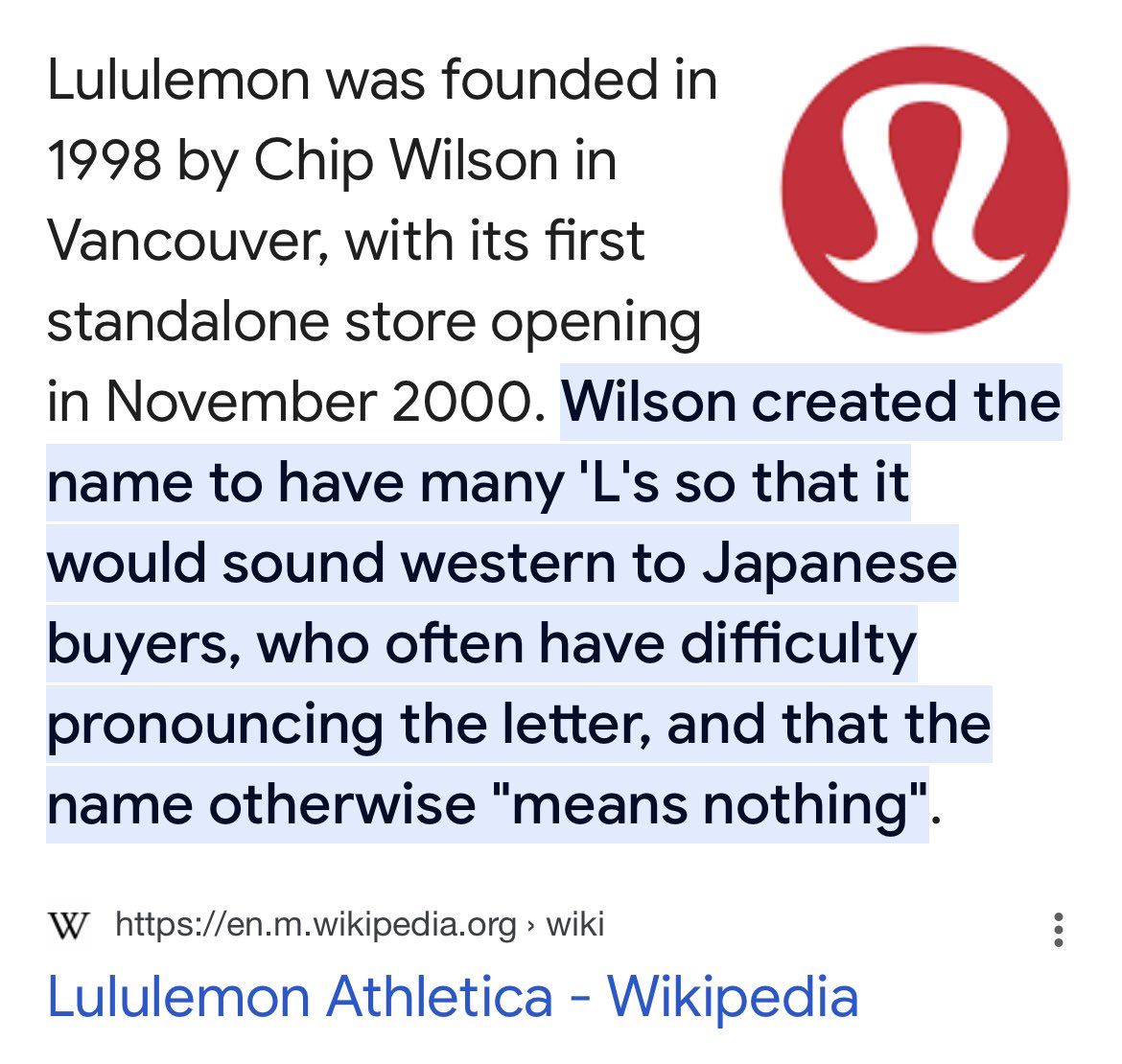
The creation of the name “Lululemon” was far from accidental. It was the result of a deliberate, albeit unconventional, strategy aimed at capturing a specific market sentiment. Chip Wilson, the founder of the company, had previously found success with a skateboard brand called “Homeless.” During his time with that venture, he noticed something peculiar about the Japanese market’s perception of Western brands.
The Obsession with the Letter ‘L’
Wilson observed that Japanese consumers were often drawn to brand names that contained the letter “L,” primarily because the “L” sound does not exist natively in the Japanese language. To the Japanese ear, brands with “L”s sounded authentically North American and exotic. This perceived difficulty in pronunciation added a layer of prestige and “cool factor” to the brand.
When Wilson began developing his new yoga-inspired apparel line in the late 1990s, he decided to test this theory to its extreme. He wanted a name that featured as many “L”s as possible to see if he could create a brand that sounded inherently premium and Western. He eventually landed on “Lululemon,” a name that contains three “L”s. His rationale was that by including so many instances of the letter, he was creating a brand that would be perceived as a high-value, authentic Western import in the burgeoning global market.
Marketing to a Specific Demographic
Beyond the linguistic experiment, the name was designed to appeal to a very specific target persona: “Ocean,” a 32-year-old professional woman who is health-conscious, earns a high income, and values both style and functionality. This “Super Girl” archetype was the North Star for the brand’s early identity. The name Lululemon was meant to sound playful, youthful, and approachable, yet distinct enough to stand out in a sea of generic sportswear. It was a name that invited curiosity and demanded engagement, perfectly aligning with the brand’s goal of moving beyond simple utility into the realm of lifestyle branding.
The Phonetic Power of Brand Names
In brand strategy, the sound of a name—its “phonetic symbolism”—is just as important as its meaning. Lululemon is a prime example of how alliteration and vowel structure can influence consumer perception and memory retention.
Alliteration and Memory Retention
Lululemon utilizes a repetitive phonetic structure that makes it inherently catchy. This is a common tactic in high-end branding (think Coca-Cola or Lululemon’s competitor, Lorna Jane). The repetition of the “Lu” sound creates a rhythmic quality that is pleasing to the human ear. In cognitive psychology, this is known as “processing fluency.” When a name is easy to say and rhythmic, the brain processes it more favorably, leading to higher brand recall and positive associations.
The name rolls off the tongue in a way that feels lighter and more energetic than harsher-sounding competitors. For a brand centered on yoga and wellness, this phonetic “lightness” is a critical component of its identity. It reinforces the idea of flow, flexibility, and ease—core tenets of the yoga practice that the brand serves.
Creating a Distinctive Brand Voice
The uniqueness of the name also served as a barrier to entry for competitors. While other brands were choosing names that were literal or aggressive (PowerGear, IronWorks), Lululemon opted for something that felt like a secret language. In the early days, if you knew how to say “Lululemon” and recognized the logo, you were part of an “in-the-know” community.
This brand voice—distinctive, slightly quirky, and unapologetically premium—allowed Lululemon to bypass the traditional “sports” category and enter the “lifestyle” category. The name doesn’t describe what the company sells; it describes an attitude. This is a hallmark of successful corporate identity: the name becomes a vessel for whatever values the brand chooses to pour into it.
Translating Name into Narrative: The “Sweatlife” Philosophy
A brand name is only as strong as the narrative that supports it. Lululemon successfully transitioned from a strangely named startup to a global powerhouse by anchoring its identity in the “Sweatlife”—a holistic approach to living that integrates fitness, mindfulness, and community.
Beyond the Product: Community as Branding
From its inception in Vancouver’s Kitsilano neighborhood, Lululemon used its name to foster a sense of belonging. The retail stores were designed to be more than just points of sale; they were community hubs. By offering free yoga classes and hosting local events, the brand turned its name into a symbol of a shared lifestyle.
This strategy is known as “community-led growth.” The name Lululemon became a badge of honor for those who identified with these values. When a customer wears a pair of leggings with the Lululemon logo, they aren’t just wearing clothes; they are signaling their membership in a specific socio-economic and cultural tribe. The name facilitates this connection by being unique enough to be recognizable but broad enough to encompass a wide range of wellness activities.
The Role of Brand Ambassadors
To further solidify the name’s association with expertise and premium quality, Lululemon leveraged a “grassroots” marketing model. Instead of pouring millions into traditional television advertisements, they invested in local yoga instructors and fitness influencers, naming them “Brand Ambassadors.”
These ambassadors provided the “social proof” necessary to validate the name. When a respected local teacher wears Lululemon, the name gains instant credibility. This localized branding strategy ensured that as the company expanded globally, the name maintained its “boutique” feel despite becoming a multi-billion-dollar corporation.
Visual Identity: The Symbiosis of Name and Logo
A name rarely exists in a vacuum; it is almost always paired with a visual identity. In the case of Lululemon, the logo is just as famous—and perhaps just as misunderstood—as the name itself.
The Stylized ‘A’ that Looks Like an ‘L’
Interestingly, the Lululemon logo is actually a stylized letter “A.” The logo was originally designed for another potential brand name, “Athletically Hip,” which was ultimately rejected in favor of Lululemon. However, Wilson liked the logo so much that he decided to keep it.
Despite being an “A,” the logo is frequently interpreted by consumers as a stylized “L” or even a simplified silhouette of a woman’s hair and face. From a brand strategy perspective, this ambiguity has worked in the company’s favor. It creates a visual intrigue that mirrors the linguistic intrigue of the name. The logo is sleek, feminine, and balanced—qualities that align perfectly with the “Lululemon” brand persona.
Consistency Across Touchpoints
Lululemon’s success is also a result of extreme consistency. The name and logo are applied with surgical precision across every touchpoint, from the iconic red shopping bags (which often feature the brand’s “manifesto”) to the subtle reflective details on the apparel. This consistency builds brand equity. When consumers see the logo or hear the name, there is a singular, clear set of expectations regarding quality, fit, and status.
Brand Equity and the Evolution of Modern Athleisure
As Lululemon continues to dominate the market, the name has evolved from a phonetic experiment into one of the most valuable assets in the retail world. It represents a “moat”—a competitive advantage that is difficult for others to replicate.
The Resilience of the Lululemon Identity
Throughout its history, the brand has faced various controversies, including comments made by its founder and product quality issues. However, the brand identity proved incredibly resilient. This is because the name “Lululemon” had already been decoupled from its founder and even from its original “L-sound” experiment. It had become an independent entity, fueled by a loyal community and a superior product experience.
In modern branding, this is the ultimate goal: to create a name that can survive the people who created it. Lululemon is no longer just a word; it is a category of its own.

Future-Proofing the Brand Legacy
Today, Lululemon is expanding into footwear, men’s apparel, and digital fitness via acquisitions like Mirror (now Lululemon Studio). The name continues to serve the brand well because it is “empty” enough to allow for expansion. Unlike a name like “YogaPants Co.,” Lululemon does not pigeonhole the brand into a single product category.
As the brand looks to the future, its naming strategy remains a testament to the power of unconventional thinking. By prioritizing phonetics, international appeal, and community narrative over literal descriptions, Lululemon created a brand identity that is as flexible and enduring as the products it sells. It serves as a reminder to brand strategists everywhere that sometimes, the most successful names are the ones that dare to sound a little different.
aViewFromTheCave is a participant in the Amazon Services LLC Associates Program, an affiliate advertising program designed to provide a means for sites to earn advertising fees by advertising and linking to Amazon.com. Amazon, the Amazon logo, AmazonSupply, and the AmazonSupply logo are trademarks of Amazon.com, Inc. or its affiliates. As an Amazon Associate we earn affiliate commissions from qualifying purchases.