
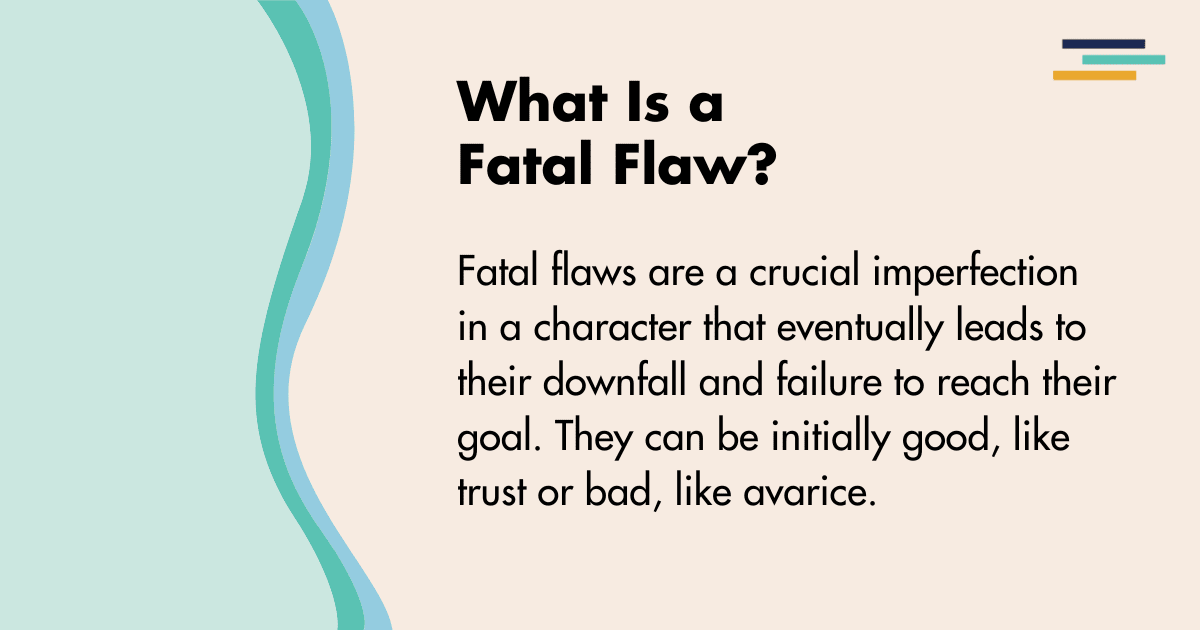
In the intricate and ever-evolving landscape of technology, the concept of a “fatal flaw” carries significant weight. Far more than a mere bug or a minor inconvenience, a fatal flaw represents a fundamental vulnerability, a critical design error, or a strategic misstep so profound that it can lead to catastrophic failure, render a system unusable, compromise security, or even precipitate the downfall of a product, project, or an entire company. It’s the Achilles’ heel of a technological entity, an inherent weakness that, if unaddressed or exploited, can undermine its very existence and purpose.
From the elegant lines of software code to the complex architecture of cloud infrastructure, from the innovative promise of a new gadget to the sprawling network of digital services, no technological endeavor is entirely immune to the potential for such critical imperfections. Understanding what constitutes a fatal flaw, how it manifests, and crucially, how to prevent or mitigate it, is paramount for anyone involved in the creation, deployment, or management of technology today. This article will delve into the various dimensions of fatal flaws within the tech domain, exploring their anatomy, strategic implications, methods for identification and prevention, and learning from historical examples to build more resilient and trustworthy technological futures.
The Anatomy of a Tech Fatal Flaw
A fatal flaw in technology can originate from various stages of a product’s lifecycle, from initial concept to ongoing operation. They are not always obvious and can often lurk beneath the surface, only revealing themselves under specific conditions or pressures. Recognizing their diverse forms is the first step towards addressing them.
Design & Architectural Miscalculations
At the very foundation of any technological system lies its design and architecture. A fatal flaw here means that the core blueprint itself is inherently flawed, often making subsequent development and maintenance a continuous struggle or ultimately leading to an unscalable, unmanageable, or insecure product. These are flaws baked in at the earliest stages, making them the most difficult and costly to rectify later.
Early decisions about how a system is structured – whether it’s a monolithic application or a distributed microservices architecture, how data is stored and accessed, or how different components communicate – can become fatal flaws if they fail to anticipate future demands, ignore best practices for resilience, or introduce unnecessary complexity. For instance, designing a system that can only scale vertically (by adding more power to a single server) when horizontal scaling (adding more servers) is required for growth can doom a rapidly expanding service. Similarly, a database schema designed without proper normalization or indexing can cripple performance under load, no matter how powerful the underlying hardware. These miscalculations can lead to intractable performance bottlenecks, security vulnerabilities, or an inability to adapt to changing user needs or market demands.
Security Vulnerabilities
Perhaps the most immediately impactful and widely recognized form of fatal flaw is the security vulnerability. These are weaknesses in software, hardware, or operational processes that an attacker can exploit to gain unauthorized access, disrupt service, steal data, or compromise system integrity. In an increasingly interconnected world, where every piece of technology is a potential target, a critical security flaw can have devastating consequences for individuals, businesses, and even national infrastructure.
Examples range from simple coding errors like buffer overflows or SQL injection flaws, which allow attackers to execute arbitrary code or manipulate database queries, to more complex logical flaws that bypass authentication or authorization mechanisms. The widespread adoption of third-party libraries and open-source components has introduced another layer of risk, where a flaw in a single widely used component can ripple across countless applications. Zero-day exploits, unknown to developers and without immediate patches, represent the most critical of these, often exploited before any defense can be mounted. Beyond code, insecure configurations, weak access controls, or even social engineering tactics enabled by poor process design can constitute fatal security flaws, leading to breaches that erode trust, incur massive financial losses, and result in regulatory penalties.
Performance & Scalability Bottlenecks
In the digital age, speed, responsiveness, and the ability to handle growing user bases are not luxuries but necessities. Performance and scalability bottlenecks arise when a system struggles to meet these demands, often becoming a fatal flaw for applications that experience rapid growth or operate in high-demand environments. These flaws prevent a system from operating efficiently or expanding effectively, leading to poor user experience, lost revenue, and ultimately, user abandonment.
A fatal performance flaw might manifest as slow loading times, freezing applications, or unresponsive interfaces, frustrating users and driving them away. These issues can stem from inefficient algorithms, excessive database queries, poor network utilization, or inadequate hardware resources. Scalability bottlenecks, on the other hand, are often architectural. A system might work perfectly with a few hundred users but grind to a halt with thousands or millions. This could be due to a single point of failure in the architecture, a database that cannot be sharded, an inefficient caching strategy, or a lack of load balancing. When a system cannot grow with its user base, its potential is capped, and it risks being outcompeted by more robust solutions.
Beyond the Code: Strategic & Ethical Fatal Flaws
While technical flaws are critical, not all fatal flaws reside purely in the code or hardware. Many arise from strategic misjudgments, ethical oversights, or an incomplete understanding of the market and user base. These non-technical fatal flaws can be just as, if not more, destructive to a technology product or company.
Misguided Product-Market Fit
A common and often fatal flaw for startups and established companies alike is developing a product that doesn’t genuinely solve a problem for a significant market segment, or one that users simply don’t want or need. This is a “misguided product-market fit,” and it’s a strategic flaw that renders all the technical brilliance irrelevant. No matter how well-engineered or elegantly designed a product is, if it doesn’t resonate with its target audience, it is doomed to fail.
This can happen when companies become too insular, developing products based on internal assumptions rather than rigorous market research, user feedback, and iterative testing. It can manifest as “feature bloat,” where a product is overloaded with unnecessary functionalities, making it complex and difficult to use. Conversely, a product might lack essential features that users expect or require. Ignoring user feedback, failing to understand cultural nuances in different markets, or misjudging the timing of a market entry can all contribute to this fatal flaw. The result is often significant investment in a product that garners little adoption, leading to its eventual withdrawal.
Ethical & Societal Implications
As technology becomes more pervasive and deeply integrated into daily life, the ethical and societal implications of its design and deployment have emerged as a critical consideration. A fatal flaw here is not about a system breaking down, but about a system causing harm – intentionally or unintentionally – to individuals, communities, or democratic processes.
Examples include algorithmic bias, where AI systems, trained on unrepresentative or biased data, perpetuate and amplify existing societal inequalities, impacting decisions in areas like hiring, lending, or even criminal justice. Data privacy breaches, whether due to negligence or malicious intent, erode trust and can have severe consequences for individuals whose personal information is exposed. The design of platforms that encourage addiction, spread misinformation, or facilitate harassment can also be considered a fatal flaw, leading to calls for regulation, public backlash, and reputational damage. Companies are increasingly being held accountable not just for what their technology does, but for what it enables and how it impacts society. Failing to consider and proactively address these ethical dimensions can prove to be a fatal misstep in the long run.
Business Model & Ecosystem Weaknesses
Even brilliant technology can fail if its underlying business model or its integration within a broader ecosystem is flawed. This refers to an unsustainable economic structure, an over-reliance on a single partner, or an inability to adapt to changes in the surrounding technological or market landscape.
A business model might be fatally flawed if its cost structure is unsustainable, if it relies on revenue streams that are not viable long-term, or if it struggles to monetize its user base effectively. For example, offering a service for free indefinitely without a clear path to profitability can be a fatal flaw for a startup. Similarly, an over-reliance on a single third-party vendor or platform (e.g., exclusively building an app for a dying operating system, or depending on a single API that could be revoked) introduces significant fragility. A lack of interoperability with other systems, or an inability to foster a supportive developer or user ecosystem, can also limit growth and adoption. In today’s interconnected world, a technology product doesn’t exist in a vacuum; its success is often tied to its ability to thrive within a complex web of users, partners, competitors, and regulatory bodies.
Identifying and Mitigating Fatal Flaws
The good news is that fatal flaws are not always inevitable, and even when they emerge, they can often be identified and mitigated before they cause irreparable damage. This requires a proactive, multi-faceted approach throughout the entire technology lifecycle.
Proactive Design & Development Practices
The most effective way to address fatal flaws is to prevent them from being introduced in the first place. This involves shifting the focus left, integrating quality and security considerations from the very beginning of the design and development process.
Techniques like threat modeling help identify potential security vulnerabilities early by analyzing a system’s architecture and potential attack vectors. Robust testing strategies – including unit tests, integration tests, system tests, and acceptance tests – are crucial for catching bugs and functional defects. Code reviews and pair programming foster collective ownership and help identify logical flaws and bad practices. Embracing principles like “secure by design” and “privacy by design” ensures that security and privacy are fundamental requirements, not afterthoughts. Furthermore, thorough architectural reviews involving experienced engineers can identify scalability and performance bottlenecks before a single line of code is written, ensuring that the foundational design is sound and future-proof.
Continuous Monitoring & Feedback Loops
No system is static, and new flaws can emerge as technologies evolve, user behaviors change, or new threats arise. Continuous vigilance is therefore essential. Implementing comprehensive monitoring and feedback loops ensures that potential fatal flaws are detected and addressed promptly.
This includes observability tools that provide real-time insights into system performance, error rates, and resource utilization, allowing teams to identify anomalies quickly. Bug bounty programs incentivize ethical hackers to discover and report vulnerabilities before malicious actors can exploit them. Regular security audits and penetration testing simulate real-world attacks to uncover hidden weaknesses. Crucially, establishing strong incident response plans ensures that when a critical flaw or outage occurs, teams can react quickly, mitigate impact, and restore service, while conducting blameless post-mortems to learn from failures and prevent recurrence. Collecting and analyzing user feedback through surveys, analytics, and direct engagement is also vital for identifying product-market fit issues and usability flaws.
Fostering a Culture of Quality and Accountability
Ultimately, technology is built by people, and organizational culture plays a pivotal role in preventing and managing fatal flaws. A culture that prioritizes quality, security, and continuous improvement is a powerful defense mechanism.
This involves investing in developer training to ensure teams are up-to-date with best practices, secure coding guidelines, and emerging technologies. It means promoting clear ownership and accountability for different components and features, ensuring that someone is always responsible for the integrity of their part of the system. A blameless culture around incidents encourages transparency and learning from mistakes rather than assigning blame, leading to more robust systems. Furthermore, empowering teams to make decisions, providing them with the necessary resources, and fostering an environment where challenging assumptions and raising concerns is encouraged, are all critical components. When everyone understands the potential impact of their work and feels empowered to contribute to its quality, the likelihood of fatal flaws slipping through dramatically decreases.
Case Studies: Learning from Catastrophic Failures
History is replete with examples of technological endeavors brought down by fatal flaws. Studying these provides invaluable lessons.
High-Profile Security Breaches
The Equifax data breach of 2017 is a stark reminder of how a single, unpatched security vulnerability can have catastrophic consequences. A known flaw in the Apache Struts web framework, which Equifax failed to patch for months, allowed attackers to access the personal data of over 147 million people. This was a fatal flaw in security hygiene and patch management, leading to massive financial and reputational damage. Similarly, the SolarWinds supply chain attack of 2020 demonstrated a fatal flaw in trust – attackers compromised the software update mechanism of a widely used IT management tool, distributing malware to thousands of government agencies and corporations. This highlighted vulnerabilities in the software supply chain itself, revealing a systemic flaw in how organizations trust third-party software.
Product Disasters & Market Rejection
Google Wave, launched in 2009, was an ambitious collaboration tool lauded for its technical innovation. However, it suffered from a fatal flaw in product-market fit and usability. Users struggled to understand its purpose, found it overly complex, and it failed to integrate seamlessly into existing workflows. Despite its technological prowess, it was confusing and didn’t solve a clear, immediate problem for enough people, leading to its demise. Similarly, Microsoft Zune, intended to compete with Apple’s iPod, was technically competent but suffered from a fatal flaw of being “too little, too late.” It lacked compelling differentiation, struggled with an integrated ecosystem, and failed to capture significant market share against a dominant incumbent. These examples illustrate that even great engineering cannot compensate for a lack of genuine user need or a viable market strategy.
Scalability Nightmares
Early social media platforms and rapidly growing online services frequently faced scalability nightmares. A classic example is the early days of Twitter, which famously experienced frequent “Fail Whale” outages. Its architecture, initially a monolithic Ruby on Rails application backed by MySQL, struggled immensely under the weight of exponential user growth. This was a fatal flaw in architectural anticipation and proactive scaling. The system simply wasn’t designed to handle the massive concurrent traffic it eventually received, leading to frustrating downtime until a complete architectural overhaul was implemented, migrating to more distributed systems and technologies like Scala, Java, and a mix of databases. This illustrates how an initially functional system can harbor a fatal flaw if it cannot gracefully grow with its user base, transforming success into an operational nightmare.
The Future of Flaw Prevention: AI and Automation
As technology becomes more complex, the task of identifying and preventing fatal flaws is becoming increasingly challenging for human teams alone. The future of flaw prevention will heavily rely on advanced AI and automation.
AI-Powered Code Analysis & Testing
Artificial intelligence is increasingly being deployed to augment human efforts in ensuring code quality and security. AI-powered static and dynamic code analysis tools can identify patterns indicative of vulnerabilities, performance issues, and logical flaws with greater speed and accuracy than traditional methods. These tools can learn from vast datasets of existing code and known vulnerabilities, offering predictive insights. Furthermore, AI-driven testing platforms can autonomously generate test cases, explore edge scenarios, and identify potential failure points that human testers might miss, dramatically improving test coverage and effectiveness. This helps shift flaw detection even further left, catching issues during development rather than after deployment.
Predictive Analytics for System Health
Beyond code, AI and machine learning are transforming how we monitor and manage live systems. Predictive analytics can analyze vast streams of operational data – logs, metrics, network traffic – to identify subtle anomalies and anticipate potential performance bottlenecks or system failures before they occur. By learning normal system behavior, AI models can flag deviations that indicate impending issues, allowing teams to proactively intervene and prevent a fatal flaw from manifesting as an outage or degradation of service. This proactive maintenance significantly reduces downtime and improves system reliability.
Intelligent Incident Response
When a critical flaw does lead to an incident, AI and automation can dramatically accelerate the response. Intelligent incident response systems can automatically analyze alerts, correlate data from various sources, diagnose the root cause of an issue, and even suggest remediation steps. In some cases, AI can initiate automated recovery actions, such as rerouting traffic, restarting services, or deploying patches, without human intervention. This rapid, intelligent response minimizes the impact of fatal flaws, ensuring business continuity and maintaining user trust in the face of unforeseen challenges.

Conclusion
A fatal flaw in technology is more than a simple imperfection; it is a profound weakness that can undermine the very purpose and existence of a product, system, or organization. Whether rooted in fundamental design errors, critical security vulnerabilities, performance bottlenecks, strategic miscalculations, or ethical oversights, these flaws demand rigorous attention and a proactive approach.
The relentless pursuit of innovation often means walking a tightrope between speed and quality. However, the cost of neglecting fatal flaws – in terms of financial losses, reputational damage, and lost user trust – far outweighs the perceived time savings. By adopting proactive design and development practices, implementing continuous monitoring and feedback loops, fostering a strong culture of quality and accountability, and embracing the power of AI and automation, we can significantly reduce the incidence and impact of these critical imperfections. In the dynamic world of technology, the journey to eliminate fatal flaws is continuous, but it is a journey essential for building resilient, secure, and trustworthy digital experiences that truly serve humanity.
aViewFromTheCave is a participant in the Amazon Services LLC Associates Program, an affiliate advertising program designed to provide a means for sites to earn advertising fees by advertising and linking to Amazon.com. Amazon, the Amazon logo, AmazonSupply, and the AmazonSupply logo are trademarks of Amazon.com, Inc. or its affiliates. As an Amazon Associate we earn affiliate commissions from qualifying purchases.