
In the ever-evolving landscape of home technology, where convenience meets cutting-edge design, kitchen appliances have undergone a remarkable transformation. Among the innovations designed to redefine kitchen aesthetics and functionality, the downdraft range stands out as a sophisticated solution for modern culinary spaces. Far more than just a stove, a downdraft range is an integrated system that combines a cooktop with a ventilation unit, effectively eliminating the need for a traditional overhead range hood. This ingenious design choice not only frees up valuable space and preserves sightlines in open-concept homes but also represents a significant leap in how kitchens are engineered for efficiency and style. For those seeking to understand the mechanics, benefits, and technological underpinnings of this sleek appliance, delving into its core components and operational principles reveals a fascinating blend of engineering and design prowess.
The Core Technology Behind Downdraft Ranges
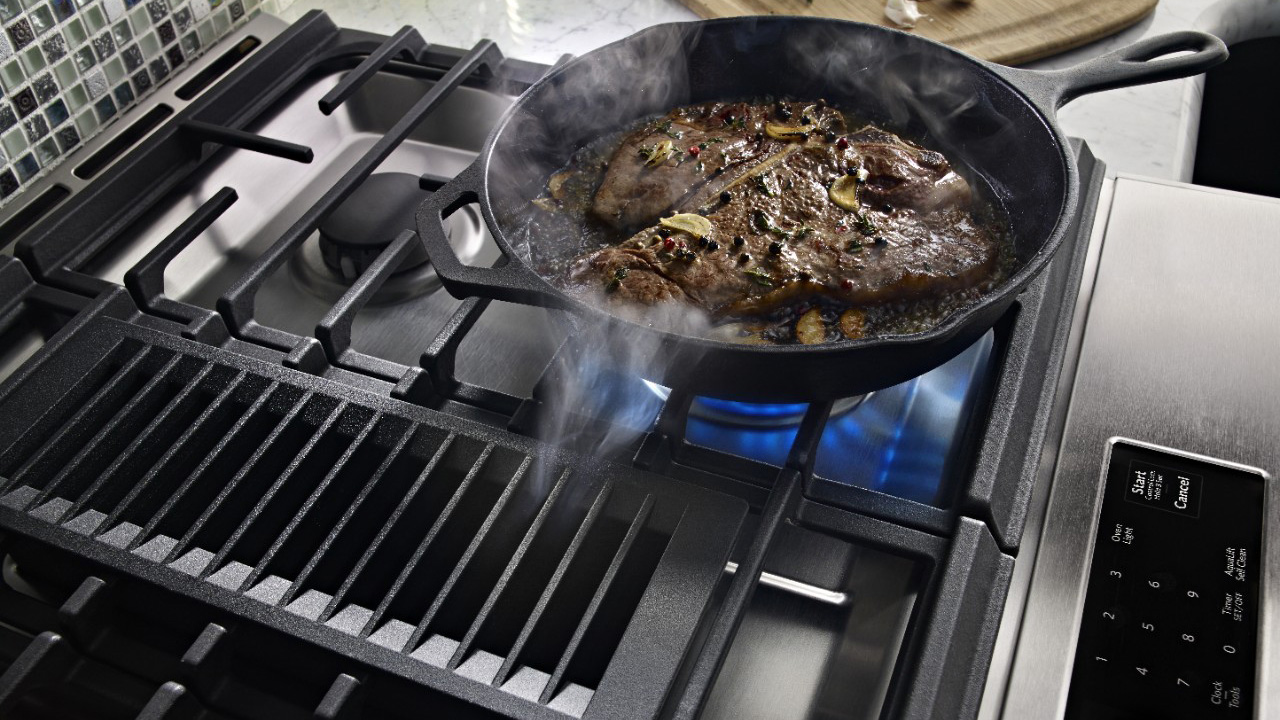
At its heart, a downdraft range is an exercise in intelligent engineering, integrating complex ventilation mechanics directly into the cooking surface. This technological marvel addresses the age-old problem of smoke, steam, and cooking odors by redirecting them downwards, rather than upwards, creating a cleaner and more aesthetically pleasing kitchen environment.
Integrated Ventilation System
The defining feature of a downdraft range is its integrated ventilation system. Unlike traditional range hoods that pull air upwards, downdraft systems employ a powerful fan motor to draw air, steam, grease, and odors down through vents located on or beside the cooktop. This air is then channeled through a series of filters and either exhausted outside the home (ducted system) or recirculated back into the kitchen after purification (ductless system). The effectiveness of this system hinges on the physics of air movement and fan power. Modern downdraft ranges often feature retractable vent systems that rise from the cooktop surface when in use and disappear when not needed, offering an ultra-sleek, minimalist aesthetic. This mechanism is typically motor-driven, providing a smooth and controlled operation that adds a touch of futuristic elegance to the kitchen. The downward suction creates a localized capture zone, pulling contaminants away from the chef and into the ventilation pathway before they have a chance to disperse into the room.
Cooktop Features and Power
The cooktop component of a downdraft range is as technologically advanced as its ventilation system. These ranges are available across all primary cooktop types: electric, gas, and induction, each bringing its own set of technological benefits. Electric downdraft ranges often feature radiant or smooth-top ceramic glass surfaces, offering easy cleaning and precise temperature control through electronic sensors. Gas downdraft ranges provide the instant heat and flame control preferred by many professional chefs, with advanced burner designs for even heat distribution and safety features like automatic reignition. Induction downdraft ranges represent the pinnacle of energy efficiency and cooking precision, utilizing electromagnetic fields to heat cookware directly, resulting in faster cooking times, lower energy consumption, and a safer, cooler cooking surface. The integration of these various cooktop technologies with the downdraft ventilation requires careful design to ensure that the cooktop’s heat output and the ventilation’s suction power are harmonized for optimal performance, ensuring that cooking vapors are effectively captured without interfering with the cooking process itself.
Filtration and Airflow Mechanics
The efficacy of a downdraft range’s ventilation relies heavily on its filtration and airflow mechanics. All downdraft systems incorporate grease filters, typically made of aluminum mesh, designed to trap airborne grease particles before they can enter the fan motor or ductwork. These filters are often dishwasher-safe, making maintenance straightforward. For ductless (recirculating) systems, charcoal filters are also included. These activated carbon filters are crucial for absorbing cooking odors and smoke particles before the air is returned to the kitchen. The fan motor, measured in Cubic Feet per Minute (CFM), dictates the volume of air the system can move. Higher CFM ratings indicate more powerful ventilation, essential for capturing strong odors and heavy smoke, particularly when searing or frying. Advanced downdraft systems employ multi-speed fans, allowing users to adjust the ventilation power based on their cooking needs, minimizing noise while maximizing efficiency. The internal ducting and baffling within the range are meticulously designed to ensure smooth airflow, reduce turbulence, and optimize the capture rate of airborne contaminants, contributing significantly to a healthy and pleasant kitchen environment.
Design Innovations and Space Optimization
Downdraft ranges are not just about superior functionality; they are also a statement in contemporary kitchen design. Their inherent ability to merge form and function has made them a favored choice for modern homes where aesthetic appeal and spatial efficiency are paramount.
Sleek Aesthetics and Kitchen Integration
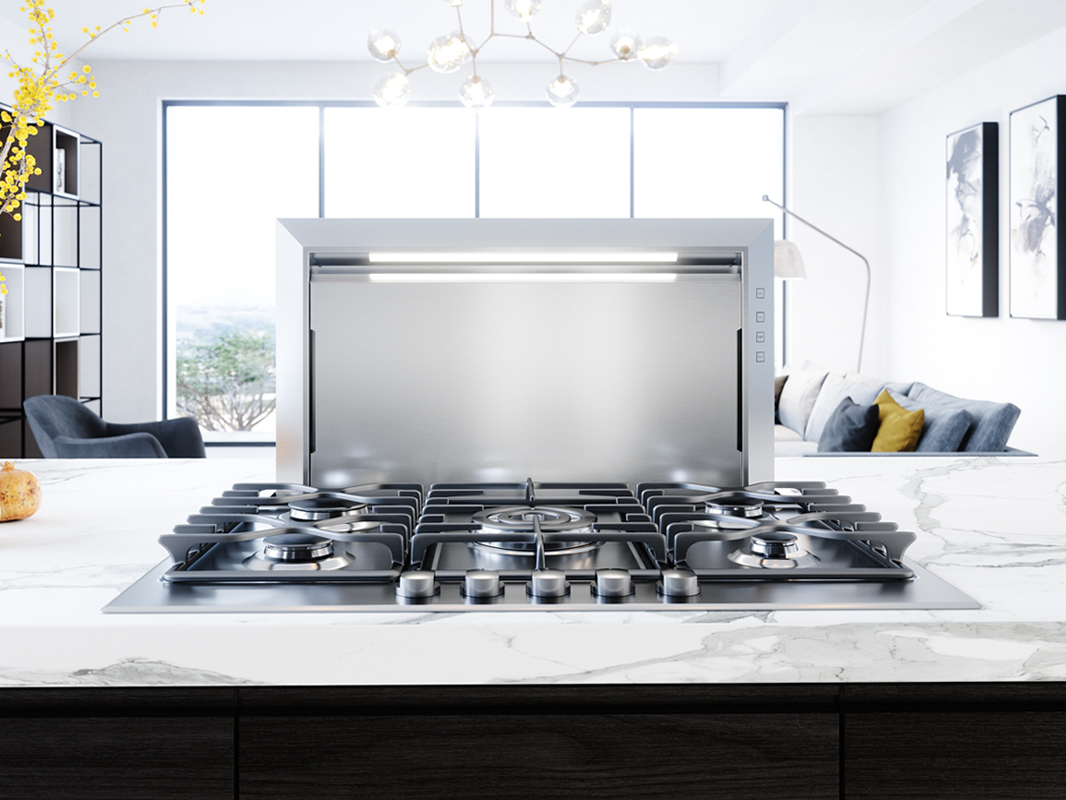
One of the most compelling advantages of downdraft ranges is their contribution to an uncluttered and expansive kitchen aesthetic. By eliminating the bulky overhead hood, these ranges allow for uninterrupted sightlines, making them ideal for island installations, open-concept kitchens, or kitchens with large windows where an overhead vent would obscure the view. The sleek profile, especially with retractable models that disappear flush with the countertop when not in use, creates a seamless and minimalist look. This integration allows for greater design freedom, enabling homeowners and designers to prioritize cabinetry, lighting, and other architectural features without the dominance of a traditional ventilation system. The choice of materials, from stainless steel to sophisticated glass surfaces, further enhances their high-tech appeal, blending effortlessly with other modern kitchen appliances and finishes to create a cohesive and sophisticated culinary workspace.
Installation Considerations and Flexibility
While offering significant design benefits, downdraft ranges do come with specific installation considerations that differentiate them from conventional ranges. They require specialized countertop cutouts to accommodate both the cooktop and the integrated ventilation system, which can be more complex than standard cutouts. More importantly, the routing of ductwork is a critical factor. Ducted systems require careful planning for either under-floor or through-cabinetry ducting to an exterior wall or roof vent. This can sometimes involve more extensive renovation work compared to simply installing an overhead hood. However, the flexibility offered by ductless recirculating options, which only require an electrical outlet, provides an alternative for kitchens where external venting is impractical or impossible. The choice between ducted and ductless also impacts performance, with ducted systems generally offering superior contaminant removal. Furthermore, gas downdraft ranges will require a gas line connection, while electric and induction models need dedicated electrical circuits, all of which must be planned meticulously during the design and construction phase to ensure safety and optimal operation.
Comparison with Traditional Ventilation
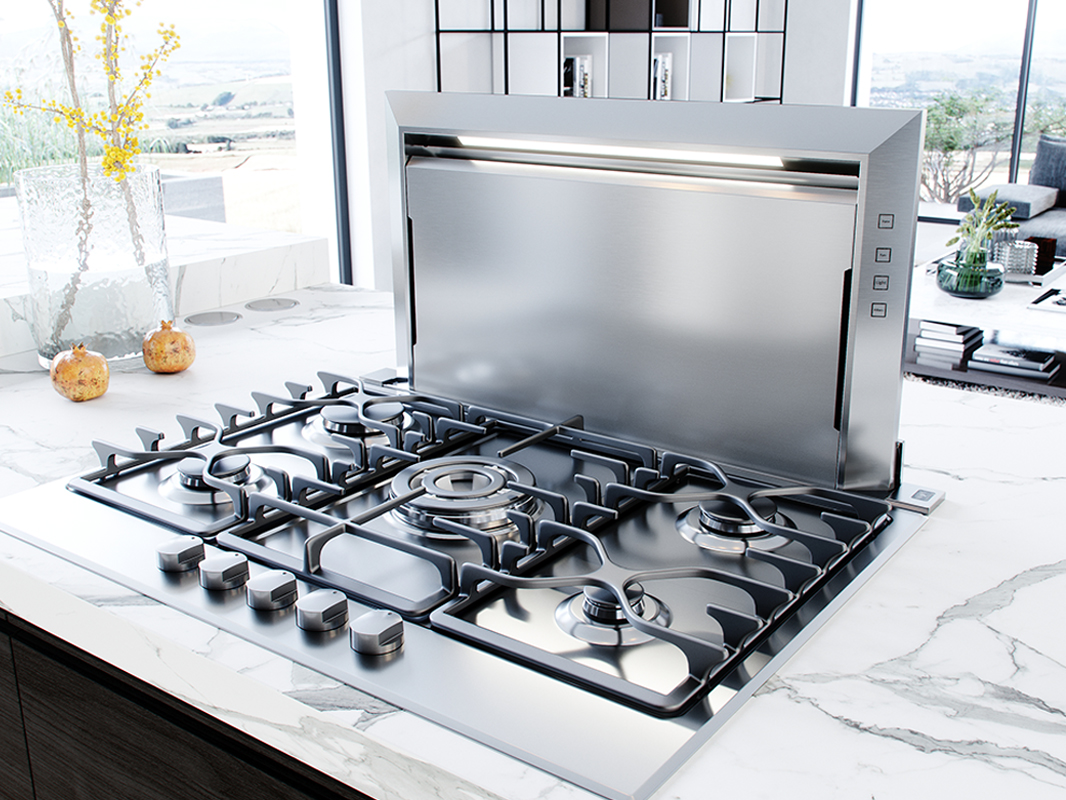
When evaluating downdraft ranges, it’s insightful to compare them directly with traditional overhead ventilation systems. The primary pro of downdraft technology is undeniably its aesthetic appeal and space-saving nature, liberating the kitchen from the visual bulk of a hood. This is a significant advantage in modern architectural designs. However, traditional overhead hoods, especially high-CFM professional-grade models, often have an advantage in terms of sheer capture effectiveness. Hot cooking vapors naturally rise, and an overhead hood leverages this principle to pull them directly upwards. A downdraft system, while powerful, must overcome this natural upward flow, sometimes requiring higher fan speeds or strategic placement to capture all rising steam and smoke, particularly from taller pots. Nonetheless, advancements in downdraft technology, including improved fan designs and larger capture areas, have significantly narrowed this performance gap, making them increasingly competitive. The decision often boils down to a balance between desired aesthetics, kitchen layout, installation complexity, and specific cooking habits.
Performance, User Experience, and Smart Features
Beyond their visual appeal and fundamental mechanics, downdraft ranges are judged on their day-to-day performance, the user experience they offer, and their integration into the broader smart home ecosystem. These aspects define their true value in a modern kitchen.
Cooking Performance and Even Heating
The cooking performance of a downdraft range is intrinsically linked to the quality of its cooktop technology. Whether electric, gas, or induction, manufacturers strive for even heat distribution across all burners or zones. For gas models, advanced burner designs with varying BTU outputs cater to different cooking needs, from high-heat searing to delicate simmering. Electric radiant cooktops utilize sophisticated heating elements beneath a ceramic glass surface to provide consistent heat. Induction cooktops, renowned for their precision, offer instantaneous heat adjustments and highly uniform heating, directly impacting the cookware. The presence of the downdraft vent, while efficient, is designed not to interfere with the cooking process. Manufacturers ensure that the airflow does not cool down the cooking surface or disrupt flame patterns, maintaining optimal conditions for culinary endeavors. User feedback often highlights the responsiveness and reliability of temperature control as key strengths, enabling chefs to execute complex recipes with confidence and precision.
Noise Levels and Operation
One common concern with any ventilation system is noise. Powerful fans, by their nature, can generate considerable sound. Manufacturers of downdraft ranges are keenly aware of this and employ various technologies to mitigate noise levels without compromising performance. This includes using quieter motor designs, sound-dampening materials within the housing, and aerodynamic fan blades that reduce air turbulence. Many models feature multiple fan speeds, allowing users to select a lower, quieter setting for less intensive cooking and reserving higher, noisier speeds for heavy-duty tasks like frying. The goal is to provide effective ventilation that is noticeable but not disruptive to kitchen conversations or other activities. Decibel ratings are often provided in product specifications, enabling consumers to compare models and choose one that aligns with their tolerance for operational sound, thereby enhancing the overall user experience in the kitchen.
Smart Technology Integration
In line with the pervasive trend of smart home technology, many contemporary downdraft ranges now feature advanced connectivity. Wi-Fi integration allows users to control the range remotely via a smartphone app, enabling functions like preheating the oven, adjusting cooktop temperatures, or even monitoring cooking progress from another room. Some models incorporate sensor-based ventilation, where the downdraft system automatically adjusts its fan speed based on detected heat or steam levels from the cooktop. This hands-free operation enhances convenience and ensures optimal ventilation efficiency. Furthermore, downdraft ranges can often integrate with broader smart home ecosystems, allowing for voice control through virtual assistants or synchronization with other smart kitchen appliances, such as smart lighting that adjusts when the range is in use. These smart features not only elevate the user experience but also contribute to energy efficiency by ensuring that ventilation is only as powerful as needed, reflecting a growing demand for intelligent, interconnected kitchen environments.
Maintenance, Durability, and Future Trends
Like all sophisticated appliances, downdraft ranges require appropriate maintenance to ensure longevity and consistent performance. Understanding their durability and peering into future trends helps position them within the broader narrative of evolving kitchen technology.
Cleaning and Filter Replacement
Regular maintenance is crucial for the optimal performance and hygiene of a downdraft range. The cooktop surface, whether ceramic glass, stainless steel, or grates, should be cleaned after each use to prevent buildup and maintain its aesthetic appeal. For the ventilation system, the grease filters are the primary component requiring attention. These mesh filters collect grease and airborne particulates and should be cleaned regularly, typically by handwashing or in a dishwasher, as per manufacturer instructions. Neglecting grease filter cleaning can reduce ventilation efficiency and potentially pose a fire hazard. For ductless recirculating systems, the charcoal filters, responsible for odor absorption, have a finite lifespan and need to be replaced periodically, usually every 6-12 months, depending on usage. While replacing these filters is a straightforward process, consistency is key to ensuring the air returned to the kitchen remains clean and odor-free. Accessing internal components for cleaning or troubleshooting is usually designed to be user-friendly, supporting DIY maintenance for basic tasks.
Longevity and Build Quality
The durability of a downdraft range is a testament to its build quality and the materials used in its construction. High-grade stainless steel, robust tempered glass, and durable enamel coatings are standard in premium models, designed to withstand the rigors of daily cooking and cleaning. The motors for both the fan and the retractable vent mechanism are engineered for longevity, typically featuring sealed bearings and quality components to ensure reliable operation over many years. Electronic controls and touch interfaces are also built to be resilient, resisting common kitchen spills and heavy use. Manufacturers often back their products with comprehensive warranties, reflecting their confidence in the appliance’s lifespan. While no appliance is entirely immune to wear and tear, investing in a downdraft range from a reputable brand usually ensures a robust product designed for a prolonged service life, making it a sustainable addition to a technologically advanced kitchen.
The Future of Integrated Kitchen Appliances
The trajectory of downdraft ranges points towards even greater integration, intelligence, and energy efficiency. Future advancements are likely to focus on enhanced sensor technology capable of detecting specific cooking fumes and adjusting ventilation accordingly, possibly even differentiating between various food types. We can anticipate more sophisticated air purification systems that not only filter grease and odors but also neutralize bacteria and allergens, contributing to a healthier indoor air quality. Further miniaturization of components could lead to even more compact and seamlessly integrated designs, perhaps making the ventilation system completely invisible until activated. Modular kitchen concepts, where appliances can be easily swapped or upgraded, might also see downdraft ranges designed with greater interchangeability. Energy efficiency will remain a key driver, with developments in variable-speed motors and smart power management systems to minimize electricity consumption. As kitchens evolve into central hubs of smart homes, downdraft ranges will undoubtedly play a crucial role in shaping the aesthetic and functional future of culinary technology, offering an increasingly personalized and intuitive cooking experience.
In conclusion, the downdraft range represents a significant technological advancement in kitchen appliance design, offering a sleek, space-saving alternative to traditional overhead ventilation. Its integrated technology, combining powerful cooktop features with efficient downward ventilation, makes it an attractive choice for modern kitchens prioritizing both aesthetics and functionality. While demanding specific installation considerations, its benefits in terms of design freedom, performance, and increasingly, smart home integration, firmly position it as a sophisticated and insightful choice for contemporary culinary spaces. As kitchen technology continues to evolve, downdraft ranges are poised to become even more intelligent, efficient, and seamlessly integrated, further cementing their role in defining the future of residential cooking.
aViewFromTheCave is a participant in the Amazon Services LLC Associates Program, an affiliate advertising program designed to provide a means for sites to earn advertising fees by advertising and linking to Amazon.com. Amazon, the Amazon logo, AmazonSupply, and the AmazonSupply logo are trademarks of Amazon.com, Inc. or its affiliates. As an Amazon Associate we earn affiliate commissions from qualifying purchases.