
In an age dominated by digital footprints and carefully curated corporate images, the concept of a “brand” might seem like a distinctly modern invention. Yet, the principles of identity, recognition, and symbolic power are as ancient as human civilization itself. When we ask “what is a diadem in the Bible,” we’re not just seeking a historical definition of an ornamental headband; we’re delving into one of history’s earliest and most potent forms of personal and institutional branding. In the biblical narrative, the diadem served as an unmistakable visual cue, signifying divine appointment, earthly sovereignty, and a distinct “brand” of authority that commanded respect, allegiance, and often, fear.
This deep dive will explore the diadem not merely as a piece of jewelry, but as a sophisticated branding tool within ancient biblical societies. We will uncover how this ancient symbol communicated power, established identity, and differentiated leaders, offering profound insights into the enduring nature of branding, even millennia before the advent of marketing agencies or branding workshops.
The Diadem as a Core Element of Ancient Personal Branding
Before the era of trademarks and brand guidelines, individuals, especially those in positions of leadership, relied heavily on visual semiotics to convey their identity, authority, and the source of their power. The diadem was a prime example of such an ancient branding element.
Defining the Diadem: More Than Just an Adornment
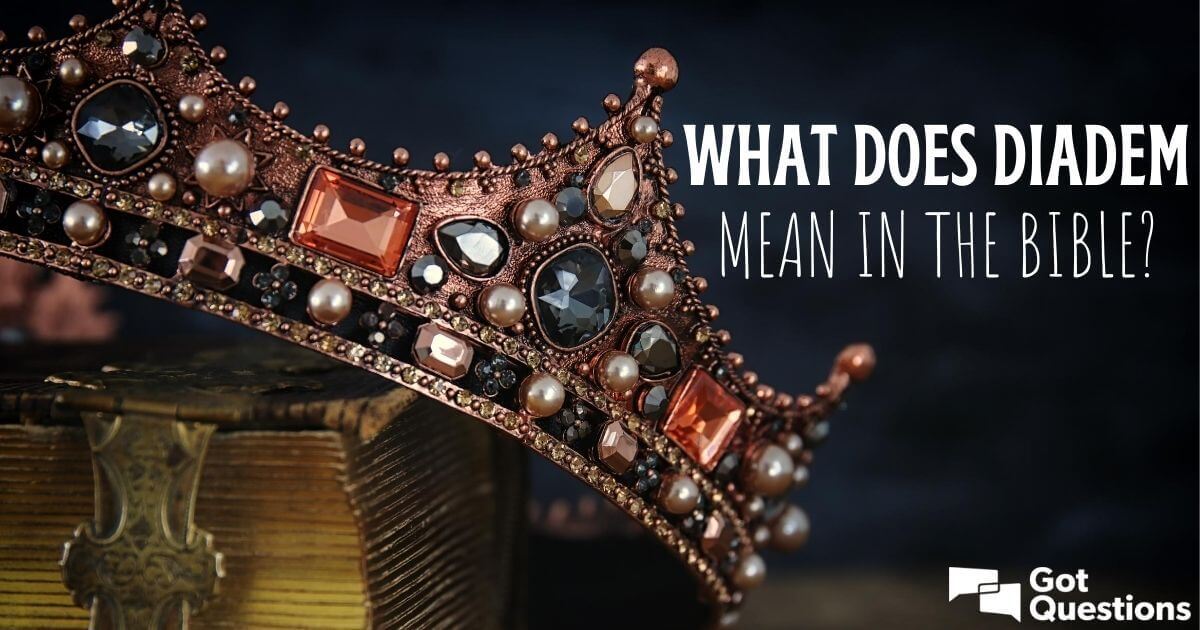
At its most basic, a diadem is a type of headband or crown, often made of precious metals and adorned with jewels, worn by royalty or those in high office. However, its significance far transcends its material value. In the biblical context, the Hebrew word for diadem, “nezer,” often implies a mark of consecration or separation for a holy purpose, while “keter” (a crown) and “atara” (a wreath or circlet) also feature, sometimes used interchangeably but with subtle distinctions that are critical for understanding their ‘brand’ messaging.
The diadem was not merely fashion; it was a non-verbal declaration. It told onlookers, immediately and unequivocally, “This person holds authority.” It was a powerful, portable brand identity, instantly communicating the wearer’s status, their right to rule, and often, their connection to a higher power – a form of divine endorsement that no marketing campaign could ever replicate.
Visual Semiotics: How Ancient Regalia Communicated Status
The study of semiotics teaches us that symbols carry meaning, and ancient societies were masters of visual communication. A diadem, particularly one worn by a monarch or high priest, was loaded with symbolic capital. It wasn’t just what the diadem was made of, but who wore it, and what occasion it was worn for, that imbued it with brand power.
For instance, the sheer presence of a diadem distinguished the wearer from the common populace. It was an exclusionary brand mark, accessible only to a select few. This exclusivity itself communicated value and prestige, reinforcing the wearer’s unique position at the apex of the social or religious hierarchy. The materials used – gold, silver, precious stones – further reinforced this message, associating the wearer with wealth, power, and divine favor. In a world where literacy was limited, these visual brand cues were paramount for establishing and maintaining social order and political authority.
Establishing Authority: The Diadem as a Mark of Office
In ancient cultures, authority often stemmed from divine mandate. Kings were believed to rule by the will of the gods, and priests served as direct intermediaries. The diadem served as a tangible manifestation of this intangible authority. It was a seal of office, a visual confirmation of their legitimate right to govern or minister.
Consider the diadem worn by the High Priest of Israel, as described in Exodus 28:36-38. It was a plate of pure gold inscribed with “HOLINESS TO THE LORD” and attached to a turban. This wasn’t merely a decorative item; it was the ultimate brand statement, communicating the High Priest’s consecrated status, his direct access to God, and his sacred duty to represent the people before Him. This diadem branded him as God’s chosen representative, separating him from all others and legitimizing his religious authority in the eyes of the community.
Biblical Case Studies: Branding Through Royal and Priestly Adornment
The Bible provides numerous instances where diadems and similar headwear function as powerful symbols of brand identity, delineating roles and reinforcing legitimacy within a divinely ordered society.
Kingship and Divine Mandate: The Royal Diadem
Throughout the Old Testament, the diadem (or crown, often used interchangeably in translation for royal headwear) is intrinsically linked with kingship. When Saul is killed, his diadem is brought to David (2 Samuel 1:10), a poignant transfer of authority and a symbolic handover of the ‘brand’ of kingship. This act wasn’t just about possession; it was about the public recognition of a new sovereign, signifying the legitimacy of David’s claim to the throne.
The diadem on a king’s head was more than just a symbol of his power; it was a symbol of his brand – his legitimacy derived from God, his right to command, and his responsibility to his people. It differentiated him from every other individual in the kingdom, setting him apart as the ultimate decision-maker and leader. The ‘brand’ of a king, communicated by his diadem, was one of ultimate authority, divine favor, and the embodiment of the nation’s identity. Any challenge to the diadem was a challenge to the entire brand, and by extension, to the stability of the kingdom itself.
Priestly Consecration: The Diadem of Holiness to the Lord
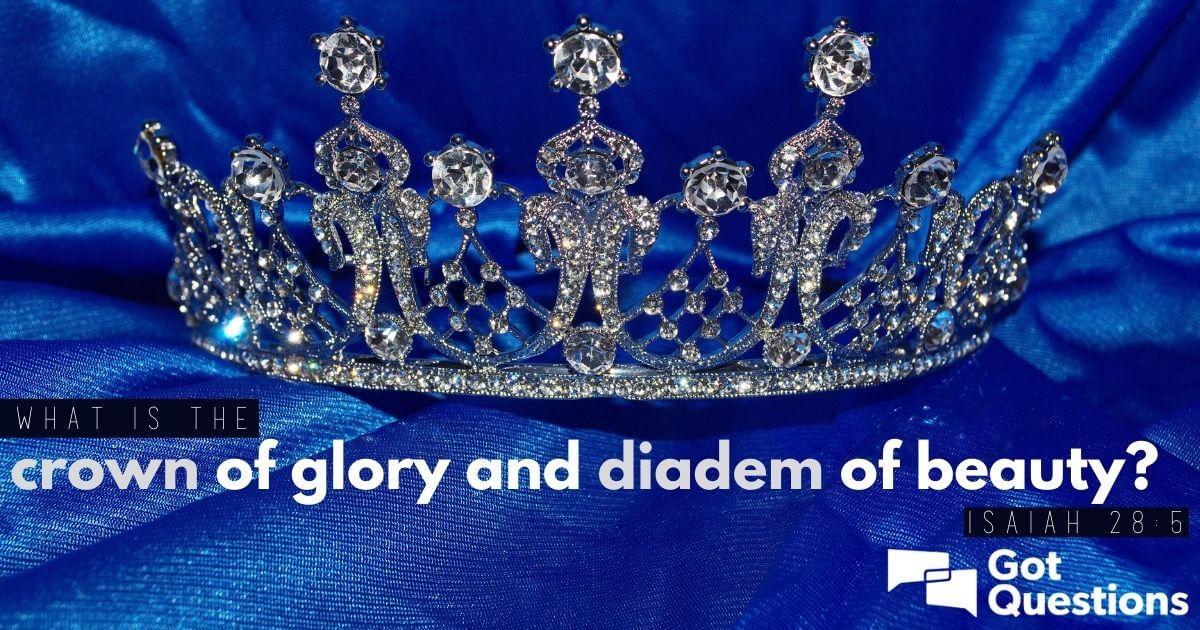
As mentioned, the High Priest’s diadem was perhaps the most explicit example of branding through a sacred emblem. The inscription “HOLINESS TO THE LORD” wasn’t merely a motto; it was the core brand promise of the Israelite priesthood. It declared the High Priest’s singular purpose: to mediate between a holy God and His people, bearing their iniquity and offering sacrifices on their behalf.
This priestly diadem distinguished the High Priest not just as a religious figure, but as a specific kind of religious leader – one consecrated entirely to God’s service. It set the standard for his conduct, reminding both him and the congregation of the profound sanctity of his office. In branding terms, it articulated the unique value proposition of the High Priesthood within the Israelite religious system, conveying trust, sanctity, and divine access.
Differentiating Power: Diadem vs. Crown in Biblical Narratives
While “diadem” and “crown” are often used interchangeably, subtle distinctions exist that reflect different facets of branding. A diadem (nezer) often implies consecration, a binding vow, or a unique separation for a special purpose, which can be royal or priestly. A crown (keter or atara), while also royal, might denote a more general symbol of victory, honor, or kingship without the specific spiritual consecration implied by “nezer.”
For instance, Revelation 12:3 describes a dragon with seven heads and “seven diadems,” symbolizing multiple sources of usurped authority and power. In contrast, Revelation 19:12 depicts Christ returning with “many diadems,” signifying His ultimate and rightful sovereignty over all earthly powers. The use of “diadem” here specifically highlights the inherent authority and dominion, differentiating it from a mere victor’s wreath or a king’s decorative crown. This careful distinction in terminology underscores a nuanced approach to branding – conveying precise messages about the type and source of power being represented.
The Enduring Power of Symbolic Branding: Lessons from Antiquity
The ancient use of the diadem in the Bible offers timeless lessons for modern brand strategists. It demonstrates that effective branding transcends products and services, reaching into the core of identity, purpose, and authority.
Consistency in Communication: What Modern Brands Can Learn
The diadem’s message was consistent: authority, consecration, distinction. There was no ambiguity. For modern brands, this underscores the critical importance of a clear, consistent brand message across all touchpoints. Just as the diadem instantly communicated the wearer’s status, a strong brand identity should instantly convey its core values, mission, and unique selling proposition to its audience. Inconsistency dilutes brand power, much like a counterfeit diadem would undermine a king’s legitimacy.
The Weight of Association: Building a Brand Beyond the Product
The diadem’s power lay not just in its appearance but in its association with divine will and legitimate power. It was an object imbued with immense symbolic weight. Similarly, successful modern brands build associations that go beyond their product. They evoke emotions, values, and aspirations. A diadem wasn’t just a piece of metal; it represented an entire system of governance, belief, and social order. Understanding and leveraging these deeper associations is key to building a brand that resonates on a profound level and fosters unwavering loyalty.
Brand Legacy: How Ancient Symbols Resonate Today
Even today, the image of a crown or diadem immediately conjures notions of royalty, power, and heritage. This enduring symbolic power is a testament to the effectiveness of ancient branding. A strong brand builds a legacy, becoming timeless and transcending generations. The biblical diadem, as a symbol of divine and earthly authority, continues to influence our understanding of power and leadership, demonstrating the lasting impact of well-established brand identity.
Crafting a Brand with Biblical Principles: Authenticity and Purpose
Ultimately, the biblical diadem teaches us that true branding is more than superficial adornment; it is a reflection of inherent worth, divine purpose, and authentic leadership.
Beyond the Ornament: The Inner Qualities of a ‘Branded’ Leader
While the diadem was a potent external symbol, its true power was derived from the character and divine mandate of the one wearing it. A king’s brand was strong not just because of his diadem, but because of his actions, wisdom, and adherence to divine law (or the perception thereof). For modern leaders and businesses, this means that a powerful brand must be built on a foundation of integrity, ethical conduct, and genuine value. The ‘brand’ is not just the logo or the marketing campaign; it’s the sum total of who you are and what you stand for.
Integrity as a Brand Cornerstone: A Timeless Message
The High Priest’s diadem, with “HOLINESS TO THE LORD,” emphasized integrity and consecrated purpose. This serves as a timeless reminder that authenticity and ethical grounding are paramount for any lasting brand. A brand built on deceit or lacking substance will ultimately crumble. Trust, derived from integrity, is perhaps the most valuable currency in branding, whether in ancient Jerusalem or the modern marketplace.

Purpose-Driven Leadership: The Ultimate ‘Diadem’
The diadem in the Bible was a symbol of a divinely appointed purpose. Kings were meant to rule justly, and priests were meant to serve God and His people. This aligns perfectly with the modern emphasis on purpose-driven branding. Brands that understand their “why” and communicate it authentically resonate deeply with their audience. The ultimate “diadem” for any organization or leader today is not a physical ornament, but the clarity of their purpose, the integrity of their actions, and the lasting, positive impact they create. These are the true marks of a brand that stands the test of time, just as the symbolism of the diadem has for millennia.
aViewFromTheCave is a participant in the Amazon Services LLC Associates Program, an affiliate advertising program designed to provide a means for sites to earn advertising fees by advertising and linking to Amazon.com. Amazon, the Amazon logo, AmazonSupply, and the AmazonSupply logo are trademarks of Amazon.com, Inc. or its affiliates. As an Amazon Associate we earn affiliate commissions from qualifying purchases.