
The phrase “college semester” often conjures images of textbooks, lectures, and campus life. At its core, it represents a defined period of academic study, typically lasting between 15 to 17 weeks. However, to truly grasp the significance of a college semester, especially in today’s economic landscape, one must view it not merely as an academic segment but as a critical unit of financial investment. Each semester is a block of time during which resources—time, effort, and crucially, money—are allocated towards the accumulation of knowledge, skills, and credentials that promise future returns. Understanding a college semester from this financial lens is paramount for students, parents, and institutions alike, enabling more informed decisions regarding educational funding, value, and long-term financial health.
Understanding the Academic Framework Through a Financial Lens
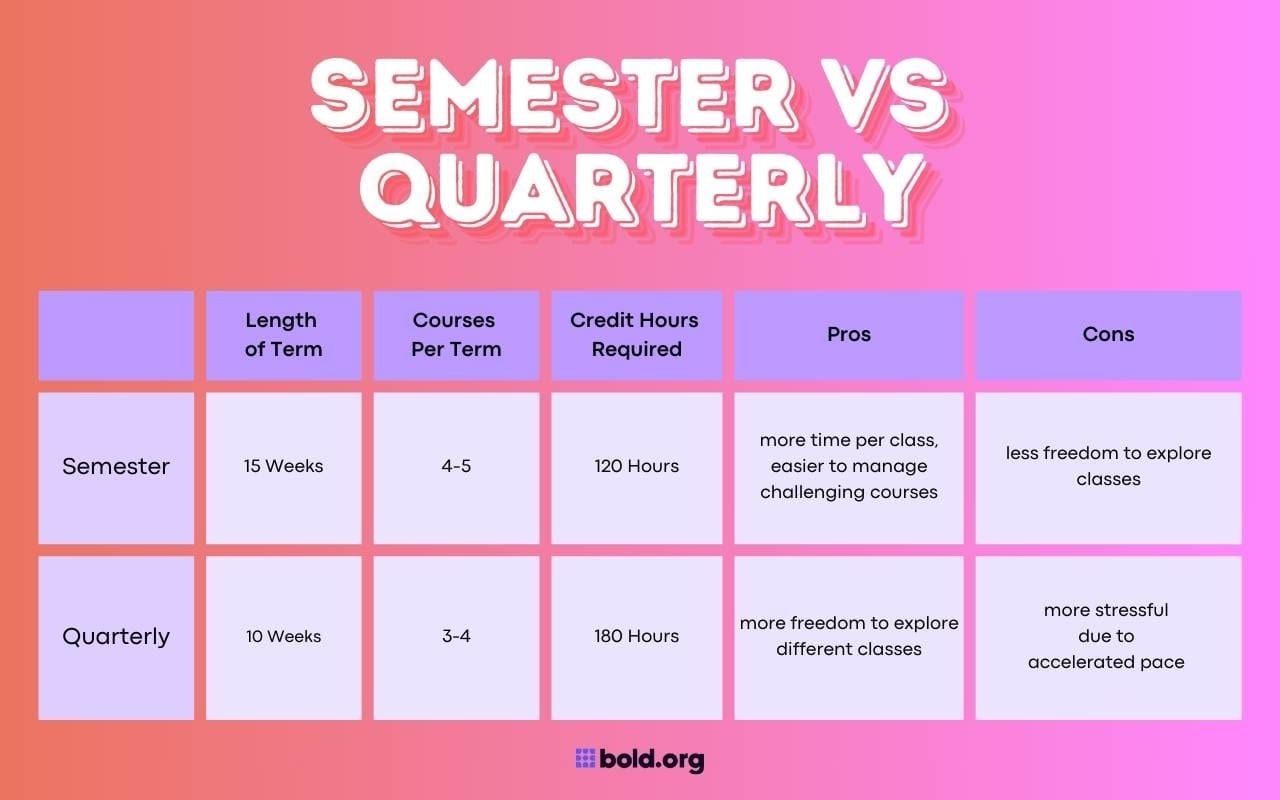
To appreciate the financial weight of a college semester, we must first briefly define its academic parameters and then immediately transition to its economic implications. The traditional semester system is one of the most common academic calendars used by higher education institutions, segmenting the academic year into two primary periods—fall and spring—often with an optional summer session. Within each of these periods, students enroll in a set number of courses, typically ranging from 12 to 18 credit hours, culminating in final exams and grades. This structured approach provides a predictable rhythm for learning, but it also establishes a recurring financial commitment.
The Semester as a Unit of Financial Commitment
From a financial standpoint, each semester represents a distinct budget cycle. It’s a recurring expenditure that encompasses a wide array of costs, both direct and indirect. Unlike a one-time purchase, the investment in higher education through semesters is a staggered, multi-year commitment, each segment demanding its share of funding. This segmented financial structure necessitates ongoing planning, often involving yearly re-evaluations of budgets, financial aid eligibility, and payment strategies. For many families, the arrival of a new semester’s bill is a significant financial event, comparable to a major household expense or investment portfolio review.
Tuition and Fees: The Price Tag of a Semester
The most conspicuous financial component of any college semester is tuition and fees. Tuition is the direct charge for instruction, while fees cover various services, facilities, and administrative costs such as library access, technology resources, health services, and student activity centers. These costs are almost universally calculated on a per-semester or per-credit-hour basis. Public universities often differentiate tuition rates for in-state versus out-of-state students, making the geographical location a significant financial factor in the semester’s overall price tag. Private institutions, while generally having higher tuition, typically charge a flat rate regardless of residency. Understanding how these charges are itemized and billed per semester is crucial for financial transparency and budgeting. A single semester’s tuition and fees can range from a few thousand dollars at community colleges to tens of thousands at elite private universities, representing a substantial portion of an individual’s or family’s annual disposable income or savings.
Navigating the Financial Landscape of a Semester
Successfully navigating higher education requires more than academic prowess; it demands astute financial management, especially when considering the cyclical nature of semester-based expenses. Every semester presents a new set of financial challenges and opportunities, from securing funding to managing daily living costs.
Financial Aid, Scholarships, and Grants: Semester by Semester Support
For many students, the dream of higher education would remain just that without the critical support of financial aid. Loans, scholarships, and grants are often awarded and disbursed on a semester-by-semester basis. Federal student aid, institutional scholarships, and private grants typically have eligibility requirements that must be maintained each semester, such as satisfactory academic progress (SAP). This means a student’s performance in one semester can directly impact their financial support for the next, creating a financial as well as academic incentive to succeed. Understanding the terms and conditions of these aid packages—when they are disbursed, what academic performance is required, and any potential renewal clauses—is vital for ensuring continuous financial coverage throughout one’s academic journey. Missing a deadline for a scholarship application or failing to meet GPA requirements can have immediate and severe financial repercussions for an upcoming semester.
Budgeting and Living Expenses: Managing Funds for a Semester
Beyond tuition and fees, each semester brings with it a host of living expenses that students must budget for. These typically include housing (on-campus dorms or off-campus rent), meal plans or groceries, textbooks and supplies, transportation, and personal expenses. These costs can often rival or even exceed tuition, particularly in urban areas. Effective semester-based budgeting involves planning for these recurring costs, often with funds that might be available only at the beginning of the semester, such as leftover financial aid or savings. Students must learn to stretch their resources across a 15-17 week period, making decisions about discretionary spending versus essential needs. Developing a robust semester budget, tracking expenditures, and making necessary adjustments are essential skills for financial independence and academic success. This continuous budgeting process throughout each semester helps students develop real-world financial literacy that extends far beyond their college years.
The Return on Investment (ROI) of a College Semester
Viewing a college semester as an investment naturally leads to the question of its return. What does one gain financially from the significant outlay of time and money that each semester demands? The ROI of education is complex, encompassing both quantifiable monetary benefits and invaluable intangible gains that contribute to long-term well-being and career success.
Intangible vs. Tangible Returns: Beyond the Degree
While the ultimate goal of higher education is often a degree, each individual semester contributes incrementally to this larger objective. The tangible return on investment from a college education is often measured in terms of increased earning potential, better job security, and career advancement opportunities. Each completed semester adds to the body of knowledge and skills, bringing a student closer to these outcomes. However, the return isn’t purely monetary. Intangible returns, cultivated semester by semester, include critical thinking skills, problem-solving abilities, networking opportunities, personal growth, and exposure to diverse perspectives. These “soft skills” are highly valued by employers and contribute significantly to overall career trajectory and life satisfaction, making each semester a compounding asset that builds human capital. Though harder to quantify, the enrichment from these experiences often underpins long-term financial success and personal fulfillment.
Long-Term Financial Value of Each Semester’s Progress
The cumulative effect of successfully completed semesters translates into a significant long-term financial advantage. Each credit hour earned and each course passed builds towards a degree that, statistically, leads to higher lifetime earnings compared to individuals with only a high school diploma. Therefore, every semester completed is a step closer to realizing this enhanced earning potential. Dropping out midway through a degree program means that the financial investment made in previous semesters, while not entirely lost, yields a significantly lower return. Conversely, persevering through each semester maximizes the ROI, ensuring that every dollar spent contributes to a higher probability of future financial stability and prosperity. It’s a progressive investment where the value accrues with each successful completion.
Strategic Financial Planning for a Sustainable Academic Journey
Given the substantial financial commitment involved, strategic financial planning across all semesters is crucial for a sustainable and successful academic journey. This involves looking beyond the immediate semester’s bill to understand the broader financial implications of different academic structures and leveraging available resources effectively.
Comparing Semester Systems: Financial Implications of Different Academic Calendars
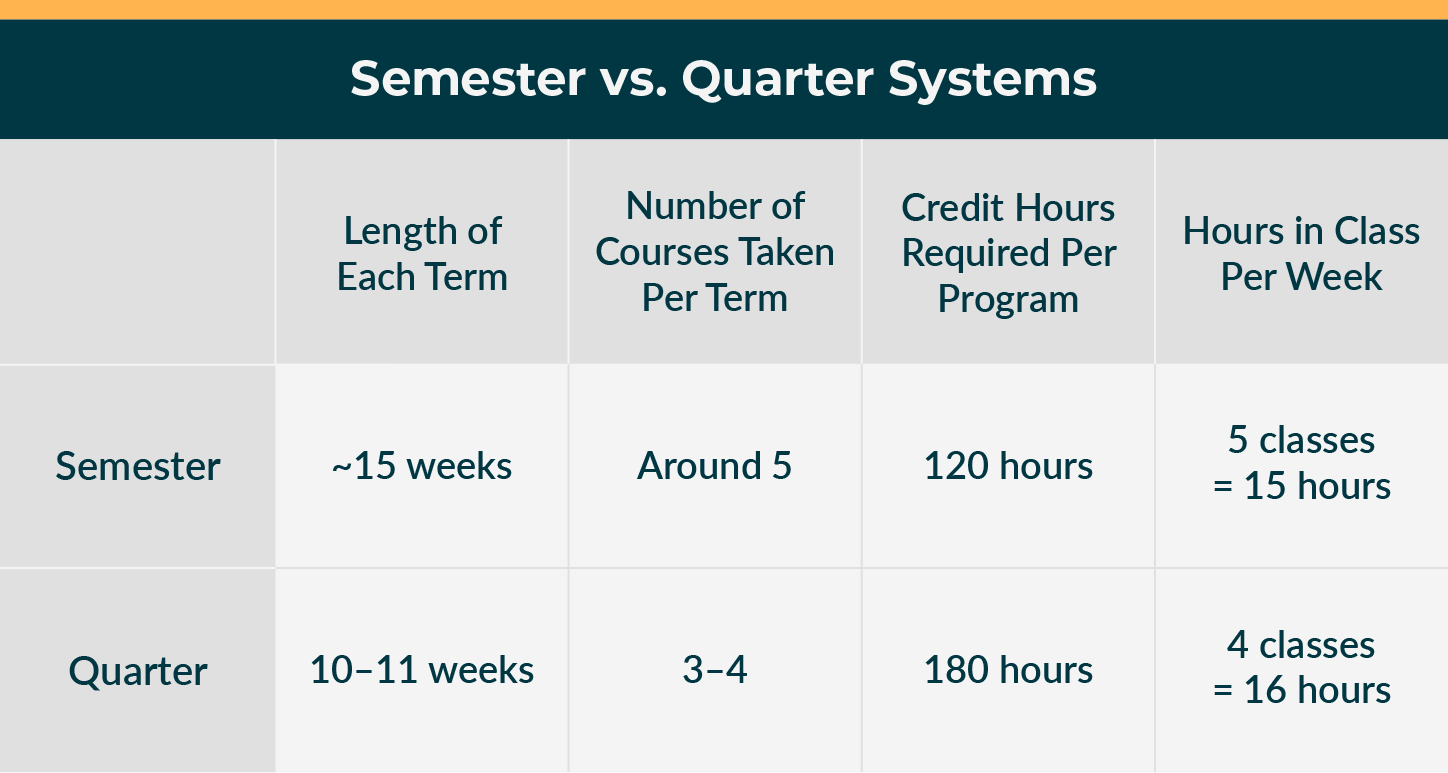
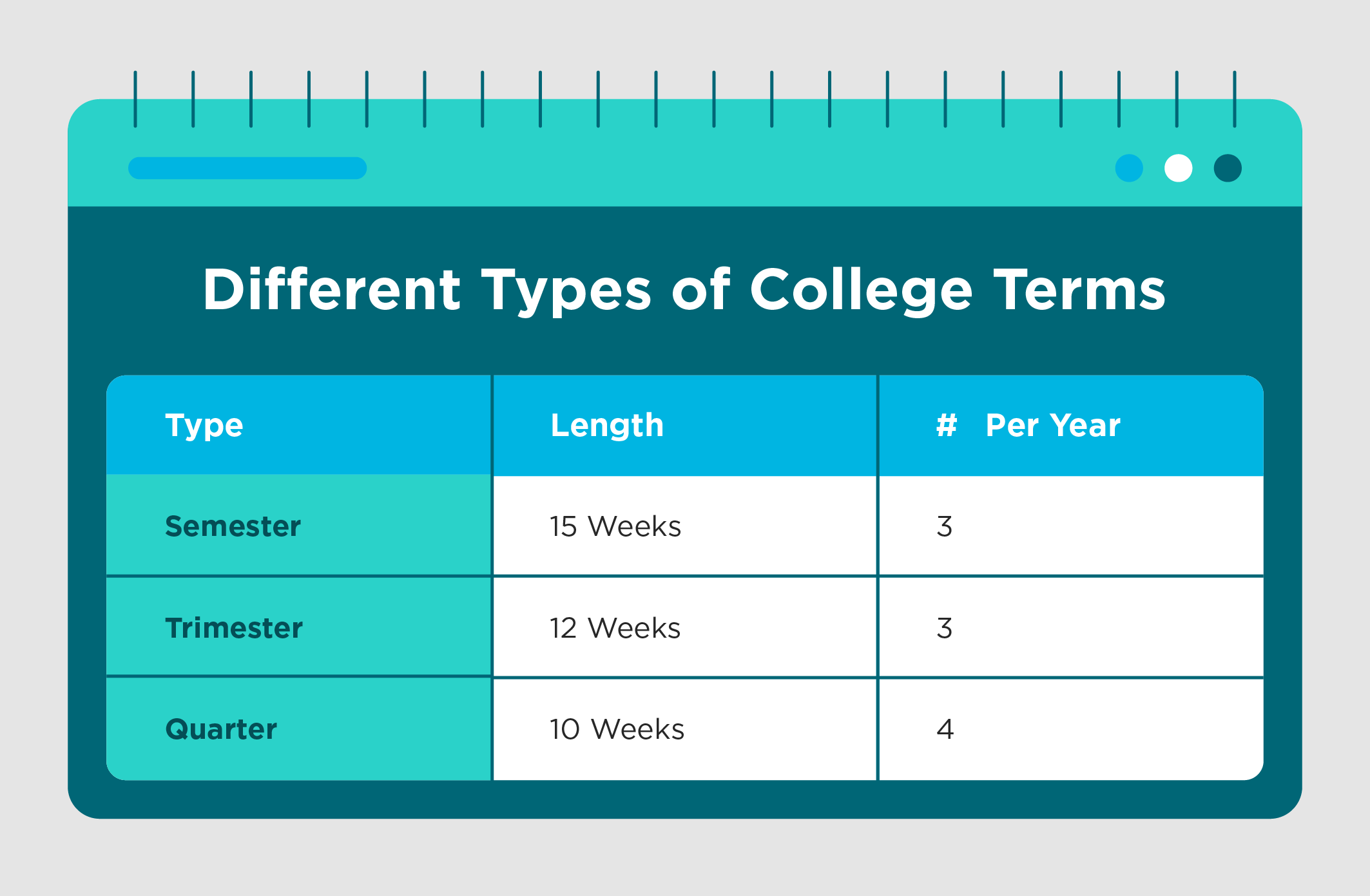
While the semester system is prevalent, other academic calendars, such as the quarter system (typically four 10-week terms per year) or trimesters, exist. Each system has distinct financial implications. For instance, a quarter system might lead to more frequent tuition payments but potentially lower costs per term, while a semester system involves larger, less frequent payments. Students considering different institutions should evaluate how the academic calendar aligns with their financial planning and cash flow. For those who need to work part-time or save money between terms, the longer breaks inherent in some semester systems might be advantageous. Conversely, the more frequent, shorter terms of a quarter system might appeal to those seeking faster progress and potentially more frequent financial aid disbursements. Understanding these nuances is key to selecting an educational path that is not only academically suitable but also financially viable.
Leveraging Resources: Making Each Semester Count Financially
To maximize the financial return on each semester, students must actively leverage all available resources. This includes not only financial aid but also academic support services that help prevent course failures (which can lead to wasted tuition money), career services that connect students with internships and job opportunities, and alumni networks that provide professional advantages. Attending office hours, utilizing tutoring services, and engaging with academic advisors can directly impact academic success, thereby safeguarding the financial investment made in each course. Moreover, strategic course selection—ensuring courses count towards the degree and are relevant to career goals—minimizes wasted credits and therefore wasted tuition dollars. Every decision made within a semester, from academic engagement to resource utilization, has a direct or indirect financial implication, reinforcing the idea that each semester is a precious investment opportunity demanding careful stewardship.
In conclusion, a college semester is far more than just an academic period; it is a recurring financial commitment and a progressive investment in one’s future. By approaching each semester with a clear understanding of its financial costs, funding mechanisms, budgeting requirements, and potential returns, students and their families can navigate the complexities of higher education more effectively. Viewing a college semester through an investment lens empowers individuals to make strategic decisions that not only lead to academic success but also lay a solid foundation for long-term financial well-being and a maximized return on their educational capital.
aViewFromTheCave is a participant in the Amazon Services LLC Associates Program, an affiliate advertising program designed to provide a means for sites to earn advertising fees by advertising and linking to Amazon.com. Amazon, the Amazon logo, AmazonSupply, and the AmazonSupply logo are trademarks of Amazon.com, Inc. or its affiliates. As an Amazon Associate we earn affiliate commissions from qualifying purchases.