
The humble penny, often dismissed as loose change, can sometimes harbor surprising value, transforming from a mere copper disc into a significant financial asset. For many, the mention of a “Wheat Penny” evokes a sense of nostalgia, a tangible link to a bygone era. Specifically, the 1940 Wheat Penny, while not among the rarest of its kind, holds a unique position in the vast landscape of numismatics, prompting many to inquire about its true monetary worth. This article delves into the financial intricacies of valuing such a coin, exploring the myriad factors that elevate its price beyond its one-cent face value, and positioning it within the broader context of personal finance and collectible investing.
Understanding the worth of a 1940 Wheat Penny is not merely about identifying a price tag; it’s about appreciating the interplay of historical context, physical condition, market demand, and the broader economic principles that govern collectible assets. Whether you’ve stumbled upon one in an old jar, inherited a collection, or are considering an entry into coin collecting, grasping these valuation dynamics is crucial. We will navigate through the critical determinants of a coin’s financial appeal, examine the methodologies for accurate appraisal, and discuss the role collectibles like the 1940 Wheat Penny can play within a diversified financial portfolio.
Understanding the Financial Dynamics of Collectibles
At its core, determining the worth of any collectible, including a 1940 Wheat Penny, is an exercise in understanding specialized market economics. Unlike traditional financial instruments such as stocks or bonds, which derive value from company performance or interest rates, collectibles gain their value from scarcity, historical significance, aesthetic appeal, and, crucially, the collective desire of a specific market segment: collectors.
Beyond Face Value: The Appeal of Numismatics
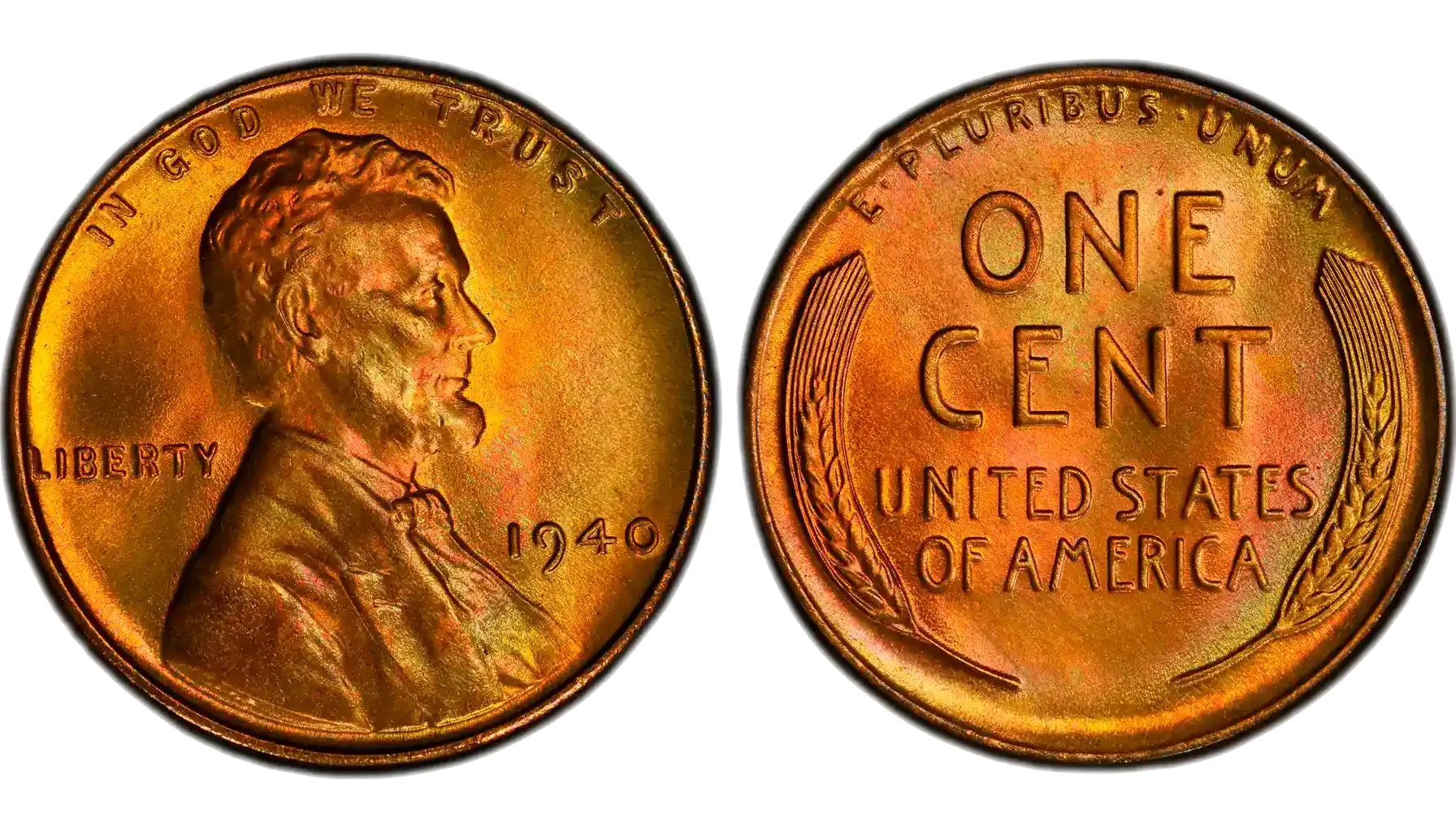
The journey from a one-cent piece to a potentially valuable asset begins with an appreciation for numismatics – the study and collection of currency. For the 1940 Wheat Penny, its journey started on the production lines of the U.S. Mint, destined for everyday commerce. However, over time, factors such as its age, the unique design of the wheat stalks on its reverse, and its eventual disappearance from circulation have imbued it with a value far exceeding its transactional utility. Collectors are drawn to these pieces not just for their metallic content, but for the stories they tell, the history they represent, and the challenge of acquiring a complete and well-preserved set. This intrinsic appeal forms the bedrock upon which its financial worth is built, creating a demand that fuels its market price.
The Dual Nature of Collectible Assets: Passion vs. Profit
It’s vital for anyone considering the financial aspect of a 1940 Wheat Penny to distinguish between passion-driven collecting and profit-motivated investing. While many collectors enter the hobby out of genuine interest in history or aesthetics, the potential for financial appreciation is an undeniable draw. A 1940 Wheat Penny, like many collectibles, occupies this unique intersection. For some, its value is purely sentimental; for others, it represents a tangible asset with appreciation potential. Understanding this duality is crucial because emotional attachment can sometimes cloud objective financial judgment. A pure investment perspective demands rigorous analysis of market trends, condition, rarity, and liquidity, treating the coin as a commodity rather than merely a cherished keepsake.
How Rarity and Demand Drive Market Prices
The fundamental economic principles of supply and demand are paramount in determining a collectible’s market price. While millions of 1940 Wheat Pennies were minted, not all have survived in pristine condition, nor are they all equally accessible to collectors. The true rarity of a specific variant (e.g., those from a particular mint or with unique errors) combined with the fervent demand from collectors is what ultimately dictates its financial worth. For the 1940 Wheat Penny, its relative commonality means that only those examples exhibiting exceptional condition or rare anomalies will command significant premiums. This delicate balance between limited supply and robust collector interest is the engine that drives its financial valuation.
Key Factors Influencing a 1940 Wheat Penny’s Monetary Value
When assessing the worth of a 1940 Wheat Penny, several critical factors come into play, each contributing a layer to its overall financial value. These elements are universally applied in coin valuation, but their specific impact varies greatly depending on the coin in question.
Condition and Grading: The Cornerstone of Valuation
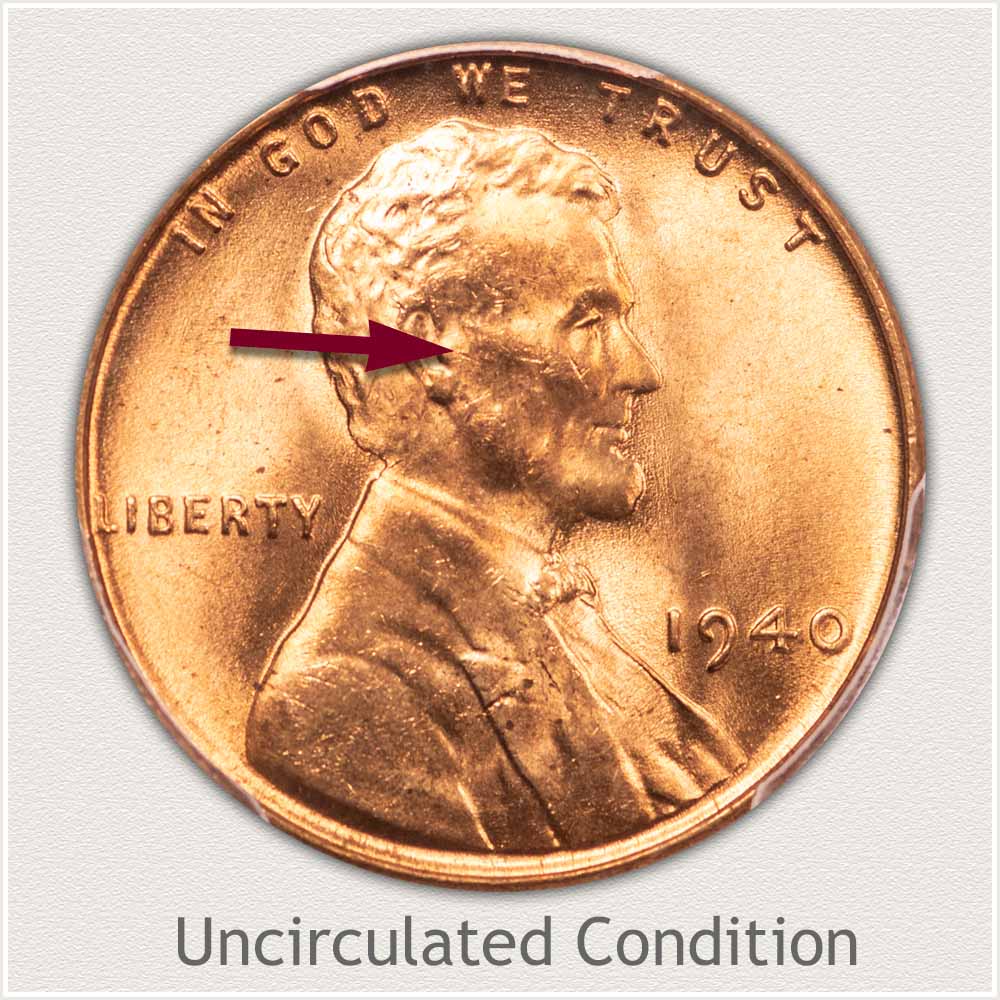
Undoubtedly, the single most influential factor in determining a coin’s worth is its condition, often referred to as its “grade.” A coin’s grade reflects the amount of wear and tear it has sustained over its lifetime. For a 1940 Wheat Penny, which circulated widely, finding one in an uncirculated or near-perfect state is far rarer than finding one with significant wear. Professional numismatic grading scales, such as Sheldon Scale (from PO-1, Poor, to MS-70, Perfect Mint State), provide a standardized language for describing a coin’s condition.
- Circulated Grades (e.g., G-4, VG-8, F-12, VF-20, EF-40, AU-50/58): Coins that have been in circulation will show varying degrees of wear. The higher the grade number, the more detail remains, and thus, the higher its value. Even a slight difference in wear can translate into a significant price discrepancy for more sought-after coins.
- Uncirculated Grades (e.g., MS-60 to MS-70): These are coins that have never been used in commerce and retain their original mint luster. An MS-60 1940 Wheat Penny will be worth considerably more than an AU-58, and an MS-65 will fetch an even greater premium. Within the uncirculated category, the presence of “Full Red” (RD), “Red-Brown” (RB), or “Brown” (BN) coloration also plays a critical role for copper coins like the Wheat Penny, with Full Red examples being the most desirable and valuable.
Mint Marks and Production Volume: Scarcity as a Premium Driver
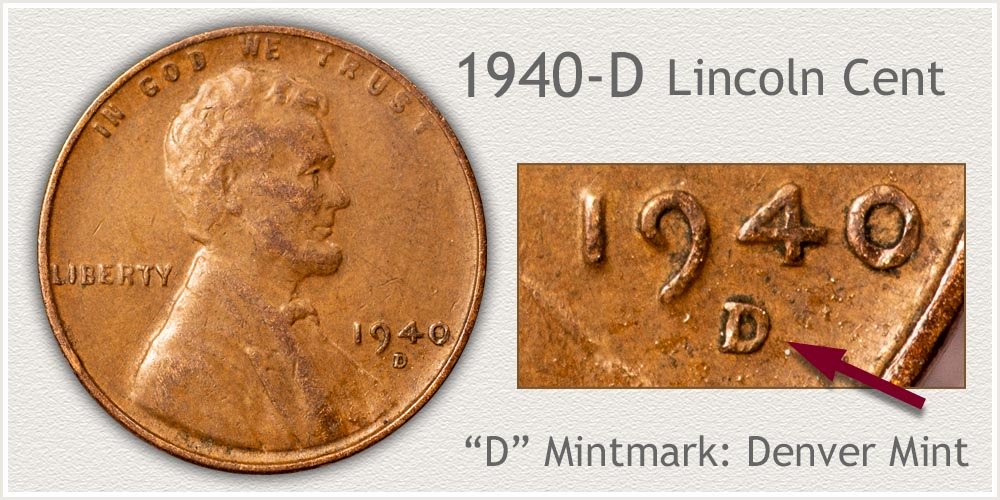
The U.S. Mint produced coins at various facilities, each identifiable by a small letter known as a “mint mark.” For 1940, Wheat Pennies were minted in Philadelphia (no mint mark), Denver (“D”), and San Francisco (“S”). The production volume at each mint can significantly impact rarity. For instance, if fewer pennies were struck at the Denver Mint in 1940 compared to Philadelphia, the 1940-D penny in a comparable grade would likely be worth more than its Philadelphia counterpart. Researching the mintage figures for each mint mark for the specific year is crucial for understanding its relative scarcity. While 1940 Wheat Pennies from all three mints are relatively common in lower grades, differences in mintage figures often become more pronounced in higher, uncirculated grades.
Historical Significance and Pedigree: Adding Layers of Worth
While less common for a mass-produced coin like the 1940 Wheat Penny, a coin’s historical significance or “pedigree” can occasionally add to its value. This might involve a coin being part of a famous collection, having a documented history of ownership by a notable figure, or being associated with a significant event. For everyday coins, this factor is usually negligible, but for truly exceptional specimens, it can elevate them into a different league of value. Similarly, any genuine “errors” or “varieties” in the minting process (e.g., double dies, repunched mint marks) that are recognized by the numismatic community can transform an ordinary penny into a highly sought-after collectible, commanding significant premiums due to their extreme rarity and uniqueness.
Market Trends and Collector Interest: Volatility in the Vending Machine
Like any market, the numismatic market is subject to trends and collector interest. What is popular today might be less so tomorrow, and vice-versa. Economic conditions, the emergence of new collectors, or even high-profile auction results can influence prices. While the 1940 Wheat Penny is a perennial favorite, its value is still somewhat susceptible to these broader market forces. A vibrant and active collector base ensures a healthy market for buying and selling, whereas a declining interest can lead to stagnation or even depreciation. Staying abreast of current market trends, observing auction results, and consulting price guides are essential for a realistic assessment of its current worth.
Navigating the Market: How to Accurately Assess Your Wheat Penny’s Value
Determining the precise financial worth of a 1940 Wheat Penny requires a systematic approach, combining expert consultation with diligent personal research. It’s a nuanced process that moves beyond a simple Google search to detailed market analysis.
Professional Appraisals: The Gold Standard for Serious Valuation
For anyone serious about understanding the financial potential of their 1940 Wheat Penny, especially if it appears to be in exceptional condition or possesses unusual characteristics, a professional appraisal is indispensable. Reputable numismatists or coin dealers possess the expertise, experience, and access to market data necessary to accurately grade and value coins. They can identify subtle nuances, recognize genuine errors or varieties, and provide an informed opinion based on current market conditions. While there might be a fee for such services, it can prevent costly mistakes and provide a clear, reliable valuation, particularly for insurance purposes or estate planning.
Leveraging Online Resources and Numismatic Databases
The digital age has revolutionized coin valuation, offering a wealth of information at one’s fingertips. Websites like PCGS (Professional Coin Grading Service), NGC (Numismatic Guaranty Corporation), and Coin World provide extensive databases of mintage figures, historical prices, and detailed grading standards. Online auction sites (e.g., eBay, Heritage Auctions) can offer insights into recent sales of similar coins, though caution is advised as prices on these platforms can be volatile and may not always reflect true market value. Utilizing these resources to compare your coin’s condition, mint mark, and any potential varieties against documented sales is an excellent starting point for preliminary research.
Understanding Auction Results and Dealer Pricing
It’s important to distinguish between what a coin might be listed for and what it actually sells for. Auction results provide a real-time snapshot of market demand and willingness to pay. Monitoring completed sales for 1940 Wheat Pennies in comparable grades and mint marks on reputable auction platforms is a more reliable indicator of value than mere asking prices. Dealer pricing, on the other hand, typically includes a markup to cover overheads, expertise, and profit margins. Thus, the price a dealer might offer to buy your coin will likely be less than their selling price, reflecting the spread inherent in the retail market for collectibles.
The Importance of Certification: PCGS, NGC, and ANACS
For higher-value 1940 Wheat Pennies, particularly those in uncirculated grades or with rare errors, professional certification by a third-party grading service (TPGS) like PCGS, NGC, or ANACS is highly recommended. These services encapsulate the coin in a tamper-evident slab, assign a definitive grade, and verify its authenticity. This certification adds credibility, reduces buyer risk, and often significantly enhances the coin’s liquidity and market value, making it easier to sell and ensuring buyers have confidence in its stated condition. While there is a cost associated with grading, it is often a worthwhile investment for potentially valuable specimens.
The 1940 Wheat Penny as a Financial Asset
While often seen as a hobby, collecting can also be a form of alternative investment. The 1940 Wheat Penny, like other numismatic items, can be viewed as a tangible asset with specific financial characteristics.
Collectibles in a Diversified Portfolio: A Niche Investment
For the average 1940 Wheat Penny in circulated condition, its financial worth remains modest, typically a few cents to a few dollars. However, exceptional examples can command significantly higher prices, reaching into the tens or even hundreds of dollars, making them a niche component of a diversified financial portfolio. While not a primary investment vehicle for most, high-grade or rare coins can offer diversification away from traditional assets like stocks and bonds. They typically do not correlate directly with the stock market, providing a potential hedge during economic downturns, though they come with their own set of unique risks.
Liquidity and Long-Term Appreciation Potential
The liquidity of a 1940 Wheat Penny—how easily it can be converted to cash—varies significantly with its grade and rarity. Common circulated examples are highly liquid but yield minimal returns. Scarce, high-grade examples, especially those certified, are also relatively liquid within the collector market, often finding buyers quickly. However, the market for these niche assets can sometimes be slower than for highly traded stocks.
Regarding long-term appreciation, while the general trend for rare and high-grade coins has been upward over decades, there’s no guarantee. Factors like inflation, changing collector demographics, and shifting interests can impact future values. For the 1940 Wheat Penny, significant appreciation is most likely for coins in top-tier uncirculated conditions or those possessing genuine and desirable mint errors. Less valuable examples may primarily hold sentimental value or modest inflation-beating returns.
Risks and Rewards: Navigating the Collectibles Market
Investing in numismatics, including 1940 Wheat Pennies, carries distinct risks and potential rewards.
-
Rewards:
- Tangible Asset: Unlike digital investments, you hold a physical item.
- Diversification: Offers an alternative asset class.
- Potential Appreciation: Rare and high-grade coins can see significant value increases over time.
- Enjoyment: The pleasure of collecting can be a reward in itself.
-
Risks:
- Subjectivity: Grading and valuation can sometimes have subjective elements.
- Liquidity Issues: Finding a buyer for very high-end or obscure items can take time.
- Market Fluctuations: Values can be influenced by collector trends and economic cycles.
- Counterfeits/Alterations: Risk of acquiring non-genuine items, emphasizing the need for expert verification.
- Storage Costs: Need for proper storage to prevent damage and preserve value.
Estate Planning and Asset Valuation for Heirs
For those who have accumulated a collection of coins, including potentially valuable 1940 Wheat Pennies, integrating these assets into estate planning is crucial. Proper valuation for heirs ensures that the collection’s monetary worth is accurately accounted for and fairly distributed. Professional appraisals and certification become even more important in this context, providing clear documentation of value for legal and inheritance purposes. Educating heirs about the collection’s specific value drivers and how to manage or liquidate these assets can prevent them from being undervalued or mishandled upon inheritance.
Maximizing the Value of Your Numismatic Holdings
Whether you own a single 1940 Wheat Penny or a burgeoning collection, proactive steps can help preserve and potentially enhance its financial worth over time.
Proper Storage and Preservation Techniques
The physical condition of a coin is paramount to its value. Improper handling and storage can lead to irreversible damage, drastically reducing its worth. Coins should always be handled by their edges, minimizing contact with their surfaces. They should be stored in inert, PVC-free holders, flips, or slabs specifically designed for numismatic preservation. Avoid sticky tape, poor-quality plastic, or anything that could react chemically with the coin’s metal. Maintaining a stable environment with controlled temperature and humidity further safeguards against corrosion, toning, or environmental damage, ensuring that its grade, and thus its value, is maintained.
Strategic Buying and Selling: When to Hold, When to Fold
For the collector-investor, understanding market timing is key. Strategic buying involves acquiring coins at fair prices, ideally when there is less competition or when specific types become temporarily undervalued. Selling strategically means recognizing periods of high demand or optimal market conditions for your specific coins. This requires ongoing market research, attending coin shows, engaging with dealer networks, and tracking auction results. For a 1940 Wheat Penny, waiting for a strong market for uncirculated copper cents, or when a particular variety gains prominence, might yield better returns. Conversely, trying to sell during a market lull might result in lower realization prices.
Continuous Learning: Becoming an Informed Collector-Investor
The world of numismatics is vast and constantly evolving. To truly maximize the financial potential of a 1940 Wheat Penny and other coins, continuous education is essential. This includes subscribing to numismatic publications, joining local or national coin clubs, participating in online forums, and regularly consulting updated price guides. An informed collector can better identify undervalued assets, recognize rare varieties, understand grading nuances, and make smarter decisions regarding acquisitions, preservation, and eventual divestment. The more knowledge you acquire about the specific characteristics of the 1940 Wheat Penny and the broader market, the better equipped you will be to leverage its financial potential.
In conclusion, the question “what is a 1940 Wheat Penny worth?” elicits a complex answer far beyond its one-cent denomination. For most circulated examples, the monetary value is modest, but for those in superb condition or bearing rare minting varieties, it transforms into a legitimate financial asset. Understanding the critical interplay of condition, mint mark, historical context, and market demand, coupled with diligent research and professional guidance, is vital for any individual seeking to unlock and appreciate the true financial worth of this enduring piece of American history.
aViewFromTheCave is a participant in the Amazon Services LLC Associates Program, an affiliate advertising program designed to provide a means for sites to earn advertising fees by advertising and linking to Amazon.com. Amazon, the Amazon logo, AmazonSupply, and the AmazonSupply logo are trademarks of Amazon.com, Inc. or its affiliates. As an Amazon Associate we earn affiliate commissions from qualifying purchases.