
The allure of vintage coins, particularly those with a rich history and distinctive design, often sparks curiosity about their financial value. Among American numismatic treasures, the Buffalo Nickel, minted from 1913 to 1938, holds a special place. Its iconic design, featuring a Native American chief on the obverse and a majestic American bison on the reverse, embodies a powerful symbol of early 20th-century America. For collectors and casual enthusiasts alike, the question “What is a 1937 Buffalo Nickel worth?” is more complex than a simple price tag. Its value can range from a few dollars to tens of thousands, depending on a myriad of factors crucial to the world of personal finance and investing in collectibles. Understanding these nuances is key to appreciating not just the coin’s monetary worth, but also its historical and cultural significance as an asset.
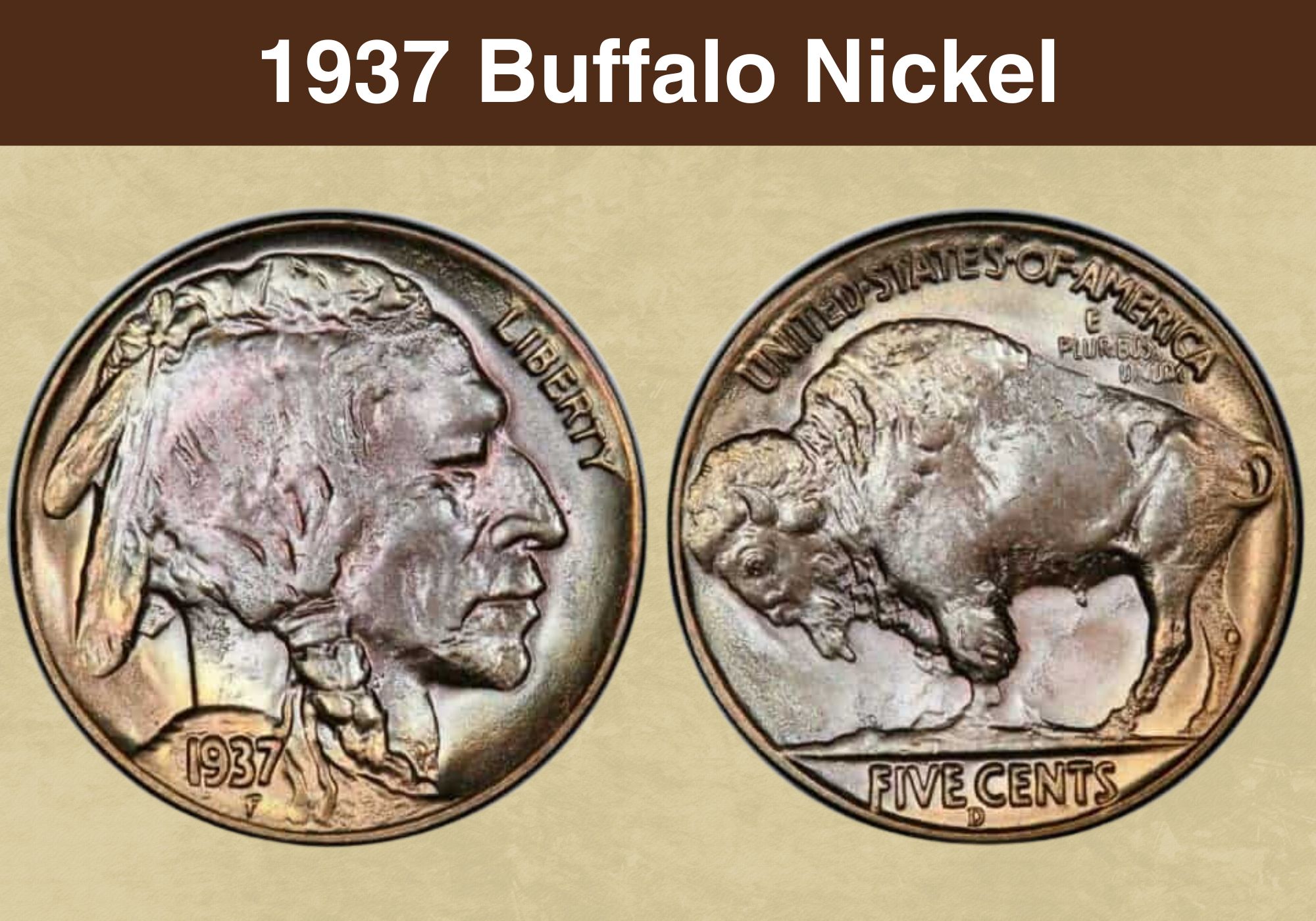
The Legacy of the Buffalo Nickel: A Brief History
The story of the Buffalo Nickel is deeply intertwined with a progressive era in American coinage, championed by President Theodore Roosevelt. Frustrated by what he perceived as uninspired coin designs, Roosevelt advocated for a resurgence of artistic excellence in U.S. currency. This initiative led to some of the most beautiful and iconic coins in American history, among them the Indian Head (or Buffalo) Nickel.
Origins and Design
Designed by sculptor James Earle Fraser, the Buffalo Nickel was first issued in 1913, replacing Charles E. Barber’s Liberty Head Nickel. Fraser’s design was a deliberate attempt to capture the essence of the American frontier and its indigenous peoples. For the obverse, he claimed to have used composite features from three different Native American chiefs: Iron Tail (Lakota Sioux), Two Moons (Cheyenne), Red Cloud (Lakota Sioux) – though the exact identities have been debated over time. The result was a dignified and powerful portrait.
The reverse features a magnificent American bison, purportedly modeled after Black Diamond, a resident buffalo at the Bronx Zoo. Fraser’s choice of the bison aimed to represent the ruggedness and wild beauty of the American West. The decision to place these distinctly American images on a circulating coin marked a significant departure from classical European motifs, solidifying the Buffalo Nickel’s status as a truly American numismatic art piece.
A Coin for the People
Minted for 26 years, the Buffalo Nickel circulated widely, becoming a familiar sight in pockets and tills across the nation. Its large, flat surfaces were, however, prone to wear, particularly the date and the bison’s horn, which often wore off completely. This susceptibility to wear would later become a significant factor in determining the value of surviving examples. Despite its widespread use, production ceased in 1938, making way for the new Jefferson Nickel. The Buffalo Nickel’s relatively short minting period, coupled with its distinctive design and the challenges of preservation, contribute significantly to its appeal as a collectible item and its varying financial worth today.
Unpacking the Value: Key Factors Determining Worth
Determining the precise worth of any collectible, particularly a vintage coin like the 1937 Buffalo Nickel, involves a meticulous evaluation of several critical factors. These elements interact to establish a coin’s market value, which can fluctuate based on demand, rarity, and the coin’s physical characteristics. For those considering coin collecting as a form of personal investment, understanding these drivers is paramount.
Condition (Grade) is King
The single most influential factor in a coin’s value is its condition, or grade. Numismatic grading assesses the amount of wear a coin has sustained during its circulation and handling. Grades range from “Poor” (P) to “Perfect Uncirculated” (MS-70) on the Sheldon scale.
- Good (G-4) / Very Good (VG-8): Heavily worn, major design elements are visible but faint, date is readable.
- Fine (F-12) / Very Fine (VF-20): Moderate wear, some detail visible, but higher points of the design are flat.
- Extremely Fine (EF-40) / About Uncirculated (AU-50): Light wear on the highest points, most details are sharp.
- Uncirculated (MS-60 to MS-70): No signs of wear, retaining original mint luster. The higher the MS number, the better the strike and surface preservation.
Professional grading services, such as the Professional Coin Grading Service (PCGS) and the Numismatic Guaranty Corporation (NGC), are crucial for authenticating and objectively grading valuable coins. A certificate from one of these services provides confidence in a coin’s condition, which is essential for both buyers and sellers in the coin market. The difference in value between a “Good” 1937 Buffalo Nickel and an “Uncirculated” one can be hundreds or even thousands of dollars.
Rarity and Mintage Figures
Rarity plays a fundamental role in dictating a coin’s financial appeal. While the total mintage for a particular year and mint mark provides a baseline for rarity, the number of coins that survived in a particular condition is often more important. For the 1937 Buffalo Nickel, the original mintage figures were:
- Philadelphia (no mint mark): 79,480,000
- Denver (D mint mark): 17,960,000
- San Francisco (S mint mark): 5,635,000
The San Francisco mint’s lower mintage often translates to higher values for common grades, simply because fewer were produced. However, even within high mintage years, specific varieties or error coins can introduce extreme rarity and disproportionately high values.
Mint Mark Significance
Mint marks indicate where a coin was produced, typically found on the reverse below “FIVE CENTS.”
- No mint mark: Philadelphia Mint
- “D”: Denver Mint
- “S”: San Francisco Mint
As seen with the 1937 figures, mint marks often correlate with different mintage totals, directly impacting the availability and thus the value of coins from each facility. A “D” or “S” mint mark coin from 1937 will generally command a higher price than its Philadelphia counterpart in the same grade, simply due to lower production numbers.
Strike Quality and Eye Appeal
Beyond the technical grade, the quality of the strike—how well the coin’s design elements were impressed onto the planchet—and its overall eye appeal contribute significantly to its desirability and value. A sharply struck coin will have full details on the Native American’s hair braids, the bison’s fur, and the date, even if it has some wear. Conversely, a weakly struck coin, even in an otherwise high grade, may fetch less. Toning (the natural discoloration of the metal over time), luster (the original sheen of the coin), and any distracting spots or scratches also factor into a coin’s eye appeal. Collectors are often willing to pay a premium for coins with exceptional strike quality and attractive, original surfaces.
The 1937 Buffalo Nickel: Specific Considerations
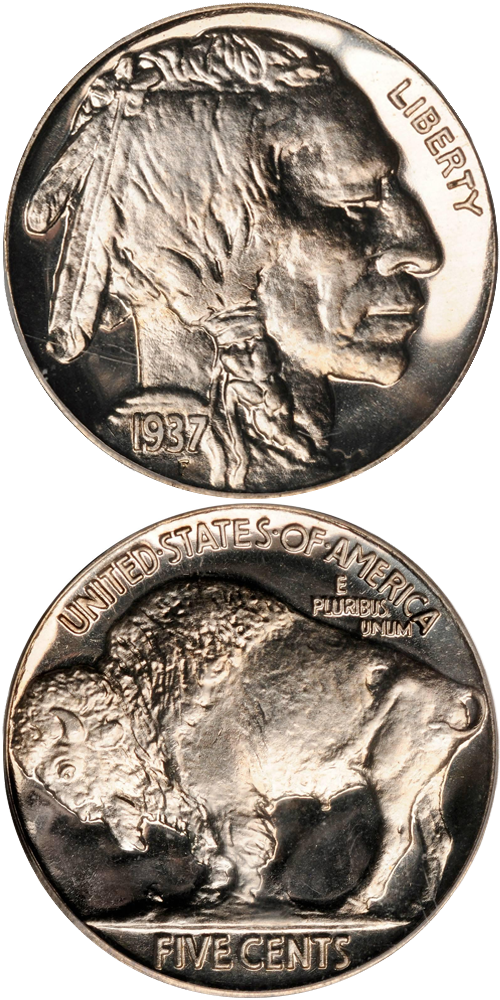
While the general factors of condition, rarity, and mint mark apply to all Buffalo Nickels, the 1937 issues have their own unique characteristics and, in one specific case, an exceptionally valuable variety that makes this year particularly exciting for collectors and investors.
Standard 1937 Issues
For the most part, a standard 1937 Buffalo Nickel from Philadelphia (no mint mark), Denver (“D”), or San Francisco (“S”) will have values commensurate with their grade and mintage figures.
- 1937 (Philadelphia): In Good condition, these might be worth $1-$5. In Fine condition, perhaps $10-$20. Uncirculated examples (MS-60 to MS-65) can fetch $50-$200, with superb gems reaching higher figures.
- 1937-D (Denver): Due to lower mintage, 1937-D nickels tend to be slightly more valuable than their Philadelphia counterparts in similar grades. Good condition: $2-$8. Fine condition: $15-$30. Uncirculated examples (MS-60 to MS-65) typically range from $100-$400, with top-tier specimens commanding more.
- 1937-S (San Francisco): With the lowest mintage of the three, 1937-S Buffalo Nickels are generally the most valuable of the standard issues. Good condition: $5-$15. Fine condition: $20-$50. Uncirculated examples (MS-60 to MS-65) often sell for $200-$700, and truly exceptional coins can exceed $1,000.
These values are estimates and can fluctuate based on market demand, dealer premiums, and the specific eye appeal of the coin.
The Infamous 1937-D “Three-Legged” Variety
This is where the 1937 Buffalo Nickel truly shines in the numismatic world, offering a potentially life-changing find for lucky individuals. The 1937-D “Three-Legged” Buffalo Nickel is one of the most famous and sought-after error coins in American coinage.
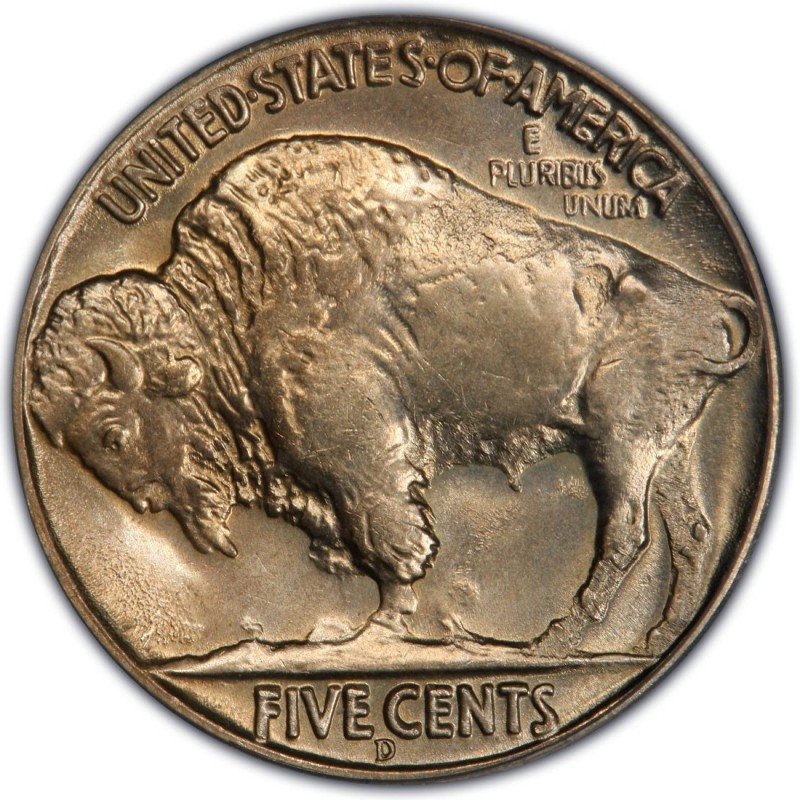
The error occurred when a Denver Mint employee, attempting to polish a worn die, inadvertently polished away one of the bison’s front legs, leaving only the hoof. The coin appears to have only three legs. This distinct variety was first discovered by collector George W. Johnson in 1937 and immediately garnered attention.
The rarity of the 1937-D “Three-Legged” Nickel is extreme. While the exact number of surviving examples is unknown, it is significantly lower than the standard 1937-D production. As a result, its value is astronomical compared to regular issues:
- Good to Fine condition: Even in lower grades, these coins can be worth several thousands of dollars, often starting from $5,000 to $10,000.
- Very Fine to Extremely Fine: Values can jump to $15,000 to $30,000.
- Uncirculated: In high uncirculated grades (MS-60 and above), a 1937-D “Three-Legged” Buffalo Nickel can be worth well over $50,000, with pristine examples potentially reaching into the six figures. The record price for an MS-68 example stands at over $125,000.
Identifying this variety requires careful inspection. The key is to look for the absence of the bison’s right front leg, with only the hoof remaining. Often, a faint outline of the leg might still be visible, but the body detail is completely missing. Due to its high value, this coin is a prime target for counterfeiting, making professional authentication absolutely essential.
Other Potential Errors and Varieties
While the “Three-Legged” variety is by far the most famous, other minor errors or varieties can sometimes exist for the 1937 Buffalo Nickel, though they rarely command the same level of premium. These might include:
- Doubled Die Varieties: Where parts of the design appear doubled due to a misaligned die impression.
- Repunched Mint Marks (RPMs): Where the mint mark was punched more than once, leaving a faint “shadow.”
- Clipping Errors: Where a portion of the planchet was missing before striking.
These errors are typically less dramatic and less valuable than the “Three-Legged” variety, but can still add a modest premium to a coin’s worth for dedicated error collectors.
Investing in Numismatics: A Financial Perspective
For many, coin collecting is a passionate hobby, but it can also be a viable alternative investment, fitting into a broader personal finance strategy. Like any investment, it comes with its own set of advantages and risks that potential investors should carefully consider.
Coin Collecting as an Asset Class
Rare coins, particularly those with historical significance, aesthetic appeal, and verifiable rarity, can appreciate in value over time. They offer a tangible asset that is not directly tied to the stock market or real estate, potentially providing diversification to an investment portfolio. The allure of holding a piece of history, combined with the prospect of financial gain, makes numismatics attractive.
However, coin investing differs significantly from traditional financial instruments. Liquidity can be lower, as finding a buyer for a very high-value coin might take time. The market is also highly specialized, requiring considerable knowledge and expertise to navigate effectively. Appreciation is not guaranteed, and market trends can shift, influencing demand for certain series or types of coins. Furthermore, storage, insurance, and professional grading costs must be factored into the overall investment.
Tips for Aspiring Collectors/Investors
For those looking to explore coin collecting with an investment mindset, especially when considering a coin like the 1937 Buffalo Nickel, several practices are essential:
- Educate Yourself: Learn about coin grading, specific series, mintages, and historical market trends. Reputable books, online resources, and numismatic clubs are excellent starting points. Understanding what makes a coin truly valuable is your best defense against overpaying or falling for fakes.
- Buy Graded Coins: For any significant investment, especially for a variety like the 1937-D “Three-Legged” Nickel, always buy coins that have been professionally authenticated and graded by PCGS or NGC. This eliminates doubt about authenticity and condition.
- Purchase from Reputable Dealers: Establish relationships with well-known, respected coin dealers who offer clear return policies and stand by their merchandise. Avoid impulsive purchases from unknown sources, especially for high-value items.
- Market Research: Track auction results and dealer prices for coins similar to what you intend to buy or sell. This provides a realistic understanding of current market values. Online price guides from PCGS and NGC are invaluable tools.
- Storage and Insurance: Protect your investment. Store valuable coins in secure, environmentally stable conditions. Insure high-value coins to protect against theft, loss, or damage.
- Patience and Long-Term Perspective: Coin collecting as an investment is often a long-term play. Market cycles and demand can fluctuate, and significant appreciation typically takes years, if not decades.
Conclusion
The question “what is a 1937 Buffalo Nickel worth?” reveals a fascinating intersection of history, artistry, and financial valuation. While a common 1937 Buffalo Nickel might serve as an affordable entry point for new collectors, its value can skyrocket into the tens of thousands of dollars if it’s the exceedingly rare and celebrated 1937-D “Three-Legged” variety. The coin’s worth is meticulously determined by its condition (grade), rarity (mintage and surviving population), specific mint mark, and overall eye appeal.
For anyone holding a 1937 Buffalo Nickel, especially one with a “D” mint mark, careful inspection for the “Three-Legged” anomaly is paramount. However, due to the substantial value and prevalence of counterfeits, professional authentication by a trusted grading service like PCGS or NGC is not just recommended, but absolutely essential. Whether viewed as a piece of American history or a strategic financial asset, the 1937 Buffalo Nickel remains a compelling testament to the enduring appeal and potential financial rewards of numismatics.
aViewFromTheCave is a participant in the Amazon Services LLC Associates Program, an affiliate advertising program designed to provide a means for sites to earn advertising fees by advertising and linking to Amazon.com. Amazon, the Amazon logo, AmazonSupply, and the AmazonSupply logo are trademarks of Amazon.com, Inc. or its affiliates. As an Amazon Associate we earn affiliate commissions from qualifying purchases.