
Taco Bell, a brand synonymous with innovative, often indulgent, and aggressively marketed fast food, has historically carved out a distinct niche in the quick-service restaurant (QSR) industry. From its iconic Crunchwrap Supreme to late-night dollar menu delights, its brand identity has been built on a foundation of “Live Más” – an invitation to live more fully, adventurously, and, implicitly, deliciously. However, in an era where consumers are increasingly scrutinizing nutritional labels and seeking healthier alternatives, even within fast food, a brand like Taco Bell faces a strategic imperative: how to offer options that align with these trends without diluting its established, often rebellious, corporate identity. The answer lies partly in its subtle yet significant incorporation and marketing of protein-focused menu items.
Taco Bell’s Evolving Brand Identity: Beyond Late-Night Cravings
Taco Bell’s brand journey has always been about dynamic adaptation. Originally positioned as an accessible, distinct alternative to burger chains, it has consistently reinvented itself. The focus on high-protein offerings represents another crucial phase in this evolution, signalling a brand that acknowledges broader societal shifts without abandoning its playful spirit.
Responding to Consumer Health Trends
The global wellness movement has fundamentally reshaped consumer expectations across industries, and fast food is no exception. While Taco Bell isn’t aiming to become a health food restaurant, ignoring the demand for more nutritious options, particularly those rich in protein, would be a critical oversight. Protein has ascended as a macronutrient hero, celebrated for its role in satiety, muscle building, and overall wellness. Consumers, whether fitness enthusiasts or simply those looking for more balanced meals, are actively seeking it out. For Taco Bell, responding to this trend isn’t about pivoting its entire menu but rather strategically infusing options that appeal to this segment, expanding its potential customer base beyond its traditional late-night and budget-conscious demographics. It’s about demonstrating relevance and adaptability in a crowded market.
The “Live Más” Philosophy and Nutritional Adaptations
The “Live Más” philosophy, at its core, encourages consumers to embrace life’s pleasures and pursue experiences that enrich them. Initially, this might have been interpreted as indulging in craveable, often decadent, food. However, the brand has cleverly broadened this interpretation. “Living more” can also mean living healthier, feeling better, and fueling one’s body effectively. By offering high-protein items, Taco Bell subtly redefines what “Live Más” can mean, extending it to include those who want to enjoy fast food without entirely compromising their dietary goals. This strategic move allows the brand to retain its core ethos while demonstrating a more nuanced understanding of contemporary consumer values. It’s not about being a health guru, but about providing more options for how customers choose to “live más.”
Menu Innovation as a Pillar of Brand Strategy
Menu innovation has always been a cornerstone of Taco Bell’s brand strategy, keeping consumers engaged and generating buzz. The introduction and promotion of high-protein items are not haphazard but rather a deliberate extension of this innovation strategy, designed to broaden appeal and reinforce the brand’s image as a creative and responsive leader in fast food.
Deconstructing High-Protein Offerings: Core Ingredients and Customization
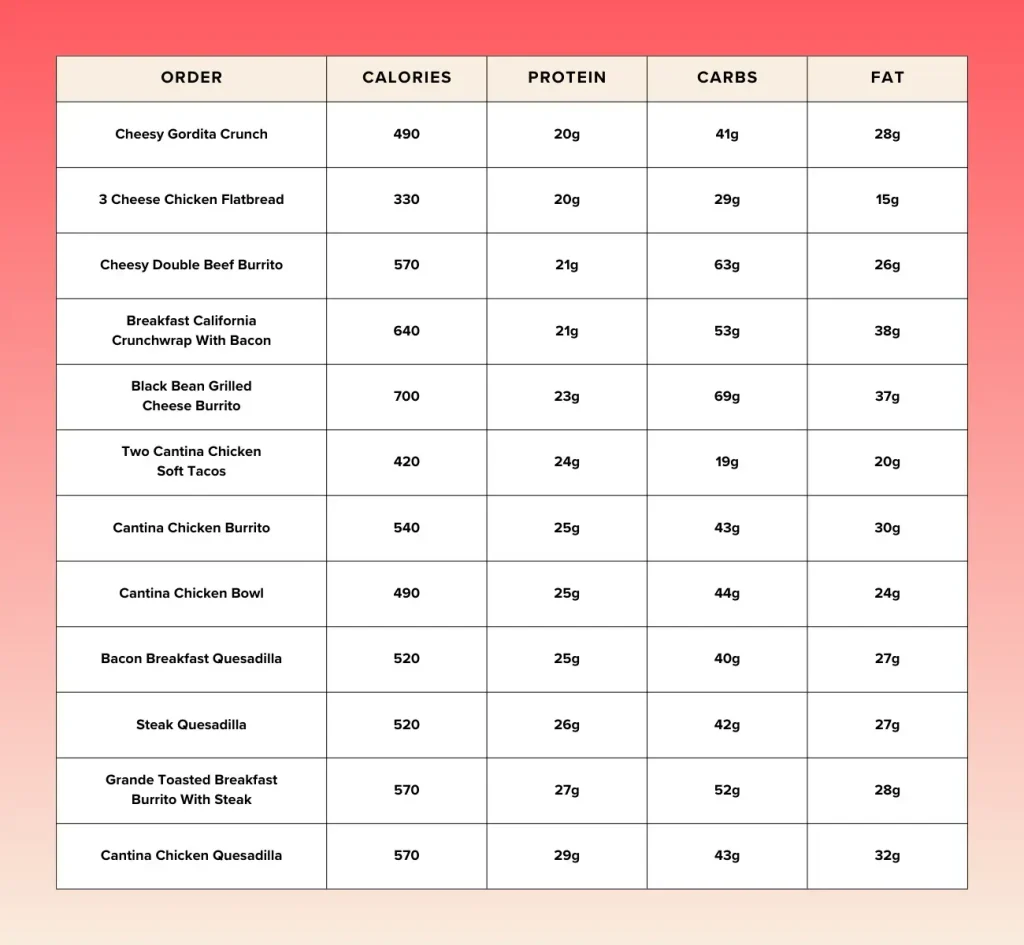
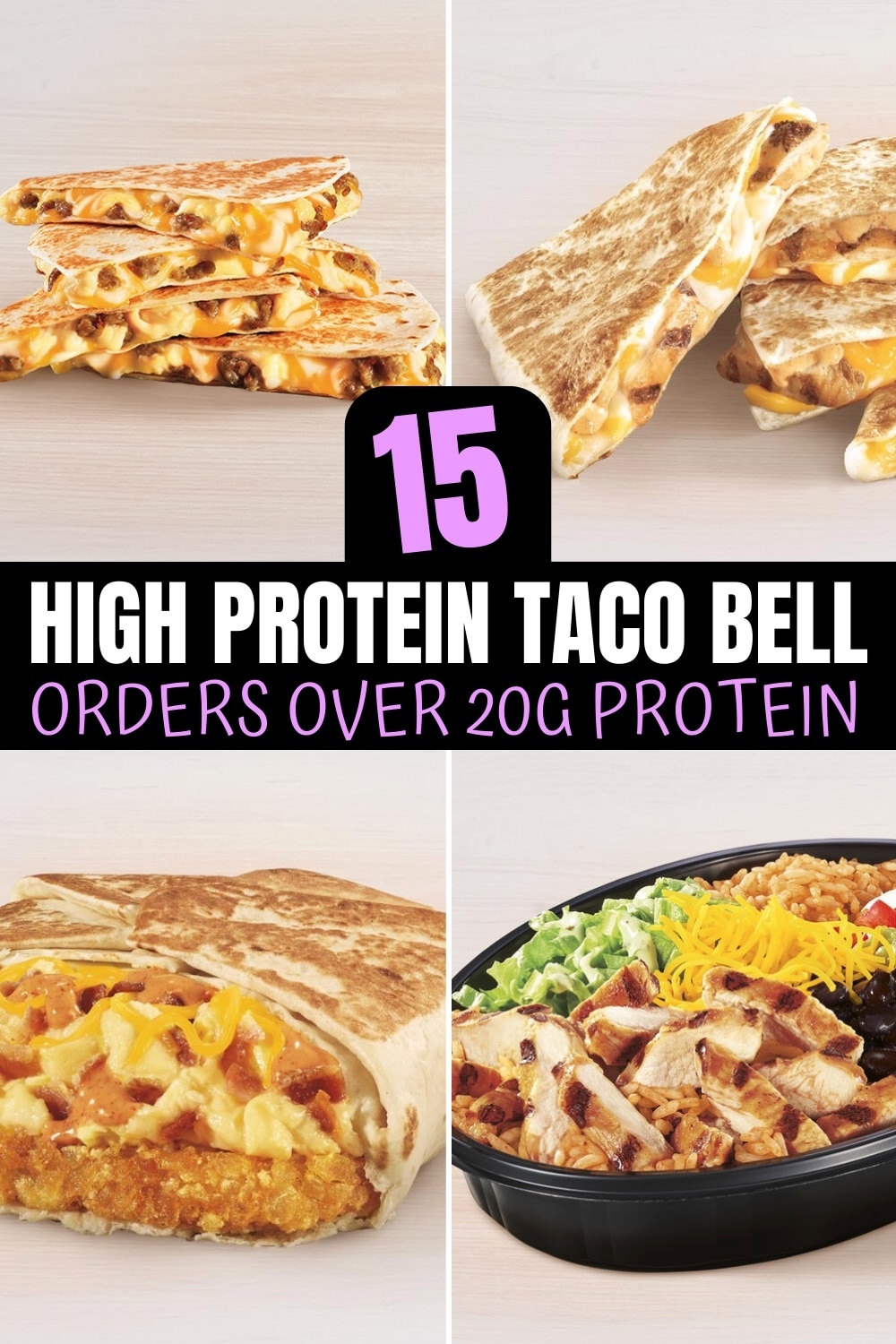
To identify what has the most protein at Taco Bell, one must look beyond standard menu items and consider the power of customization and ingredient focus. The brand’s foundational ingredients – grilled chicken, seasoned beef, and recently, plant-based proteins – are the primary sources. Grilled chicken, notably, consistently emerges as the highest protein option when added generously. Dishes like the Chicken Power Menu Bowl or customized burritos with extra chicken become the de facto high-protein champions. Taco Bell’s strategic genius lies in offering these ingredients as flexible components. The ability for customers to “Fresco style” (removing dairy and sauces for lighter options) or add extra protein portions empowers them to build meals tailored to their specific needs. This customization isn’t just a convenience; it’s a critical part of their brand’s appeal, offering consumers a sense of control and agency over their fast-food experience, which resonates strongly with health-conscious individuals. By promoting these building blocks, Taco Bell sidesteps the need for entirely new “diet” product lines and instead integrates nutritional flexibility into its existing, beloved menu architecture.
Marketing the “Healthier” Fast-Food Option
Marketing high-protein options at Taco Bell presents a unique challenge: how to communicate nutritional benefits without alienating the core audience or appearing inauthentic. The brand typically avoids overtly “healthy” messaging, which might contradict its fun, indulgent image. Instead, it focuses on attributes like “power,” “satisfaction,” and “fuel.” The “Power Menu Bowl,” for instance, directly communicates strength and energy, appealing to those seeking a robust, fulfilling meal without explicitly calling it “low-calorie” or “high-protein” in its primary advertising. This subtle approach allows Taco Bell to tap into the wellness trend without a drastic brand pivot. Furthermore, leveraging digital platforms and in-store nutritional guides provides detailed information for those actively seeking it, demonstrating transparency without making it the central marketing message for the broader audience. This dual strategy allows Taco Bell to cater to both its traditional demographic and the emerging health-conscious consumer simultaneously.
The Competitive Edge: Protein as a Differentiator
In the fiercely competitive fast-food market, differentiation is key. While many QSRs offer chicken, how Taco Bell strategically positions its protein options helps it stand out and capture a wider share of the consumer market.
Benchmarking Against Competitors
Taco Bell operates in a saturated market alongside burger joints, sandwich shops, and other Mexican-inspired chains. Many of these competitors also offer grilled chicken or “healthier” bowls. Taco Bell’s advantage lies in its unique flavor profile, its strong brand identity, and its price point. By emphasizing customization and highlighting the protein content within its distinct flavor palate, Taco Bell can argue for a more exciting and flavorful high-protein option than, say, a plain grilled chicken sandwich from a competitor. This comparative advantage is not just about raw protein numbers but about the experience of consuming that protein within the Taco Bell brand universe. It positions their protein offerings as not just fuel, but flavorful fuel.
Targeting the Fitness-Minded Consumer (Even if Paradoxical)
It might seem paradoxical for a fast-food chain to target fitness-minded consumers, yet Taco Bell’s approach is strategic. They understand that even health-conscious individuals sometimes need a quick, convenient meal. By providing transparent nutritional information and customizable options, Taco Bell positions itself as a viable “cheat meal” or a “better-for-you” fast-food choice when time is short. This strategy acknowledges the reality of modern lifestyles, where even dedicated fitness enthusiasts sometimes resort to fast food. By offering genuinely higher-protein choices, Taco Bell aims to be the preferred option for these occasions, capturing a segment of the market that might otherwise avoid fast food entirely. This demonstrates a nuanced understanding of consumer behaviour and an adaptive brand strategy.
Communicating Value: Transparency and Perception
Effective brand management requires not just offering products but also clearly communicating their value and addressing consumer perceptions, especially around complex topics like nutrition. Taco Bell has made significant strides in this area, recognizing that transparency builds trust and strengthens brand loyalty.
Digital Tools and Nutritional Information Access
Taco Bell has embraced digital platforms as a primary channel for nutritional transparency. Its website and mobile app offer comprehensive breakdowns of calories, macronutrients (including protein), and ingredients for every menu item, as well as for customized orders. This granular level of detail empowers consumers to make informed choices, answering “what has the most protein” with precise figures. This commitment to accessibility goes beyond mere compliance; it’s a strategic move to position the brand as trustworthy and customer-centric. By putting the information directly into the hands of the consumer, Taco Bell allows individuals to align their dietary goals with their fast-food choices, fostering a sense of control and reducing perception barriers often associated with quick-service dining.
Bridging the Perception Gap: “Healthy” Fast Food?
The challenge for Taco Bell, and indeed for any fast-food brand, is to bridge the perception gap between “fast food” and “healthy eating.” While no one expects Taco Bell to be a salad bar, offering high-protein options helps to incrementally shift perception. It demonstrates that the brand is listening to customer feedback and is willing to adapt. The existence of these options, even if not universally chosen, serves as a statement about the brand’s evolving values. It suggests a brand that is thoughtful about its impact and is striving to offer more balanced choices, without abandoning the indulgent items that remain popular. This gradual shift in perception can lead to increased visits from a broader demographic and enhanced brand equity over the long term.
Future-Proofing the Brand: Sustainability and Dietary Diversity
Looking ahead, Taco Bell’s strategic emphasis on protein-rich options is not just about current trends but also about future-proofing its brand in a rapidly changing world. This includes addressing environmental concerns and catering to an even wider spectrum of dietary preferences.
Plant-Based Protein and the Next Wave of Innovation
The rise of plant-based diets presents the next significant frontier for protein innovation. Taco Bell has already begun experimenting with plant-based protein alternatives, recognizing that sustainability and ethical consumption are becoming increasingly important to its target demographic. Offering flavorful, high-protein plant-based options not only caters to vegetarians and vegans but also appeals to flexitarians and those looking to reduce their meat consumption for environmental or health reasons. This strategic move demonstrates foresight, positioning Taco Bell as a forward-thinking brand that is responsive to global trends and committed to providing diverse choices, thereby ensuring its relevance and appeal to future generations of consumers.
Maintaining Core Identity While Diversifying
The ultimate brand challenge for Taco Bell is to continue diversifying its menu, including its protein offerings, without losing the essence of what makes it Taco Bell. Its unique flavors, value proposition, and quirky personality are central to its identity. The introduction of high-protein options must feel authentic and integrated, rather than an opportunistic tack-on. This requires careful consideration of ingredient sourcing, recipe development, and marketing. By integrating high-protein choices into existing, beloved formats (like bowls and burritos) and ensuring they deliver on taste, Taco Bell can successfully expand its appeal while remaining true to the “Live Más” spirit. This delicate balance ensures that as the brand evolves to meet new demands, it remains unmistakably Taco Bell, a brand that consistently offers consumers more than just a meal.
In conclusion, the simple question of “what has the most protein at Taco Bell” unveils a sophisticated narrative of brand strategy. It highlights Taco Bell’s ongoing effort to adapt its identity, innovate its menu, compete effectively, communicate transparently, and future-proof its offerings in a dynamic market. By strategically embracing protein, Taco Bell not only caters to evolving consumer needs but also reinforces its position as a relevant, responsive, and enduring leader in the fast-food industry.
aViewFromTheCave is a participant in the Amazon Services LLC Associates Program, an affiliate advertising program designed to provide a means for sites to earn advertising fees by advertising and linking to Amazon.com. Amazon, the Amazon logo, AmazonSupply, and the AmazonSupply logo are trademarks of Amazon.com, Inc. or its affiliates. As an Amazon Associate we earn affiliate commissions from qualifying purchases.