
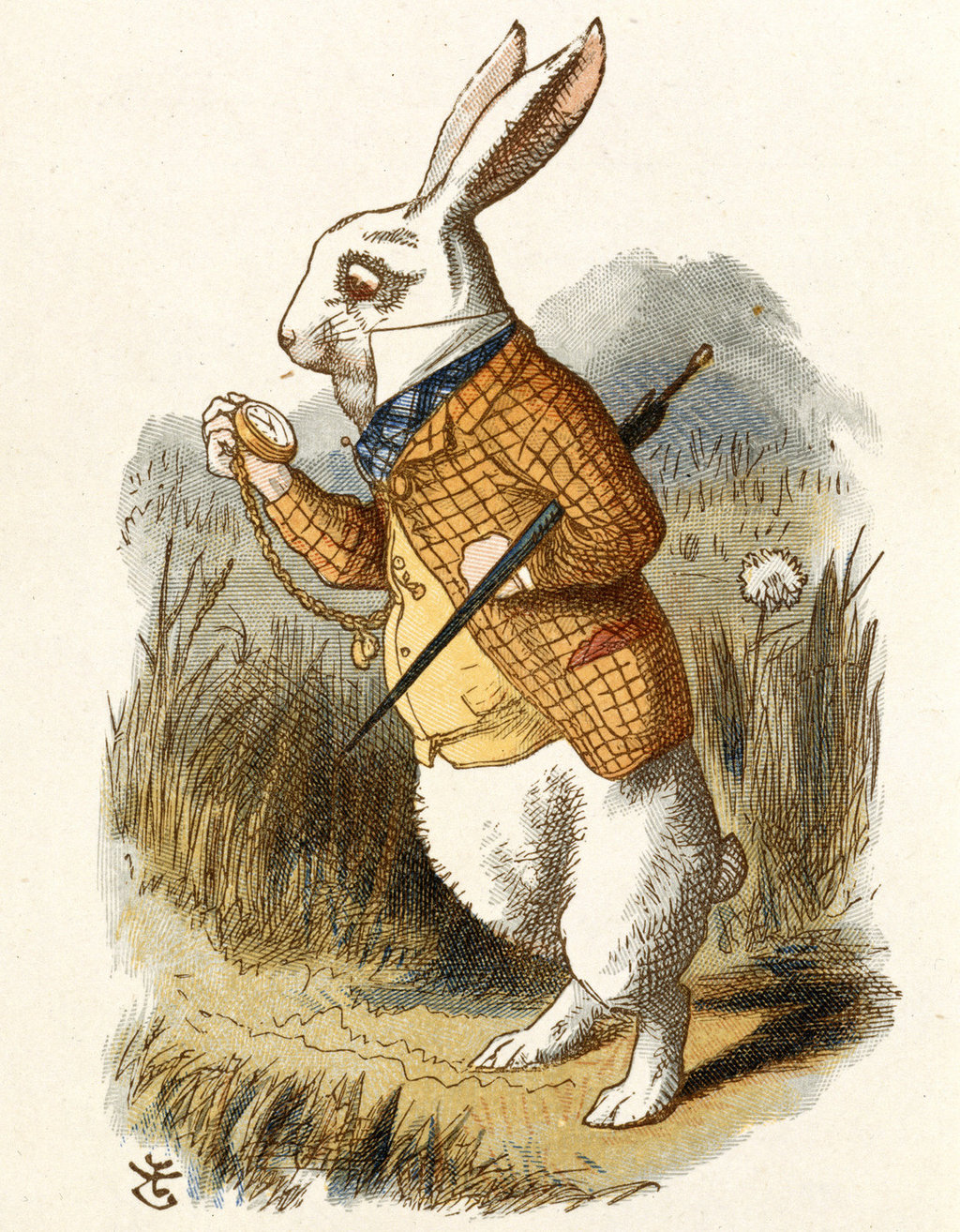
The White Rabbit, an iconic figure from Lewis Carroll’s Alice’s Adventures in Wonderland, is far more than a mere literary character; it is a potent symbol brimming with layered meanings. Its hurried demeanor, constant watch-checking, and the infamous “rabbit hole” it leads Alice down have etched it into the collective consciousness as a metaphor for urgency, curiosity, discovery, and the beckoning call of the unknown. For brand strategists, the White Rabbit offers a surprisingly rich tapestry of associations that can be artfully woven into brand identity, messaging, and customer experience.

In the realm of branding, where meaning-making is paramount, understanding and strategically deploying such culturally resonant symbols can profoundly impact how a brand is perceived, its emotional connection with its audience, and its overall market positioning. This article delves into the multifaceted symbolism of the White Rabbit and explores how these enigmatic traits can be harnessed to forge compelling brand narratives and drive impactful engagement.
The White Rabbit as a Catalyst: Urgency, Curiosity, and the Call to Action
The most immediate impression of the White Rabbit is its frantic rush, perpetually late for an unspecified but seemingly crucial appointment. This singular characteristic alone provides fertile ground for branding, evoking powerful psychological responses in consumers.
The Allure of Urgency: Punctuality and Scarcity in Marketing
“Oh dear! Oh dear! I shall be late!” is the White Rabbit’s enduring lament, a sentiment that resonates with modern anxieties and the fast pace of contemporary life. In branding, this inherent sense of urgency can be a double-edged sword, but when wielded skillfully, it becomes a powerful catalyst for action. Brands can subtly or overtly integrate this “I’m late” energy to:
- Drive Immediate Engagement: Limited-time offers, flash sales, countdown timers, and “while supplies last” promotions directly tap into the White Rabbit’s hurried nature. This isn’t about creating panic, but rather a refined sense of “don’t miss out” (FOMO – Fear Of Missing Out). Brands that promise swift delivery, instant solutions, or exclusive early access evoke a similar feeling, positioning themselves as responsive and ahead of the curve.
- Highlight Exclusivity and Scarcity: The idea that something valuable might disappear if one doesn’t act quickly can elevate a product or service’s perceived worth. Brands offering unique experiences, bespoke items, or membership-only content can leverage the White Rabbit’s fleeting presence to cultivate a sense of privilege and urgency among their target audience. This transforms a simple transaction into a coveted opportunity that requires prompt decision-making.
The key is to use this urgency strategically, not to manipulate, but to motivate. A brand that consistently delivers on its promises, even within tight timeframes, builds trust alongside excitement, turning a fleeting interaction into a foundational element of customer loyalty.
Following the Rabbit Hole: Cultivating Curiosity and Discovery
Beyond its haste, the White Rabbit’s most significant role is as the accidental guide, leading Alice from her mundane reality into the extraordinary world of Wonderland. This act of “falling down the rabbit hole” has become a universally understood metaphor for embarking on a journey of deep exploration, discovery, and immersion into a complex, often unconventional, domain. For brands, this symbolism is invaluable for:
- Building Engaging Narratives: Brands can position themselves as the “White Rabbit,” inviting customers to explore deeper layers of their story, purpose, or product ecosystem. This moves beyond transactional selling to create an immersive experience. Content marketing, interactive websites, and serialized brand stories are perfect vehicles for this, promising an unfolding journey rather than a static destination.
- Fostering Intellectual Engagement: Brands in education, technology, or niche communities can appeal to the innate human desire for knowledge and discovery. By presenting complex topics or innovative solutions as a “rabbit hole” worth exploring, they encourage deeper engagement, critical thinking, and a sense of shared intellectual adventure with their audience.
- Differentiating Through Experience: Instead of merely offering a product, brands can promise an experience – a deeper dive into a hobby, a new perspective on an old problem, or an entry into an exclusive community. This “rabbit hole” approach elevates the brand from a provider to a guide, fostering a more profound and memorable connection.
The White Rabbit’s role as an initiator of discovery is a powerful template for brands seeking to engage customers on a journey, promising unique insights and transforming the purchasing process into an adventure.
Navigating the Unseen: Innovation, Disruption, and Brand Storytelling
The path the White Rabbit lays out is not a well-trodden one; it leads to a world turned upside down, a realm of the absurd and the unexpected. This aspect of the symbolism strongly resonates with brands that aim to be innovative, disruptive, or that tell stories that challenge conventional wisdom.
Embracing the Unconventional: Brands as Pathfinders
Wonderland itself is a testament to embracing the unconventional, a place where logic bends and reality is fluid. The White Rabbit is the herald of this disruption. Brands can embody this spirit by:
- Positioning as Innovators: Startups, tech companies, and brands introducing groundbreaking products or services can align with the White Rabbit’s role. They are leading customers into a “new world” of possibilities, challenging existing norms, and offering solutions that didn’t exist before. Their messaging can focus on being the first, the different, the visionary.
- Championing Disruption: Brands that aim to shake up established industries can use this symbolism to their advantage. They are inviting customers to leave behind the predictable, inefficient, or outdated, and follow them to a more exciting, efficient, or equitable future. This can be particularly effective for challenger brands looking to disrupt market leaders.
- Cultivating a Unique Niche: Brands serving niche markets often thrive by offering something truly different. The “rabbit hole” represents a specialized knowledge or experience that only a select few are privy to. These brands can create a sense of belonging and exclusivity for those willing to follow them off the beaten path.
By embracing the unconventional, brands can attract customers who are themselves seekers of novelty and progress, fostering a community that values innovation and fresh perspectives.
The Narrative Arc: Crafting a Brand Story with Depth
The White Rabbit initiates a grand narrative, setting the stage for all of Alice’s adventures. This highlights the importance of compelling brand storytelling. A brand’s story is not just about its origin or its products; it’s about the journey it invites its customers to embark on, the problems it helps them solve, and the transformation it facilitates.
- Creating an Archetypal Journey: Brands can construct their marketing narratives around the hero’s journey, with the customer as the hero and the brand (or its product/service) acting as the White Rabbit – the herald of adventure. This involves defining the “ordinary world” (the customer’s current challenges), the “call to adventure” (the brand’s solution), and the “new world” (the improved state after engaging with the brand).
- Building Emotional Resonance: A well-crafted story, infused with symbolic depth, connects with customers on an emotional level far beyond features and benefits. By framing their offering as a gateway to something more profound – be it personal growth, community connection, or a novel experience – brands can build stronger, more enduring relationships.
- Establishing Brand Mythology: Over time, consistent storytelling can build a brand mythology, giving the brand a richer history, a distinct personality, and a place in the cultural landscape. The White Rabbit serves as a powerful reminder that every great journey, and thus every great brand story, needs an intriguing catalyst.
The White Rabbit’s role in initiating a fantastical journey provides a potent metaphor for brands to craft narratives that not only inform but also inspire and transform.
The Paradox of Control: The Fleeting Guide and Brand Loyalty
Despite being the catalyst, the White Rabbit is notoriously elusive, never fully within Alice’s grasp. This fleeting quality, while potentially frustrating, also holds a subtle power in brand strategy, particularly in creating anticipation and valuing access.
The Elusive Promise: Building Anticipation and Engagement
The White Rabbit is a guide, but an unpredictable one. It appears, sparks curiosity, and then vanishes, leaving Alice to pursue. For brands, this elusiveness, when managed correctly, can be a powerful tool for building engagement without creating frustration:
- Cultivating Anticipation: Exclusive releases, “secret” product drops, or staggered content campaigns can create a sense of chasing the rabbit – a feeling that something special is just out of reach, encouraging customers to stay tuned and engaged. This isn’t about being unavailable, but about curating access and valuing the reveal.
- Creating Exclusive Experiences: The “rabbit hole” itself can symbolize exclusive access to information, communities, or premium services. Brands can offer tiered access, “members-only” content, or VIP programs that make customers feel they are following the rabbit to a special, privileged place. This reinforces a sense of belonging and reward for active engagement.
- Gamification of the Customer Journey: Brands can gamify the customer experience, turning the interaction into a metaphorical chase. Rewards, hidden content, or interactive challenges that unveil new layers of a brand can mirror the discovery process that Alice undergoes.
The key is to balance elusiveness with eventual gratification, ensuring that the chase leads to a satisfying reward, thus strengthening loyalty rather than eroding it.
From Guide to Guardian: Fostering Trust Through Unique Journeys
While fleeting, the White Rabbit ultimately serves as a guide for Alice into a new world. This guiding role, even if indirect, can be a foundation for building trust and loyalty. Brands can transition from being merely providers to becoming trusted guardians of their customers’ unique journeys:
- Personalized Guidance: Leveraging data to offer tailored recommendations, personalized content, or customized solutions makes customers feel uniquely guided, as if the brand understands their specific journey. This echoes the White Rabbit’s role in directing Alice towards her adventure, albeit without explicit instruction.
- Expert Navigation: In complex markets or industries, brands can position themselves as expert navigators, helping customers make sense of overwhelming choices or intricate processes. This “guiding” role builds immense trust, turning the brand into an indispensable partner rather than just a vendor.
- Community Building: Brands can foster communities where members guide each other, facilitated by the brand. This decentralizes the “guide” role and creates a powerful network, with the brand acting as the initial catalyst that brought these explorers together.
By consistently acting as a reliable, if sometimes enigmatic, guide through their customers’ specific “Wonderlands,” brands can cultivate deep loyalty and advocacy.
Beyond the Fable: Modern Brand Interpretations and Archetypes
The White Rabbit’s symbolism extends beyond its literal actions, tapping into universal human experiences and archetypal roles. Understanding these broader interpretations allows for more sophisticated brand strategy.
The Seeker Archetype: Brands Inspiring Exploration
In Jungian archetypes, the White Rabbit aligns closely with the ‘Seeker’ or ‘Explorer’ archetype. This archetype is driven by a desire for discovery, adventure, and personal growth. Brands that embody this spirit help their customers:
- Discover Themselves: Brands in personal development, education, or wellness can position themselves as facilitators of self-discovery, inviting customers to explore their potential, interests, or inner landscapes.
- Explore New Worlds: Travel brands, cultural organizations, or innovative technology companies can align with the explorer by offering gateways to new experiences, places, or ways of thinking.
- Challenge Boundaries: Brands that empower customers to push their limits, whether physically, intellectually, or creatively, resonate with the seeker’s quest for constant evolution and new horizons.
By tapping into the Seeker archetype, brands connect with a fundamental human drive, fostering a sense of shared purpose and inspiring their audience to embark on meaningful personal journeys.
Visual Cues and Brand Identity: Integrating the Symbolism
Beyond narrative, the visual elements associated with the White Rabbit – the pocket watch, the waistcoat, the hurried movement, the general air of polite urgency – offer a rich palette for brand identity and design:
- Time and Efficiency: Brands emphasizing speed, punctuality, or efficient service can subtly incorporate clock motifs, clean lines, and a sense of dynamic movement in their logos, website design, and advertising.
- Curiosity and Discovery: Visuals that suggest depth, hidden pathways, or layers of information can evoke the “rabbit hole” metaphor. This could be abstract design elements, interactive user interfaces, or marketing materials that tease rather than reveal everything at once.
- Elegance and Whimsy: The White Rabbit, despite its haste, often retains a certain elegant, almost aristocratic demeanor. Brands aiming for a sophisticated yet imaginative aesthetic can draw inspiration from this blend, using refined typography, a balanced color palette, and subtle fantastical elements.
- Masquerade and Mystery: For brands that thrive on exclusivity or a sense of intrigue, the White Rabbit’s role as a fleeting, partially obscured guide can be visually represented through partial glimpses, shadows, or an emphasis on the unknown.
Integrating these visual cues thoughtfully allows brands to communicate their core values and personality at a glance, leveraging the White Rabbit’s iconic imagery to create instant recognition and resonance.

Conclusion
The White Rabbit, in its hurried elegance and profound role as a catalyst for adventure, offers a compelling and multifaceted symbol for brand strategists. It encapsulates urgency and the allure of scarcity, while simultaneously beckoning customers into a world of curiosity, discovery, and innovation. It represents the paradox of the elusive guide who nonetheless inspires deep journeys and fosters enduring loyalty.
For brands aiming to differentiate themselves in a crowded marketplace, understanding and skillfully deploying such culturally resonant symbols can forge emotional connections far deeper than mere product features ever could. By embracing the White Rabbit’s spirit – whether through strategic urgency, captivating storytelling, or by positioning themselves as guides to new frontiers – brands can create identities that are not just recognizable, but profoundly engaging, inviting their audience to tumble down a wonderfully unique rabbit hole of their own.
aViewFromTheCave is a participant in the Amazon Services LLC Associates Program, an affiliate advertising program designed to provide a means for sites to earn advertising fees by advertising and linking to Amazon.com. Amazon, the Amazon logo, AmazonSupply, and the AmazonSupply logo are trademarks of Amazon.com, Inc. or its affiliates. As an Amazon Associate we earn affiliate commissions from qualifying purchases.