
In an era defined by advanced technology, from smart homes to AI-powered industries, it’s easy to overlook the foundational safety mechanisms that protect our lives and property. Among these, the humble fire extinguisher stands as a paragon of applied technology – a device whose simple appearance belies a sophisticated design and rigorous standardization. Yet, for many, the cryptic numbers and letters emblazoned on its cylinder remain a mystery. Understanding “what the number on a fire extinguisher means” is not just about deciphering a label; it’s about comprehending a vital piece of safety technology, its capabilities, and how to effectively deploy it when seconds count.
This article delves into the technical specifications and classifications that govern fire extinguishers, transforming confusion into clarity. By understanding these ratings, individuals and organizations alike can make informed decisions about fire safety, ensuring that the right tools are in place to combat specific fire hazards. We’ll explore the engineering behind these standards, the practical implications of different classifications, and how this knowledge empowers us to create safer environments, whether at home, in the office, or within industrial complexes.
The Core Technology of Fire Extinguishment: Understanding Fire Classifications
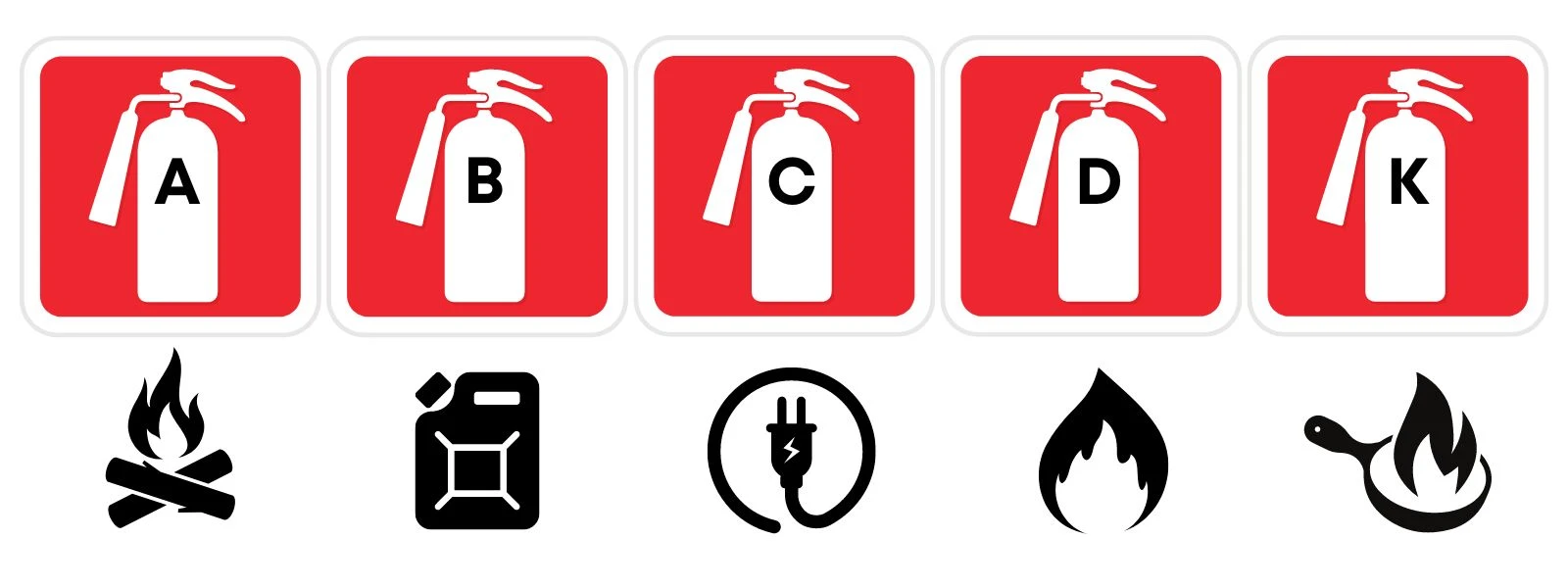
At the heart of fire extinguisher technology lies the principle of extinguishing different types of fires, each fueled by distinct materials requiring specific suppression agents. The initial letters on a fire extinguisher—A, B, C, D, and K—are a technological classification system that defines the kinds of fires the device is designed to combat. This system is a testament to the scientific understanding of combustion and the development of specialized chemical agents to interrupt the fire triangle (heat, fuel, oxygen).
Class A: Combustibles and Water-Based Solutions
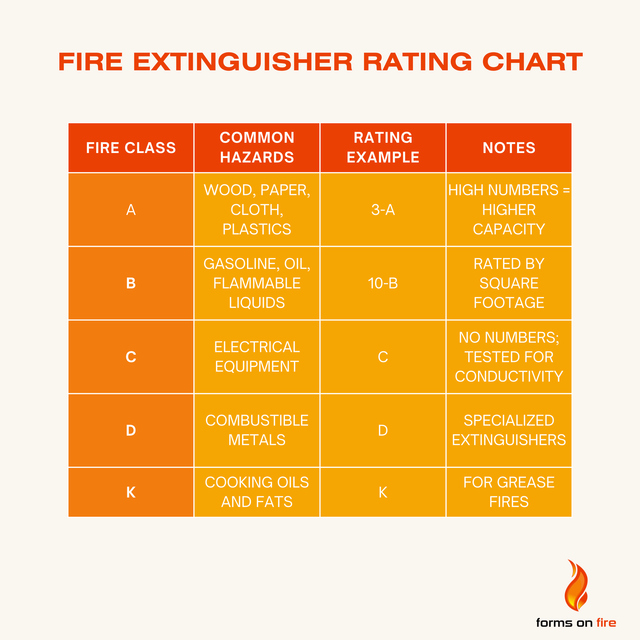
Class A fires involve ordinary combustible materials such as wood, paper, cloth, rubber, and plastics. The technology to suppress these fires typically relies on cooling the fuel’s temperature below its ignition point and smothering the flames. Extinguishers designed for Class A fires often contain water, foam, or specific dry chemicals (like monoammonium phosphate) that work by absorbing heat and creating a barrier to oxygen. The effectiveness of water-based extinguishers for Class A fires highlights a fundamental engineering principle: removing heat is often the most straightforward path to suppression for solid fuels.
Class B: Flammable Liquids and Gas Suppression
Class B fires are fueled by flammable liquids (e.g., gasoline, oil, grease, paint, solvents) and flammable gases. The technology here shifts from cooling to smothering or interrupting the chemical reaction. Agents like carbon dioxide (CO2), dry chemicals (e.g., sodium bicarbonate, potassium bicarbonate), and foams are employed. CO2 works by displacing oxygen and cooling the fuel, while dry chemicals interfere with the chemical chain reaction of the fire. The development of these specialized agents represents significant advancements in chemical engineering designed to tackle fires that cannot be simply doused with water, which would only spread the flammable liquid.
Class C: Electrical Fires and Non-Conductive Agents
Class C fires involve energized electrical equipment. The primary technological consideration for these fires is the use of non-conductive extinguishing agents to prevent electrical shock to the operator and avoid further damage to equipment. Water is strictly prohibited. Common agents include CO2 and specific dry chemicals (like monoammonium phosphate or potassium bicarbonate), which are non-conductive. The “C” rating on an extinguisher signifies that the extinguishing agent has been tested and certified safe for use on live electrical equipment, demonstrating a crucial safety engineering feature integrated into the device’s design.
Class D: Combustible Metals – Specialized Challenges
Class D fires are perhaps the most specialized, involving combustible metals such as magnesium, titanium, zirconium, sodium, and potassium. These fires burn at extremely high temperatures and react violently with common extinguishing agents like water. Suppressing Class D fires requires highly specialized dry powder agents (e.g., sodium chloride, graphite, copper) that work by smothering the fire and absorbing heat without reacting with the burning metal. The engineering behind Class D extinguishers focuses on inert, non-reactive compounds capable of isolating the metal fuel from oxygen and heat, a distinct challenge in fire suppression technology.
Class K: Kitchen Fires and Wet Chemical Technology
Class K fires are a more recent classification, specifically addressing fires involving cooking oils and fats (animal or vegetable) found in commercial kitchens. These fires burn at very high temperatures and have a tendency to re-ignite. Class K extinguishers use a wet chemical agent, typically a potassium acetate-based solution, which works by saponification—creating a foam-like blanket that cools the oil and creates a barrier between the oxygen and the fuel, preventing re-ignition. This advanced chemical technology provides superior performance over older dry chemical agents for these specific, high-risk fires.
Decoding the Numerical Rating: Extinguishing Power and Reach
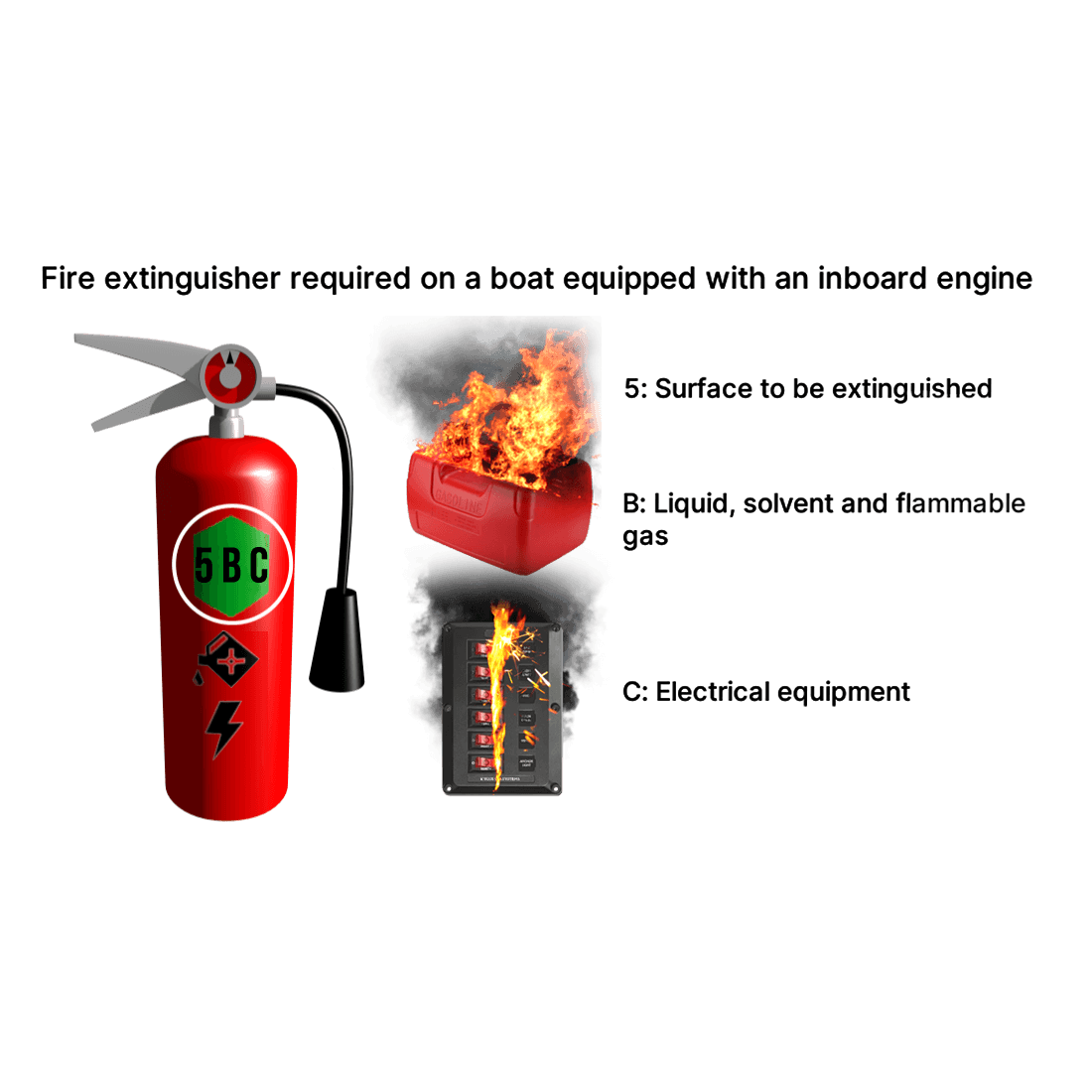
Beyond the letter classification, many fire extinguishers also feature a numerical rating, typically preceding the ‘A’ and ‘B:C’ designations (e.g., 2-A:10-B:C). These numbers are the performance metrics of the extinguisher’s technology, indicating its relative extinguishing capacity and reach. They are derived from rigorous testing standards, providing a quantifiable measure of the device’s power.
What the ‘A’ Number Represents (e.g., 1-A, 2-A) – Water Equivalence
The number preceding the ‘A’ classification indicates the equivalent amount of water the extinguisher’s agent can extinguish in a Class A fire. Specifically, a 1-A rating signifies the extinguishing capacity equivalent to 1.25 gallons of water. Therefore, a 2-A extinguisher has the capacity of 2.5 gallons of water (2 x 1.25 gallons), and a 10-A extinguisher is equivalent to 12.5 gallons of water. This numerical rating is based on standardized tests involving specific sizes of wood cribs. A higher ‘A’ number means the extinguisher can tackle a larger Class A fire, showcasing a direct measure of its technological effectiveness against solid combustibles.
What the ‘B:C’ Number Represents (e.g., 5-B:C, 10-B:C) – Square Footage/Volume
The number preceding the ‘B:C’ classification signifies the square footage (or, more accurately, the number of square feet of flammable liquid surface area) that a non-expert operator can expect to extinguish. For example, a 10-B:C extinguisher is rated to extinguish a 10 square foot Class B fire. This rating is determined by tests involving controlled liquid fuel fires spread over a specific area. It’s a critical metric for understanding the reach and capacity of the extinguisher’s chemical agent technology when dealing with flammable liquids and gases. The ‘C’ typically accompanies the ‘B’ because many agents effective on Class B fires are also non-conductive and thus safe for Class C fires, though the ‘C’ itself doesn’t have a separate numerical rating for capacity.
Why ‘C’ Doesn’t Have a Separate Number – Non-Conductivity, Not Capacity
It’s important to note that the ‘C’ rating does not have a preceding number. This is because the effectiveness of an extinguisher on an electrical fire (Class C) is not about capacity or the volume of fire it can put out, but rather the non-conductive nature of its extinguishing agent. The ‘C’ simply indicates that the agent will not conduct electricity back to the user, making it safe for electrical fires, regardless of the fire’s size. The capacity to extinguish a fire that started electrically would instead be dictated by its ‘A’ or ‘B’ rating, depending on what fuels the fire once the electricity is removed or circuit is de-energized. This highlights a nuanced aspect of safety technology: sometimes, the primary concern is the method of suppression rather than just the volume.
The ‘K’ and ‘D’ Classifications – Unique Performance Metrics
Class K extinguishers have specific UL (Underwriters Laboratories) ratings related to their ability to extinguish specific volumes of cooking oil in a deep fryer, often denoted by the size of the fryer they can handle (e.g., 6-liter, 8-liter). This reflects a highly specialized technological application for a very particular type of fire. Similarly, Class D extinguishers do not have a numerical rating akin to A or B. Instead, their rating is based on specific test protocols for various combustible metals, certifying their efficacy against particular metal types. Their performance is described by their ability to control or extinguish specific metal fires, a testament to the highly specialized nature of this fire suppression technology.
Practical Application of Fire Extinguisher Technology: Selection and Placement
Understanding the numbers and letters on a fire extinguisher is not merely academic; it’s a foundational aspect of implementing effective fire safety technology. This knowledge guides the selection of the correct equipment and its strategic placement, transforming a potential hazard into a manageable incident.
Assessing Your Environment: Home vs. Office vs. Industrial Settings
The first step in applying this technical knowledge is to assess the specific fire risks of a given environment. A typical home might face Class A fires (furniture, paper) and potentially Class B (cooking oil, gasoline in a garage) and Class C (electrical appliances). An office environment will have similar risks, with a higher concentration of electronics. Industrial settings, however, can present a much broader and more intense range of hazards, including large volumes of flammable liquids, specialized machinery, and combustible metals. The technological solutions – the types and sizes of extinguishers – must be tailored to these unique risk profiles.
Matching Extinguisher Technology to Potential Hazards
Once risks are identified, the technical specifications (A, B, C, D, K, and their numerical ratings) become paramount. For a home kitchen, a small 5-B:C or even a 1-A:10-B:C extinguisher might suffice, particularly if it also carries a K rating for cooking oils. For a workshop, a larger 2-A:10-B:C or 5-A:60-B:C could be appropriate. Industrial facilities might require a combination of larger multi-purpose extinguishers, along with specialized Class D units for specific metal processes or Class K systems for large commercial kitchens. This strategic matching of the extinguisher’s technological capability to the specific fire hazard is crucial for effective risk mitigation.
Strategic Placement for Optimal Response
The best fire extinguisher technology is useless if it’s not readily accessible. Strategic placement, guided by fire safety codes and common sense, is vital. Extinguishers should be mounted in visible, easily accessible locations, away from potential fire hazards but within reasonable proximity. For example, a Class K extinguisher belongs near the cooking appliances in a commercial kitchen, not in a remote storage room. Likewise, an extinguisher with a strong ‘A’ rating should be near common combustibles. The placement strategy ensures that when a fire occurs, the appropriate technological tool is within reach, enabling a rapid and effective response.
Beyond the Numbers: Maintenance, Training, and Regulatory Compliance
While understanding the numbers on a fire extinguisher provides critical insights into its technological capabilities, it’s only one piece of the comprehensive fire safety puzzle. To ensure this safety technology remains effective, it must be properly maintained, users must be trained, and all installations must comply with regulatory standards.
Regular Inspections and Servicing: Ensuring Operational Technology
Like any piece of technology, fire extinguishers require regular inspection and servicing to remain in peak operational condition. This includes monthly visual checks to ensure gauges are in the green, pins are intact, and nozzles are clear. Annual professional inspections are mandated to check for wear and tear, internal corrosion, and proper pressure. For some types, hydrostatic testing is required periodically to check the integrity of the cylinder itself. Neglecting maintenance effectively renders the technology unreliable, turning a critical safety device into a potential liability. These routines ensure that the chemical agents are stable, the pressure systems are intact, and the mechanical components are functional, ready for deployment.
Training for Effective Use: Human-Technology Interaction
Even the most advanced fire extinguisher technology is only as effective as the person wielding it. Proper training is essential to bridge the gap between the device’s technical capabilities and human action. Training programs teach the “PASS” method (Pull, Aim, Squeeze, Sweep) and, crucially, when not to fight a fire but to evacuate. Understanding the limitations of the extinguisher’s ratings and knowing when a fire is too large or dangerous to tackle are critical safety decisions. This human-technology interaction element ensures that users can confidently and safely operate the equipment, leveraging its built-in technology to maximum effect.
Understanding Local Codes and Standards: A Framework for Safety Tech
Fire safety is heavily regulated, with local, national, and international codes (like NFPA standards in the US) dictating the type, size, placement, and maintenance requirements for fire extinguishers. These codes are developed based on extensive research, engineering principles, and statistical analysis of fire incidents. Compliance with these standards is not just a legal obligation; it’s a commitment to a scientifically validated framework for safety technology. Understanding these regulations ensures that the chosen and deployed fire extinguishers are not only technically appropriate but also meet the highest standards for public and occupational safety.
Conclusion
The numbers and letters on a fire extinguisher are far more than just labels; they represent a sophisticated system of safety technology, classification, and performance metrics. Decoding them provides invaluable insight into the specific types of fires an extinguisher can combat and its relative power. From the chemical engineering behind extinguishing agents to the rigorous testing standards that quantify their capacity, every aspect points to a deliberate and technological approach to fire safety.
By truly understanding what the number on a fire extinguisher means, we empower ourselves with the knowledge to select the right tools for the job, place them strategically, maintain them diligently, and, ultimately, act effectively when faced with a fire. In doing so, we don’t just protect property; we safeguard lives, leveraging the foundational technology of fire suppression to build more resilient and secure environments in an increasingly complex world.
aViewFromTheCave is a participant in the Amazon Services LLC Associates Program, an affiliate advertising program designed to provide a means for sites to earn advertising fees by advertising and linking to Amazon.com. Amazon, the Amazon logo, AmazonSupply, and the AmazonSupply logo are trademarks of Amazon.com, Inc. or its affiliates. As an Amazon Associate we earn affiliate commissions from qualifying purchases.