
In an increasingly complex financial landscape, the concept of budgeting often evokes images of restriction, deprivation, or tedious spreadsheets. Yet, to view a budget through such a narrow lens is to profoundly misunderstand its true potential. Far from being a financial straitjacket, a well-crafted budget is a powerful instrument of empowerment, a strategic roadmap that can transform your relationship with money and unlock a future of financial security and abundance. It’s not merely about tracking where your money goes; it’s about consciously directing your resources towards your most cherished aspirations. This article delves into the multifaceted benefits of budgeting, illustrating how this fundamental financial practice can help you achieve clarity, control, and ultimately, financial freedom.
Beyond Tracking: Unveiling the Core Power of Budgeting
At its heart, budgeting is an act of intentionality. It’s a proactive decision to take command of your financial resources rather than letting them dictate your life. While the initial step might involve tracking income and expenses, the real power of a budget lies in the insights and control it provides.
Gaining Financial Clarity and Control
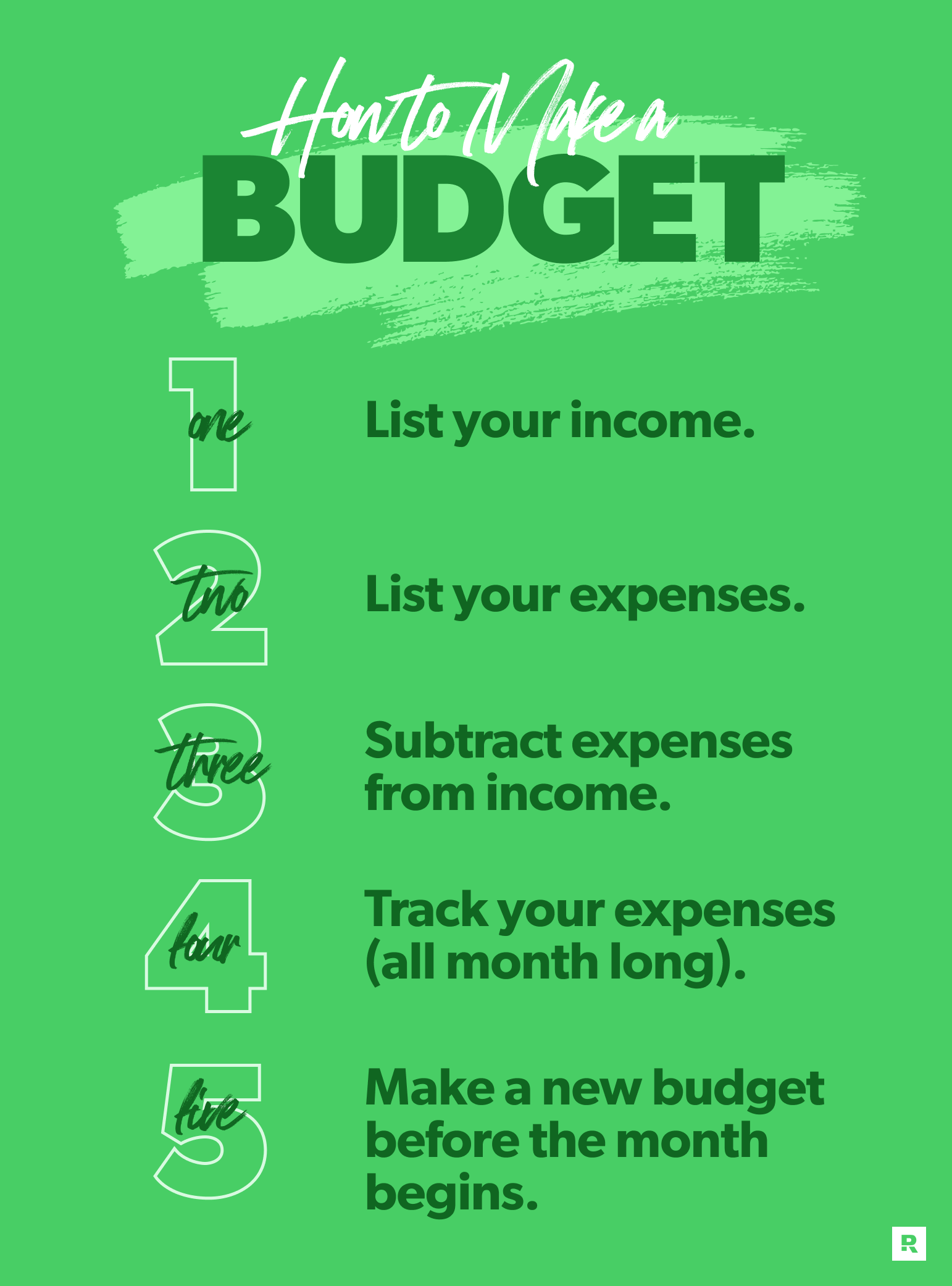
Many people operate under a vague understanding of their financial situation. Money comes in, money goes out, and at the end of the month, they’re left wondering where it all went. A budget dispels this ambiguity. By meticulously itemizing income sources and categorizing expenditures, you gain an crystal-clear picture of your financial inflows and outflows. This clarity is the bedrock of financial control. It allows you to see precisely how much you earn, how much you spend, and on what. This transparency empowers you to make informed decisions, transforming you from a passive observer to an active participant in your financial narrative. You move from “I think I spend too much on dining out” to “I spend $X on dining out, and that’s Y% of my income.” This quantifiable understanding is the first step towards meaningful change.
Identifying and Curbing Unnecessary Spending
With financial clarity comes the undeniable ability to pinpoint areas of wasteful or non-essential spending. Often, we are unaware of the cumulative impact of small, discretionary purchases. Daily coffees, streaming subscriptions we barely use, impulse buys – these “phantom expenses” can collectively erode a significant portion of our income. A budget brings these leakages to light. It allows you to objectively review your spending habits and identify categories where you might be overspending relative to your priorities or overall financial capacity. This isn’t about eliminating all joy; it’s about discerning between value-aligned spending and habitual, often unfulfilling, consumption. Once identified, these areas become targets for conscious adjustment, freeing up funds that can be reallocated to more impactful financial goals. The power lies in making conscious choices, not in blind sacrifice.
Aligning Spending with Personal Values and Goals
Perhaps one of the most transformative aspects of budgeting is its capacity to align your financial actions with your personal values and long-term aspirations. Without a budget, spending can be reactive, driven by immediate gratification or external pressures. With a budget, you become the architect of your financial future. Do you value travel, early retirement, homeownership, or higher education for your children? A budget forces you to articulate these goals and then allocate your funds in a way that actively supports them. It transforms money from a mere medium of exchange into a tool for realizing your deepest desires. If your goal is to save for a down payment, your budget will reflect a disciplined approach to saving and a conscious reduction in non-essential spending. It provides a framework where every dollar has a job, a purpose that resonates with your core values, ensuring your financial efforts are always moving you in the direction you truly want to go.
The Strategic Advantages of Effective Budgeting
Beyond immediate control, a budget serves as a foundational strategy for achieving significant financial milestones. It provides the discipline and foresight necessary to navigate life’s financial challenges and seize opportunities.
Accelerating Debt Repayment
Debt, particularly high-interest consumer debt, can be a suffocating burden, hindering financial progress and causing immense stress. A budget is an indispensable tool for accelerating debt repayment. By identifying surplus funds through expenditure optimization, you can strategically allocate more money towards principal payments. Whether you employ the snowball method (paying off smallest debts first) or the avalanche method (paying off highest interest debts first), a budget provides the necessary financial wiggle room to make aggressive payments. It allows you to see the direct impact of your efforts, providing motivation as balances shrink faster, ultimately saving you thousands in interest and freeing you from the chains of debt sooner.
Building Robust Emergency Funds
Life is unpredictable, and unexpected expenses are an inevitability. Car repairs, medical emergencies, job loss – these events can derail financial stability if adequate safeguards are not in place. An emergency fund, typically three to six months’ worth of living expenses, acts as a crucial financial buffer. A budget makes building this fund a deliberate and achievable goal. By carving out a dedicated portion of your income each month, even a small amount, and diligently allocating it to a separate, easily accessible savings account, you systematically build resilience against unforeseen circumstances. This financial safety net provides immense peace of mind, preventing you from resorting to high-interest credit cards or loans when crises strike.
Fueling Long-Term Wealth Accumulation
True wealth creation is rarely accidental; it’s the result of consistent, disciplined action over time. A budget is the engine that drives this process. By ensuring your income exceeds your expenses and by strategically allocating savings, a budget creates the capital necessary for investing. Whether it’s contributing to retirement accounts (401k, IRA), brokerage accounts, or real estate, consistent contributions are key. A budget ensures these contributions are not an afterthought but a prioritized component of your financial plan. It fosters the habit of “paying yourself first,” recognizing that your future self is your most important creditor. Over decades, the power of compound interest working on these consistent investments can lead to substantial wealth, securing your financial future and providing options you might not have otherwise had.
Preparing for Major Life Events
Life is punctuated by significant financial milestones: buying a home, funding a child’s education, starting a business, or planning for retirement. Each of these events requires substantial financial foresight and planning. A budget transforms these daunting prospects into manageable, achievable goals. By setting specific savings targets within your budget for each event, you break down large sums into smaller, more manageable monthly contributions. This structured approach allows you to track your progress, adjust as needed, and ensure you are steadily moving towards these aspirations. It removes the stress of last-minute scrambling and replaces it with the confidence that comes from methodical preparation.

Overcoming Budgeting Hurdles and Fostering Discipline
While the benefits of budgeting are clear, maintaining a budget consistently requires discipline and the right tools. Understanding common pitfalls and adopting effective strategies can transform budgeting from a chore into an empowering routine.
Choosing the Right Budgeting Method
There’s no one-size-fits-all budgeting method. What works for one person might not work for another. Exploring different approaches can help you find a system that aligns with your personality and financial situation.
- The 50/30/20 Rule: This popular method allocates 50% of your income to needs (housing, utilities, groceries), 30% to wants (dining out, entertainment), and 20% to savings and debt repayment. It’s simple and offers a good balance between discipline and flexibility.
- Zero-Based Budgeting: Every dollar of your income is assigned a specific job (expense, saving, debt repayment) until your income minus your expenses equals zero. This method ensures maximum intentionality and minimizes unused funds.
- The Envelope System: A more tactile approach where cash for specific spending categories (e.g., groceries, entertainment) is placed into physical envelopes. Once an envelope is empty, spending in that category stops until the next income cycle. It’s excellent for controlling discretionary spending.
- Pay Yourself First: While not a complete budgeting method, it’s a powerful principle: automate your savings and debt payments immediately after receiving your income, and then budget with what’s left.
Experimentation is key to finding a method that feels sustainable and effective for you.
Leveraging Financial Tools and Apps
In the digital age, manual budgeting has largely been supplanted by sophisticated financial tools and applications. These resources can significantly streamline the budgeting process, making it less tedious and more accurate. Apps like YNAB (You Need A Budget), Mint, Personal Capital, or Simplifi can automatically link to your bank accounts and credit cards, categorize transactions, track spending, and provide visual summaries of your financial health. Many offer features for setting goals, tracking net worth, and even providing investment advice. By automating the data collection and categorization, these tools free up your time to focus on analysis and decision-making, which are the true benefits of budgeting. They turn budgeting into an interactive, real-time experience rather than a retrospective chore.
Regular Review and Adjustment: The Key to Sustainability
A budget is not a static document; it’s a living financial plan that requires regular attention. Life changes – income fluctuates, expenses shift, goals evolve. For a budget to remain effective, it must be reviewed and adjusted periodically. This typically means checking in weekly or bi-weekly to ensure you’re on track, and conducting a more comprehensive review monthly or quarterly. During these reviews, assess if your allocations are still realistic, if your goals have shifted, or if unexpected expenses necessitate changes. Ignoring your budget or failing to adapt it to your current reality is a common reason for its failure. Flexibility, coupled with consistency, is the secret to long-term budgeting success. It’s not about being perfect, but about being persistent and adaptable.
Cultivating a Mindset of Financial Wellness
Ultimately, successful budgeting is as much about psychology as it is about arithmetic. It requires cultivating a mindset of financial wellness, where you view money as a tool for empowerment rather than a source of stress. This involves developing financial literacy, understanding your spending triggers, practicing delayed gratification, and celebrating small wins. Budgeting is a journey, not a destination. There will be months where you exceed your limits, and months where you flawlessly execute your plan. The goal is to learn from both, maintaining a positive and proactive attitude towards managing your money. Embrace the process, educate yourself, and treat your financial health with the same importance as your physical and mental well-being.
Budgeting as a Catalyst for Financial Freedom
True financial freedom isn’t necessarily about being rich; it’s about having choices, control, and peace of mind regarding your money. A budget is the most direct path to achieving this state.
Reducing Financial Stress and Anxiety
One of the most immediate and profound benefits of budgeting is the reduction of financial stress. Uncertainty about money is a leading cause of anxiety. When you know exactly where your money comes from, where it goes, and how it aligns with your goals, a significant weight is lifted. You replace worry with knowledge, and fear with confidence. The clarity and control offered by a budget allow you to anticipate future expenses, plan for the unexpected, and avoid the panic that often accompanies financial surprises. This sense of security liberates mental energy that can then be directed towards more productive and fulfilling aspects of life.
Empowering Informed Financial Decisions
Without a budget, financial decisions are often made impulsively or based on insufficient information. Should you take that new job with a slightly lower salary but better benefits? Can you afford that new car, or is it better to save for a larger down payment? A budget provides the data and context necessary to make truly informed decisions. It allows you to model different scenarios, understand the trade-offs involved, and choose the path that best serves your long-term interests. You move from guessing to knowing, from hoping to planning. This ability to make intentional, data-driven financial choices is a hallmark of financial maturity.

Paving the Path to Financial Independence
Financial independence is the ultimate goal for many: the state where your passive income covers your living expenses, allowing you to work because you want to, not because you have to. While this may seem like an ambitious dream, a budget is the indispensable first step on this journey. It is the engine that generates the surplus funds needed for investment, the compass that guides your financial strategy, and the discipline that ensures consistent progress. Every dollar saved, every debt paid down, every investment made, brings you closer to this liberating state. A budget, therefore, is not just about managing money today; it’s about systematically building the financial infrastructure that will support your dreams of independence and empower you to live a life of purpose and choice.
In conclusion, “What can a budget help you do?” is a question with a truly transformative answer. It helps you gain clarity, exert control, align spending with values, accelerate debt repayment, build security, accumulate wealth, reduce stress, and ultimately, achieve financial freedom. Far from being a restrictive measure, a budget is your most potent ally in constructing a future defined by financial empowerment and peace of mind. Embrace it, adapt it, and watch as it unlocks a world of possibilities for your financial life.
aViewFromTheCave is a participant in the Amazon Services LLC Associates Program, an affiliate advertising program designed to provide a means for sites to earn advertising fees by advertising and linking to Amazon.com. Amazon, the Amazon logo, AmazonSupply, and the AmazonSupply logo are trademarks of Amazon.com, Inc. or its affiliates. As an Amazon Associate we earn affiliate commissions from qualifying purchases.