
For many dog owners, their beloved canine companions are more than just pets; they are cherished family members. Ensuring their health and well-being is a top priority, and a significant part of responsible pet ownership involves understanding and utilizing preventative healthcare measures. Among the most critical vaccinations recommended by veterinarians is the distemper shot. But beyond its obvious medical benefits, understanding “what does the distemper shot do for dogs” also reveals a powerful narrative of financial prudence, long-term savings, and intelligent budgeting for your furry friend’s future.
This article delves into the crucial role of the distemper vaccine, not just as a medical intervention, but as a strategic financial investment that safeguards your dog’s health while protecting your personal finances from potentially catastrophic veterinary bills. We’ll explore the devastating costs associated with treating distemper, contrast them with the comparatively modest expense of vaccination, and highlight how proactive healthcare truly is the most cost-effective approach to pet ownership.
Understanding Canine Distemper: The Cost of Neglect
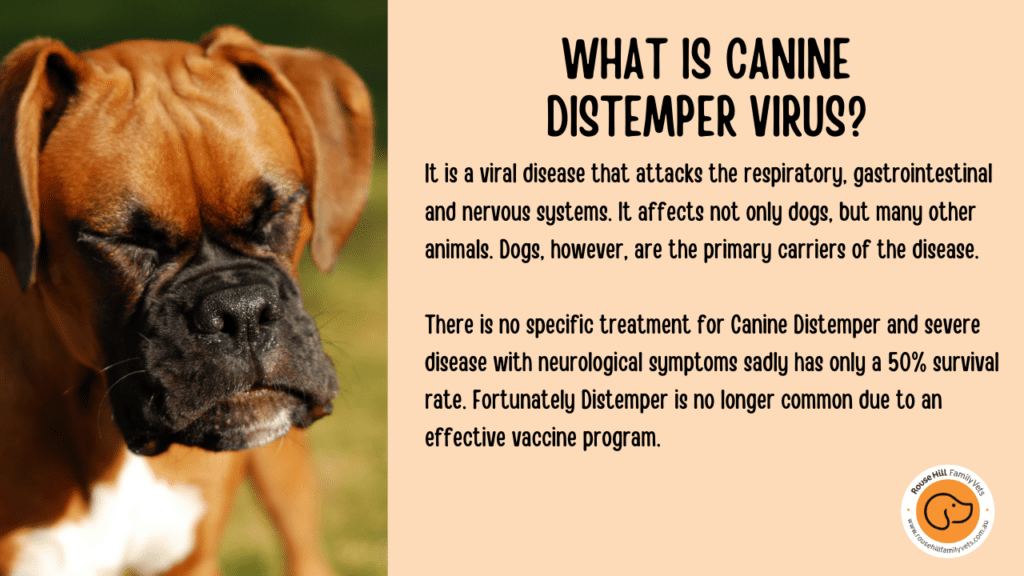
Before we can appreciate the financial wisdom of the distemper shot, it’s essential to grasp the severity of the disease it prevents. Canine Distemper Virus (CDV) is a highly contagious and often fatal systemic disease that affects the respiratory, gastrointestinal, and nervous systems of dogs, as well as wildlife like raccoons, foxes, and skunks. The implications of your dog contracting distemper extend far beyond emotional distress; they can inflict a substantial financial burden.
The Devastating Impact of Distemper
Distemper manifests with a wide array of symptoms, starting typically with fever, lethargy, poor appetite, and discharge from the eyes and nose. As the disease progresses, it can lead to severe gastrointestinal issues such (vomiting and diarrhea), respiratory problems (coughing, pneumonia), and ultimately, neurological signs such as seizures, muscle twitching, paralysis, and behavioral changes. The virus suppresses the immune system, making infected dogs vulnerable to secondary infections.
For puppies and unvaccinated adult dogs, distemper can be rapidly progressive and frequently deadly. Even if a dog survives, they may suffer from lifelong neurological damage, requiring ongoing care and management that significantly impacts their quality of life and imposes continuous financial strain on their owners.
The High Financial Burden of Treating Distemper
The financial cost of treating a dog diagnosed with distemper is staggering, often ranging from several hundreds to thousands of dollars, easily eclipsing the cost of vaccination by a magnitude of ten or even a hundred times. Treatment typically involves intensive supportive care, as there is no specific antiviral drug for distemper. This can include:
- Hospitalization: Dogs with severe symptoms often require round-the-clock veterinary supervision in an isolation ward to prevent further spread and manage their critical condition. Daily hospitalization costs can quickly accumulate.
- Intravenous Fluids: To combat dehydration from vomiting and diarrhea, and to administer medications.
- Antibiotics: To treat or prevent secondary bacterial infections, particularly pneumonia.
- Anti-emetics and Anti-diarrheals: To manage gastrointestinal symptoms.
- Anticonvulsants: To control seizures, which can be frequent and severe.
- Nutritional Support: Force-feeding or feeding tube insertion may be necessary if the dog refuses to eat.
- Diagnostic Tests: Blood tests, X-rays, and potentially MRI/CT scans if neurological symptoms are advanced, all adding to the bill.
- Specialized Care: For dogs that develop neurological complications, ongoing physiotherapy, medication, and potential consultations with veterinary neurologists can become a recurring expense, far outliving the initial treatment period.
Owners who choose to pursue aggressive treatment for a distemper-infected dog can expect bills that often exceed $3,000 to $10,000, depending on the severity of the illness and the duration of hospitalization and follow-up care. In many unfortunate cases, despite significant financial investment, the prognosis remains poor, leaving owners with both emotional devastation and a substantial financial hit.
The Distemper Shot: A Prudent Financial Investment in Prevention
In stark contrast to the exorbitant costs of treating a distemper infection, the distemper vaccination represents one of the most cost-effective preventative healthcare measures available to dog owners. It is a classic example of how a small, upfront investment can avert a much larger financial catastrophe down the line, embodying the financial principle that “an ounce of prevention is worth a pound of cure.”
How the Vaccine Works: A Shield Against Disease
The distemper shot typically contains attenuated (weakened) live viruses that stimulate a dog’s immune system to produce antibodies without causing the full-blown disease. These antibodies act as a protective shield, ready to neutralize the actual distemper virus if the dog is exposed to it in the future.
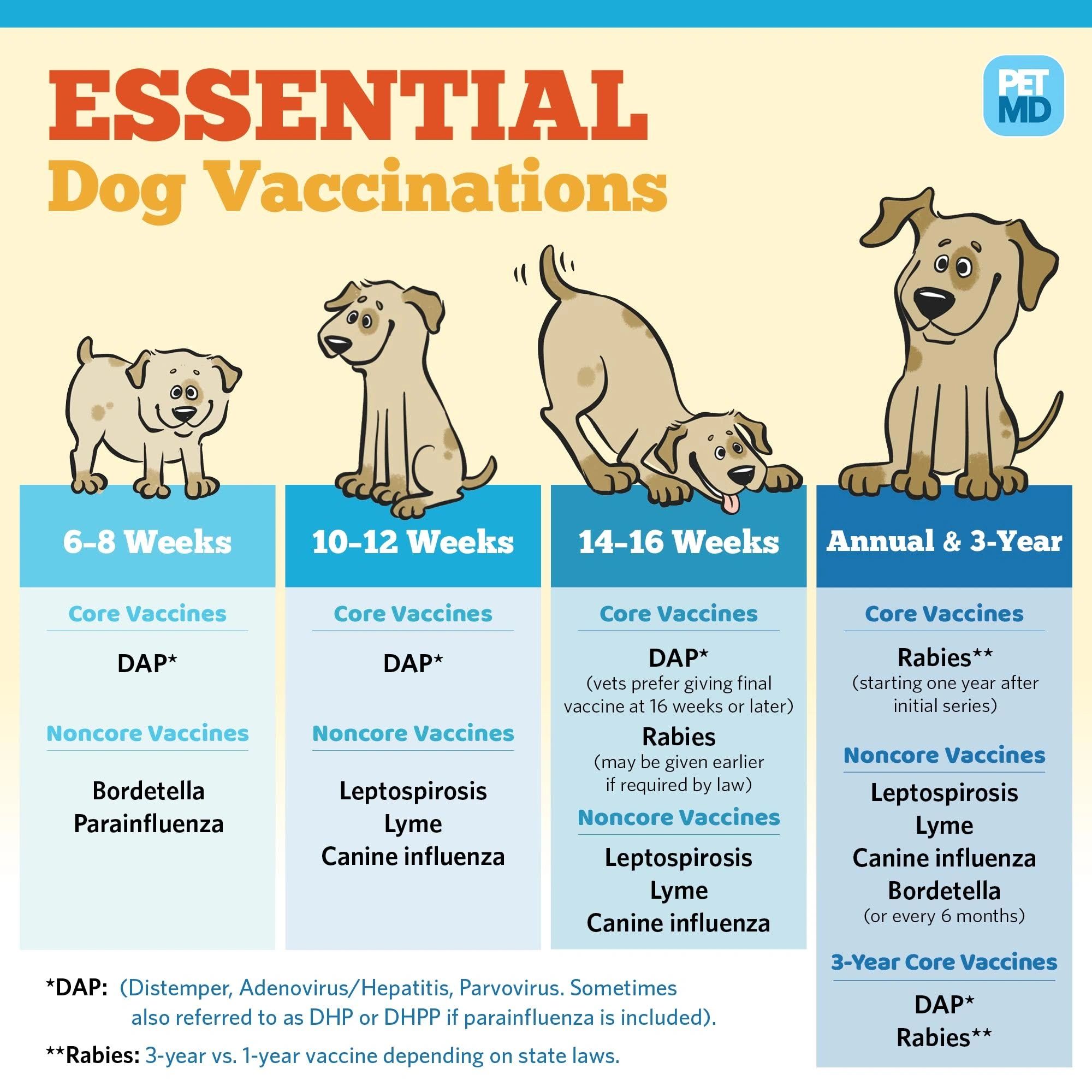
Puppies receive a series of vaccinations, usually starting around 6-8 weeks of age, followed by boosters every 3-4 weeks until they are about 16 weeks old. Adult dogs then require booster shots, often every one to three years, depending on the specific vaccine and veterinarian recommendations, to maintain adequate immunity. This vaccination regimen is foundational to a dog’s overall health and significantly reduces their risk of contracting distemper.
Comparing Costs: Vaccination vs. Treatment
The average cost of a distemper vaccine series for a puppy, including subsequent boosters, typically ranges from $20 to $60 per shot. Even considering an initial series of 3-4 shots and annual or triennial boosters over a dog’s lifetime, the total vaccination cost is usually in the low hundreds of dollars.

Let’s put this into perspective:
- Cost of Distemper Vaccine: Approximately $20-$60 per dose. A full puppy series might be $60-$240. Lifetime boosters potentially sum up to a few hundred dollars.
- Cost of Distemper Treatment: Easily $3,000 – $10,000 or more, often without guaranteed survival or full recovery.
The disparity is clear. Investing a relatively small sum in vaccinations is a highly leveraged financial decision. For every dollar spent on prevention, you could be saving hundreds, if not thousands, of dollars in potential emergency care and long-term treatment costs. This isn’t just about saving money; it’s about making a financially responsible choice that protects your assets (your dog’s health) from predictable and preventable risks.
Beyond the Immediate Savings: Long-Term Financial Benefits of Vaccination
The financial advantages of the distemper shot extend far beyond simply avoiding emergency treatment bills. They contribute to a broader financial stability for pet owners and enhance the overall value proposition of pet ownership.
Protecting Your Pet, Protecting Your Savings
Imagine the scenario: your dog contracts distemper, and you’re faced with a $7,000 veterinary bill. For many households, this unexpected expense could be devastating, potentially draining emergency savings, forcing tough financial decisions, or even leading to difficult choices about the pet’s care. By ensuring your dog is vaccinated, you effectively mitigate this financial risk. It’s akin to having a robust insurance policy that costs very little relative to the payout it prevents.
Vaccination helps maintain your dog’s long-term health, reducing the likelihood of chronic conditions or weakened immunity that could lead to other expensive health issues later in life. A healthy dog generally incurs lower veterinary costs over its lifetime, freeing up your financial resources for other planned expenses or investments.
The Peace of Mind Dividend
While not quantifiable in dollars and cents, the peace of mind that comes from knowing you’ve taken proactive steps to protect your dog’s health has immense financial value. It reduces anxiety about your pet potentially contracting a deadly disease, allowing you to enjoy your relationship with your dog without the constant worry of preventable illness. This mental well-being can prevent stress-related health issues for owners, which also carry their own indirect financial costs. In a way, it’s an investment in your own emotional and psychological capital.
Navigating Pet Healthcare Costs: The Role of Preventative Measures
The distemper shot is a cornerstone of preventative care, which itself is a fundamental strategy for financially responsible pet ownership. Understanding how preventative measures fit into your overall financial plan for your pet is crucial.
Pet Insurance and Preventative Care Bundles
Many pet insurance policies cover accidental injuries and illnesses, but some also offer optional wellness plans or preventative care riders that cover vaccinations, routine check-ups, and parasite prevention. While these come with an additional premium, they can help budget for and spread out the cost of preventative care, making it more predictable.
Even if your pet insurance doesn’t cover routine vaccinations, opting for the distemper shot reduces the likelihood of making a major claim for a distemper-related illness, which could affect your future premiums or deductibles. Some veterinary clinics offer wellness packages or loyalty programs that bundle preventative services, including vaccinations, at a reduced overall cost, presenting another financially savvy option.
Budgeting for Your Pet’s Wellness
Responsible pet ownership includes budgeting for all aspects of a pet’s life, from food and grooming to toys and, crucially, healthcare. Allocating a specific portion of your monthly or annual budget for preventative veterinary care, including vaccinations like the distemper shot, is a sound financial practice. This proactive budgeting approach ensures that funds are available when needed, preventing unexpected medical costs from derailing your personal finances. It transforms a potential crisis into a manageable, foreseen expense.
Making the Smart Choice: Prioritizing Your Pet’s Health and Your Finances
The decision to vaccinate your dog against distemper is not just a medical recommendation; it’s a strategic financial decision that reflects responsible stewardship of your pet’s health and your own economic resources.
Consulting Your Veterinarian: An Essential Financial Partner
Your veterinarian is your primary resource for understanding your dog’s specific vaccination needs, including the distemper shot. They can provide a tailored vaccination schedule based on your dog’s age, lifestyle, and local disease prevalence. Beyond medical advice, your vet can also be a valuable partner in navigating the financial aspects of pet care, offering insights into wellness plans, discussing cost-effective preventative strategies, and helping you prioritize veterinary expenses. Engaging in open dialogue about costs and preventative measures is a crucial step towards financially responsible pet ownership.
The True Value of Preventative Care
In conclusion, “what does the distemper shot do for dogs” extends far beyond mere disease prevention. It is a vital investment in your dog’s long-term health, longevity, and quality of life. Simultaneously, it serves as a powerful financial safeguard, protecting you from the exorbitant costs associated with treating a preventable and often fatal disease. By making the relatively small, upfront investment in the distemper vaccine, you are not only upholding your commitment to your beloved companion’s well-being but also making a profoundly intelligent and economically sound decision for your financial future. Prioritizing preventative care is the hallmark of a financially astute and loving pet owner.
aViewFromTheCave is a participant in the Amazon Services LLC Associates Program, an affiliate advertising program designed to provide a means for sites to earn advertising fees by advertising and linking to Amazon.com. Amazon, the Amazon logo, AmazonSupply, and the AmazonSupply logo are trademarks of Amazon.com, Inc. or its affiliates. As an Amazon Associate we earn affiliate commissions from qualifying purchases.