
The color green, in its myriad shades, evokes potent associations: lush landscapes, burgeoning life, and the verdant promise of spring. In the modern lexicon, it has become synonymous with prosperity, finance, and increasingly, sustainability. Yet, for those seeking deeper layers of meaning, particularly through a spiritual lens, the question arises: what does the color green mean biblically? While the scriptures may not explicitly detail the color green as a direct symbol of finance, a profound exploration reveals that the principles and concepts intrinsically linked with green—life, growth, renewal, abundance, and even envy—resonate deeply with biblical teachings on wealth, stewardship, and financial well-being. This article will delve into these intersections, establishing a framework for understanding “green” not just as a hue, but as a rich tapestry of financial wisdom rooted in ancient scripture.

The Green of Prosperity and Abundance: Biblical Foundations for Financial Flourishing
From the earliest narratives, the Bible paints a picture of a world created in vibrant color, where green is an undeniable testament to life and God’s provision. This foundational understanding lays the groundwork for how we perceive prosperity in a biblical context, linking it closely with natural growth and abundance, and by extension, financial flourishing.
Growth and Fertility: A Divine Blessing in Resources
Throughout scripture, green landscapes are symbols of divine blessing, indicative of fertility and an environment conducive to life. The Garden of Eden, a place of perfect provision and abundance (Genesis 2:9-10), was undoubtedly a panorama of green. Similarly, the imagery of trees planted by streams of water, whose leaves do not wither, is used to describe a righteous and prosperous person (Psalm 1:3). This visual metaphor extends beyond mere botany to encompass all forms of sustenance and flourishing, including financial and material well-being. Biblically, prosperity is not merely about accumulating riches; it is about living in a state of holistic well-being where needs are met, and there is capacity to bless others—a direct parallel to a thriving, green ecosystem that supports life. This foundational concept suggests that true financial prosperity, when aligned with divine principles, should exhibit the same organic, sustained growth and fruitfulness seen in nature.
Stewardship Over God’s Green Earth: The Genesis of Financial Responsibility
The very first command given to humanity was to “fill the earth and subdue it; and have dominion over the fish of the sea, over the birds of the air, and over every living thing that moves on the earth” (Genesis 1:28). This mandate is the bedrock of biblical stewardship. While often interpreted ecologically, it inherently includes responsible management of all resources, which certainly extends to financial assets. The “green earth” is entrusted to us, not as our absolute possession, but as a resource to be managed wisely, cultivated, and protected for future generations. This foundational biblical principle directly informs our approach to financial management. Our earnings, investments, and material possessions are not solely for our own consumption but are tools for us to wisely steward, generate further value, and use for the good of creation and humanity. Viewing our financial capital as part of “God’s green earth” instills a profound sense of responsibility and purpose, shifting the focus from mere accumulation to purposeful management and impact.
Green as a Symbol of Financial Growth and Renewal: Applying Ancient Wisdom to Modern Wealth
The color green’s association with growth and renewal finds potent parallels in biblical financial wisdom. It encourages a dynamic, forward-looking perspective on money, emphasizing not just accumulation but continuous development, ethical investment, and the cyclical nature of prosperity.
Investing in “Green” Ventures: Principles of Wise Stewardship
While ancient texts obviously don’t mention “green energy” or “sustainable investing,” the biblical principles of wise stewardship strongly endorse practices that align with what we now call “green ventures.” Investing in areas that promote flourishing—whether it be in agriculture that sustains communities, businesses that create ethical jobs, or innovations that solve global challenges—reflects a biblical understanding of responsible capital deployment. The parable of the talents (Matthew 25:14-30) underscores the expectation to multiply what has been entrusted to us, not through reckless speculation, but through prudent, productive investment. True “green investing,” biblically speaking, is about seeking opportunities where capital can grow not just financially, but also contribute to societal good and environmental well-being, ensuring that financial growth is sustainable and impactful. It’s about cultivating resources in a way that blesses the “green earth” and its inhabitants, aligning profit with purpose.
The Cycle of Abundance: Reaping and Sowing in Finance
The natural world operates on cycles of sowing and reaping, a principle frequently referenced in scripture (Galatians 6:7). This concept is profoundly applicable to financial growth and renewal. Just as a farmer sows seeds in the hope of a harvest, individuals are encouraged to “sow” their financial resources wisely—through diligent work, strategic saving, and prudent investment—with the expectation of “reaping” a harvest of financial stability and abundance. This cycle isn’t just about personal gain; it includes the principle of giving back, often referred to as tithing or generosity. By sowing generously (2 Corinthians 9:6), individuals participate in a larger cycle of abundance, ensuring resources circulate and bring life to others. This holistic view of financial growth transcends mere transactional thinking, envisioning a dynamic system where resources are continually renewed and circulated, mirroring the life-giving cycles of a green and vibrant ecosystem.
The Perils of “Green” Envy and Greed: A Cautionary Biblical Tale
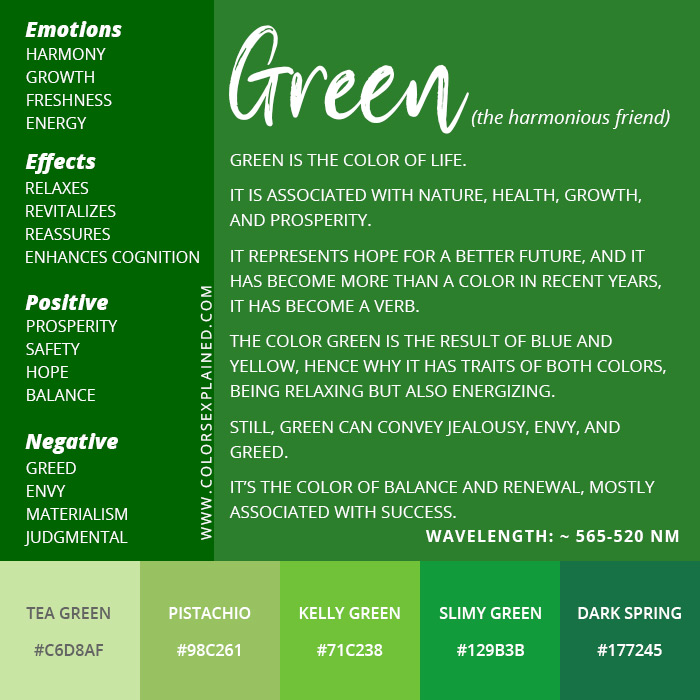
While green symbolizes positive growth and abundance, it also carries a more somber connotation: envy. The phrase “green with envy” is deeply ingrained in our language, and biblically, the dangers of covetousness and the idolatry of wealth are stern warnings that serve as critical counterpoints to the pursuit of prosperity.
The Root of All Evil: Guarding Against the Idolatry of Wealth
Perhaps one of the most direct biblical warnings concerning “green” in the financial sense comes from Paul: “For the love of money is a root of all kinds of evil, for which some have strayed from the faith in their greediness, and pierced themselves through with many sorrows” (1 Timothy 6:10). Here, the danger isn’t money itself, but the love of it—a covetous desire that can lead to greed, unethical practices, and spiritual decay. This “green” hunger, unchecked, transforms the potential for blessing into a source of destruction. Biblically, wealth is a tool, a resource to be stewarded; when it becomes an object of worship, it displaces God, leading to moral compromise and ultimately, spiritual emptiness. Understanding this biblical warning helps us guard against the darker side of financial ambition, ensuring our pursuit of “green” prosperity remains anchored in righteous principles rather than self-serving desire.
Contentment vs. Covetousness: A Biblical Financial Ethic
A central theme in biblical financial wisdom is the virtue of contentment (Hebrews 13:5) as an antidote to covetousness (Exodus 20:17). While the pursuit of financial growth is encouraged (through wise stewardship and diligence), it must be balanced with a spirit of gratitude and satisfaction with what one possesses. Covetousness, often fueled by “green envy”—a desire for what others have—is seen as a destructive force that erodes inner peace and fosters discontent. Biblically, true wealth is not solely measured by one’s possessions but by one’s character and relationship with God. Cultivating contentment allows individuals to enjoy the “green” blessings they have, rather than being perpetually driven by an insatiable desire for more. This ethic promotes a healthy relationship with money, where wealth serves purpose rather than becoming a tyrannical master.
Applying Biblical “Green” Principles to Modern Financial Life
Integrating biblical principles into contemporary financial practices offers a holistic and purposeful approach to managing money, aligning our pursuit of “green” (financial growth) with timeless spiritual truths.
Sustainable Wealth Building: A Long-Term, Principled Approach
The biblical emphasis on stewardship and long-term perspective inherently leads to a model of sustainable wealth building. This isn’t about quick gains or speculative risks, but about diligent work, prudent saving, wise investing, and ethical business practices that ensure enduring value. Just as a healthy “green” ecosystem thrives over time through balance and interconnectedness, biblical finance encourages creating wealth that is resilient, responsible, and beneficial for all stakeholders. This involves avoiding debt that enslaves, investing in stable and ethical ventures, and planning for the future with wisdom (Proverbs 21:20). It’s about building a financial life that reflects the enduring nature of God’s principles, rather than fleeting worldly trends.
Generosity and Tithing: Cultivating a Spirit of Giving
Perhaps the most profound application of “green” biblical principles to modern finance is the practice of generosity, particularly through tithing and charitable giving. Biblically, our resources are ultimately God’s, and we are called to be conduits of blessing. Giving back a portion of our “green” earnings acknowledges God’s sovereignty and our role as stewards. This act of giving is not merely an obligation but a spiritual practice that cultivates a generous heart, counteracts greed, and fosters a deeper trust in divine provision. It transforms personal wealth into a vehicle for impact, allowing our “green” resources to contribute to the flourishing of communities, support those in need, and advance causes that align with biblical values. This selfless act completes the cycle of abundance, ensuring that our financial growth has a purpose beyond ourselves.
Conclusion: The Holistic Meaning of “Green” in Biblical Finance
While the Bible does not explicitly assign symbolic meaning to the color green regarding money, the concepts woven into the fabric of “green”—life, growth, abundance, renewal, and regrettably, envy—resonate deeply with its profound teachings on finance and stewardship. From the verdant imagery of a blessed life to the stern warnings against covetousness, biblical wisdom offers a comprehensive framework for navigating our financial lives. It encourages us to pursue “green” prosperity not as an end in itself, but as a means to live purposefully, steward wisely, invest ethically, and give generously. Ultimately, understanding “what the color green means biblically” in a financial context is about recognizing that true wealth is not just about accumulation, but about cultivating a life of balance, integrity, and generosity, where our resources contribute to a flourishing world, reflecting the divine design for abundance and sustainable well-being.
aViewFromTheCave is a participant in the Amazon Services LLC Associates Program, an affiliate advertising program designed to provide a means for sites to earn advertising fees by advertising and linking to Amazon.com. Amazon, the Amazon logo, AmazonSupply, and the AmazonSupply logo are trademarks of Amazon.com, Inc. or its affiliates. As an Amazon Associate we earn affiliate commissions from qualifying purchases.