
In an age dominated by personal brands, corporate identities, and the pervasive influence of visual marketing, every detail of presentation is meticulously scrutinized. From the tailored suit of a CEO to the carefully curated aesthetic of an influencer, clothing serves as a powerful, non-verbal communicator. It might seem anachronistic to turn to the Bible for insights into such contemporary concerns, yet within its ancient texts lie profound principles concerning identity, communication, and authenticity that resonate surprisingly well with modern branding strategies. The Bible, far from being a mere historical or religious document, offers a rich tapestry of narratives and instructions that illuminate how attire has always been a fundamental tool for conveying status, belonging, values, and purpose – all cornerstones of effective branding.
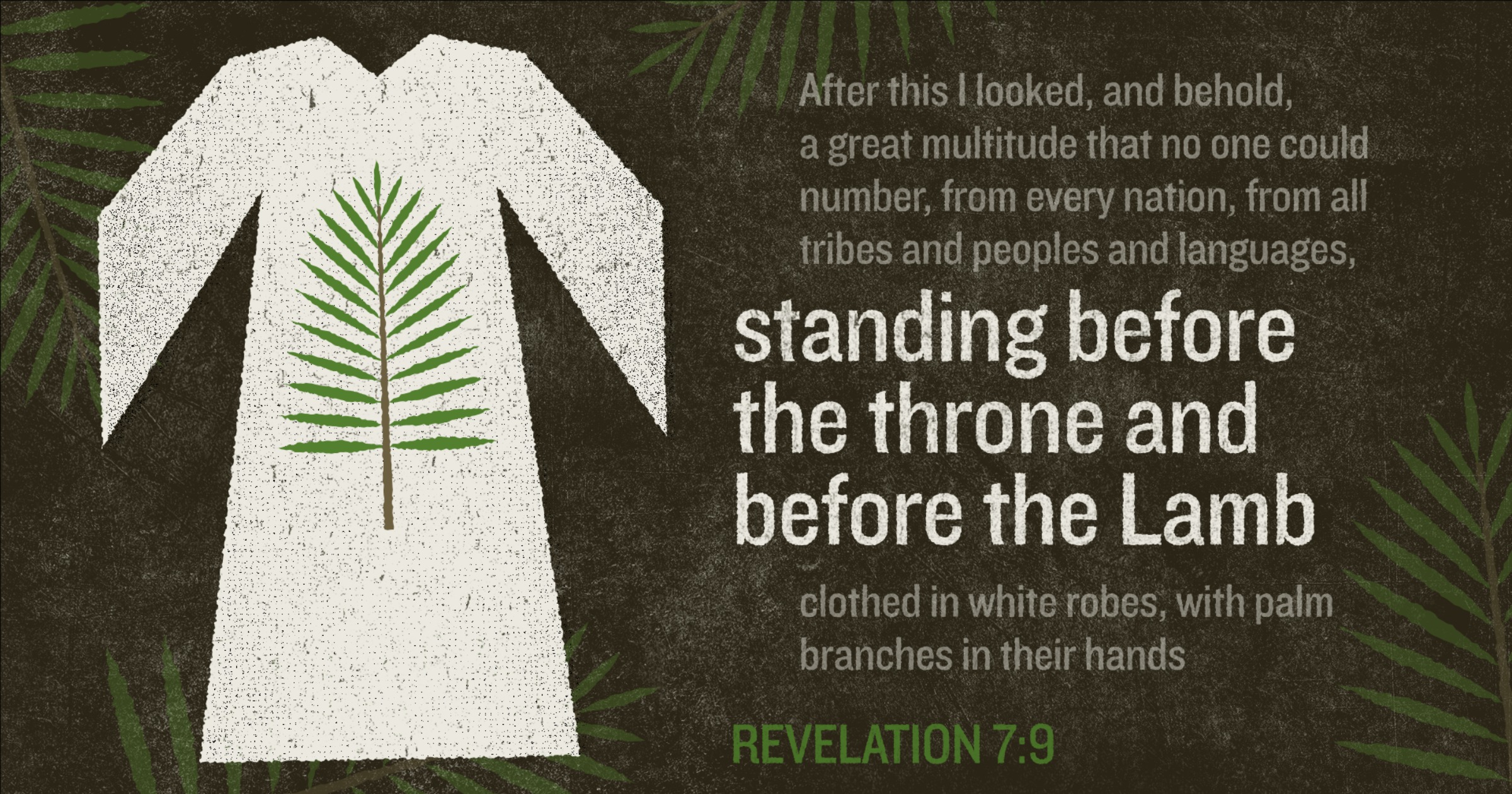
This exploration will transcend theological interpretations to delve into how biblical perspectives on clothing can inform our understanding of personal branding, corporate identity, and even ethical marketing in the apparel industry. We’ll examine how ancient directives on dress, often steeped in cultural and religious contexts, can be reframed as timeless lessons for crafting compelling and authentic brand narratives through what we wear.
Clothing as a Personal Brand Statement: Identity and Perception
From the very first garments mentioned in scripture, clothing is intrinsically linked to identity and how one is perceived. The narrative of Adam and Eve, receiving fig leaves and then tunics of skin, illustrates clothing’s fundamental role in covering vulnerability, signifying a change in status, and marking a new phase of existence. This primal understanding sets the stage for clothing as a deliberate statement of personal brand.
The Genesis of Self-Presentation: From Fig Leaves to Tailored Garments
The transition from primal modesty (fig leaves) to divine provision (tunics of skin) in Genesis marks humanity’s first engagement with self-presentation. Beyond mere covering, these garments served as a functional and symbolic shield, altering how Adam and Eve presented themselves and perceived their own state. In modern personal branding, this echoes the foundational understanding that one’s attire is not just about fashion, but about establishing a baseline for how one wishes to be seen. A brand strategist might equate the choice of a specific wardrobe with defining one’s “brand essence” – a deliberate decision to convey confidence, accessibility, authority, or creativity before a single word is spoken. The “brand story” begins visually, just as the human story in the Bible is marked by its changing attire.
Distinguishing Marks: Prophets, Priests, and Kings
Throughout the Old Testament, specific attire is repeatedly described for individuals holding particular roles, emphatically demonstrating how visual cues establish authority and identity. Priests were adorned with elaborate vestments, prophets sometimes wore rough garments (like Elijah’s cloak of hair), and kings were distinguished by royal robes and crowns. These garments were not mere decorations; they were integral to their office, signifying their divine appointment, societal role, and the respect due to them.
For personal branding today, this translates directly to the concept of “dressing for the role you want.” An executive’s tailored suit, a creative director’s distinctive accessories, or a thought leader’s consistent style all serve as a form of visual shorthand. They communicate competence, industry alignment, and personal gravitas, shaping immediate perceptions and reinforcing their professional brand. The biblical examples highlight that strategic dressing has always been a potent tool for differentiation and establishing credibility within one’s sphere of influence.
Beyond Material Wealth: The Brand of Character
While the Bible acknowledges and describes ornate clothing for figures of status, it also frequently cautions against pride, ostentation, and the superficiality of outward appearance alone. Passages like 1 Peter 3:3-4 (referring to “the imperishable beauty of a gentle and quiet spirit”) or Isaiah 3:16-24 (critiquing the vanity of the “daughters of Zion”) emphasize that true value lies in inner character and spiritual disposition, not external finery.
In contemporary branding, this translates to the critical concept of “brand authenticity.” A personal brand built solely on surface-level aesthetics without underlying substance—skills, values, integrity—is ultimately unsustainable. While initial impressions through attire are crucial, a strong personal brand must be rooted in genuine character and consistent values. The biblical perspective reinforces that what a person truly “wears” on the inside ultimately defines their brand’s depth and longevity, influencing trust and loyalty far more than any fleeting fashion trend.
The Garment of Corporate Identity: Uniforms, Vestments, and Group Affiliation
Beyond individual expression, clothing in the Bible also played a critical role in establishing and communicating corporate identity—the visual branding of groups, communities, and institutions. Whether it was the sacred vestments of a priesthood or the simple garments of a unified community, attire served to delineate membership, role, and shared values.
Priestly Vestments: A Divine Corporate Identity
The most explicit example of corporate identity through attire in the Bible is the detailed description of the High Priest’s vestments in Exodus. Every element—the ephod, breastpiece, Urim and Thummim, robe, turban, and sash—was meticulously prescribed, down to the colors, materials, and precious stones. These garments were not simply beautiful; they communicated the priest’s unique role as mediator between God and Israel, the sanctity of his office, and the collective identity of the nation he represented before the divine.
This serves as a powerful historical analogue to modern corporate uniforms, branding guidelines, and specialized professional attire. Just as the High Priest’s garments instantly communicated his sacred function and the identity of the Israelite worship system, a corporate uniform communicates a company’s professionalism, its brand standards, and the collective identity of its employees. Think of airline crews, medical professionals, or sports teams – their attire is a powerful, non-verbal expression of their organizational brand and mission.
Early Christian Communities and Modesty as a Shared Brand Value
In the New Testament, early Christian instructions regarding dress, particularly for women (e.g., 1 Timothy 2:9-10), often emphasized modesty and a lack of ostentation. While these directives are steeped in cultural and theological nuances, from a branding perspective, they fostered a collective identity that distinguished Christian communities from the opulent and often immodest fashions of the Roman world. Modesty became a visible marker of their counter-cultural values, humility, and focus on internal piety rather than external display.

This parallels how brands establish a unique “brand culture” and visual identity that differentiates them in a competitive market. For instance, minimalist or ethical fashion brands deliberately choose styles and materials that reflect their brand values of sustainability, simplicity, or social responsibility. Their choices in attire, both for their products and their internal teams, become a consistent expression of their shared ethos, attracting a demographic that aligns with these same values.
Modesty and Authenticity: Core Brand Values from Scriptural Perspectives
The concept of modesty, frequently addressed in biblical texts concerning clothing, offers valuable insights into establishing and maintaining brand authenticity and integrity. It challenges brands to look beyond superficiality and focus on deeper, more enduring values.
The Ethos of Humility in Personal Branding
Biblical admonitions against excessive ornamentation or pride in dress, such as those found in Proverbs, can be reframed as a call for humility and authenticity in personal branding. Instead of striving for a flashy, attention-grabbing persona, this perspective encourages a brand built on genuine character, competence, and service. It suggests that a truly strong personal brand doesn’t need to shout for attention; its substance and integrity speak for themselves.
For modern personal branding, this means cultivating a reputation based on expertise, reliability, and genuine connections, rather than solely on superficial glamour or fleeting trends. It encourages a brand narrative that is grounded in humility, continuous learning, and a focus on adding value, ensuring that the brand’s outward presentation genuinely reflects its inner substance.
Modesty as Strategic Messaging
Modesty, when viewed through a branding lens, isn’t about hiding or diminishing oneself, but about strategic communication. A brand choice for modesty—whether expressed through minimalist design, understated luxury, or a focus on ethical production rather than aggressive marketing—can powerfully communicate integrity, sophistication, and a commitment to substance over superficiality. For certain market segments, this “modest” approach can be a significant differentiator, attracting consumers who value genuine quality, sustainability, or quiet luxury.
Think of brands that forgo overt logos for subtle branding, or those that prioritize timeless design over seasonal fads. Their “modest” approach in marketing and aesthetics becomes a powerful message, signifying confidence in their inherent quality and an appeal to discerning clients who prefer understated excellence.
Biblical Principles in Apparel Design and Ethical Marketing
Finally, the detailed instructions and moral frameworks within the Bible, even those pertaining to ancient clothing practices, can offer surprising guidance for contemporary apparel design and the ethical marketing of fashion.
Craftsmanship and Quality: A Legacy of Value
The meticulous instructions for crafting the priestly garments, using the finest materials and skilled artisans, underscore a biblical emphasis on excellence, quality, and careful craftsmanship. These were not disposable items but sacred artifacts designed for longevity and symbolic perfection. This attention to detail and insistence on quality can be translated directly into principles for modern apparel design.
For brands, this means prioritizing durable materials, skilled labor, and thoughtful design that transcends fleeting trends. It’s about building a brand reputation for quality and longevity, echoing the idea that things made with care and intention hold greater value. This aligns with the luxury market’s emphasis on heritage and craftsmanship, as well as the growing sustainable fashion movement that champions “slow fashion” and garments designed to last.
“Do Not Wear Garments Woven of Two Kinds of Material”: Early Concepts of Brand Purity?
The perplexing prohibition in Deuteronomy 22:11 against wearing garments woven of “two kinds of material” (e.g., wool and linen mixed) has multiple interpretations, often linked to ritual purity, distinctiveness, or avoiding pagan practices. From a highly abstract branding perspective, this could be seen as an ancient directive for maintaining “brand purity” or consistency. It suggests a focus on singular purpose, avoiding dilution, or clearly defining one’s identity without ambiguous mixing.
In modern brand strategy, this can be analogized to the importance of brand consistency—maintaining a clear message, visual identity, and core values across all touchpoints. A brand that tries to be “all things to all people” by mixing conflicting messages or aesthetics often dilutes its impact. The biblical instruction, however archaic, can serve as a metaphorical reminder to stay true to one’s core brand essence, avoiding blends that confuse or weaken the brand’s distinctive identity.

Attire and Social Responsibility: Beyond the Fabric
While the Bible does not explicitly detail “ethical fashion” as we understand it today, its broader teachings on justice, care for the poor, and fair treatment of workers provide a strong moral framework that can be extended to the apparel industry. The emphasis on ethical conduct and social responsibility, found throughout prophetic literature and Mosaic law, can inform how brands approach their supply chains, labor practices, and environmental impact.
For ethical marketing in apparel, this means going beyond mere product features to highlight a brand’s commitment to fair wages, safe working conditions, sustainable sourcing, and charitable initiatives. Brands that transparently communicate these values are increasingly resonating with conscious consumers who seek to align their purchases with their personal ethics. The ancient biblical call to justice and compassion thus finds a contemporary application in shaping corporate social responsibility as a powerful, authentic brand differentiator.
In conclusion, while the Bible is not a marketing textbook, its profound and intricate discussions around clothing – its origins, its symbolic power, its role in identity, and the ethical considerations surrounding its use – offer an unexpectedly rich trove of insights for modern branding. From personal presentation to corporate identity, and from authenticity to ethical design, the ancient wisdom within its pages continues to resonate, providing timeless principles for crafting meaningful and impactful brands in today’s complex world.
aViewFromTheCave is a participant in the Amazon Services LLC Associates Program, an affiliate advertising program designed to provide a means for sites to earn advertising fees by advertising and linking to Amazon.com. Amazon, the Amazon logo, AmazonSupply, and the AmazonSupply logo are trademarks of Amazon.com, Inc. or its affiliates. As an Amazon Associate we earn affiliate commissions from qualifying purchases.