
In the fiercely competitive landscape of modern business, personal branding, and corporate identity, reputation is currency. A strong brand—built on trust, integrity, and consistent value—is an invaluable asset. Conversely, a tarnished image can be a catastrophic liability. While contemporary marketing handbooks dissect the nuances of brand strategy, ancient texts, particularly the Bible, offer a surprisingly potent and timeless framework for understanding the characteristics that either elevate or diminish one’s standing. The Bible, especially the Book of Proverbs, speaks extensively about the “fool,” not merely as someone lacking intelligence, but as an individual whose actions, words, and character lead to self-inflicted damage and societal disdain. By examining “what the Bible says about a fool,” we unearth profound lessons directly applicable to crafting a robust, respected, and resilient brand.
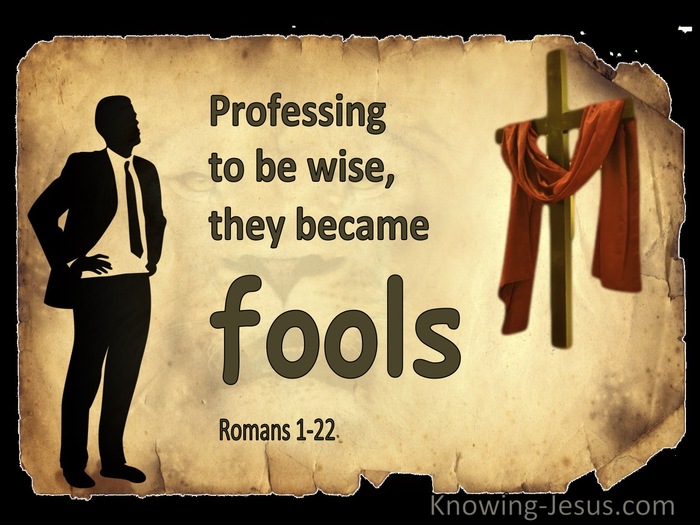
The Foolish Archetype: A Cautionary Tale for Your Brand Persona
The biblical fool is a multifaceted character, illustrating a range of behaviors that, if adopted, can systematically undermine any branding effort. Understanding this archetype offers a negative template—a clear picture of what not to embody in your personal or corporate persona.
The Braggart and the Brand: Humility in Communication
The Bible often portrays the fool as boastful and arrogant, quick to declare their own wisdom or accomplishments without substance. Proverbs 12:15 states, “The way of fools seems right to them, but the wise listen to advice.” In the branding world, this translates directly to messaging. A brand that is constantly self-congratulatory, makes unsubstantiated claims, or dismisses external feedback risks alienating its audience and appearing inauthentic. True brand strength comes from delivering value and letting results speak for themselves, not from incessant self-promotion devoid of humility. Humble communication, which acknowledges challenges, celebrates team efforts, and genuinely seeks customer input, builds far greater trust and loyalty than an arrogant, know-it-all facade. Over-promising and under-delivering is a classic foolish move that devastates brand equity.
The Rash Speaker: Thoughtful Messaging and Crisis Management
One of the most recurring descriptions of a fool is their uncontrolled tongue. Proverbs 10:14 observes, “The wise store up knowledge, but the mouth of a fool brings ruin near.” Impulsive, ill-considered statements can unravel years of careful brand building in an instant. For personal brands, this means carefully curating social media presence and professional communications. For corporate entities, it underscores the absolute necessity of a robust communications strategy, particularly during times of crisis. Every tweet, press release, and public comment contributes to the brand narrative. A rash, defensive, or insensitive response can lead to a PR disaster, as the foolish impulse to speak before thinking overrides strategic communication principles. Brands that speak thoughtfully, consider their audience, and measure their words demonstrate wisdom and build enduring respect.
The Obstinate Character: Adaptability and Brand Evolution
The biblical fool is often depicted as resistant to correction and unwilling to learn. Proverbs 15:5 declares, “A fool despises a parent’s instruction, but whoever heeds correction shows prudence.” In the dynamic world of branding, obstinacy is a death knell. Markets evolve, consumer preferences shift, and technological advancements reshape industries. A brand that refuses to adapt, listen to market signals, or pivot when necessary is signing its own obsolescence warrant. Brand evolution isn’t a betrayal of identity; it’s a testament to resilience and foresight. Embracing constructive criticism, analyzing market trends, and being open to innovation are hallmarks of a wise brand, one that is built to last by constantly refining its value proposition.
Wisdom vs. Folly: Shaping Your Personal and Corporate Narrative
The Bible presents wisdom as the antidote to folly, delineating characteristics that are foundational to building a positive and enduring brand narrative. These virtues are not merely moral imperatives but strategic advantages.
Integrity as a Brand Cornerstone: Trust and Consistency
“The integrity of the upright guides them, but the unfaithful are destroyed by their duplicity” (Proverbs 11:3). Integrity is the bedrock of any successful brand. It means being honest, transparent, and consistent in words and actions. A brand lacking integrity—one that lies to customers, cuts corners, or operates unethically—will inevitably face exposure and lose consumer trust. Trust is painstakingly built over time but can be shattered in moments. For both personal and corporate brands, integrity is non-negotiable. It dictates how business is conducted, how employees are treated, and how commitments are honored. A brand known for its integrity fosters deep loyalty and commands respect, becoming a beacon in a crowded marketplace.
Diligence and Value Creation: Delivering on Brand Promises
The foolish person is often characterized by laziness or a lack of foresight, leading to poverty or ruin. “Lazy hands make for poverty, but diligent hands bring wealth” (Proverbs 10:4). In a branding context, diligence translates to consistent effort in delivering on brand promises and creating tangible value. A brand that promises innovation but delivers mediocrity, or pledges exceptional service but provides apathy, is acting foolishly. True brand power comes from a relentless pursuit of excellence, a commitment to quality, and a consistent effort to exceed expectations. Diligence in product development, customer service, and operational efficiency builds a reputation for reliability and quality, reinforcing the brand’s core value proposition.
Strategic Counsel vs. Ignorant Advice: The Power of Informed Decisions
Fools, according to the Bible, are prone to making decisions based on their own limited understanding, often ignoring sound advice. “Where there is no guidance, a people falls, but in an abundance of counselors there is safety” (Proverbs 11:14). For brands, this highlights the critical importance of seeking expert advice, conducting thorough market research, and making data-driven decisions. Relying solely on intuition or uninformed opinions is a recipe for strategic missteps. Wise brands invest in market intelligence, engage skilled consultants, and foster internal cultures of learning and critical thinking. They understand that informed decisions, grounded in comprehensive analysis, are essential for navigating complex market challenges and charting a successful course.
The Social Impact of Foolishness: Protecting Your Brand’s Image
The Bible frequently emphasizes the relational consequences of foolish behavior. These insights are crucial for understanding how a brand’s actions impact its standing within the broader community and ecosystem.
Reputation and Relationships: Building Community and Loyalty
A fool’s behavior often leads to strained relationships and isolation. “A fool’s mouth is his ruin, and his lips are a snare to his soul” (Proverbs 18:7). Brands, much like individuals, exist within a network of relationships—with customers, employees, partners, and the public. Foolish brand actions, such as exploiting customers, mistreating employees, or engaging in unethical competitive practices, destroy these vital relationships. Wise brands, conversely, actively cultivate positive relationships by being fair, respectful, and supportive. They understand that a strong brand is not just about transactions but about building a loyal community. Engaging with customers, fostering employee advocacy, and contributing positively to society build a formidable reputation and loyalty that transcends mere product features.
The Cost of Recklessness: Avoiding Brand Damage and PR Disasters
Reckless behavior is a hallmark of the fool, often leading to avoidable harm. “A fool finds pleasure in wicked schemes, but a person of understanding delights in wisdom” (Proverbs 10:23). For brands, recklessness manifests in cutting corners on safety, making irresponsible financial decisions, or engaging in practices that harm the environment or society. The consequences, in an era of instant information dissemination, can be swift and severe. Reputational damage from a single reckless act can cost millions in lost sales, legal fees, and recovery efforts. A wise brand practices prudence, conducts thorough risk assessments, and prioritizes long-term sustainability over short-term gains, thereby safeguarding its image and avoiding costly PR disasters.
Long-Term Legacy: A Brand Built on Enduring Principles
The biblical concept of folly often implies a lack of foresight, focusing on immediate gratification rather than lasting impact. “The wisdom of the prudent is to give thought to their ways, but the folly of fools is deception” (Proverbs 14:8). Brands, like individuals, aspire to leave a legacy. A brand built on foolish, short-sighted principles—driven purely by profit without regard for ethics or societal impact—will likely be fleeting. A wise brand, however, considers its long-term impact, its contribution to the industry, and its place in history. It invests in sustainable practices, cultivates a strong corporate culture, and strives for innovation that genuinely benefits humanity. This focus on enduring principles ensures a lasting legacy, a brand that is remembered not just for its products, but for its positive influence.
Cultivating a Wise Brand: Principles for Lasting Influence
Drawing from the dichotomy of wisdom and folly, we can synthesize actionable principles for cultivating a brand that not only thrives but also exerts lasting, positive influence.
Seeking Knowledge and Understanding: Continuous Improvement
“Get wisdom, get understanding; do not forget my words or turn away from them” (Proverbs 4:5). A wise brand is a learning brand. It constantly seeks knowledge—about its market, its customers, its competitors, and the broader world. This commitment to continuous learning fuels innovation, enables informed decision-making, and allows the brand to stay relevant and ahead of the curve. It means investing in research and development, fostering employee education, and actively soliciting feedback to continually refine products, services, and strategies.
Prudence in Action: Strategic Planning and Risk Mitigation
The prudent person, contrasted with the fool, considers the consequences of their actions. “The prudent see danger and take refuge, but the simple keep going and pay the penalty” (Proverbs 27:12). For a brand, prudence translates to meticulous strategic planning, careful resource allocation, and robust risk mitigation. It involves anticipating challenges, preparing contingency plans, and making decisions that protect the brand’s long-term health rather than chasing fleeting trends or risky ventures. A prudent brand is resilient, capable of weathering storms and emerging stronger.
The Virtue of Patience: Sustainable Growth and Brand Resilience
Fools often seek instant gratification, impatient for results. Wisdom, conversely, often entails patience and perseverance. “Better is the end of a thing than its beginning, and the patient in spirit is better than the proud in spirit” (Ecclesiastes 7:8). Building a strong, reputable brand is not an overnight endeavor. It requires patience, consistent effort, and a long-term vision. Brands that rush processes, cut corners, or make desperate moves for quick wins often undermine their credibility. A wise brand understands that sustainable growth is built brick by brick, through consistent quality, unwavering integrity, and a steadfast commitment to its core values, ultimately leading to unparalleled brand resilience and a deeply embedded, trusted market presence.
In conclusion, the ancient wisdom concerning “a fool” provides a surprisingly contemporary and powerful lens through which to view brand strategy. By consciously eschewing the characteristics of folly—arrogance, impulsiveness, obstinacy, and a lack of integrity—and instead embracing the virtues of humility, thoughtfulness, adaptability, and diligence, both individuals and organizations can cultivate brands that are not only successful in the marketplace but also enduring, respected, and truly influential. The lessons are clear: to build a wise brand is to build a lasting legacy.
aViewFromTheCave is a participant in the Amazon Services LLC Associates Program, an affiliate advertising program designed to provide a means for sites to earn advertising fees by advertising and linking to Amazon.com. Amazon, the Amazon logo, AmazonSupply, and the AmazonSupply logo are trademarks of Amazon.com, Inc. or its affiliates. As an Amazon Associate we earn affiliate commissions from qualifying purchases.