
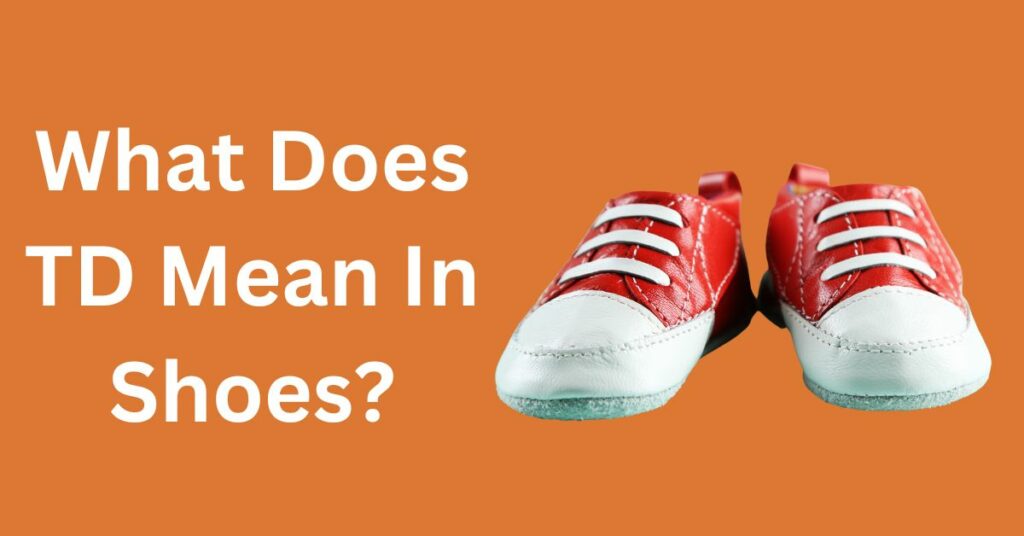
In the intricate world of footwear, where every design detail, material choice, and marketing strategy is meticulously crafted, even seemingly small abbreviations carry significant weight. For many consumers, encountering acronyms like “TD” on a shoe’s description or box can spark a moment of confusion. Is it a special technology? A design feature? A limited edition? Delving into “TD” unveils a crucial aspect of brand strategy: precise product segmentation and target audience identification. Predominantly, “TD” stands for Toddler, signifying that a shoe is specifically designed and sized for very young children. This seemingly simple abbreviation is a powerful tool for brands, influencing everything from product development and manufacturing to marketing and retail display.
Decoding Brand Terminology: The “TD” Abbreviation in Footwear
The language of footwear is rich with codes and shorthand, often used by brands to streamline their vast product offerings and communicate specific attributes to both retailers and consumers. “TD” is a prime example of such an abbreviation, primarily acting as a clear marker for a particular age group.
The Ubiquitous “TD”: Primarily for Toddlers
For global sportswear giants and specialized children’s footwear brands alike, “TD” overwhelmingly designates shoes intended for toddlers. This isn’t just a matter of smaller sizing; it implies a fundamental re-engineering of the shoe to meet the unique developmental needs of children learning to walk and explore. Toddler shoes, marked with “TD,” typically cover a size range from approximately US 2C (crib shoe sizes) up to US 10C. This segmentation is critical because toddlers require shoes that prioritize stability, flexibility, ease of wear, and durability above all else. Brands use “TD” to signal to parents that these products have been thoughtfully designed with these specific requirements in mind, offering peace of mind and guiding purchasing decisions. Without such clear indicators, the sheer volume of different shoe models across various age groups would become an insurmountable challenge for both retailers and consumers to navigate.
Beyond Toddler: Other Niche Interpretations
While “Toddler” remains the prevailing interpretation for “TD” in the footwear industry, it’s worth acknowledging that, in rare and specific contexts, other meanings could exist. Some lesser-known brands or internal company codes might use “TD” for different purposes, such as “Team Division” for a specific athletic line, or “Training Day” for performance-oriented footwear. However, these instances are exceptions rather than the rule, especially when compared to the widespread adoption of “TD” for toddler sizing by major players like Nike, Adidas, and others. The dominance of “Toddler” as the meaning for “TD” underscores the importance of context within a brand’s overall nomenclature. For consumers, the best practice is always to cross-reference with the specific brand’s official size charts or product descriptions if there’s any ambiguity, ensuring they select the correct product for their needs.
The Strategic Rationale Behind Brand Product Segmentation
The use of abbreviations like “TD” is far from arbitrary; it’s a calculated move within a brand’s broader strategic framework. Product segmentation by age group, performance category, or specific features allows brands to optimize design, manufacturing, marketing, and retail operations.
Tailoring Design for Age-Specific Needs
Designing a shoe for a toddler is a fundamentally different process than designing one for an adult athlete or a fashion-conscious teenager. Toddler feet are rapidly developing, characterized by soft bones, ample fat padding, and a need for unrestrained movement. “TD” shoes reflect this understanding, incorporating features such as:
- Flexibility: Soles are often thinner and more pliable to allow for natural foot movement and development.
- Support: While flexible, they also offer gentle support for stability, without being overly rigid.
- Traction: Outsoles are designed with non-slip patterns to prevent falls as toddlers explore various surfaces.
- Ease of Wear: Wide openings, Velcro straps, and simplified lacing systems make it easy for parents (and eventually the children themselves) to put on and take off the shoes.
- Materials: Breathable, lightweight, and durable materials that can withstand the rigors of toddler play are prioritized.
- Safety: Non-toxic materials and secure fastenings are paramount.
This focused design approach ensures that “TD” labeled shoes are not merely scaled-down versions of adult shoes but purpose-built solutions for a unique developmental stage.
Marketing to Distinct Consumer Segments
The “TD” designation also plays a vital role in a brand’s marketing strategy. Parents, as the primary purchasers of toddler shoes, have a distinct set of priorities compared to adult consumers. Marketing campaigns for “TD” products often emphasize:
- Durability and Value: Highlighting the shoe’s ability to withstand active play and support healthy foot development.
- Comfort and Safety: Assuring parents that the shoes are gentle on delicate feet and minimize risks.
- Ease of Use: Promoting features like easy-on/off closures.
- Visual Appeal: While functionality is key, vibrant colors, popular characters, and appealing designs are also incorporated to attract both children and their parents.
Brands use “TD” to segment their audience, allowing them to craft targeted messaging that resonates with the specific concerns and desires of parents. This ensures marketing budgets are spent efficiently and messages are delivered to the most relevant demographic.
Streamlining Inventory and Retail Display
From a logistical standpoint, consistent abbreviations like “TD” are invaluable for inventory management and retail merchandising. Imagine a shoe store without clear labels; finding the right size and type of shoe would be a nightmare. “TD” helps retailers:
- Organize Stock: Easily categorize and store shoes by age group.
- Optimize Display: Create dedicated sections for toddler footwear, making it simple for customers to browse.
- Simplify Training: Equip sales associates with clear terminology to assist customers effectively.
- Manage Supply Chain: Facilitate ordering and distribution by clearly distinguishing product lines.
For brands, this translates to more efficient operations, reduced errors, and a better shopping experience for the end consumer, all contributing to brand loyalty and sales.
Brand Identity and Product Naming Conventions
The precise use of abbreviations like “TD” is fundamental to building and maintaining a strong brand identity. It reflects a brand’s commitment to clarity, consistency, and a global understanding of its product lines.
Building Brand Trust Through Clarity

In a competitive market, trust is a brand’s most valuable asset. When a consumer sees “TD” on a pair of shoes, and consistently understands it to mean “Toddler,” it builds confidence in the brand’s ability to provide clear, reliable information. This clarity reduces friction in the purchasing process, minimizes returns due to incorrect sizing, and fosters a sense of transparency. Brands that use inconsistent or ambiguous terminology risk frustrating their customers, leading to negative perceptions and eroding trust. The consistent application of terms like “TD” demonstrates a brand’s attention to detail and its dedication to providing a seamless customer experience.
The Global Language of Footwear Brands
Footwear is a global industry, with brands selling their products across continents and cultures. While spoken languages vary widely, consistent abbreviations and codes create a universal language for product identification. “TD” for “Toddler” transcends linguistic barriers, allowing the same product to be accurately identified and marketed from Tokyo to Toronto. This standardization is crucial for international supply chains, global e-commerce platforms, and consistent brand messaging worldwide. It simplifies operations and ensures that the core message about the product’s intended user remains consistent, regardless of geographical location.
Evolution of Brand Codes and Nomenclature
The naming conventions and abbreviations used by brands are not static; they evolve over time, reflecting changes in market trends, technological advancements, and consumer behavior. Brands constantly balance the need for traditional, recognizable codes with the introduction of new terminologies to highlight innovative features or target emerging demographics. While “TD” has remained a stable identifier for toddlers due to the consistent needs of that age group, other abbreviations might shift or be introduced. This evolution is a strategic process, ensuring that the brand’s nomenclature remains relevant, informative, and effective in a dynamic marketplace. The challenge lies in maintaining clarity and avoiding jargon that might alienate consumers, always ensuring that any new code contributes to a more informed purchase decision rather than creating confusion.
The Consumer’s Guide to Understanding Shoe Abbreviations
For the savvy shopper, understanding common shoe abbreviations is an empowering skill. It enables more informed purchasing decisions, reduces the likelihood of buying the wrong product, and enhances the overall shopping experience.
When In Doubt: Consult Brand Resources
The most reliable source for deciphering any shoe abbreviation is always the brand itself. Official websites typically feature comprehensive size charts that often include explanations for their specific codes (e.g., “TD,” “PS,” “GS,” “Y”). Product descriptions on e-commerce sites or physical product tags also provide crucial context. If uncertainty persists, a quick query to the brand’s customer service can provide definitive answers. Relying on unofficial sources can sometimes lead to misinterpretations, especially for less common abbreviations. Developing the habit of checking official brand resources ensures accuracy and confidence in your purchase.
Recognizing Common Industry Standard Codes
Beyond “TD” for Toddler, several other abbreviations are widely used across the footwear industry, particularly by major sportswear brands. Familiarity with these can significantly streamline your shoe shopping:
- PS (Preschool): Typically for children aged 3-6, falling into larger youth sizes (e.g., US 10.5C to 3Y).
- GS (Grade School): For school-aged children, often encompassing sizes from US 3.5Y to 7Y.
- Y (Youth): A more general term for children’s sizes, often overlapping with PS and GS ranges.
- M/W (Men’s/Women’s): Denoting adult male or female sizing and sometimes specific design interpretations.
- OG (Original): Used for retro models that closely replicate their initial release design and materials.
- SE (Special Edition) / QS (Quickstrike): Indicating limited releases or unique colorways.
Understanding these common codes allows consumers to quickly identify the intended user or specific characteristics of a shoe, making cross-brand comparisons easier and purchasing more efficient.
The Impact on Resale and Collectibility
For sneaker enthusiasts and collectors, understanding these abbreviations is not just about fit but also about value and authenticity in the secondary market. A “TD” version of a highly sought-after sneaker, while adorable, will have a vastly different value and appeal compared to its adult counterpart. Collectors meticulously check product codes and size identifiers to ensure they are acquiring the correct version of a shoe, especially for rare or limited editions. The distinction between a “GS” and an adult “M” size, for instance, can drastically alter the resale price and collectible status of a pair. This highlights how brand-driven segmentation, initially designed for retail, extends its influence into the nuanced world of sneaker collecting and secondary markets.
The Future of Brand Product Identification in Footwear
As technology advances and consumer expectations evolve, the methods brands use to identify and segment their products are also likely to become more sophisticated, offering even richer information and personalized experiences.
Digitalization and Enhanced Product Information
The future of product identification will likely involve a deeper integration of digital tools. Imagine scanning a QR code on a shoe box to instantly access augmented reality (AR) visualizations, detailed material breakdowns, ethical sourcing information, and personalized fitting advice. Brands can leverage AI to offer more tailored recommendations based on an individual’s foot shape, gait, and activity level. This digital layer will allow brands to convey complex information concisely, moving beyond simple abbreviations to a dynamic, interactive product identity that enhances the consumer journey from discovery to purchase and beyond.
Sustainability and Transparent Labeling
With increasing consumer awareness about environmental and social impact, future product identification will likely incorporate more explicit information about sustainability. Abbreviations or digital markers could indicate whether a shoe is made from recycled materials, is vegan, uses responsible manufacturing processes, or has a specific carbon footprint. This transparent labeling will empower consumers to make choices that align with their values, forcing brands to be more accountable and provide verifiable claims. The concise nature of abbreviations will continue to be useful for conveying such complex information at a glance, further expanding their role beyond just size and age.
In conclusion, “TD” in shoes, almost universally standing for “Toddler,” is much more than a simple acronym. It’s a cornerstone of effective brand strategy, demonstrating how seemingly minor details contribute to a complex ecosystem of product development, marketing, and consumer trust. By segmenting their offerings and using clear, consistent terminology, brands like Nike, Adidas, and others ensure that every pair of shoes, from the smallest “TD” size to the largest adult model, is precisely engineered, accurately marketed, and easily understood by the diverse global consumer base they serve. Understanding these brand codes empowers consumers, making them more informed and confident participants in the vibrant world of footwear.
aViewFromTheCave is a participant in the Amazon Services LLC Associates Program, an affiliate advertising program designed to provide a means for sites to earn advertising fees by advertising and linking to Amazon.com. Amazon, the Amazon logo, AmazonSupply, and the AmazonSupply logo are trademarks of Amazon.com, Inc. or its affiliates. As an Amazon Associate we earn affiliate commissions from qualifying purchases.