
The acronym “TCG” is frequently encountered in various online communities and discussions, often sparking curiosity about its precise meaning and implications. While it can broadly refer to “Trading Card Game,” its significance extends far beyond a simple definition, particularly within the realms of technology, brand development, and financial ecosystems. This article delves into the multifaceted nature of TCGs, exploring how they intersect with and influence these three critical domains.
The Technological Backbone of Modern TCGs
The evolution of Trading Card Games from their physical origins to their current digital manifestations is a testament to technological advancement. This shift has not only democratized access but also introduced new layers of complexity and engagement, fundamentally reshaping how these games are played, experienced, and monetized.
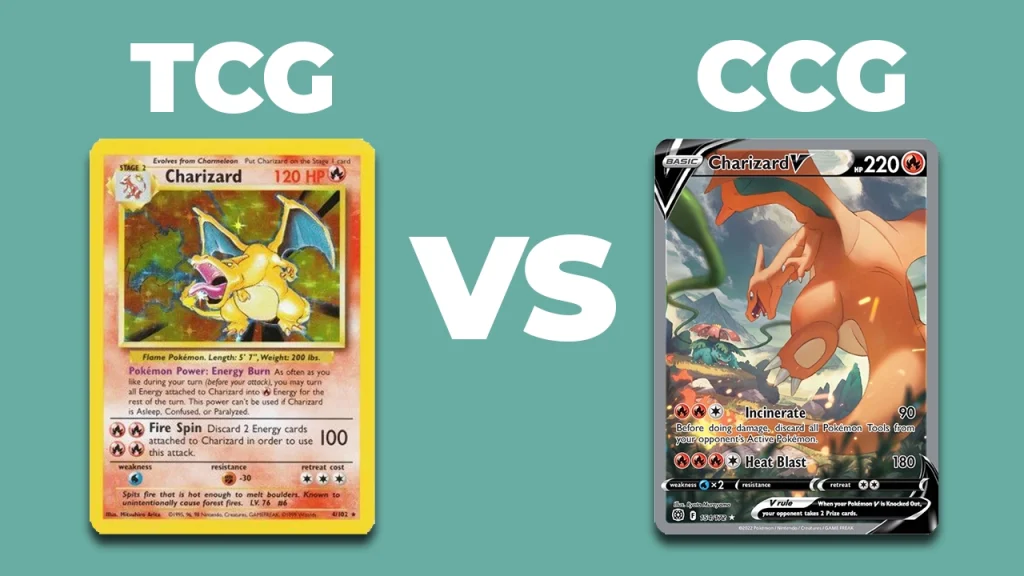
From Cardboard to Code: The Rise of Digital TCGs
The transition from physical trading card games, like Magic: The Gathering or Pokémon TCG, to their digital counterparts, such as Hearthstone, Legends of Runeterra, or Magic: The Gathering Arena, represents a significant technological leap. This transformation is driven by several key technological innovations:
- Game Engines and Development Platforms: Sophisticated game engines like Unity and Unreal Engine, alongside specialized development tools, allow for the creation of visually stunning and functionally rich digital TCG experiences. These platforms enable developers to implement complex game logic, intricate card interactions, and dynamic visual effects that would be impossible or prohibitively expensive to replicate physically.
- Online Multiplayer Infrastructure: Robust server infrastructure and networking technologies are crucial for enabling seamless online multiplayer gameplay. This includes matchmaking algorithms, real-time data synchronization, and secure communication protocols to ensure fair play and a stable gaming environment. The ability to connect players globally is a cornerstone of the digital TCG phenomenon.
- User Interface (UI) and User Experience (UX) Design: The design of intuitive and engaging interfaces is paramount for digital TCGs. Advanced UI/UX principles, coupled with modern front-end development technologies, are used to create interfaces that are easy to navigate, visually appealing, and effectively communicate complex game information. This includes designing for various platforms, from PC to mobile devices, each with its own set of constraints and best practices.
- Artificial Intelligence (AI) in Gameplay: AI plays a dual role in digital TCGs. Firstly, it powers sophisticated computer opponents, offering players practice opportunities and a single-player experience. Secondly, AI is increasingly being used in the design and balancing of new cards and mechanics, analyzing vast datasets of player behavior and game outcomes to predict balance issues and identify popular strategies. Machine learning algorithms can even generate novel card ideas or predict potential meta shifts.
- Cross-Platform Compatibility: A significant technological goal for many digital TCGs is cross-platform compatibility. This allows players to enjoy their games and progress across different devices, such as PCs, consoles, and mobile phones. Achieving this requires meticulous engineering to ensure consistent game logic and data synchronization across diverse hardware and operating systems.
Data Analytics and Player Engagement
The digital nature of TCGs provides a wealth of data that developers can leverage to enhance player experience and refine game design.
- Player Behavior Analysis: By tracking player actions, deck choices, win rates, and engagement patterns, developers gain invaluable insights into player preferences and game balance. This data informs decisions about future card releases, game mode development, and the overall direction of the game. For instance, analyzing which cards are consistently underperforming or overperforming can lead to targeted buffs or nerfs.
- Personalized Experiences: Data analytics also enable personalized player experiences. This can range from tailored matchmaking to personalized offers and content recommendations. By understanding a player’s skill level, playstyle, and spending habits, developers can optimize engagement and retention.
- Predictive Modeling for Meta Shifts: Advanced data analysis and machine learning can be used to predict upcoming meta shifts – the dominant strategies and deck archetypes within the game. This allows developers to proactively address potential imbalances or to even strategically introduce new cards that will shake up the meta in a desired way.
- Community Management and Feedback Loops: Digital platforms facilitate direct communication channels with players. Forums, social media, and in-game feedback mechanisms allow developers to gather player sentiment, identify bugs, and understand community desires. This continuous feedback loop is essential for iterative game improvement.
Blockchain Technology and the Future of Digital Assets
While not yet universally adopted, blockchain technology is emerging as a significant disruptor in the digital TCG space, particularly in relation to ownership and asset management.
- True Digital Ownership: Blockchain technology enables the concept of true digital ownership of in-game assets, including cards. Unlike traditional digital games where players are essentially licensing content, blockchain allows for verifiable ownership of unique digital items on a decentralized ledger. This opens up possibilities for trading, selling, and even “burning” or destroying cards for in-game benefits.
- Non-Fungible Tokens (NFTs) for Collectibility: Non-Fungible Tokens (NFTs) are uniquely suited to represent individual, rare, or special edition digital trading cards. This allows for a level of verifiable scarcity and collectibility that mirrors the physical TCG market, potentially creating new avenues for asset appreciation and secondary markets.
- Decentralized Marketplaces: Blockchain facilitates the creation of decentralized marketplaces where players can securely trade their digital TCG assets without relying on a central authority. This can lead to more transparent and potentially more lucrative trading environments.
- Interoperability and Future Potential: In the long term, blockchain could pave the way for greater interoperability between different TCGs, allowing digital assets to be used or recognized across multiple games. This is a complex challenge, but the underlying technology offers a potential framework for such interconnected ecosystems.
The Art and Science of TCG Branding and Identity
Beyond their technological underpinnings, TCGs are powerful brands that rely on sophisticated branding strategies to capture and retain player loyalty. The success of a TCG is not solely about its gameplay mechanics; it’s about the entire universe it creates and the emotional connection it fosters with its audience.
Crafting Compelling Lore and Universes
At the heart of many successful TCGs lies a rich and engaging narrative. This lore serves as the foundation for the game’s identity and provides players with a reason to invest emotionally.
- World-Building and Narrative Development: Developers invest heavily in creating unique and captivating worlds, complete with distinct factions, characters, histories, and mythologies. This detailed world-building provides context for the cards and their abilities, making the game more than just a collection of pieces on a board. For example, the intricate lore of Magic: The Gathering spans countless planes of existence, each with its own unique inhabitants and conflicts.
- Character Design and Archetypes: Memorable characters are crucial for building brand recognition and emotional resonance. These characters often embody specific archetypes that players can relate to or aspire to. The visual design of these characters, along with their backstories and in-game roles, contributes significantly to the overall brand appeal.
- Thematic Cohesion: Consistency in theme is vital. From the art style of the cards to the flavor text and the overall aesthetic of the game interface, every element should reinforce the TCG’s core identity. This thematic cohesion creates a cohesive and immersive experience for the player.
- Expansion and Evolution of Lore: Successful TCGs continuously expand and evolve their lore through new card sets, expansions, and supplementary media like novels, comics, or animated series. This ongoing narrative development keeps players engaged and invested in the unfolding story of the game’s universe.

Visual Identity and Art Direction
The visual presentation of a TCG is paramount in establishing its brand and attracting players. The artwork on the cards, the overall aesthetic, and the accompanying marketing materials all contribute to this visual identity.
- Card Art and Illustration: The quality and style of card art are often the primary draw for many players. Talented illustrators are hired to create visually stunning and evocative imagery that brings the game’s characters, creatures, and spells to life. The art style can range from realistic and gritty to stylized and fantastical, each appealing to different player demographics.
- Logo Design and Brand Mark: A strong and memorable logo is essential for brand recognition. The TCG’s logo should be easily identifiable and representative of its core themes and identity. This logo will appear on everything from card backs to marketing materials and merchandise.
- User Interface (UI) and In-Game Aesthetics: The visual design of the game’s interface, including menus, card layouts, and animation styles, plays a critical role in the overall player experience. A well-designed UI is intuitive and aesthetically pleasing, reinforcing the game’s brand identity.
- Marketing and Promotional Materials: The visual language established in the game itself is extended to all marketing and promotional efforts. This includes trailers, advertisements, website design, and social media content, all designed to create a consistent and compelling brand image.
Building and Sustaining a Community
The community surrounding a TCG is an integral part of its brand. A vibrant and engaged community can drive long-term success and act as powerful brand advocates.
- Community Engagement Strategies: Developers actively foster community engagement through various channels. This includes hosting tournaments, creating official forums and Discord servers, running social media campaigns, and actively participating in discussions with players.
- Fan Culture and Sub-communities: Over time, fan cultures emerge, with players developing their own slang, memes, and meta-analysis. These sub-communities are organic and can be incredibly powerful in maintaining player interest and generating organic marketing.
- Esports and Competitive Play: The rise of esports has significantly boosted the visibility and brand appeal of many TCGs. Professional tournaments, streaming platforms, and competitive leagues create a compelling spectacle that attracts new players and reinforces the dedication of existing ones.
- Brand Ambassadors and Influencers: Partnering with popular streamers, content creators, and community leaders can significantly amplify a TCG’s reach. These brand ambassadors can introduce the game to new audiences and provide authentic endorsements.
The Economic Engine: Monetization and Value in TCGs
Trading Card Games, whether physical or digital, are fundamentally economic entities. Their success hinges on robust monetization strategies that provide value to players while generating revenue for developers and publishers.
Diverse Monetization Models
The way TCGs generate revenue has evolved significantly, adapting to both physical and digital landscapes.
- Direct Sales of Physical Products: The most traditional model involves the direct sale of booster packs, starter decks, and themed product lines. This relies on the inherent collectibility and rarity of physical cards to drive repeat purchases.
- In-App Purchases (IAPs) in Digital TCGs: Digital TCGs typically employ a free-to-play model augmented by in-app purchases. This can include:
- Booster Packs/Card Packs: Similar to their physical counterparts, digital packs offer randomized card drops, driving engagement and encouraging players to spend to acquire desired cards.
- Cosmetic Items: Skins for cards, alternate art, emotes, playmats, and other cosmetic enhancements allow players to personalize their experience without impacting gameplay balance. These are highly profitable as they don’t affect game integrity.
- Direct Card Purchases: Some digital TCGs allow players to purchase specific cards directly, often at a premium price, to complete collections or build specific decks more efficiently.
- Battle Passes/Season Passes: These offer tiered rewards for progressing through the game during a specific season, incentivizing consistent play and offering a structured monetization path.
- Expansions and Content Packs: For a fixed price, players can purchase significant new content additions, such as new card sets, game modes, or story campaigns.
- Subscription Models: While less common for the core game, some TCG platforms might offer premium subscriptions that provide benefits like ad removal, bonus in-game currency, or exclusive content.
- Merchandise and Ancillary Products: The TCG brand often extends to a wide range of merchandise, including apparel, accessories, board games, and even animated series or movies. These products act as additional revenue streams and further solidify brand presence.
The Economics of Scarcity and Collectibility
A core economic principle that underpins the success of TCGs is the creation and management of scarcity and collectibility.
- Rarity Tiers and Distribution: Cards are assigned different rarity tiers (common, uncommon, rare, mythic rare, etc.). The limited distribution of rarer cards creates demand and encourages players to seek them out, often through repeated purchases of booster packs.
- Limited Edition and Promotional Cards: Special edition cards, promotional cards obtained through specific events or partnerships, and unique art variants add to the collectibility factor. These items often command higher prices in secondary markets.
- The Secondary Market: For both physical and increasingly for digital TCGs, the secondary market plays a crucial role in price discovery and asset liquidity. Platforms for buying, selling, and trading individual cards allow players to recoup some of their investment or acquire specific desired cards outside of randomized packs.
- Set Rotations and Format Relevance: In digital TCGs, the concept of set rotations, where older card sets are removed from standard play, helps to maintain game balance and create new meta-dynamics. This also drives demand for newly released sets and ensures that cards remain relevant and desirable for a period.

Balancing Free-to-Play and Pay-to-Win Dynamics
A constant challenge in digital TCG monetization is striking the right balance between providing value to free-to-play users and generating revenue through paid options, without alienating the player base.
- Fairness and Accessibility: A game that is perceived as “pay-to-win” – where players with more money have a significant and insurmountable advantage – will likely struggle with player retention. Successful TCGs aim to ensure that skilled free-to-play players can compete effectively and enjoy the game.
- Value Proposition of Purchases: Paid purchases should offer a clear value proposition. Whether it’s convenience, cosmetic customization, or a more accelerated progression, players need to feel that their money is well-spent.
- Player Retention and Long-Term Engagement: Monetization strategies should be designed to encourage long-term engagement rather than quick, unsustainable spending. This often involves reward systems, progression arcs, and regular content updates that keep players invested.
- Ethical Monetization Practices: Transparency and ethical considerations are increasingly important. Avoiding predatory monetization tactics and ensuring players understand what they are purchasing are crucial for building trust and a sustainable economic model.
In conclusion, the acronym “TCG” represents a dynamic intersection of technological innovation, robust brand building, and sophisticated economic models. Whether experienced on a physical tabletop or through a digital interface, trading card games continue to evolve, offering players engaging gameplay, rich universes, and diverse opportunities for interaction and investment. Understanding the underlying technology, the art of brand creation, and the economic principles at play provides a comprehensive appreciation for what makes TCGs such enduringly popular and influential phenomena.
aViewFromTheCave is a participant in the Amazon Services LLC Associates Program, an affiliate advertising program designed to provide a means for sites to earn advertising fees by advertising and linking to Amazon.com. Amazon, the Amazon logo, AmazonSupply, and the AmazonSupply logo are trademarks of Amazon.com, Inc. or its affiliates. As an Amazon Associate we earn affiliate commissions from qualifying purchases.