
For centuries, silver has held a revered place in human culture, admired for its luminous beauty and intrinsic value. From exquisite jewelry to ornate tableware, the gleam of silver has symbolized luxury, status, and enduring quality. However, not all that glitters is solid silver. The term “silver plated” is frequently encountered, often sparking curiosity and sometimes confusion, particularly concerning an item’s true worth and financial standing. Understanding what silver plated truly means is not just about appreciating its aesthetic; it’s a crucial lesson in personal finance, investment savvy, and the astute evaluation of assets. This article delves deep into the financial implications of silver plating, guiding you through its definition, economic value, market dynamics, and strategic considerations for both buyers and sellers in the realm of precious metals and decorative arts.
Defining Silver Plating: Beyond the Surface Shine
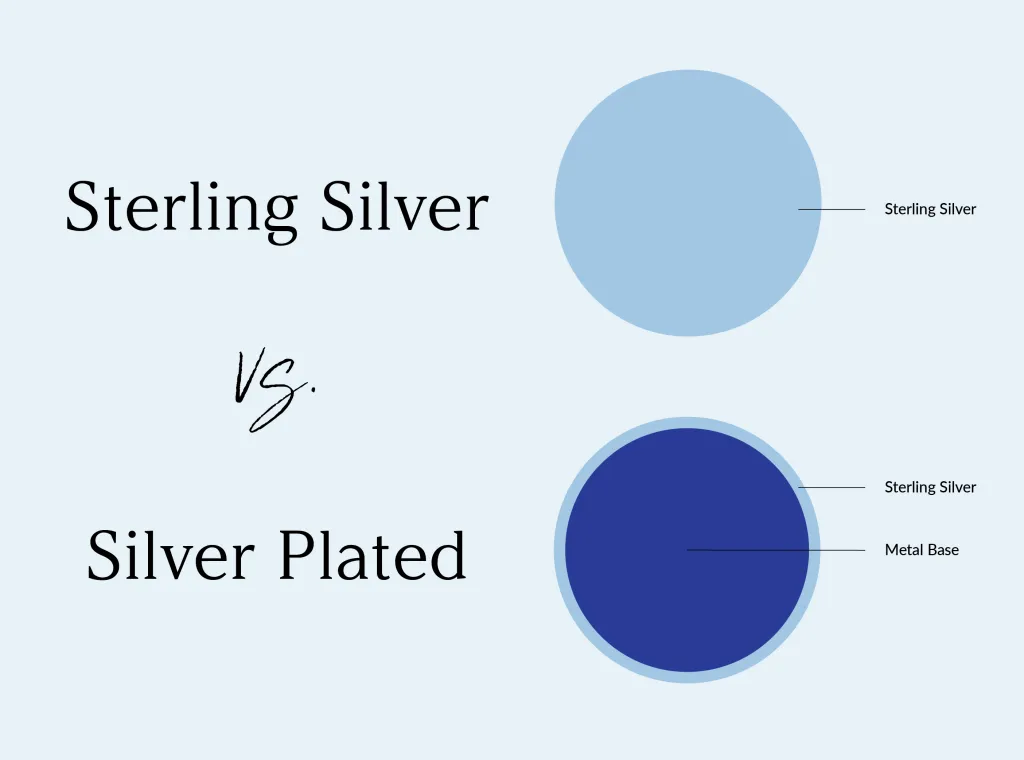
To grasp the financial nuances of silver plating, one must first understand its fundamental composition and purpose. Silver plating is a manufacturing process where a thin layer of pure silver is bonded to a base metal. This technique allows for the creation of items that possess the coveted appearance of solid silver without the prohibitive cost associated with using large quantities of the precious metal.
The Layered Composition
At its core, a silver-plated item consists of two primary components:
- The Base Metal: This forms the structural integrity of the item. Common base metals include copper, brass, nickel, or Britannia metal (a pewter-like alloy). These metals are chosen for their durability, malleability, and ability to hold a plating well. The selection of the base metal significantly impacts the overall weight and strength of the final product, though not its silver content.
- The Silver Layer: This is an extremely thin coating of pure silver (typically 99.9% pure) deposited onto the base metal, usually through an electrochemical process known as electroplating. The thickness of this layer varies, often measured in microns (one-thousandth of a millimeter). Thicker plating generally indicates higher quality and greater durability, which, in turn, influences its long-term financial viability.
The financial implication here is immediate: the vast majority of the item’s mass is inexpensive base metal, not precious silver. This fundamental difference is the bedrock of its distinct financial profile compared to solid silver.
Historical Context and Practical Applications
The technique of silver plating has roots dating back to the 18th century, significantly popularized by innovations like Sheffield plate. However, modern electroplating, developed in the mid-19th century, revolutionized the industry, making silver-like items accessible to a broader demographic. This historical shift had profound economic impacts, democratizing access to elegant tableware, decorative objects, and jewelry that previously only the wealthiest could afford.
Today, silver-plated items remain ubiquitous, finding applications in:
- Tableware: Cutlery, serving dishes, tea sets.
- Decorative Arts: Picture frames, candle holders, figurines.
- Jewelry: Rings, necklaces, earrings (often for fashion pieces rather than high-value heirlooms).
- Musical Instruments: Flutes, trumpets (for aesthetic appeal and corrosion resistance).
From a financial perspective, this widespread application means a vast and diverse market. Understanding the context of an item – whether it’s a mass-produced modern piece or an antique from a reputable plater – is essential for accurate valuation.
The Economic Equation: Cost vs. Value
When considering silver-plated items, the interplay between their initial cost and their perceived or actual long-term value is a critical financial consideration. Unlike solid silver, where intrinsic metal value is a dominant factor, silver plate’s value is a more complex equation.
Initial Purchase Price: A Budget-Friendly Alternative
One of the most compelling financial advantages of silver plating is its affordability. Items with a silver-plated finish are significantly less expensive than their solid sterling silver counterparts, often by orders of magnitude. This makes them an attractive option for consumers seeking the aesthetic appeal of silver without a substantial financial outlay.
- Accessibility: Silver-plated goods allow individuals to furnish their homes with elegant items or wear stylish jewelry at a fraction of the cost, making luxury aesthetics more attainable.
- Cost-Benefit for Businesses: For manufacturers, using silver plating drastically reduces production costs, allowing for competitive pricing and broader market reach. Retailers can offer a wider range of price points, catering to diverse customer budgets.
This lower entry point is a key aspect of its market appeal but also the primary reason why its “investment” potential differs so sharply from solid silver.
Understanding True Intrinsic Value
The intrinsic value of a silver-plated item, derived from its silver content, is negligible. The silver layer is so thin that its melt-down value is typically very low, often less than the cost of processing it.
- Focus on Collectibility and Craftsmanship: For financial appraisal, the value of silver-plated items primarily rests on factors other than metal content:
- Brand/Maker: Renowned manufacturers (e.g., Christofle, Sheffield Plate from specific periods) can command higher prices due to their historical significance, quality reputation, and desirability among collectors.
- Age and Rarity: Antique silver-plated items, especially those from the early days of electroplating or unique designs, can have significant collector value.
- Design and Aesthetic Appeal: Exceptional craftsmanship, intricate detailing, and unique artistic designs contribute to perceived value.
- Condition: Excellent condition without significant wear to the plating, dents, or repairs is crucial for maintaining value.
A smart financial decision requires recognizing that you are primarily investing in the artistry, history, or functional utility of the piece, not its silver commodity value.
Durability and Lifespan: An Investment Perspective
The longevity of silver plating is a significant factor in its long-term financial viability. While the base metal provides structural strength, the thin silver layer is susceptible to wear and tear.
- Wear and Exposure: Over time, particularly with frequent use and abrasive cleaning, the silver layer can wear through, exposing the base metal beneath. This “bleed through” is often unsightly and significantly diminishes an item’s aesthetic and market value.
- Maintenance: Proper care and gentle cleaning are paramount to extending the life of the plating. Investing in appropriate cleaning products and practices protects the plating, thereby preserving its visual appeal and, by extension, its market desirability.
- Re-plating Costs: When plating wears off, an item can be re-plated. However, the cost of professional re-plating can sometimes exceed the market value of the item itself, making it a questionable financial decision unless the item holds significant sentimental or collector value. This makes re-plating a discretionary expense, not a value-add in many cases.
From a financial standpoint, a silver-plated item’s effective lifespan, before significant re-investment in re-plating is needed, directly impacts its “return on aesthetic investment.”
Navigating the Market: Buying and Selling Silver-Plated Items
Engaging in the market for silver-plated goods requires a discerning eye and a solid understanding of appraisal principles. Whether you’re a buyer seeking value or a seller hoping to realize a fair price, financial literacy in this niche is key.
Identifying Quality and Authenticity
Due to the lack of significant precious metal content, silver-plated items do not carry official hallmarks for silver purity in the same way solid silver does. Instead, manufacturers use various marks to identify their products:
- Maker’s Marks: Logos, names, or initials of the manufacturing company (e.g., “EPNS” for Electro-Plated Nickel Silver, “A1” or “AA” for quality grades, specific company symbols). Researching these marks is crucial for identifying reputable makers and understanding potential quality.
- Condition Assessment: Carefully inspect for signs of wear, particularly at high-contact points like edges, handles, and bases. Any areas where the base metal is showing will significantly impact perceived value. Check for dents, scratches, and repairs.
- Weight and Feel: While not definitive, quality silver-plated items often feel substantial and well-made. A very lightweight item might indicate a less durable base metal or poorer construction.
For buyers, diligent research on maker’s marks and a thorough physical inspection are the best defenses against overpaying. For sellers, transparently disclosing an item’s condition and provenance builds trust and can help achieve a fair price.
Resale Value: A Realistic Outlook
The resale value of most contemporary silver-plated items is generally modest. Unless an item is particularly rare, from a highly sought-after maker, or exceptionally beautiful and in pristine condition, it will likely not appreciate significantly and may even depreciate over time, especially if the plating wears.
- Niche Market: The market for collectible silver plate exists but is often distinct from the market for solid silver, focusing on specific eras, designers, or functional pieces (e.g., antique tea caddies, specific Art Deco designs).
- Auction vs. Direct Sale: Selling through specialized antique dealers or auction houses might yield better results for high-quality or antique pieces, as they reach informed buyers. For more common items, online marketplaces or consignment shops are more appropriate, but prices will reflect their broader availability.
- Scrap Value is Minimal: Unlike solid silver, which can always be sold for its scrap metal value, silver-plated items have negligible scrap value due to the prohibitive cost of separating the minute amount of silver from the base metal. This means financial recovery from worn-out plated items is often non-existent.
Sellers should manage their expectations, focusing on finding a buyer who appreciates the item’s aesthetic or historical value rather than its material worth.
Maintenance Costs and Preservation of Value
Maintaining silver-plated items to preserve their appearance and, consequently, their marketability, involves ongoing effort and occasional costs.
- Cleaning Supplies: Investing in non-abrasive silver polish and soft cloths is essential to prevent tarnishing and avoid scratching the delicate silver layer.
- Storage: Proper storage, away from humidity and direct sunlight, can slow tarnishing and protect against physical damage. Anti-tarnish cloths or bags are a small investment that can extend the life and luster.
- Professional Cleaning/Repair: While not always financially justified, professional cleaning or minor repairs for significant pieces can prevent further damage and maintain appearance.
These maintenance considerations represent an ongoing, albeit small, financial commitment to preserve the item’s aesthetic value, which directly correlates with its potential market value.
Silver Plating vs. Sterling Silver: A Financial Showdown
Understanding the direct financial contrasts between silver plating and sterling silver is paramount for making informed purchasing and investment decisions. The differences go far beyond mere appearance.
Material Cost and Precious Metal Content
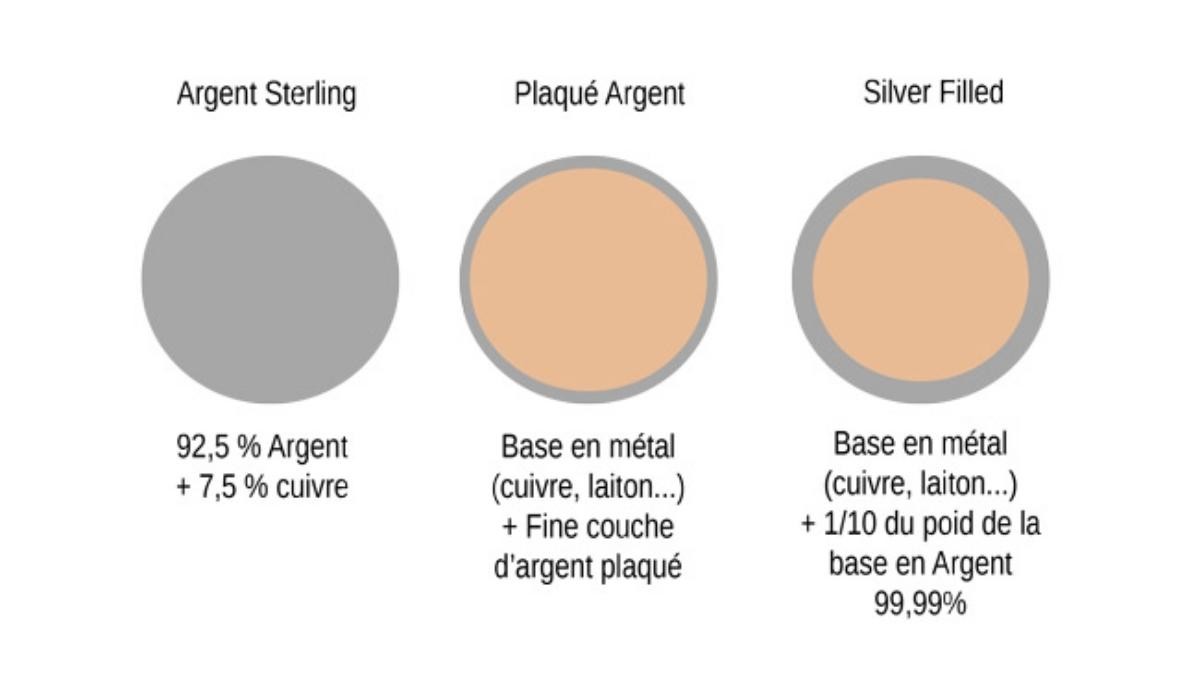
- Sterling Silver (92.5% Pure Silver): An item of sterling silver is primarily composed of genuine precious metal. Its cost is directly tied to the fluctuating global price of silver per troy ounce. A significant portion of its purchase price is attributable to the intrinsic value of its silver content.
- Silver Plated: The cost is overwhelmingly dominated by the manufacturing process, the design, the quality of the base metal, and the brand reputation, with the actual silver content contributing negligibly to its price.
From a financial perspective, buying sterling silver is, in part, buying a commodity. Buying silver plate is buying a manufactured good that mimics a commodity’s appearance.
Investment Potential and Market Fluctuations
- Sterling Silver: Investment Asset: Sterling silver items, especially bullion, coins, or high-quality antiques, can serve as a hedge against inflation or currency devaluation. Their value tends to track the spot price of silver, offering potential for appreciation, though subject to market volatility. While not always a primary investment vehicle, it holds inherent commodity value.
- Silver Plated: Aesthetic Purchase: Silver-plated items are generally considered decorative or functional purchases, not investments in precious metals. Their value is largely driven by aesthetic trends, collector demand, and condition, rather than the raw material market. Significant appreciation is rare unless the item becomes a highly sought-after antique or design piece.
For someone looking to invest in tangible assets, sterling silver holds clear advantages. For someone prioritizing aesthetics and functionality at a lower cost, silver plate is the practical choice.
Insurance and Valuation Considerations
- Sterling Silver: High-value sterling silver items, particularly antique pieces or elaborate sets, often warrant appraisal and specific inclusion in insurance policies due to their intrinsic material value and potential for appreciation. Valuation is typically based on current silver prices and market demand for similar items.
- Silver Plated: Except for very rare or exceptionally valuable antique pieces from renowned makers, most silver-plated items are not typically itemized individually on insurance policies. Their valuation would generally fall under general household contents, reflecting their lower replacement cost.
This distinction highlights how financial institutions and appraisers view the inherent worth and risk associated with each type of item.
Strategic Financial Planning: When to Choose Silver Plate
Given the distinct financial characteristics, understanding when silver plate is the most prudent choice involves aligning the purchase with specific financial goals and practical needs.
Everyday Use and Aesthetic Appeal
For items intended for regular use where the pristine appearance of silver is desired but the robustness to withstand daily wear is paramount, silver plate offers an excellent solution.
- Practicality: Silver-plated cutlery and serving dishes are perfect for entertaining without the worry of damaging expensive solid silver. They offer the desired aesthetic for formal settings at a fraction of the cost, making them a financially sensible choice for many households.
- Cost-Effective Decor: For decorative items like picture frames, trays, or candle holders, silver plate provides the elegant shine of silver for home decor without tying up significant capital in precious metals.
This choice aligns with the financial principle of optimizing expenditure for utility and appearance, rather than pure asset accumulation.
Gifts and Commemorative Pieces
Silver-plated items make thoughtful and beautiful gifts, particularly for occasions where the sentiment and appearance outweigh the need for intrinsic metal value.
- Affordable Elegance: A silver-plated frame for a wedding photo or a small engraved jewelry box offers a touch of luxury that is financially accessible, allowing for a grander gesture without the hefty price tag of solid silver.
- Personalization Potential: The robust base metal often makes silver-plated items ideal for engraving, adding a personalized touch that enhances sentimental value without increasing the material cost dramatically.
Financially, this means you are investing in the sentiment and presentation, which often holds more value in gift-giving than the underlying material’s commodity price.

Business Considerations: Manufacturing and Retail
For businesses, the decision to produce or stock silver-plated items is a strategic financial one, balancing production costs with market demand.
- Lower Production Costs: Manufacturers can produce a wider range of silver-look items with significantly lower material costs, allowing for greater design flexibility and competitive pricing.
- Broader Market Appeal: Retailers can cater to a wider customer base, from budget-conscious shoppers to those seeking specific antique or decorative styles, by offering both silver-plated and solid silver options.
- Inventory Management: The lower cost of silver-plated inventory can ease financial burdens for businesses, reducing capital tied up in stock compared to carrying solid silver goods.
In essence, silver plating allows businesses to harness the allure of silver in a financially viable manner, expanding their product lines and revenue opportunities.
In conclusion, “what does silver plated mean” is far more than a technical definition; it’s a doorway into understanding a distinct segment of the collectibles and consumer goods market with its own unique financial rules. By discerning the difference between intrinsic material value and aesthetic, historical, or functional value, individuals can make astute financial decisions, whether they are buying a cherished decorative piece, seeking a practical household item, or even contemplating a future heirloom. Silver plating offers an elegant solution for those who appreciate the beauty of silver without the financial commitment of the solid metal, embodying a blend of accessible luxury and practical utility.
aViewFromTheCave is a participant in the Amazon Services LLC Associates Program, an affiliate advertising program designed to provide a means for sites to earn advertising fees by advertising and linking to Amazon.com. Amazon, the Amazon logo, AmazonSupply, and the AmazonSupply logo are trademarks of Amazon.com, Inc. or its affiliates. As an Amazon Associate we earn affiliate commissions from qualifying purchases.