
In the fast-evolving landscape of digital communication, where ephemeral messages and visual storytelling dominate, platforms like Snapchat have carved out a significant niche. One of the most common and often anticipated notifications for its users is “shared a Snap with you.” For the uninitiated, or even for seasoned users who might overlook the subtleties, this seemingly simple phrase carries a specific meaning tied directly to the app’s core functionalities and user interactions. This article delves deep into what this notification signifies, its technical implications, the user experience it facilitates, and the broader context within the realm of digital communication and personal privacy.

The Core Meaning: A Direct Communication Channel
At its heart, “shared a Snap with you” signals a direct, personal communication initiated by another user on the Snapchat platform. Unlike a general broadcast or a public post, this notification indicates that someone has specifically chosen to send content directly to your inbox, often referred to as your “Chats” screen. This distinction is crucial in understanding the hierarchical nature of communication within the app.
Snapchat’s Fundamental Design: Ephemeral Messaging
Snapchat was built on the premise of ephemerality – messages, photos, and videos that disappear after being viewed or within a short timeframe. This design principle shapes every interaction, including direct Snap sharing. When a user “shares a Snap with you,” they are leveraging this core mechanic to send a piece of visual or video content that is typically intended for transient consumption. This contrasts sharply with traditional messaging apps where content often persists indefinitely. The fleeting nature encourages more spontaneous and authentic interactions, reducing the pressure of permanent digital footprints. This mechanism also plays a role in how storage and data are managed on the platform, contributing to its lightweight performance and rapid content delivery.
From One to Many: Different Sharing Mechanisms
Snapchat offers various ways to share content, each with a distinct purpose and notification. Understanding these differences is key to interpreting “shared a Snap with you.”
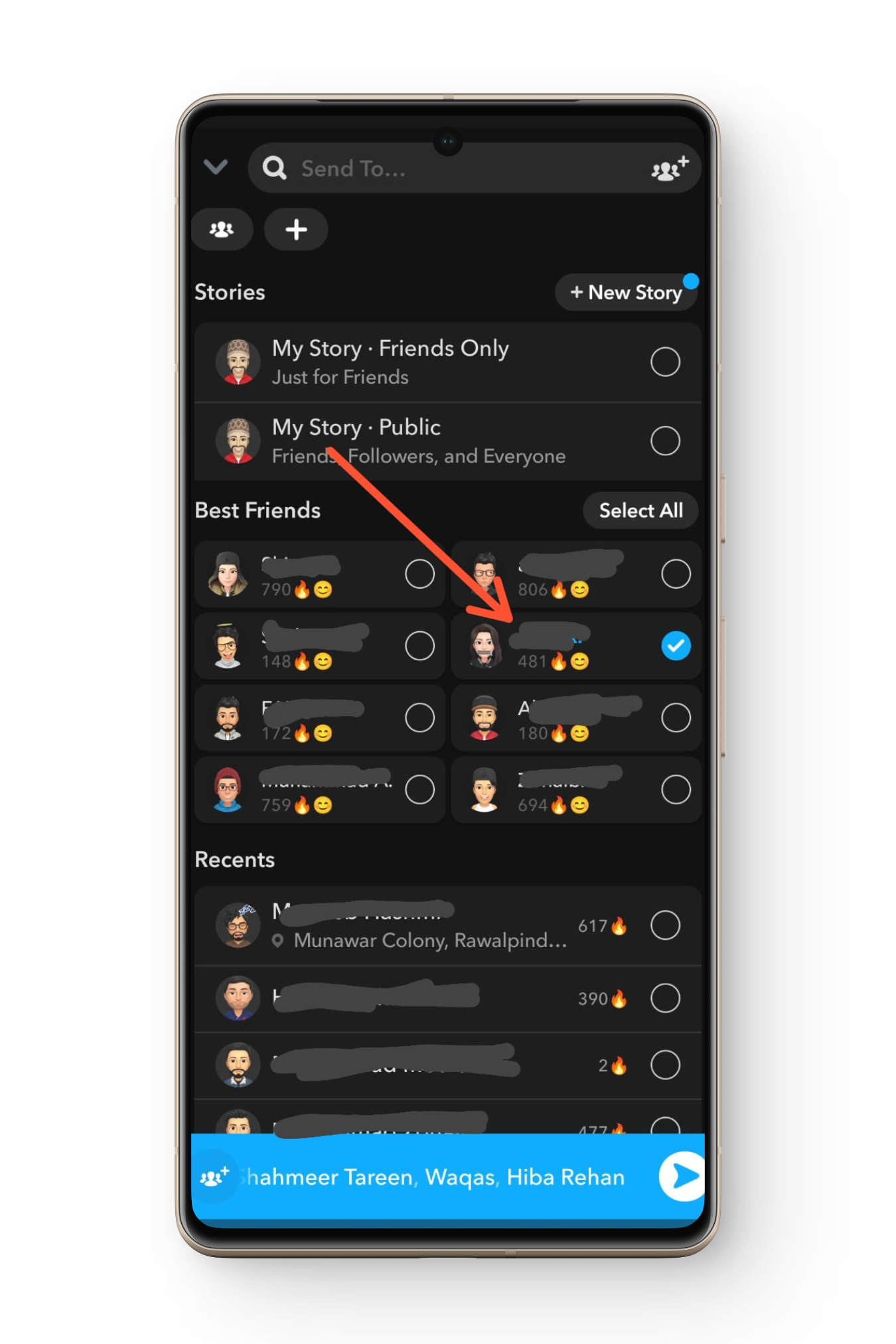
- Direct Snaps (1:1 or Group): This is the primary context for the notification. A user opens the camera, takes a photo or video (a “Snap”), optionally adds filters, text, or drawings, and then selects one or more specific friends from their contact list to send it to. This is a private exchange, visible only to the sender and selected recipients.
- Stories: Users can post Snaps to their “Story,” which is a collection of Snaps visible to all their friends (or a customized audience) for 24 hours. When a friend views your Story, you’ll see their name in your Story viewers list, but they won’t trigger a “shared a Snap with you” notification for each individual view.
- Spotlight/Map: Content can also be submitted to public platforms like Spotlight (a TikTok-like feed) or the Snap Map. These are public broadcasts and don’t result in direct individual notifications.
- Memories: Users can save Snaps to their Memories and later “share” them with friends. This is still a direct Snap, even if it’s content from the past.
The notification “shared a Snap with you” specifically refers to the first mechanism: a direct, targeted communication, ensuring the recipient knows the content is meant for their eyes.
“Shared a Snap With You” vs. Other Notifications: Precision in Communication
Snapchat employs a nuanced notification system to differentiate between various types of interactions.
- “[Friend’s Name] sent you a Chat”: This indicates a text-based message rather than a photo/video Snap.
- “[Friend’s Name] viewed your Story”: This confirms someone has seen your publicly posted Story.
- “[Friend’s Name] started a call”: For voice or video calls.
- “[Friend’s Name] added you back”: When a friend request is accepted.
Each notification serves to precisely inform the user about the nature of the incoming interaction, reflecting Snapchat’s design philosophy of clarity and immediate actionability for specific types of digital content.
Deeper Dive into the Notification’s Nuances
While the fundamental meaning is direct communication, the content and intent behind a “shared a Snap with you” notification can vary significantly. These nuances dictate the user’s experience and subsequent actions.
Context Matters: What Kind of Snap?
The content of the Snap itself can range widely:
- Photo Snaps: The most common form, often spontaneous glimpses of daily life, memes, or reactions.
- Video Snaps: Short video clips, sometimes with audio, adding dynamic context to a message.
- Lens Snaps: Photos or videos augmented with Snapchat’s extensive library of AR lenses, transforming faces or environments for humorous or creative effect.
- Memories Snaps: Content from a user’s saved collection of past Snaps. These can be shared directly as if they were new Snaps, allowing for nostalgic or recurring content sharing.
- AI-Generated Snaps (My AI): With the introduction of My AI, users can interact with an AI chatbot that can also send and receive Snaps, adding another layer to the “shared a Snap with you” context.
The type of Snap often influences the recipient’s expectations and how they choose to respond. A video Snap might require audio, while a Lens Snap is often meant to elicit a laugh.
Sender’s Intent: Why Did They Share It?
Understanding the sender’s motivation helps in interpreting the Snap and crafting an appropriate response.
- Personal Message: Many Snaps are direct, personal messages or reactions, serving as a visual replacement for text.
- Sharing an Experience: A user might share a Snap to show what they’re doing, where they are, or an event they’re attending.
- Humor/Entertainment: Memes, funny observations, or comedic uses of Lenses are common.
- Response to a Previous Snap/Chat: Often, a Snap is sent as a direct reply, continuing a visual conversation thread.
- Attention/Engagement: Sometimes a Snap is sent simply to initiate contact or maintain a streak, encouraging continued interaction on the platform.
The informal and immediate nature of Snapchat encourages a low-stakes environment for sharing, making the intent often more about connection than profound communication.
The Ephemeral Nature: Act Fast or Miss Out
A critical aspect of receiving a Snap is its limited lifespan. Once opened, a Snap typically disappears after a few seconds (configurable by the sender), or after being viewed once. While recipients have the option to replay a Snap once (unless disabled by the sender) or screenshot it, the core design promotes immediate engagement. This ephemeral quality creates a sense of urgency and exclusivity, encouraging users to pay attention to “shared a Snap with you” notifications promptly. Forgetting to open a Snap in time means it will expire, and the content will no longer be accessible, underscoring the “live now, gone soon” philosophy that drives user behavior on the platform. This also has implications for data storage and server load, as old, viewed content is promptly purged.
Navigating Privacy and Digital Etiquette on Snapchat
The “shared a Snap with you” notification, while facilitating connection, also raises important considerations regarding privacy, control, and the unspoken rules of digital interaction.
Privacy Settings and Control: Who Can Share With You?
Snapchat provides robust privacy settings that allow users to control who can send them Snaps.
- “Who Can Send Me Snaps”: Users can choose “Everyone” (which includes friends and non-friends who have added you) or “My Friends” (limiting incoming Snaps only to people you have added back). This is a critical setting for managing digital interactions and preventing unwanted communications from strangers.
- Friend Requests: Before someone can directly share a Snap with you as a “friend,” they must send a friend request, which you can accept or decline.
- Blocking: If a user is sending unwanted Snaps, the blocking feature immediately prevents them from sharing any further content or initiating contact.

These controls empower users to curate their digital environment and ensure that “shared a Snap with you” notifications come from trusted or desired sources. From a technical perspective, these settings are implemented through server-side logic that filters incoming content based on the sender’s relationship to the recipient, ensuring only authorized communications reach the user’s device.
The Unspoken Rules of Snapping: Reciprocity and Respect
Beyond explicit privacy settings, a certain digital etiquette has emerged around Snap sharing.
- Reciprocity: There’s an informal expectation of reciprocal engagement, particularly in direct Snap exchanges. Ignoring Snaps too frequently can lead to decreased interaction or even removal from a friend’s list.
- Streaks: The “Snapstreak” feature, which tracks consecutive days of direct Snap exchanges between two users, heavily influences sending behavior. Maintaining streaks is a significant motivator for many users to share a daily Snap.
- Appropriate Content: While Snapchat is informal, sharing inappropriate or unsolicited content can lead to reporting, blocking, or damage to real-world relationships.
- Consent: Especially when sharing Snaps involving others, gaining consent (explicit or implicit) is crucial, reflecting broader digital ethics concerning image sharing.
These social norms dictate how users interpret and respond to the “shared a Snap with you” notification, influencing their engagement patterns and the overall health of their digital social circles.
Screenshotting and Replays: Understanding the Implications
Snapchat’s design inherently discourages permanent archiving of private communications.
- Screenshot Notifications: If you screenshot a Snap, the sender is immediately notified. This feature acts as a deterrent, reinforcing the ephemeral nature and promoting respect for privacy. Technically, this is achieved by the app detecting the native screenshot command of the operating system and sending an alert to the sender via Snapchat’s server.
- Replays: Senders can allow a single replay of their Snap. Recipients can then view the Snap again, but only once. This option adds a slight flexibility to ephemerality without entirely compromising it.
- Saving to Chat: Users can hold down on a Snap in the chat to save it within the chat thread, making it permanent for both parties. However, this is an intentional action, not the default, and both parties are aware it has been saved.
These features highlight the constant tension between spontaneity and permanence in digital communication, with Snapchat leaning heavily towards the former while offering controlled exceptions.
Troubleshooting and Advanced Usage
Understanding “shared a Snap with you” also involves practical aspects like troubleshooting and leveraging advanced features that enhance the user experience.
Common Issues: Notification Glitches and Privacy Concerns
Users occasionally encounter issues related to Snap notifications:
- Delayed Notifications: Sometimes, a Snap notification might be delayed due to network issues, server load, or device settings. Troubleshooting often involves checking internet connectivity, restarting the app, or verifying notification permissions in the device’s operating system settings.
- Missing Snaps: A Snap might disappear before being opened if the sender deleted it or if the app experienced a glitch.
- Privacy Breaches: While Snapchat has robust security, users can still face privacy concerns if their account is compromised or if they unknowingly share sensitive information. Regular password changes, two-factor authentication, and being mindful of shared content are crucial.
From a technical perspective, these issues often relate to client-server synchronization, push notification services (like APNs for iOS or FCM for Android), and local data caching.
Leveraging Snapchat’s Features: Beyond Basic Snapping
The “shared a Snap with you” notification is just the entry point to a richer experience.
- Chat Features: After opening a Snap, users can continue the conversation with text, voice notes, or even video calls within the chat.
- Filters and Lenses: The continuous updates to creative tools like filters, Lenses, and AR experiences make sharing Snaps more engaging and personalized.
- Bitmoji Integration: Personalized Bitmoji avatars add a unique layer of self-expression to Snaps and chats.
- Snap Maps: Users can share their live location with friends on the Snap Map, allowing for spontaneous meetups or simply seeing what friends are doing nearby.
These features transform a simple “shared a Snap with you” into a gateway for dynamic, multi-modal communication.
Security Best Practices for Active Snapchat Users
Given the personal nature of “shared a Snap with you” notifications, maintaining account security is paramount.
- Strong Passwords: Use unique, complex passwords for your Snapchat account.
- Two-Factor Authentication (2FA): Enable 2FA to add an extra layer of security, requiring a code from your phone in addition to your password.
- Review Privacy Settings Regularly: Periodically check who can send you Snaps and view your Story.
- Be Wary of Phishing: Do not click on suspicious links or provide account details outside the official app.
- Report Abuse: Utilize Snapchat’s reporting tools for any inappropriate content or harassment.
Adhering to these best practices ensures that the “shared a Snap with you” experience remains positive and secure.
The Broader Implications of Instant Messaging
The functionality represented by “shared a Snap with you” is not just an isolated app feature; it reflects broader trends in digital communication and their impact on human interaction.
Evolution of Digital Communication: From Text to Visuals
The rise of “shared a Snap with you” notifications underscores a significant shift from purely text-based communication to visually-centric exchanges. This evolution caters to a generation accustomed to rich media, where a picture or a short video can convey emotions, context, and information more rapidly and effectively than lengthy text messages. Snapchat pioneered many of these visual communication paradigms, influencing other platforms to adopt similar features. This transformation impacts how information is consumed, how relationships are maintained, and even how digital identities are constructed.
The Impact on Social Interaction and Connection
Instant, ephemeral visual messaging, exemplified by “shared a Snap with you,” has profoundly influenced social interactions.
- Authenticity: The low-pressure nature encourages more authentic, unpolished sharing, contrasting with the curated perfection often seen on other social media platforms.
- Intimacy: Direct Snaps foster a sense of intimacy and direct connection between individuals, mimicking face-to-face interactions more closely than broadcast posts.
- Connectivity: The constant stream of “shared a Snap with you” notifications keeps users highly connected throughout their day, creating a persistent sense of presence within their social circles.
While critics point to potential issues like addiction or superficiality, the undeniable impact is a fundamental change in how people maintain social ties digitally.
Future Trends: Augmented Reality and Beyond
The “shared a Snap with you” concept continues to evolve with technological advancements. Snapchat is a leader in integrating augmented reality (AR) into everyday communication, with Lenses constantly pushing the boundaries of interactive visual content. Future iterations might involve more immersive AR experiences, integration with emerging wearables, or even more sophisticated AI-driven content generation. The core idea of sharing spontaneous, visually-rich moments directly with friends, however, is likely to remain a cornerstone of platforms like Snapchat, continually redefining what “shared a Snap with you” means in an increasingly digital world.
In conclusion, “shared a Snap with you” is far more than a simple notification; it’s a window into the nuanced, ephemeral, and visually-driven world of modern digital communication. It embodies Snapchat’s innovative approach to connecting people, balancing immediacy with privacy, and constantly evolving to meet the demands of a tech-savvy user base. Understanding its depths allows users to navigate the platform more effectively, appreciate its technological underpinnings, and participate more thoughtfully in the ongoing evolution of digital social interaction.
aViewFromTheCave is a participant in the Amazon Services LLC Associates Program, an affiliate advertising program designed to provide a means for sites to earn advertising fees by advertising and linking to Amazon.com. Amazon, the Amazon logo, AmazonSupply, and the AmazonSupply logo are trademarks of Amazon.com, Inc. or its affiliates. As an Amazon Associate we earn affiliate commissions from qualifying purchases.