
In the dynamic world of social media, where ephemeral content often reigns supreme, few platforms embody this concept as thoroughly as Snapchat. Designed around the idea of disappearing messages and stories, Snapchat fostered a unique environment of immediate, fleeting interactions. However, the seemingly simple action of “screen recording” introduces a complex layer of technical functionality and social implication to this delicate ecosystem. Understanding what screen recording means on Snapchat goes beyond a mere technical definition; it delves into privacy, digital etiquette, and the ongoing tension between user control and content preservation in the digital age.

At its core, screen recording is the act of capturing the visual output of a device’s screen as a video. This functionality, available natively on most modern smartphones or through third-party applications, allows users to record their on-screen activity. On Snapchat, this general technical capability takes on a unique significance due to the platform’s foundational design principles. When a user screen records content from Snapchat, it fundamentally challenges the app’s promise of ephemerality, raising questions about privacy and the permanence of shared digital moments.
Understanding Screen Recording in the Digital Age
Screen recording has evolved from a niche technical tool into a widely accessible feature, allowing individuals to capture and share virtually anything that appears on their device’s display. This capability, while incredibly useful in many contexts, carries distinct implications when applied to platforms built on principles of transience and privacy.
The Mechanics of Screen Recording
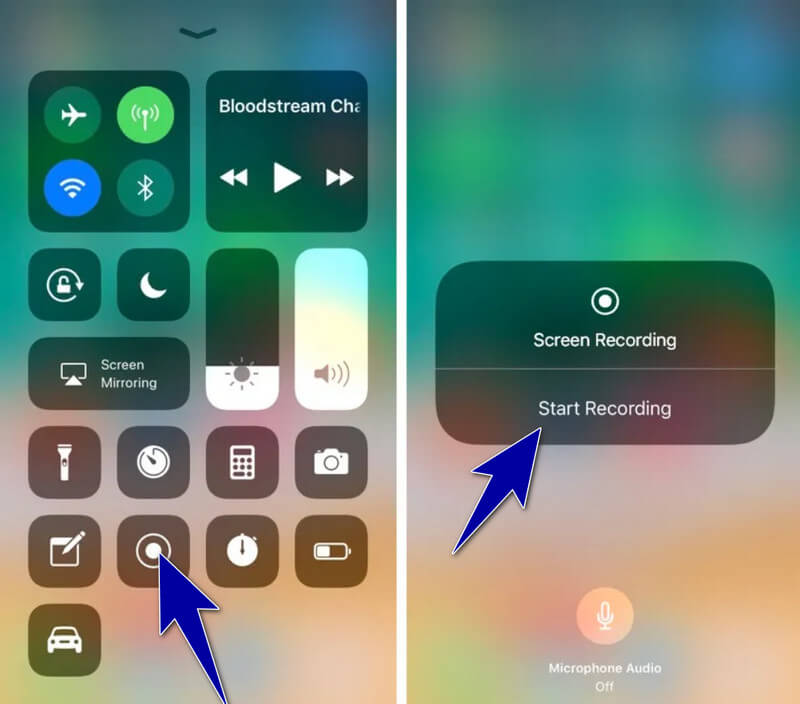
Technically, screen recording can be achieved in several ways. Modern operating systems like iOS and Android offer built-in screen recording utilities, accessible directly from the control center or quick settings menu. These native tools provide a straightforward method to capture video and audio from the screen. Beyond native options, a multitude of third-party applications exist, offering enhanced features like editing tools, specific capture regions, or even the ability to record for extended periods.
Regardless of the tool used, the underlying mechanism involves the software intercepting the graphical output stream of the device and encoding it into a video file. This process is generally invisible to the applications being recorded, as the recording software operates at a lower, system level. This technical invisibility is precisely what makes screen recording a potent tool, as it can capture content without the explicit consent or even knowledge of the application itself, or more importantly, the content creator.
Why Users Screen Record
The motivations behind screen recording are diverse, spanning both legitimate and ethically questionable uses. In a general context, users might screen record for:
- Tutorials and Demonstrations: Explaining how to use an app, software, or navigate a website.
- Gameplay Footage: Sharing gaming experiences with others.
- Bug Reporting: Documenting software glitches for developers.
- Saving Ephemeral Content: Preserving fleeting information from stories, live streams, or messages that are designed to disappear.
- Personal Archiving: Keeping a record of important conversations, social media posts, or online interactions.
It is this “saving ephemeral content” motivation that directly intersects with Snapchat’s core design. The desire to hold onto moments that are intended to vanish creates a friction point between user desire and platform design, which Snapchat has actively addressed through its technical architecture.
Screen Recording on Snapchat: A Unique Implementation
Snapchat’s approach to content sharing is predicated on a concept almost antithetical to permanence. It’s a platform built on the idea that conversations, photos, and videos can be shared freely without the lingering concern of long-term digital footprints. This philosophy makes its handling of screen recording particularly noteworthy within the tech landscape.
Snapchat’s Ephemeral Core
From its inception, Snapchat distinguished itself by championing ephemerality. Snaps (photos or videos) sent directly to friends disappear after being viewed once or after a set duration. Stories, while viewable for 24 hours, are also designed to vanish. This design choice aimed to foster more authentic, less curated interactions, freeing users from the pressure of creating “perfect” content for public consumption. The underlying technical infrastructure supports this by aggressively managing data on its servers, ensuring content truly expires. This commitment to transience is a core part of its brand identity and user experience.
The Notification System
Recognizing the potential for screen recording to undermine its core ephemeral promise, Snapchat engineered a specific technical response: a notification system. Unlike many other apps where screen recording goes completely unnoticed, Snapchat actively detects when its content is being captured, either via a screenshot or a screen recording. When this occurs, the person who originally sent the Snap or posted the Story receives a notification, alerting them that their content has been captured.
Technically, Snapchat achieves this detection by monitoring system-level events or specific API calls related to screen capture functions on both iOS and Android. While the exact proprietary methods are not publicly disclosed, it’s understood that the app integrates deeply with the operating system’s frameworks to identify these actions in real-time. This sophisticated detection mechanism is a testament to Snapchat’s commitment to user privacy and control over their shared content. The notification serves as a critical technical bridge, translating a technical action (screen recording) into a social alert for the content creator.
What Triggers the Notification
The Snapchat notification system is quite comprehensive, designed to cover various forms of content capture within the app:
- Individual Snaps: If someone screen records a photo or video Snap sent directly to them, the sender will be notified immediately.
- Chat Messages: While primarily a text-based feature, if a user attempts to screen record a chat conversation, the other participant(s) will be alerted. This extends to “saving” messages within a chat by long-pressing them, which also triggers a notification.
- Stories: When a user screen records a Story posted by a friend or a public figure, the creator of the Story receives a notification that their content has been captured. This applies to both photo and video elements within a Story.
- Spotlight and Discover: While content in Spotlight and Discover is often public and more widely distributed, screen recording these sections can also trigger notifications, particularly if the content originated from a user’s Story or directly submitted Snap.
The overarching principle is that for any content that originates from a user’s direct action (sending a Snap, posting a Story, chatting), Snapchat’s system is designed to notify the original content creator when their content is recorded, thereby maintaining a degree of transparency regarding content retention.
The Implications of Screen Recording on Snapchat
The technical capability of screen recording, coupled with Snapchat’s detection and notification system, creates a complex web of implications spanning privacy, social etiquette, and user behavior.
Privacy and Consent
The most significant implication revolves around privacy and consent. Snapchat users often operate under the assumption that their content is temporary and private, shared only with an intended audience for a fleeting moment. The act of screen recording, even with a notification, breaches this implicit understanding. It transforms ephemeral content into a permanent record, potentially without the explicit consent of the original creator.
This raises ethical questions about digital boundaries. While the recipient might feel they have the right to save content sent to them, the sender’s expectation of privacy often dictates otherwise. The notification serves as a technical signal of this breach, forcing an acknowledgement of the disparity between expectation and action. For many, a screen recording notification is akin to a “read receipt” for content capture, indicating that their private moment is no longer entirely their own.
Social Etiquette and Digital Boundaries
Beyond legal or technical privacy, screen recording on Snapchat carries significant social weight. There’s an unwritten code of conduct within the platform, where respecting the ephemeral nature of content is paramount. Screen recording can be perceived as a violation of trust, leading to social repercussions ranging from mild annoyance to strained relationships. It signals a disregard for the sender’s intentions and the platform’s design philosophy.
The digital boundary here is crucial: users share certain types of content on Snapchat precisely because they believe it won’t be permanently stored or widely distributed. When that boundary is crossed, it can lead to a chilling effect, making users less likely to share candid or personal moments, thereby diminishing the very authenticity Snapchat strives to foster. The notification system, while a technical feature, acts as a social enforcement mechanism, making the “breach” explicit.
Technical Workarounds and Their Risks
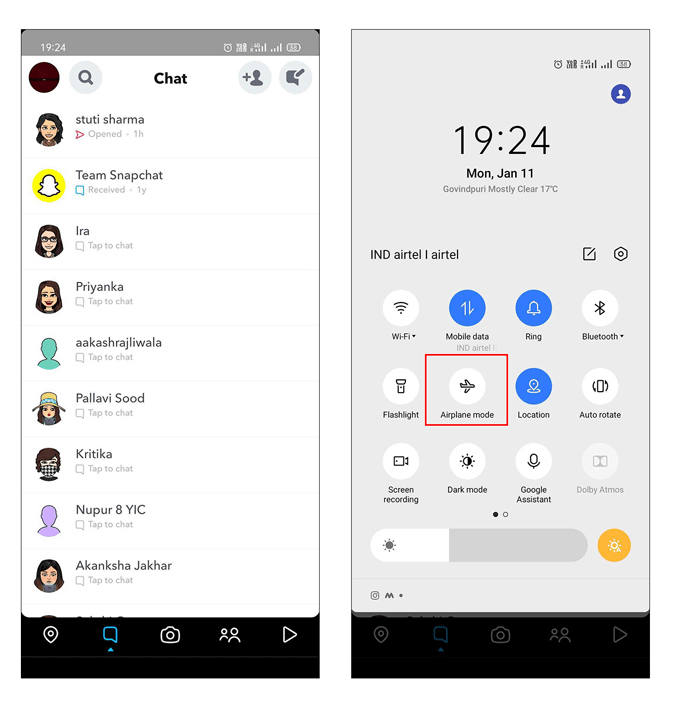
The desire to save ephemeral content without detection has led some users to explore technical workarounds. These often involve methods like enabling airplane mode before viewing a Snap (to prevent the app from sending a notification before the content is captured), using external recording devices (e.g., a second phone recording the screen), or employing modified third-party Snapchat clients.
However, these workarounds come with significant technical and security risks:
- Unreliability: Snapchat’s developers are constantly updating the app to patch these bypasses, making them often unreliable and short-lived.
- Account Suspension: Using modified third-party apps or engaging in activities that violate Snapchat’s terms of service can lead to temporary or permanent account suspension.
- Security Vulnerabilities: Third-party apps that promise “undetectable” screen recording often require users to grant extensive permissions, potentially exposing their personal data, login credentials, or even their device to malware and security breaches. These apps are not sanctioned by Snapchat and lack the security vetting of official software.
- Ethical Compromise: Even if technically successful, bypassing the notification system is an explicit act of circumventing the sender’s privacy, further exacerbating the ethical concerns.
From a technical standpoint, these workarounds highlight the ongoing cat-and-mouse game between platform developers striving to maintain intended functionality and users seeking to adapt or bypass those constraints.
Best Practices for Content Creators and Consumers on Snapchat
Navigating the landscape of ephemeral content and screen recording requires a thoughtful approach from both those who create and those who consume content on Snapchat. Adhering to best practices ensures a more respectful and secure digital environment.
For Senders: Content Consideration
As a content creator, understanding the implications of screen recording is vital. While Snapchat offers a notification system, it’s not an infallible guarantee against content capture. Therefore, a proactive approach is recommended:
- Think Before You Snap: Always consider that, despite the notifications, any content you share on Snapchat could potentially be captured and retained. Avoid sharing anything you wouldn’t be comfortable with being made public or permanent.
- Utilize Privacy Settings Effectively: Leverage Snapchat’s privacy settings to control who can view your Stories and send you Snaps. Restricting content to “My Friends” or “Custom” lists reduces the audience and, consequently, the risk of unwanted capture.
- Communicate Expectations: For highly sensitive content shared with close friends, a direct conversation about expectations regarding content retention can prevent misunderstandings and breaches of trust.
For Viewers: Respecting Digital Etiquette
For those consuming content on Snapchat, responsible digital citizenship means respecting the original creator’s intentions and the platform’s design:
- Assume Content is Private: Treat all Snaps and Stories as private, temporary communications unless explicitly stated otherwise.
- Seek Permission Before Recording: If you genuinely need to save a piece of content, the most respectful and ethical approach is to simply ask the sender for permission. Many users are happy to resend or save content directly to you if you ask.
- Understand the Consequences: Be aware that screen recording content on Snapchat will likely result in a notification being sent to the original creator. This action can lead to a breach of trust and potentially damage relationships.
Leverage Snapchat’s Native Features
Snapchat itself offers features designed to help users manage and save content responsibly, diminishing the need for external screen recording:
- Saving to Memories: Users can choose to save their own Snaps and Stories directly to their “Memories” within the app. This provides a personal archive that respects the ephemeral nature for others while preserving content for the creator.
- Save Chat Feature: For text conversations, Snapchat allows users to long-press on individual messages to “Save in Chat.” This marks the message, preventing it from disappearing and making it visible to all participants that it has been saved. This is a transparent and consensual way to preserve chat content.
- Download Story/Snap: For content you create, Snapchat provides options to download your own Stories or individual Snaps before they expire.
These native features are designed to provide controlled ways to preserve content while either notifying others or limiting preservation to the content creator, thereby maintaining the platform’s balance between ephemerality and utility.
Conclusion
Screen recording on Snapchat is more than a simple technical feature; it’s a nexus where technology, privacy, and social dynamics intersect. While the act of capturing a screen’s output is a technical function, on Snapchat, it directly challenges the platform’s core promise of ephemerality and user-controlled privacy. The integrated notification system serves as Snapchat’s technical and social mechanism to alert content creators, fostering transparency in an environment built on fleeting interactions.
Understanding “what does screen record mean on Snapchat” means recognizing the technological capability, appreciating Snapchat’s unique implementation, and comprehending the significant implications for privacy, trust, and digital etiquette. As technology continues to evolve, empowering users with diverse tools, the responsibility to use these tools ethically and respectfully falls upon each individual, ensuring that our digital interactions remain grounded in mutual respect and clear boundaries.
aViewFromTheCave is a participant in the Amazon Services LLC Associates Program, an affiliate advertising program designed to provide a means for sites to earn advertising fees by advertising and linking to Amazon.com. Amazon, the Amazon logo, AmazonSupply, and the AmazonSupply logo are trademarks of Amazon.com, Inc. or its affiliates. As an Amazon Associate we earn affiliate commissions from qualifying purchases.