
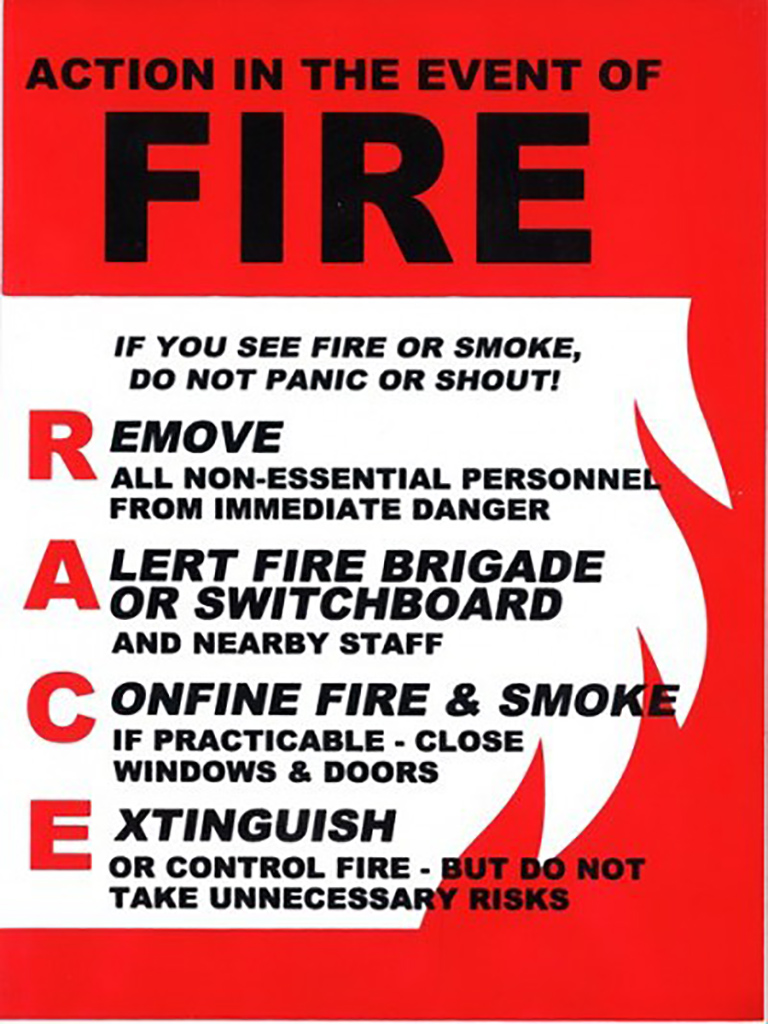
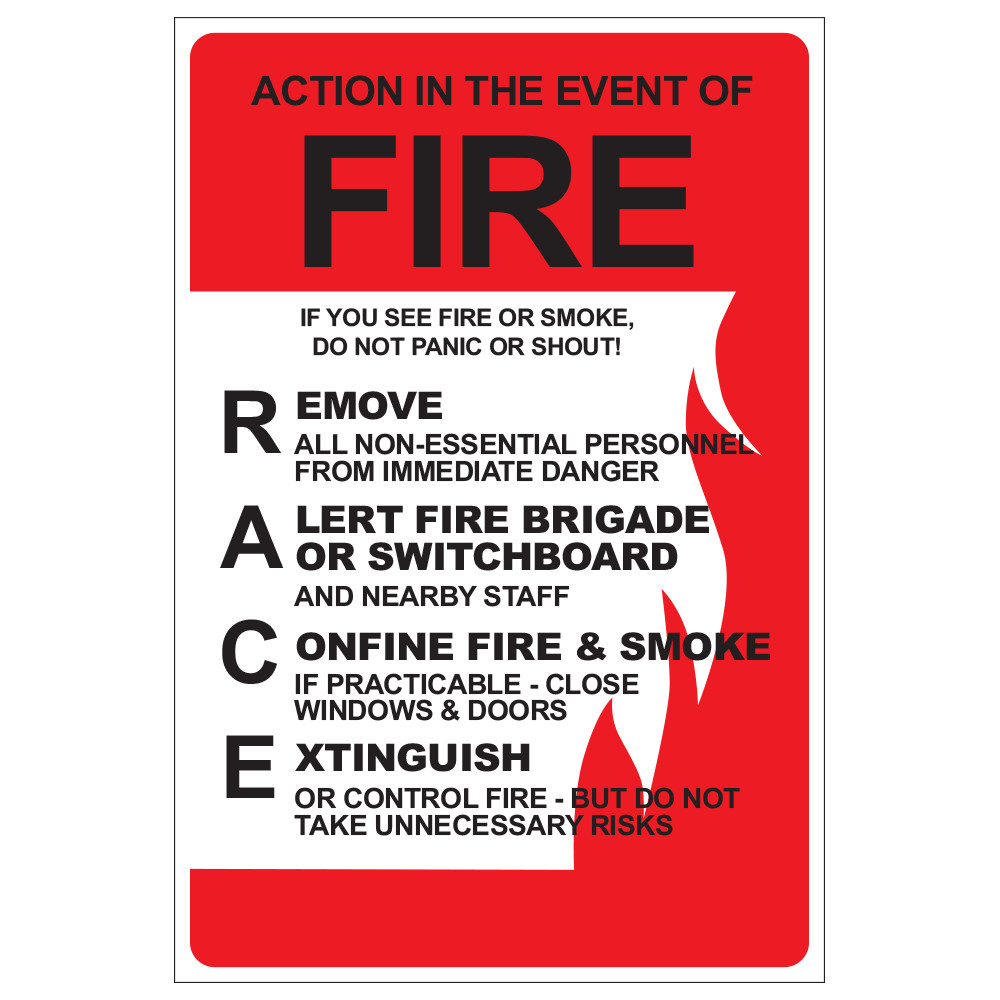
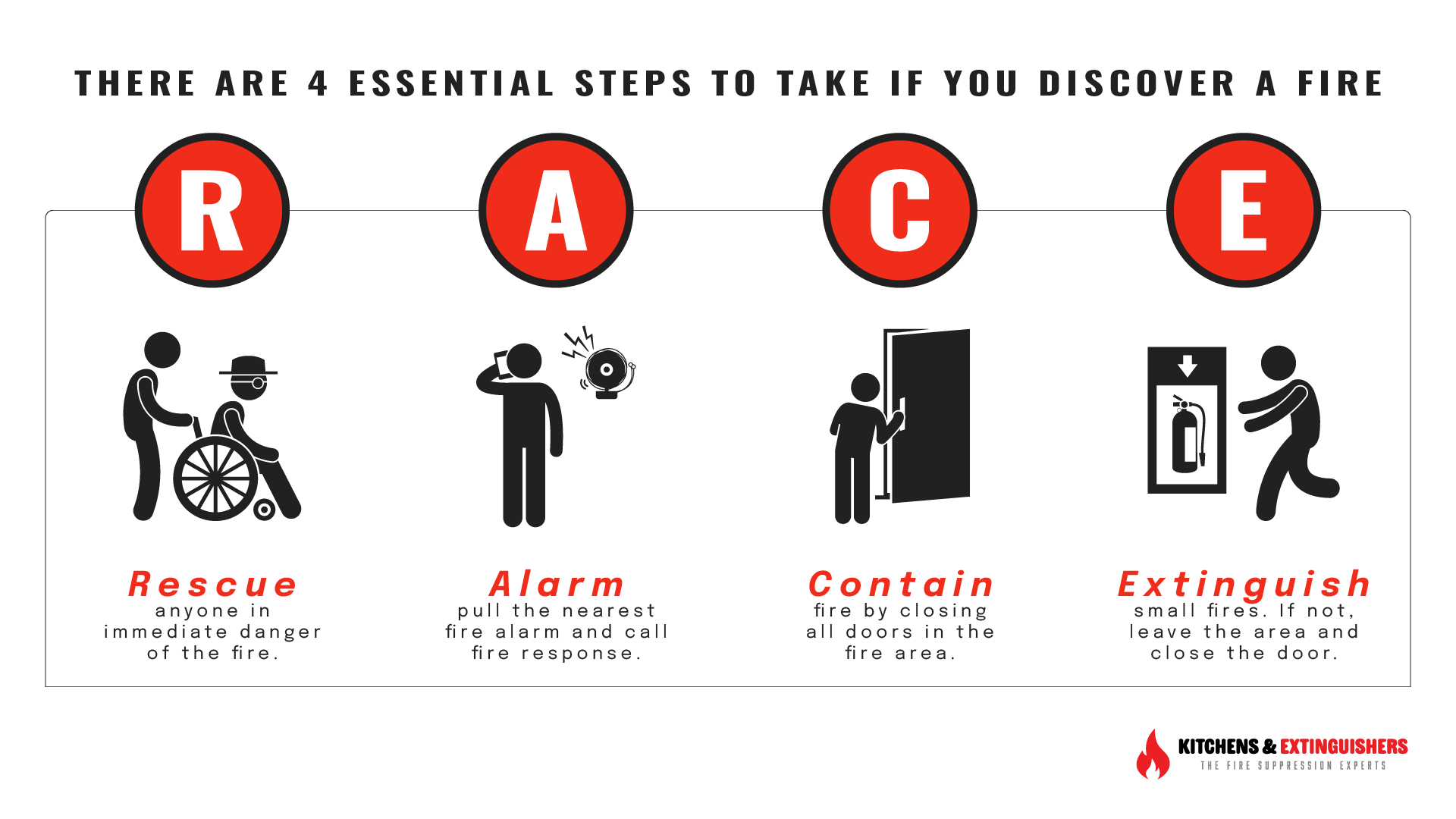
The acronym R.A.C.E. is a cornerstone of fire safety training, representing a critical four-step protocol designed to guide individuals through the immediate actions required during a fire emergency. While the principles of R.A.C.E. – Rescue, Alarm, Confine, and Extinguish/Evacuate – are fundamentally about human action, the modern landscape of fire safety is increasingly being revolutionized by technology. This article will explore the R.A.C.E. acronym through the lens of technological innovation, highlighting how advancements in digital solutions are augmenting, streamlining, and enhancing each step of this vital safety procedure.
Rescue: Beyond Manual Intervention with Smart Detection and Location Technology
The “Rescue” component of R.A.C.E. emphasizes the immediate priority of saving lives. Traditionally, this involved physically locating and assisting individuals in immediate danger. However, emerging technologies are transforming how we approach rescue efforts, making them faster, more targeted, and ultimately, more effective.
Advanced Detection Systems and Early Warning
The first critical step in any rescue is knowing a fire has occurred. Traditional smoke detectors have been a mainstay for decades, but their limitations are becoming increasingly apparent in complex environments. Modern fire detection systems leverage a sophisticated array of technologies to provide earlier, more accurate detection, significantly improving the window for rescue.
- IoT-Enabled Sensors: The Internet of Things (IoT) is bringing unprecedented intelligence to fire detection. Sensors equipped with advanced algorithms can not only detect smoke but also analyze its composition, differentiate it from steam or cooking fumes, and even detect the presence of hazardous gases like carbon monoxide. These smart sensors can communicate wirelessly, sending immediate alerts to building management, emergency services, and designated personnel. This proactive approach means that rescue efforts can be initiated before a fire becomes visually apparent or poses an immediate, overwhelming threat.
- AI-Powered Video Analytics: High-definition cameras, increasingly integrated with Artificial Intelligence (AI), are transforming surveillance for fire detection. AI algorithms can be trained to recognize visual indicators of fire, such as flames, smoke plumes, and unusual heat signatures, even in low-light conditions or across vast areas. This allows for the continuous monitoring of critical infrastructure, large public spaces, and industrial facilities, providing an immediate visual confirmation that complements sensor data and allows for more precise situational awareness for rescue teams.
- Thermal Imaging: Thermal cameras detect heat signatures, enabling the identification of hot spots and potential fire sources that may not yet be producing visible smoke. This technology is invaluable in industrial settings, warehouses, and areas with complex electrical systems, allowing for the detection of incipient fires before they escalate and pose a significant risk to occupants.
Precision Location and Navigation for First Responders
Once a fire is detected, efficiently locating individuals in need of rescue is paramount. Technology is playing a crucial role in providing first responders with real-time location data and navigation assistance within potentially disorienting environments.
- Indoor Positioning Systems (IPS): For large and complex buildings, navigating during an emergency can be challenging. IPS, utilizing technologies like Bluetooth beacons, Wi-Fi triangulation, or ultra-wideband (UWB) signals, can provide highly accurate indoor location data for individuals within a building. In the event of an evacuation, if individuals are equipped with compatible devices or if the building’s infrastructure supports it, their precise location can be transmitted to emergency services, allowing rescue teams to pinpoint their whereabouts and direct assistance more effectively.
- Building Information Modeling (BIM) Integration: BIM models offer a digital blueprint of a building, detailing its layout, structural elements, and critical systems. When integrated with real-time sensor data and occupancy tracking, BIM can provide first responders with an invaluable 3D overview of the fire situation. This allows them to visualize evacuation routes, identify potential hazards, and plan rescue strategies with unparalleled accuracy, significantly reducing the time spent searching for individuals.
- Wearable Technology for Occupants: Emerging wearable devices, such as smartwatches or dedicated emergency beacons, can also play a role in rescue. These devices can be programmed to send distress signals with location data when a user manually activates them or when they detect abnormal physiological signs associated with panic or distress during an emergency. This provides a direct communication channel from vulnerable individuals to the rescue command center.
Alarm: Amplifying Alerts with Smart Communication Networks
The “Alarm” step in R.A.C.E. is about ensuring that everyone in the vicinity is immediately notified of the danger, prompting them to take appropriate action. Modern communication technologies are dramatically enhancing the reach, speed, and intelligibility of fire alarms.
Multi-Channel Notification Systems
Traditional audible alarms, while essential, can be insufficient in large or noisy environments, or for individuals with hearing impairments. The integration of digital communication platforms allows for a multi-channel approach to alarming.
- Smart Building Management Systems (BMS): Modern BMS act as the central nervous system of a building. When a fire alarm is triggered, the BMS can automatically initiate a cascade of alerts across various platforms. This includes sending immediate push notifications to the mobile devices of building occupants and facility managers, flashing digital signage with evacuation instructions, and even automatically contacting emergency services with pre-loaded building information.
- Mobile App Integration: Dedicated fire safety apps for smartphones and tablets can deliver instant, location-aware alerts to users. These apps can provide real-time information about the nature of the emergency, designated evacuation routes, and safe assembly points. For organizations, these apps can also facilitate two-way communication, allowing for status updates and the reporting of individuals who may need assistance.
- Public Address (PA) System Enhancements: PA systems are being upgraded with digital capabilities, allowing for pre-recorded messages in multiple languages, real-time voice instructions from emergency personnel, and integration with visual display systems. This ensures that information is disseminated clearly and effectively to a diverse population.
- Assistive Technologies for Accessibility: For individuals with disabilities, particularly those with hearing impairments, specialized alerting systems are crucial. These include vibrating pagers, strobes synchronized with audible alarms, and text-based alerts that can be sent directly to personal devices or to designated caregivers.
Data-Driven Situational Awareness for Emergency Services
Beyond alerting occupants, technology plays a vital role in providing emergency responders with crucial information before they arrive on scene, allowing them to prepare and deploy resources more effectively.
- Real-Time Data Streams: When a fire alarm is triggered in a technologically advanced building, data from sensors, cameras, and even smart access control systems can be transmitted directly to the local fire department’s dispatch center. This data can include the exact location of the fire, the type of materials burning, the current status of building systems (e.g., HVAC shutdown), and the number of people evacuated.
- GIS Mapping and Pre-Incident Planning: Geographic Information Systems (GIS) are used to map building layouts, fire hydrants, and critical infrastructure. When integrated with alarm systems, GIS can provide emergency responders with an immediate visual representation of the incident, highlighting the fastest routes to the scene and identifying potential challenges. Pre-incident plans, often stored digitally and accessible via mobile devices, can provide responders with detailed information about a building’s unique fire safety features and risks.
Confine: Containment Through Smart Building Design and Monitoring
The “Confine” step of R.A.C.E. focuses on preventing the spread of fire and smoke to other areas of a building. While passive fire protection measures like fire doors and walls are fundamental, technology is now enabling active and dynamic containment strategies.
Automated Building System Responses
Modern buildings are equipped with sophisticated Building Management Systems (BMS) that can automatically respond to fire events to aid in containment.
- HVAC System Control: Upon detection of smoke or fire, BMS can automatically shut down or reconfigure HVAC (Heating, Ventilation, and Air Conditioning) systems. This prevents the circulation of smoke and toxic gases throughout the building, containing them to the affected zone and improving air quality in escape routes.
- Fire Door and Damper Actuation: Electronically controlled fire doors and dampers can be automatically closed by the BMS to compartmentalize fire and smoke. This is particularly effective in large open-plan spaces or complex ventilation networks, creating fire-resistant barriers.
- Pressurization Systems: In certain areas, such as stairwells or protected escape routes, sophisticated pressurization systems can be activated. These systems force fresh air into these spaces, creating positive pressure that prevents smoke from entering and keeps escape routes clear for evacuation.
Real-Time Monitoring of Containment Effectiveness
Technology allows for the continuous monitoring of how effectively containment measures are working, providing valuable feedback to emergency managers.
- Air Quality and Pressure Sensors: A network of air quality and pressure sensors throughout a building can provide real-time data on smoke levels and air pressure differentials. This information allows building managers and fire officials to assess the integrity of containment zones and identify any breaches or failures in the system.
- Integrated Camera Feeds: Live video feeds from strategically placed cameras can offer visual confirmation of the containment status. Operators can monitor the movement of smoke and flames, verifying that fire doors have closed and that containment barriers are holding.
Extinguish/Evacuate: Empowering Action with Advanced Tools and Information
The final step of R.A.C.E. involves either extinguishing the fire if it is small and manageable or evacuating the building if it is not. Technology plays a crucial role in both scenarios, from enabling more effective firefighting to facilitating smoother and safer evacuations.
Smarter Fire Suppression Technologies
While human intervention is often required for extinguishment, technology is enhancing the capabilities of automated suppression systems and providing firefighters with advanced tools.
- Advanced Sprinkler Systems: Modern sprinkler systems are far more sophisticated than their predecessors. They can be designed with individual head activation (only the sprinkler directly above the fire activates), zoned control, and integration with fire alarm panels for precise targeting and water management. Some systems also incorporate specialized suppression agents for different types of fires.
- Robotics in Firefighting: In high-risk environments, such as chemical plants or areas with hazardous materials, firefighting robots are increasingly being deployed. These robots can enter dangerous areas to assess the situation, deliver water or extinguishing agents, and even perform basic rescue tasks, reducing the risk to human firefighters.
- Drones for Fire Assessment and Suppression: Drones equipped with thermal cameras and high-pressure water cannons are being used by fire departments to gain aerial perspectives of fires, identify hot spots, and even deliver targeted suppression. This technology is particularly useful in large outdoor fires or in accessing hard-to-reach areas of buildings.
Streamlined Evacuation Management and Communication
Ensuring a safe and orderly evacuation is as critical as fighting the fire itself. Technology is revolutionizing how we manage this process.
- Dynamic Evacuation Route Guidance: In conjunction with IPS and BIM, evacuation apps can provide dynamic route guidance to individuals. If a primary escape route becomes blocked by fire or smoke, the system can instantly reroute occupants to a safer alternative, minimizing confusion and panic.
- Occupancy Monitoring and Accountability: Technologies like AI-powered video analytics and RFID (Radio-Frequency Identification) tags can help track occupancy levels within different zones of a building. This data can be used during an evacuation to confirm that all individuals have exited a designated area, aiding in accountability and ensuring that no one is left behind.
- Digital Muster Points and Check-in: For larger organizations or public events, digital muster points can be established. Individuals can check in at designated assembly areas using their mobile devices or via digital kiosks, allowing organizers to quickly account for everyone and identify any missing persons.
- Post-Incident Analysis and Improvement: The data collected from fire events – sensor readings, alarm triggers, evacuation times, and communication logs – can be analyzed using sophisticated software. This analysis provides invaluable insights into the effectiveness of safety protocols and technological systems, enabling continuous improvement and the refinement of future emergency response plans.
In conclusion, while the R.A.C.E. acronym remains a steadfast guide in fire safety, its practical application is being profoundly enhanced by technological innovation. From the earliest detection of threats through intelligent sensors and AI to the seamless communication of alarms and the dynamic management of evacuations, technology is not replacing the human element of fire safety but rather empowering it with unprecedented speed, precision, and effectiveness. Embracing these advancements is no longer an option but a necessity for creating safer environments for everyone.
aViewFromTheCave is a participant in the Amazon Services LLC Associates Program, an affiliate advertising program designed to provide a means for sites to earn advertising fees by advertising and linking to Amazon.com. Amazon, the Amazon logo, AmazonSupply, and the AmazonSupply logo are trademarks of Amazon.com, Inc. or its affiliates. As an Amazon Associate we earn affiliate commissions from qualifying purchases.