
The pursuit of the perfect blonde is a journey that many embrace, whether through natural highlights, full-blown bleaching, or subtle balayage techniques. However, maintaining that vibrant, cool-toned blonde can be a constant battle against the forces of brassiness and yellowing. Enter purple shampoo, a seemingly simple yet remarkably effective tool that has become a staple in the haircare routines of blondes worldwide. But beyond its appealing hue, what exactly does purple shampoo do for blonde hair, and how does this innovation in personal care branding contribute to customer satisfaction and brand loyalty? This article delves into the science, the application, and the strategic positioning of purple shampoo within the competitive beauty market, examining how brands leverage this product to meet specific consumer needs and enhance their overall brand narrative.
The Science of Color Correction: Understanding the Color Wheel and Pigment Neutralization
At the heart of purple shampoo’s efficacy lies a fundamental principle of color theory: the color wheel. Understanding this basic concept is crucial for appreciating how purple shampoo works and how beauty brands effectively communicate its benefits to consumers.
Complementary Colors and Tonal Balance
The color wheel is a visual representation of the relationships between colors. Colors directly opposite each other on the wheel are known as complementary colors. When placed next to each other, these colors create a strong contrast, but when mixed or applied over each other, they tend to neutralize one another. On the color wheel, yellow and purple are complementary colors.
Blonde hair, particularly hair that has been lightened, is prone to developing unwanted yellow and brassy undertones. These tones arise from the natural pigments within the hair shaft that are revealed as the darker pigments are lifted during the lightening process. The longer blonde hair is exposed to environmental factors like UV rays, heat styling, and even certain water minerals, the more these yellow tones can become pronounced.
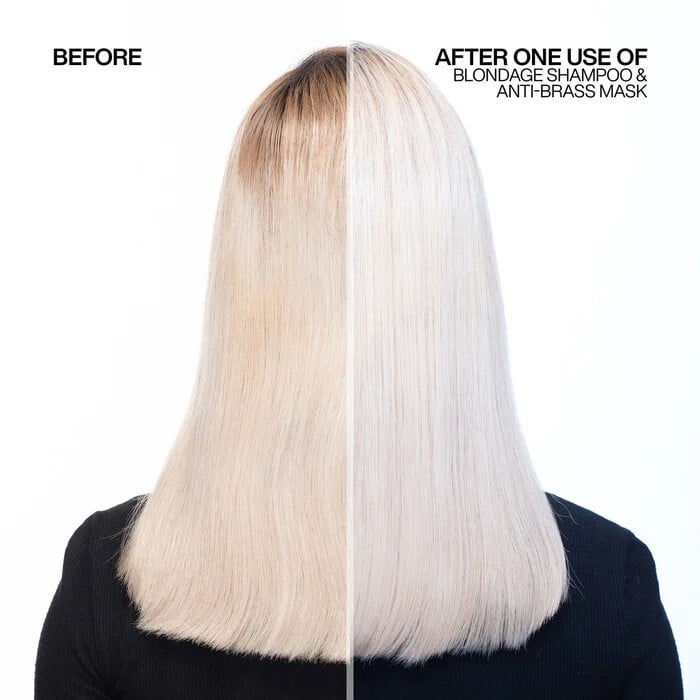
Purple shampoo is formulated with purple pigments. When applied to blonde hair, these purple pigments work by depositing a small amount of purple onto the hair shaft. This purple color subtly counteracts and neutralizes the yellow tones present in the hair. Instead of appearing overtly purple, the hair is left with a more balanced, neutral, or even ash-toned blonde hue. This is a sophisticated application of color science, allowing brands to offer a solution that appears natural and highly desirable to their target audience.
The Role of Pigment Intensity and Formulation
The effectiveness of purple shampoo isn’t just about the presence of purple pigment; it’s also about the intensity and type of pigment used, as well as the overall formulation of the shampoo. Brands invest significant research and development into finding the optimal balance.
- Pigment Concentration: Too little pigment, and the shampoo won’t effectively neutralize brassiness. Too much, and the hair can end up with a lavender or even blue tint, which may not be the desired outcome for all blonde shades. Brands carefully calibrate the concentration of purple pigments to provide noticeable toning without overwhelming the hair color.
- Pigment Type: Different types of purple pigments can be used, each with slightly different undertones. Some brands might opt for pigments that lean slightly more violet to counteract a more intense yellow, while others might use a more lavender shade for a softer neutralization. This attention to detail allows brands to create specialized products for different levels of blonde or specific toning needs.
- Shampoo Base: Beyond the colorants, the shampoo base itself plays a crucial role. Brands aim to create formulas that are gentle enough for frequent use, often incorporating moisturizing ingredients to prevent dryness, which can be a concern for bleached hair. The pH balance of the shampoo is also carefully considered to ensure it works effectively with the hair cuticle.
This meticulous approach to formulation allows brands to position their purple shampoos not just as a “toner,” but as a premium haircare product designed to enhance and protect the beauty of blonde hair.
Purple Shampoo in the Brand Ecosystem: From Product Feature to Brand Promise
Purple shampoo is more than just a product; it’s a key component in a brand’s strategy to connect with consumers who seek specific hair outcomes. Its success highlights how a well-executed product can become a cornerstone of a brand’s identity and marketing efforts.
Solving a Specific Problem: The Power of Targeted Solutions
Beauty brands thrive on identifying and solving consumer problems. For blondes, brassiness is a perennial challenge. Purple shampoo directly addresses this pain point, offering a tangible solution that delivers visible results. This targeted approach is a powerful branding tool because it:

- Establishes Expertise: By offering an effective purple shampoo, a brand positions itself as knowledgeable and capable of understanding the nuances of blonde hair care. This builds trust and credibility.
- Drives Repeat Purchases: When a product consistently delivers on its promise, consumers become loyal. The need to maintain blonde tone means purple shampoo often becomes a regularly repurchased item, fostering consistent revenue and customer retention for the brand.
- Creates Brand Advocates: Satisfied customers are the best marketers. Those who achieve their desired blonde shade with a particular purple shampoo are likely to recommend it to friends and share their positive experiences online, contributing to organic brand growth and positive word-of-mouth marketing.
Brands often highlight this problem-solving aspect in their marketing campaigns, using before-and-after imagery and testimonials that showcase the transformative power of their purple shampoo. This direct appeal to a specific need strengthens the brand’s connection with its target demographic.
Building Brand Loyalty Through Consistent Performance and Education
The long-term success of a purple shampoo within a brand’s portfolio hinges on more than just its initial effectiveness. Brands that excel in this area focus on consistent performance and empowering their consumers with knowledge.
- Consistent Quality: Brands must ensure that their purple shampoo formula remains consistent across batches and over time. Any perceived drop in quality or effectiveness can quickly erode consumer trust and lead them to seek alternatives from competing brands. This commitment to quality is fundamental to building a reliable brand image.
- Educational Marketing: Many brands go beyond simply selling the product. They invest in educating consumers about how to use purple shampoo effectively. This includes explaining the frequency of use, the importance of rinsing thoroughly, and how to adjust usage based on hair porosity and desired tone. This educational component adds value, making the brand a trusted resource rather than just a transactional supplier.
- Product Line Expansion and Synergy: Savvy brands recognize that purple shampoo can be a gateway product. They may then offer complementary products, such as purple conditioners, masks, or leave-in treatments, to create a holistic blonde hair care system. This allows the brand to capture more of the consumer’s haircare budget and further solidify their position as a go-to for blonde maintenance. This also creates a halo effect, where the success of one product reinforces the perceived quality of the entire line.
By consistently delivering on its promise and actively engaging with consumers through education and a cohesive product ecosystem, a brand can elevate its purple shampoo from a functional product to a key differentiator that fosters deep loyalty and reinforces its overall brand identity as a leader in specialized haircare.
The Marketing and Positioning of Purple Shampoo: Leveraging Consumer Desire for Flawless Color
In the competitive landscape of the beauty industry, the way purple shampoo is marketed and positioned plays a critical role in its success and the perception of the brand behind it. This involves understanding consumer psychology, visual communication, and the strategic use of digital platforms.
Visual Storytelling and Social Proof
The visual nature of hair color makes visual storytelling an indispensable marketing tool for purple shampoo. Brands leverage platforms like Instagram, TikTok, and YouTube to showcase the transformative power of their products.
- Before-and-After Transformations: This is perhaps the most compelling form of marketing for purple shampoo. High-quality images and videos that clearly demonstrate the reduction of brassy tones and the emergence of a cooler, more vibrant blonde are incredibly persuasive. These visuals resonate deeply with consumers who are actively seeking a solution to their own hair color issues.
- Influencer Marketing: Collaborating with beauty influencers who have a significant following among blonde hair enthusiasts is a powerful strategy. Influencers can authentically demonstrate the product’s use, share their personal results, and provide honest reviews, lending credibility and reach to the brand. This social proof is invaluable in building trust and driving purchase intent.
- User-Generated Content (UGC): Encouraging customers to share their own experiences and results with the hashtag associated with the brand’s purple shampoo creates a powerful sense of community and authenticity. UGC acts as a constant stream of real-world testimonials, reinforcing the product’s effectiveness and building brand advocacy. Brands actively curate and promote this content, further amplifying its impact.
These visual strategies are not just about showcasing a product; they are about selling an aspirational outcome. Brands aim to convey that with their purple shampoo, the desired cool blonde is not just achievable but maintainable, enhancing the consumer’s confidence and overall aesthetic.

Strategic Pricing and Packaging: Communicating Value and Premium Quality
The way a purple shampoo is priced and packaged can significantly influence consumer perception and its positioning within the market. Brands strategically use these elements to communicate value and quality.
- Premium vs. Accessible Positioning: Brands need to decide where their purple shampoo will sit in the market. Some position themselves as high-end, luxury products with sophisticated packaging and a premium price point, appealing to consumers who associate higher prices with better quality. Others opt for a more accessible, mass-market approach, offering effective solutions at a more budget-friendly price. Both strategies can be successful, but they require consistent execution in branding, messaging, and product performance.
- Packaging Design: The visual appeal of the packaging is crucial. A well-designed bottle with clear, concise labeling that highlights key benefits (e.g., “anti-brass,” “toning,” “vibrant blonde”) can immediately capture attention on a crowded shelf or online store. The use of specific colors (often cool tones, silver, or even hints of purple) in the packaging design can also visually communicate the product’s purpose. For instance, a sleek, minimalist bottle might convey a sense of modern efficacy, while a more decorative design might suggest a luxurious experience.
- Value Proposition Beyond Color: While the primary function is color correction, brands can enhance the perceived value by emphasizing other benefits. This might include the use of nourishing ingredients, sulfate-free formulas, vegan and cruelty-free claims, or packaging that is environmentally conscious. These additional selling points contribute to a more comprehensive value proposition that can justify a particular price point and resonate with a wider range of consumer values.
Ultimately, the marketing and positioning of purple shampoo by beauty brands are about more than just selling a bottle of tinted shampoo. They are about building a narrative of confidence, beauty, and problem-solving, creating a connection with consumers that goes beyond the transaction and fosters lasting brand loyalty.
aViewFromTheCave is a participant in the Amazon Services LLC Associates Program, an affiliate advertising program designed to provide a means for sites to earn advertising fees by advertising and linking to Amazon.com. Amazon, the Amazon logo, AmazonSupply, and the AmazonSupply logo are trademarks of Amazon.com, Inc. or its affiliates. As an Amazon Associate we earn affiliate commissions from qualifying purchases.