
The concept of a “preemptive pardon” is a nuanced one, often sparking debate and intrigue. It’s not a term you’ll find in everyday conversation, nor is it a standard legal doctrine universally applied. Instead, it emerges from specific legal and political contexts, primarily within the United States, and pertains to the executive power of pardon. Understanding what a preemptive pardon means requires delving into the nature of pardons themselves, the motivations behind their use, and the potential implications of granting one before a conviction or even formal charges have been laid.
The Essence of a Pardon
Before dissecting the “preemptive” aspect, it’s crucial to grasp the fundamental nature of a pardon. In most legal systems, a pardon is an act of executive clemency that releases an individual from the punishment of a crime. It can forgive the guilt associated with a crime, nullify a conviction, or even prevent charges from being brought. The power to grant pardons is typically vested in the head of state or a designated executive authority.

Types of Pardons
Pardons, in their conventional understanding, can manifest in several forms:
- Full Pardon: This is the most comprehensive form of pardon. It typically restores all civil rights lost due to a conviction, such as the right to vote, hold public office, or possess firearms. It also signifies forgiveness and removes the legal consequences of the crime, essentially wiping the slate clean.
- Conditional Pardon: This type of pardon is granted with specific conditions attached. The individual must fulfill these conditions (e.g., complete a rehabilitation program, pay restitution) for the pardon to become effective. Failure to meet the conditions can revoke the pardon.
- Commutation of Sentence: While often discussed alongside pardons, a commutation is technically different. It reduces a sentence without necessarily forgiving the guilt or restoring all rights. For instance, a life sentence might be commuted to a fixed term of years.
- Reprieve: This is a temporary postponement of a sentence, often granted to allow for further review or appeals.
The core function of a pardon is to offer a legal remedy or act of mercy outside the normal judicial process. It is an executive power, and its exercise is often subject to significant scrutiny.
Defining “Preemptive Pardon”
A preemptive pardon, therefore, refers to a pardon granted before an individual has been formally convicted of a crime, or sometimes even before they have been charged. This is where the concept deviates significantly from the more common understanding of pardons being applied to those who have already faced the justice system and been found guilty. The “preemptive” nature signifies an action taken in anticipation of potential future legal proceedings or consequences.
The Rationale Behind Preemption
The idea of a preemptive pardon is not about forgiving a crime that hasn’t happened, but rather about mitigating potential legal repercussions that an individual might face, often in the context of their public or professional life. The motivations for seeking or granting such a pardon can be varied:
- Preventing Reputational Damage: For high-profile individuals, particularly those in public service or business, even the accusation or investigation of a crime can cause irreparable damage to their reputation and career. A preemptive pardon could be sought to shield them from the fallout of potential charges, even if they believe they are innocent.
- Avoiding Political Persecution: In certain political climates, there’s a concern that individuals might be targeted with politically motivated charges. A preemptive pardon could be seen as a defensive measure against such potential abuses of power.
- Resolving Uncertainties: Sometimes, an individual might be involved in a situation with complex legal ramifications, where the likelihood of charges is present but not definitive. A preemptive pardon can offer certainty and finality, allowing them to move forward without the looming threat of prosecution.
- Protecting National Security or Public Interest: In rare and highly sensitive situations, an executive might argue that granting a preemptive pardon is in the broader public interest, perhaps to prevent the disclosure of classified information or to maintain stability.
It’s crucial to distinguish a preemptive pardon from a pardon granted after a conviction, even if that pardon is controversial. The preemptive nature introduces a layer of complexity because it involves the executive power intervening in a situation that has not yet been adjudicated by the courts.
Controversies and Criticisms
The concept of preemptive pardons is inherently controversial and raises significant legal and ethical questions. Because it bypasses the traditional judicial process, it can be perceived as undermining the rule of law.
Challenges to Due Process

One of the primary criticisms of preemptive pardons is that they can circumvent due process. The justice system is designed to investigate, charge, try, and convict individuals based on evidence. A pardon, especially a preemptive one, can prevent this process from occurring, effectively shielding someone from accountability without a judicial determination of guilt or innocence. This can be seen as unfair to victims and the public, who may feel that justice has not been served.
Erosion of Deterrence
The deterrent effect of criminal law relies on the knowledge that transgressions will be punished. If individuals can be pardoned before even being formally accused, it could be argued that this weakens the deterrent effect of the law. Why would someone refrain from certain actions if they believe they can simply secure a preemptive pardon?
Abuse of Executive Power
The power to pardon is a significant one, and its exercise is often subject to checks and balances. Critics of preemptive pardons argue that they represent a potential abuse of executive power, allowing the executive to become the arbiter of guilt and innocence, rather than relying on the judiciary. This can lead to perceptions of favoritism or political influence in the justice system.
The “Pardon Power Corrupts” Argument
Historically, concerns have been raised about the potential for pardon powers to be used for personal gain or to reward political allies. The idea of a preemptive pardon exacerbates these concerns, as it can be perceived as a tool to shield individuals from scrutiny who are close to the executive, rather than a genuine act of clemency based on merit or rehabilitation.
Legal and Political Implications
The practical implementation and legal standing of preemptive pardons are far from settled. They often operate in a gray area, pushing the boundaries of executive authority and prompting legal challenges and public outcry.
Constitutional Authority
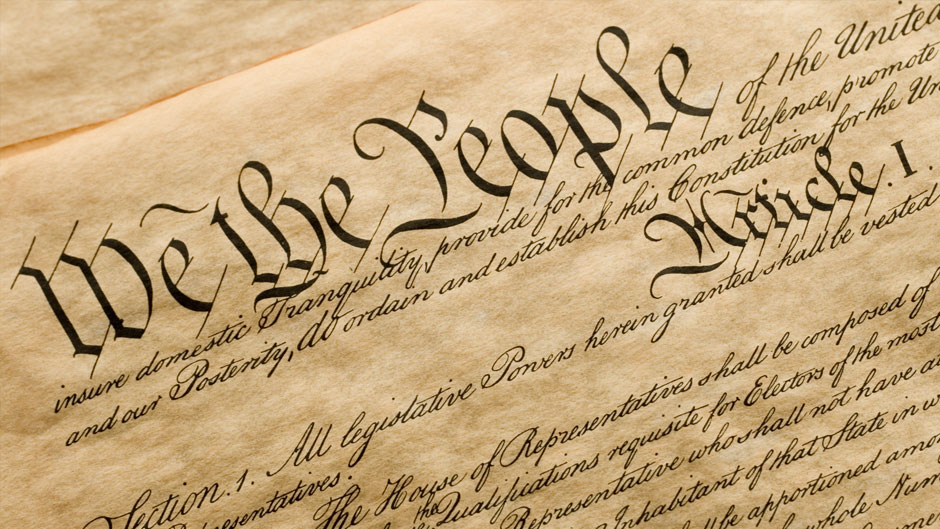
In countries like the United States, the Constitution grants the President broad power to grant reprieves and pardons for offenses against the United States, except in cases of impeachment. However, the extent to which this power can be exercised preemptively is a matter of legal interpretation and has been debated extensively. While the Constitution doesn’t explicitly forbid preemptive pardons, its spirit and the traditional understanding of pardons suggest a preference for post-conviction application.
Historical Precedents and Debates
There have been instances in history where presidents have considered or granted pardons in situations that could be construed as preemptive, often leading to significant political fallout. These debates typically revolve around:
- The timing of the pardon: Should it be granted only after all appeals are exhausted, or can it be used earlier in the process?
- The scope of the pardon: Does it cover future offenses, or only those that have already occurred or are being investigated?
- The justification for the pardon: Is it based on demonstrable reasons of public good or fairness, or on political expediency?
The Impact on Public Trust
Perhaps the most significant implication of preemptive pardons lies in their potential to erode public trust in the justice system and the executive branch. When the public perceives that individuals can be insulated from legal accountability through executive fiat, it can lead to cynicism and a belief that the system is rigged or that the law does not apply equally to all. This can have profound consequences for democratic governance and social cohesion.
In conclusion, a preemptive pardon is a controversial exercise of executive clemency granted before a conviction or sometimes even before formal charges. While it may be rationalized as a means to prevent reputational damage, political persecution, or to maintain public interest, it fundamentally challenges due process and raises serious concerns about the abuse of power and the erosion of the rule of law. The legal and political implications are significant, often leading to intense debate and scrutiny, and ultimately impacting the public’s faith in the integrity of its institutions.
aViewFromTheCave is a participant in the Amazon Services LLC Associates Program, an affiliate advertising program designed to provide a means for sites to earn advertising fees by advertising and linking to Amazon.com. Amazon, the Amazon logo, AmazonSupply, and the AmazonSupply logo are trademarks of Amazon.com, Inc. or its affiliates. As an Amazon Associate we earn affiliate commissions from qualifying purchases.