
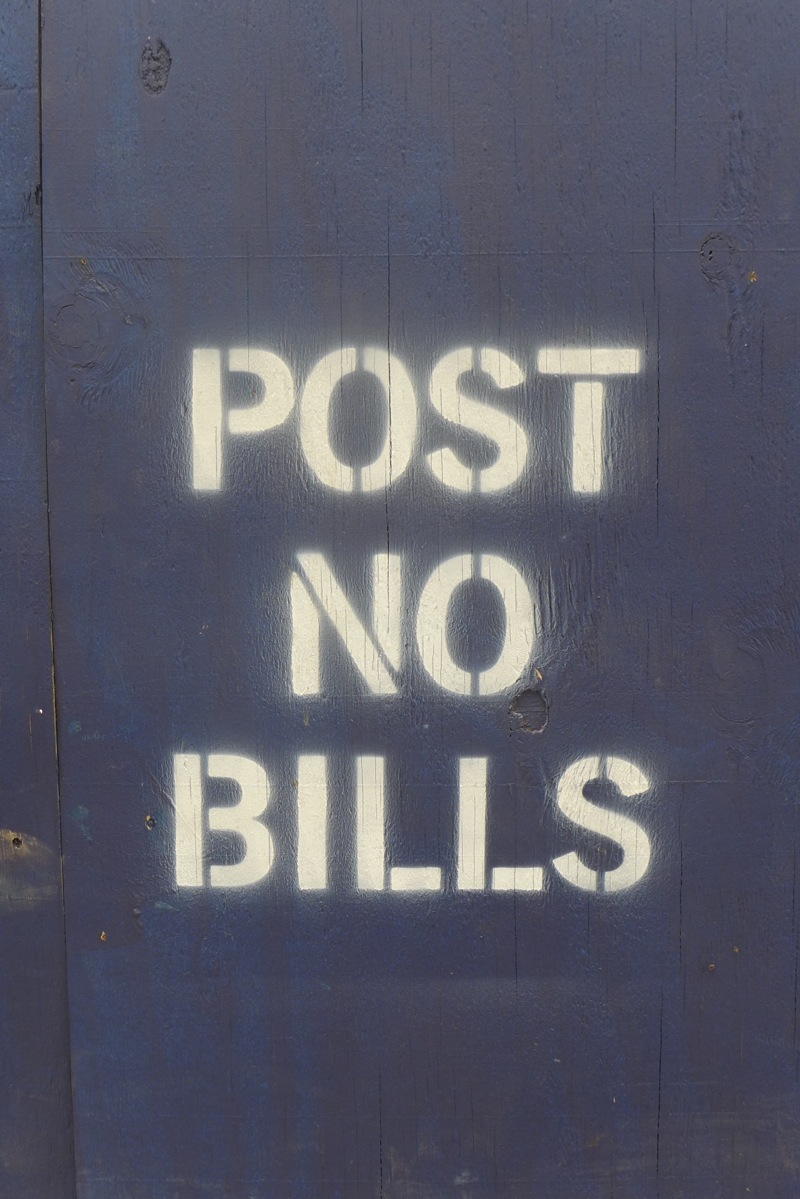
The seemingly simple phrase “post no bills” conjures images of brick-and-mortar establishments, a bygone era of physical advertising where businesses plastered flyers and posters on public spaces, often without permission. While the literal interpretation might suggest a prohibition against advertising, its true essence, especially in the modern digital landscape, is far more nuanced and deeply rooted in brand strategy, marketing, and the protection of corporate identity. In the digital age, “post no bills” transcends its physical origins to become a powerful metaphor for safeguarding brand integrity, controlling messaging, and preventing unauthorized or detrimental representations of a business in the vast online ecosystem.

This article delves into the multifaceted meaning of “post no bills” from a brand and marketing perspective. We will explore its historical context, its evolution into a digital imperative, and the strategic implications for businesses seeking to maintain a consistent, authentic, and impactful brand presence in an increasingly noisy and competitive online world.
The Evolution of “Post No Bills”: From Physical Restrictions to Digital Guardianship
The origins of “post no bills” are intrinsically linked to urban management and public space etiquette. In the past, public walls, lampposts, and fences were often adorned with a chaotic array of advertisements, ranging from local business promotions to political rallies and artistic expressions. This visual clutter could be unsightly, detract from the aesthetic appeal of a neighborhood, and sometimes even obscure important public notices. The “post no bills” sign, therefore, served as a direct, albeit blunt, instruction to prevent this unauthorized dissemination of promotional materials. It was a territorial assertion by property owners and municipal authorities, a declaration of control over what appeared on their surfaces.
Physical Signage and its Limitations
In its physical form, “post no bills” was a clear and simple directive. It was a visible deterrent, a way to enforce rules and maintain order in public spaces. However, its effectiveness was often limited by the very nature of physical advertising. Posters could be easily defaced, removed, or ignored. Enforcement was often reactive, relying on patrols or complaints. Furthermore, the message itself was a negative one – telling people what not to do, rather than guiding them towards desired actions or affiliations.
The Digital Shift: A New Frontier for Brand Control
The advent of the internet and the subsequent explosion of digital platforms have fundamentally altered the landscape of advertising and brand communication. Suddenly, the ability to “post” information and advertisements became democratized and decentralized. Social media, online forums, review sites, blogs, and user-generated content platforms have created an environment where anyone can potentially publish information about a brand, for better or worse. This shift has made the concept of “post no bills” more critical than ever, albeit in a new, digital guise.
In the digital realm, “post no bills” translates to a proactive and strategic approach to managing a brand’s online presence. It’s no longer just about preventing unauthorized physical posters; it’s about preventing unauthorized, inaccurate, or detrimental digital content from being associated with a brand. This includes everything from fake reviews and misleading information to unauthorized use of brand assets and the spread of negative sentiment. The stakes have been raised significantly, as digital content can reach a global audience instantaneously and can persist online indefinitely.
“Post No Bills” in the Digital Ecosystem: Protecting Brand Integrity and Reputation
The digital ecosystem is a complex web of interconnected platforms where brands are constantly being discussed, reviewed, and represented. In this environment, the principle of “post no bills” evolves into a crucial aspect of brand management and reputation protection. It’s about establishing clear boundaries and implementing strategies to ensure that the narrative surrounding a brand is controlled, accurate, and aligned with its core values and marketing objectives.
Controlling the Narrative: From Corporate Communications to User-Generated Content
Traditionally, brands had a relatively tight grip on their messaging through official press releases, advertising campaigns, and corporate websites. However, the rise of social media and the empowerment of consumers have given rise to a powerful force: user-generated content (UGC). While UGC can be a valuable asset for brands, offering authentic endorsements and fostering community, it also presents challenges. Without proper guidance and monitoring, UGC can stray from brand messaging, misrepresent products or services, or even become overtly negative.
“Post no bills” in this context means actively shaping the conversation. This involves:
- Establishing clear brand guidelines: Ensuring that all internal and external communications, from marketing materials to employee social media posts, adhere to brand standards.
- Engaging with UGC: Proactively monitoring social media, forums, and review sites for mentions of the brand. This allows for early intervention to correct misinformation, address negative feedback constructively, and amplify positive content.
- Content moderation: Implementing strategies to identify and address inappropriate or unauthorized content that might be posted on a brand’s own platforms or on third-party sites where the brand has a presence.
- Educating stakeholders: Informing employees, partners, and even loyal customers about how to represent the brand responsibly online.
Preventing Misinformation and Maintaining Authenticity
Misinformation can spread like wildfire in the digital space, and brands are often caught in its crosshairs. False claims about products, fabricated scandals, or inaccurate portrayals of corporate practices can severely damage a brand’s reputation and erode consumer trust. The “post no bills” principle, therefore, becomes a defensive mechanism against such threats.
This involves:
- Proactive fact-checking and verification: Ensuring that all claims made in marketing materials and official communications are accurate and verifiable.
- Rapid response to false narratives: Developing protocols for quickly identifying and addressing misinformation as it emerges online. This might involve issuing official statements, engaging with fact-checking organizations, or using social media to correct the record.
- Building brand credibility: Consistently delivering on promises, being transparent in communications, and fostering a reputation for honesty and integrity. This makes it harder for misinformation to gain traction.
- Leveraging brand advocates: Empowering satisfied customers and employees to become vocal advocates for the brand, sharing their authentic positive experiences and counteracting any negative narratives.
Strategic Applications of “Post No Bills” in Digital Marketing and Branding
The principle of “post no bills” is not merely a defensive posture; it’s a strategic imperative that informs and shapes a company’s digital marketing and branding efforts. By understanding and actively applying this principle, businesses can build stronger brands, foster deeper customer relationships, and navigate the complexities of the online world with greater confidence.
Ensuring Brand Consistency Across Digital Touchpoints
In today’s multi-channel marketing environment, consumers interact with brands across a multitude of touchpoints – websites, social media profiles, email newsletters, mobile apps, and third-party platforms. Maintaining a consistent brand identity, tone of voice, and visual aesthetic across all these channels is paramount. The “post no bills” philosophy reinforces this by emphasizing the need for centralized control and oversight of all brand communications.
This translates to:
- Developing a comprehensive brand style guide: This document serves as the ultimate authority on all aspects of the brand’s visual and verbal identity, ensuring that everyone involved in content creation and dissemination adheres to the same standards.
- Utilizing digital asset management (DAM) systems: These systems allow for the secure storage, organization, and distribution of brand assets, ensuring that only approved logos, images, and other collateral are used.
- Implementing brand governance frameworks: Establishing clear roles, responsibilities, and approval processes for all digital content, from initial creation to final publication. This prevents unauthorized or off-brand content from being released.
- Regular audits of digital presence: Periodically reviewing all online channels and third-party platforms where the brand is represented to ensure consistency and identify any deviations from brand guidelines.
Leveraging Brand Identity for Competitive Advantage
A strong and consistent brand identity, meticulously managed through the “post no bills” lens, becomes a significant competitive advantage. When consumers can easily recognize and trust a brand due to its consistent messaging and authentic representation, they are more likely to choose it over competitors.
This involves:
- Crafting a compelling brand narrative: Developing a story that resonates with the target audience and clearly articulates the brand’s purpose, values, and unique selling propositions. This narrative should be consistently woven into all communications.
- Building a distinct visual identity: Creating a memorable logo, color palette, typography, and imagery that are instantly recognizable and evoke the desired brand emotions. This visual language should be strictly adhered to across all digital platforms.
- Cultivating a unique brand voice: Developing a specific tone and style of communication that reflects the brand’s personality and connects with the target audience on an emotional level. This voice should be consistently applied in all written and spoken communications.
- Focusing on customer experience: Ensuring that every digital interaction, from website navigation to customer support, is aligned with the brand’s promise and reinforces a positive brand perception.
The Role of Technology in Enforcing “Post No Bills” Digitally
While the principle of “post no bills” is strategic and philosophical, its implementation in the digital age heavily relies on technological tools and solutions. These technologies empower brands to monitor, manage, and protect their online presence effectively.
Key technologies include:
- Social media monitoring and listening tools: Platforms like Brandwatch, Sprinklr, and Sprout Social enable brands to track mentions of their name, products, and competitors across social media, news sites, and blogs. This allows for early detection of potential issues and opportunities.
- Online reputation management (ORM) software: These tools help businesses monitor and influence their online reputation by identifying and addressing negative reviews, comments, and search engine results.
- Content management systems (CMS): A robust CMS ensures that website content is consistently formatted, branded, and easily updated, providing a controlled environment for brand messaging.
- Digital asset management (DAM) systems: As mentioned earlier, DAMs are crucial for managing and distributing approved brand assets, preventing the unauthorized use of logos and imagery.
- Artificial intelligence (AI) and machine learning (ML): AI and ML are increasingly being used to analyze sentiment in online conversations, identify fake reviews, and even automate content moderation, further strengthening a brand’s ability to enforce “post no bills” principles.
- Brand protection software: Specialized software can monitor for trademark infringement, counterfeit products, and unauthorized use of brand imagery across the web and e-commerce platforms.
Conclusion: The Enduring Relevance of “Post No Bills” in the Digital Brand Landscape
The phrase “post no bills,” originating from a desire for order in physical spaces, has evolved into a sophisticated and indispensable principle for modern brands navigating the digital realm. It signifies more than just preventing unauthorized advertising; it represents a commitment to controlling brand narrative, safeguarding reputation, ensuring consistency, and leveraging identity for competitive advantage.
In an era where information is democratized and the digital footprint of a brand is constantly expanding, the strategic application of “post no bills” is not optional – it’s essential. By embracing this principle, businesses can proactively manage their online presence, build enduring trust with their audiences, and ensure that their brand story is told accurately, authentically, and powerfully. The digital landscape may be vast and ever-changing, but the core tenet of protecting and controlling what is “posted” about your brand remains a timeless and critical aspect of successful branding and marketing.
aViewFromTheCave is a participant in the Amazon Services LLC Associates Program, an affiliate advertising program designed to provide a means for sites to earn advertising fees by advertising and linking to Amazon.com. Amazon, the Amazon logo, AmazonSupply, and the AmazonSupply logo are trademarks of Amazon.com, Inc. or its affiliates. As an Amazon Associate we earn affiliate commissions from qualifying purchases.