
The prefix “poly” is a ubiquitous and powerful tool in language, signifying plurality, multiplicity, or many. Its Greek origins, meaning “many” or “much,” have given rise to a vast array of terms across numerous disciplines, and in the realm of technology, “poly” is a cornerstone for understanding a significant number of innovative concepts, tools, and trends. From the complex architectures of networking to the intricate designs of user interfaces, the concept of “many” is fundamental to how we build, interact with, and understand the digital world. This exploration will delve into the multifaceted applications of “poly” within the tech landscape, highlighting how this simple prefix unlocks understanding of sophisticated technologies and facilitates advancements in how we live, work, and communicate.

Poly in the Architecture of Digital Systems
The prefix “poly” frequently appears in discussions of how technological systems are structured and operate, particularly when dealing with distributed or multi-faceted components. Understanding these terms is crucial for anyone looking to grasp the underlying principles of modern software development, cloud computing, and network infrastructure.
Polyglot Programming: Embracing Diversity in Code
One of the most prominent applications of “poly” in tech is the concept of polyglot programming. This refers to the practice of using multiple programming languages within a single application or system. Instead of adhering to a single language for an entire project, polyglot systems leverage the strengths of different languages for specific tasks. For instance, a web application might use Python for its backend logic, JavaScript for its frontend interactivity, and perhaps a compiled language like Go or Rust for performance-critical modules.
- Benefits of Polyglot Programming: The primary advantage lies in optimizing performance and developer productivity. Different languages excel in different areas. A language adept at rapid prototyping might be used for initial development, while a statically typed language could be employed for components requiring high reliability and speed. This allows development teams to choose the best tool for the job, leading to more efficient and robust software.
- Challenges and Considerations: Implementing polyglot systems is not without its complexities. Managing dependencies, ensuring interoperability between different language runtimes, and maintaining a cohesive development environment require careful planning and sophisticated tooling. Debugging can also become more challenging as issues may span across multiple language environments. Nevertheless, the trend towards polyglot architectures reflects a mature understanding of software engineering principles, recognizing that no single language is a panacea for all development challenges.
Polycentric Networks and Distributed Architectures
In the domain of networking and distributed systems, “poly” often denotes systems that are not centrally controlled but rather operate with multiple points of authority or distribution. This decentralization is a key characteristic of many modern internet services and blockchain technologies.
- Decentralized Infrastructure: A polycentric network is one where control and operation are distributed among multiple nodes or entities, rather than being concentrated in a single central authority. This contrasts with traditional centralized networks where a single server or entity manages the entire system. Examples include peer-to-peer networks, distributed databases, and blockchain ledgers.
- Resilience and Scalability: The polycentric approach significantly enhances resilience. If one node or part of the network fails, the rest can continue to operate, preventing a single point of failure from bringing down the entire system. This distributed nature also aids in scalability, as new nodes can be added to increase capacity without overwhelming a central point.
- Applications in Modern Tech: This model is fundamental to technologies like the internet itself, which is a vast polycentric network of interconnected systems. It also underpins the security and immutability of cryptocurrencies and decentralized applications (dApps), where data and control are spread across numerous participants, making them resistant to censorship and manipulation.
Poly in User Experience and Interface Design
Beyond the underlying architecture, the prefix “poly” also plays a role in how we design and interact with technology, particularly in shaping user experiences that cater to diverse needs and environments.
Polygonal Models in 3D Graphics and Design
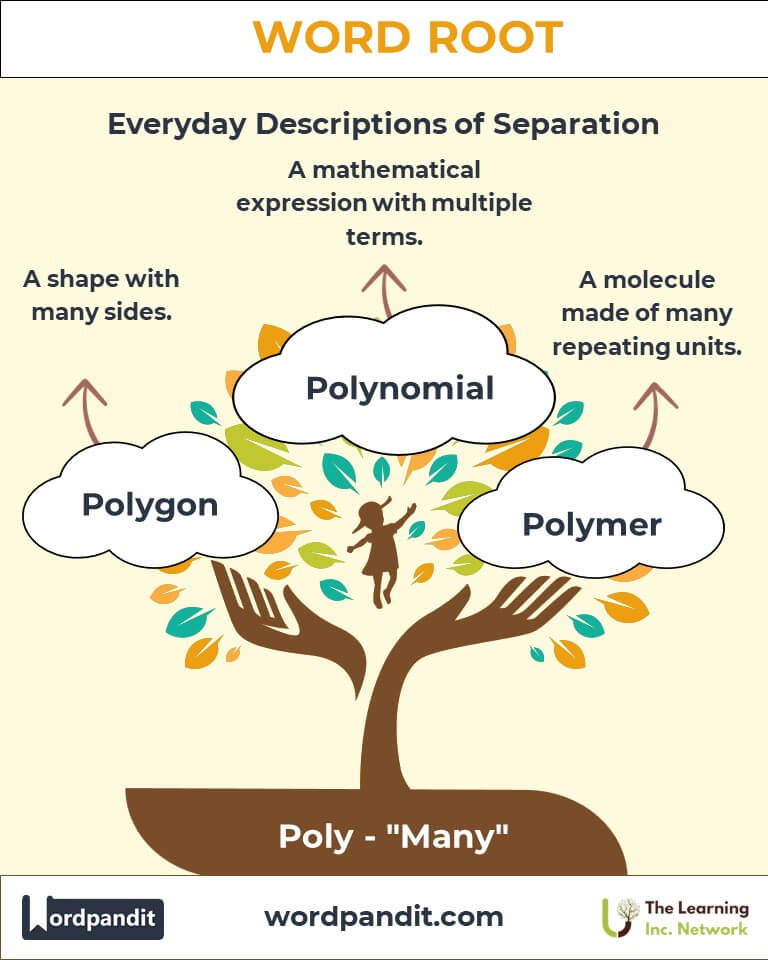
In the visual domain of technology, particularly in computer graphics, gaming, and virtual reality, polygonal models are the foundational building blocks of three-dimensional objects. These objects are constructed from a multitude of polygons, typically triangles or quadrilaterals, which are then rendered to create the illusion of depth and form on a two-dimensional screen.
- The Nature of Polygonal Meshes: A polygonal model is essentially a mesh of vertices, edges, and faces (polygons). The more polygons used to represent an object, the more detailed and realistic it can appear. However, this comes at a computational cost, requiring more processing power and memory.
- Balancing Detail and Performance: Game developers and 3D artists constantly work to find the right balance between visual fidelity and performance. Techniques like level of detail (LOD) are employed, where simpler polygonal models are used for objects further away from the viewer, and more complex ones are used for objects up close. This optimization is crucial for delivering smooth frame rates in real-time applications.
- Impact on Virtual and Augmented Reality: The fidelity of polygonal models is directly linked to the immersion and realism experienced in virtual reality (VR) and augmented reality (AR) applications. As hardware capabilities advance, so too does the complexity of polygonal models, leading to increasingly lifelike virtual environments and digital objects overlaid onto the real world.
Polysomnography and Health Technology
While not a direct technology in itself, polysomnography (PSG), the medical study of sleep, has seen significant technological integration. The term “poly” in this context refers to the multitude of physiological signals that are simultaneously recorded and analyzed during a sleep study.
- Comprehensive Data Collection: PSG involves monitoring a wide array of bodily functions, including brain waves (electroencephalogram or EEG), eye movements (electrooculogram or EOG), muscle activity (electromyogram or EMG), heart rate and rhythm (electrocardiogram or ECG), breathing patterns, blood oxygen levels, and more. The prefix “poly” aptly captures this comprehensive, multi-signal approach to understanding sleep.
- Technological Advancements in Sleep Monitoring: Modern polysomnography relies on sophisticated sensors, data acquisition systems, and advanced analytical software. Wearable devices are increasingly being developed to offer simplified, home-based sleep monitoring, though clinical-grade PSG remains the gold standard for diagnosing sleep disorders.
- AI and Machine Learning in Sleep Analysis: The sheer volume of data generated by polysomnography presents an ideal scenario for the application of artificial intelligence and machine learning. AI algorithms are being developed to automatically detect sleep stages, identify abnormal events like apneas, and provide more personalized insights into sleep health. This technological synergy is revolutionizing the diagnosis and treatment of sleep disorders.
Poly as a Foundation for Future Innovations
The prefix “poly” not only describes existing technologies but also hints at the direction of future development, emphasizing integration, diversity, and expanded capabilities. As technology continues to evolve, the principle of “many” will remain a driving force.
Poly-Interfaces and Extended Reality (XR)
The convergence of virtual reality (VR), augmented reality (AR), and mixed reality (MR) is often referred to as Extended Reality (XR). The “poly” aspect here can be seen in the diverse inputs, outputs, and experiences that these technologies aim to provide, creating a more immersive and interactive digital environment.
- Multi-Sensory Engagement: XR experiences aim to engage multiple human senses, going beyond just sight and sound to potentially include haptics (touch), and even smell. The “poly” suggests a rich tapestry of sensory information being synthesized and delivered to the user.
- Interoperability and Integration: The future of XR likely involves a high degree of interoperability, where digital assets and experiences can seamlessly transition between different platforms and devices. This “poly-interface” approach will allow for a more unified and expansive digital realm.
- Applications Across Industries: From entertainment and education to professional training and remote collaboration, the “poly” nature of XR, with its ability to blend digital and physical realities in myriad ways, promises to revolutionize how we interact with information and each other.

Polymathic Skills in the Digital Age
In the context of human capital within the tech industry, the term polymath describes individuals with broad knowledge and expertise across many different fields. While not a prefix directly applied to a technology, the concept of “poly” is increasingly relevant to the skills required to thrive in the modern tech landscape.
- The Need for Cross-Disciplinary Expertise: The increasing interconnectedness of technologies means that experts are often required to have a wider range of understanding. A software engineer might need to understand UI/UX principles, a data scientist might need to grasp cloud infrastructure, and a cybersecurity analyst might benefit from understanding business processes.
- Adaptability and Continuous Learning: The rapid pace of technological change necessitates a polymathic approach to skill development. Individuals who are adaptable, curious, and committed to continuous learning across multiple disciplines are best positioned to navigate and innovate in this dynamic environment.
- Team Synergy: Even within specialized teams, a polymathic mindset among team members can foster better communication, problem-solving, and innovation. When individuals can draw on diverse perspectives and knowledge bases, they can collectively achieve more sophisticated outcomes.
In conclusion, the prefix “poly,” meaning “many,” is a fundamental descriptor in the lexicon of technology. From the intricate, multi-language structures of software to the distributed nature of networks, the complex rendering of 3D graphics, and the comprehensive data collection in health tech, “poly” consistently signifies multiplicity, diversity, and an expansive approach to problem-solving. As technology continues its relentless march forward, the principle of “many” will undoubtedly remain a guiding force, shaping the development of more integrated, versatile, and powerful innovations that redefine our digital experiences. Understanding this simple, yet profound, prefix unlocks a deeper appreciation for the complexity and ingenuity that characterize the technological world around us.
aViewFromTheCave is a participant in the Amazon Services LLC Associates Program, an affiliate advertising program designed to provide a means for sites to earn advertising fees by advertising and linking to Amazon.com. Amazon, the Amazon logo, AmazonSupply, and the AmazonSupply logo are trademarks of Amazon.com, Inc. or its affiliates. As an Amazon Associate we earn affiliate commissions from qualifying purchases.