
In the realm of personal finance, travel often represents one of the largest discretionary expenditures an individual or family will face. Unlike a fixed monthly mortgage or a predictable utility bill, the cost of airfare is notoriously volatile, fluctuating based on complex algorithms, global economic shifts, and consumer demand. For the financially savvy traveler, learning when to purchase flights is not merely about finding a “deal”—it is an exercise in strategic asset management and capital preservation.
To optimize your travel budget, you must look beyond the old myths of “booking on a Tuesday” and instead understand the macroeconomic forces and financial tools that govern the aviation industry. By treating flight purchases as a high-stakes financial decision, you can significantly lower your cost of living while maximizing the experiential return on your investment.
1. The Macroeconomics of Airfare: Understanding Dynamic Pricing
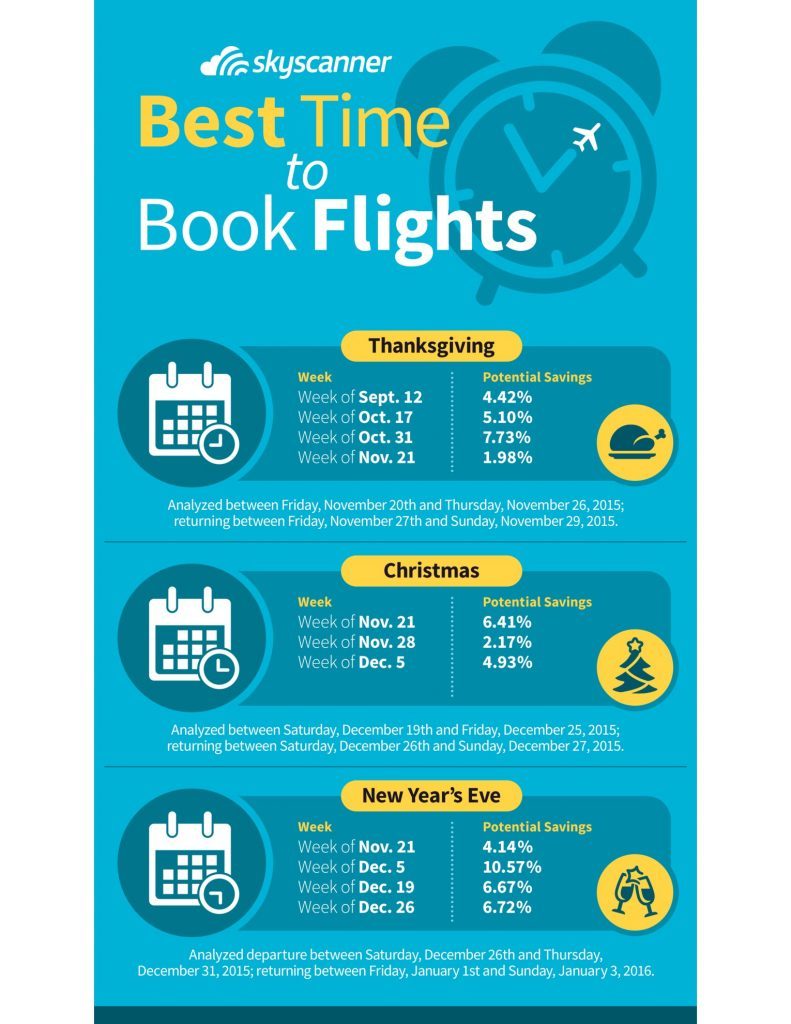
To master the timing of a purchase, one must first understand the “Revenue Management Systems” used by airlines. These are sophisticated financial models designed to maximize the yield per seat. Understanding these systems allows a consumer to predict when prices are likely to dip and when they are positioned to skyrocket.
The Principle of Load Factor
Airlines operate on thin margins, and their primary goal is to reach a “break-even” load factor as early as possible. In the initial phases of a flight’s lifecycle, prices are often set at a baseline. As the departure date approaches and the plane fills up, the remaining seats become “scarce assets,” and the price increases exponentially. From a financial perspective, you are competing against other buyers in a real-time auction. Purchasing during the period where the airline is still trying to hit its baseline load factor is the most effective way to secure a lower price.
Seasonal Arbitrage and Demand Cycles
Just as stock markets have seasonal trends, the travel market operates on predictable cycles. Purchasing a flight during a “shoulder season”—the period between peak and off-peak travel—is the ultimate financial arbitrage. For example, traveling to Europe in late September rather than July can result in a 40% reduction in airfare costs. For the disciplined budgeter, aligning your travel schedule with these low-demand cycles is the most impactful way to protect your net worth while still enjoying global mobility.
2. The “Golden Window”: Timing Your Purchase for Maximum ROI
In personal finance, “timing the market” is often discouraged, but in the world of airfare, timing is everything. Data suggests there is a specific “Golden Window” for both domestic and international travel where the probability of hitting the lowest price point is highest.
Domestic vs. International Booking Windows
For domestic flights within the same continent, the financial sweet spot generally falls between 28 and 60 days before departure. Booking too early (six months out) can actually be detrimental, as airlines have not yet released their promotional fares. Conversely, booking within 21 days of departure places you in the “business traveler” category—a demographic that airlines know is price-insensitive, leading to a massive spike in costs.
For international travel, the window shifts significantly. Because the capital outlay is higher, the financial planning period must be longer. The optimal window is typically 3 to 7 months in advance. For those planning high-cost trips to Asia or Africa, monitoring the price starting eight months out allows you to establish a “strike price”—the specific dollar amount at which you are willing to commit your capital.
The Myth of the “Cheap Tuesday”
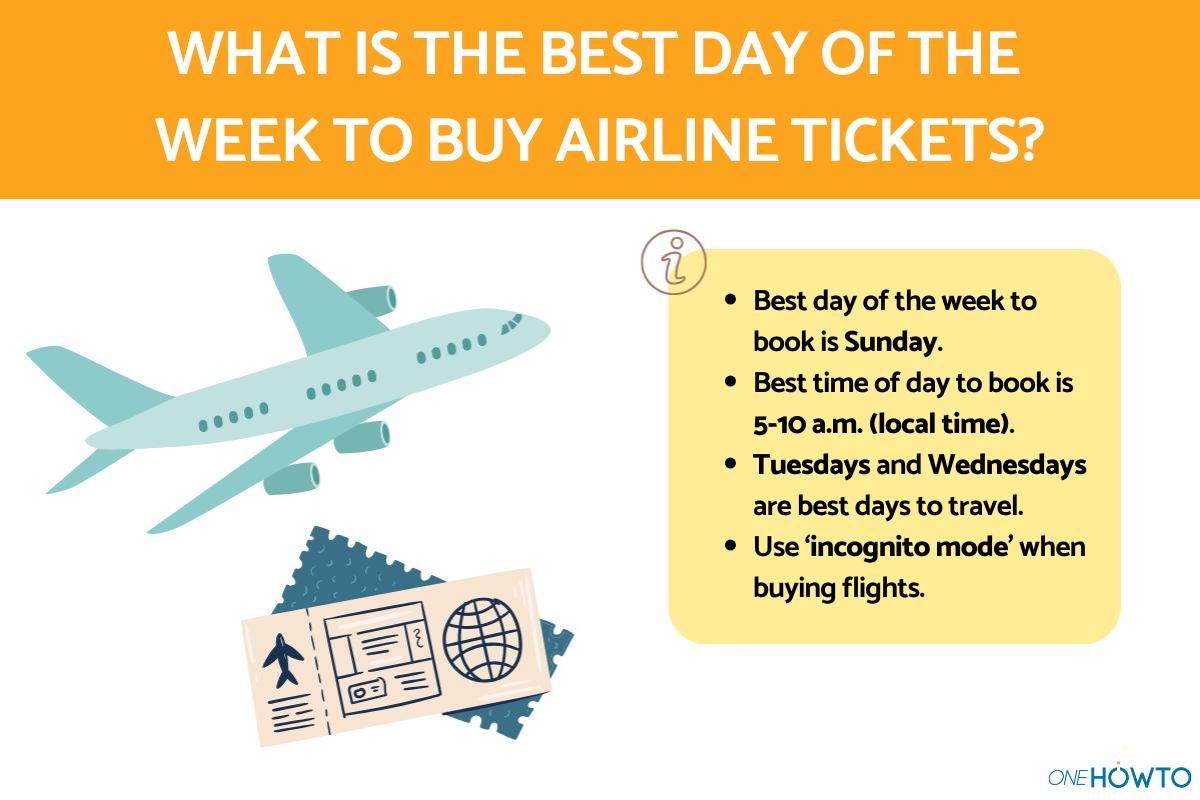
A common piece of outdated financial advice is that booking on a Tuesday afternoon results in lower prices. While this was true a decade ago when airlines manually updated their databases, modern AI-driven pricing updates every few minutes. The day you fly matters much more than the day you buy. Mid-week departures (Tuesdays and Wednesdays) are consistently cheaper than Friday or Sunday departures. From a financial management perspective, being flexible with your “holding period” (the days you are away) can save you more money than the specific timing of the transaction itself.
3. Leveraging Financial Tools and Travel Arbitrage
Sophisticated investors use tools to manage their portfolios; travelers should do the same. Modern financial technology has provided consumers with a suite of tools that can automate the search for value and protect against price drops.

Price Tracking as a Defensive Strategy
Using financial tools like Google Flights or specialized price-prediction apps acts as a limit order in the stock market. By setting a “price alert,” you are essentially telling the market: “I am interested in this asset, but only at this specific valuation.” This removes the emotional impulse to buy out of “FOMO” (Fear Of Missing Out) and ensures that your purchase is data-driven rather than anxiety-driven.
The Role of Credit Card Rewards and Points
In the niche of personal finance, travel hacking via credit card rewards is a form of “alternative income.” When you earn 5x points on travel or use a large sign-up bonus to fund a flight, your “out-of-pocket” cost drops to near zero. The best time to purchase a flight is often when you have reached a specific rewards milestone.
However, one must calculate the “Value per Point” (VPP). If a flight costs $500 or 50,000 points, the value is 1 cent per point—a poor investment. If the same flight costs 20,000 points, the value is 2.5 cents per point, representing a high-yield use of your digital assets. Treating points as a currency requires the same level of scrutiny as any other financial investment.
Currency Arbitrage and Location Spoofing
A more advanced financial tactic involves “Point of Sale” arbitrage. Sometimes, purchasing a ticket through an airline’s version of a website in a different country (e.g., using the Mexican version of a site to buy a ticket in Pesos) can result in a lower price due to currency fluctuations and regional pricing strategies. While this requires a credit card with no foreign transaction fees, it is a legitimate way to leverage global currency markets to your advantage.
4. Psychological Finance: Avoiding Impulse Buys and Hidden Costs
Every financial decision is influenced by psychology. Airlines use “dark patterns” and scarcity tactics (e.g., “Only 2 seats left at this price!”) to induce a state of urgency. Mastering the “Money” aspect of travel means maintaining emotional discipline.
The Total Cost of Ownership (TCO)
A “cheap” $200 flight can quickly become a $400 liability when you factor in baggage fees, seat selection, and airport transfers. In business finance, we look at the Total Cost of Ownership. When comparing flights, you must normalize the data. A legacy carrier that includes a bag for $300 is a better financial decision than a budget carrier that charges $150 for the seat and $160 for various add-ons. Always calculate the “all-in” cost before hitting the purchase button.
Avoiding Dynamic Profiling
There is evidence to suggest that airlines and booking engines use your digital footprint to influence pricing—a concept known as dynamic profiling. If you have searched for the same flight five times in one hour, the system recognizes your high intent and may keep the price high. Using “Incognito” mode or a clean browser session is a basic defensive financial practice to ensure you are seeing the market price, not a price customized to your perceived desperation.
5. Long-term Budgeting and Sinking Funds for Travel
The most financially responsible way to handle flight purchases is to remove them from your “emergency” or “monthly” spending and move them into a dedicated “Sinking Fund.”
Budgeting for Seasonality
If you know you travel to see family every December, the “best time” to purchase is actually a year-long process of saving. By setting aside $50 a month into a high-yield savings account specifically for that flight, you avoid the high-interest debt that often comes with last-minute holiday bookings.
The Opportunity Cost of Waiting
Sometimes, the best financial move is to buy now, even if you think the price might drop $20 next week. The “opportunity cost” of losing the flight entirely or seeing it jump by $200 far outweighs the potential $20 gain. In finance, this is known as “securing the floor.” Once a flight hits your pre-determined budget range, execute the trade. The peace of mind and the ability to lock in your logistics has a tangible value that contributes to your overall financial well-being.
Conclusion: The Disciplined Approach to Travel Spending
Determining when to purchase flights is less about luck and more about the application of sound financial principles. By understanding the dynamics of the aviation market, utilizing tracking tools to act as your “financial advisors,” and maintaining the discipline to look at the total cost of ownership, you can transform travel from a chaotic expense into a well-managed part of your financial portfolio.
Ultimately, the best time to purchase a flight is when the price aligns with your calculated “strike price,” your rewards points offer maximum leverage, and your sinking fund is prepared to cover the cost without impacting your long-term investment goals. Travel is an investment in your personal growth and global perspective; treat the purchase of the “entry ticket”—the flight—with the same rigor you would apply to any other significant financial asset.
aViewFromTheCave is a participant in the Amazon Services LLC Associates Program, an affiliate advertising program designed to provide a means for sites to earn advertising fees by advertising and linking to Amazon.com. Amazon, the Amazon logo, AmazonSupply, and the AmazonSupply logo are trademarks of Amazon.com, Inc. or its affiliates. As an Amazon Associate we earn affiliate commissions from qualifying purchases.