
In the realm of personal finance, travel is often categorized as a discretionary expense—a luxury that sits at the mercy of one’s remaining monthly surplus. However, for the financially savvy, the quest for the “cheapest flight” is not merely about finding a low number on a screen; it is an exercise in capital allocation, market arbitrage, and strategic asset management. Understanding how to secure the lowest possible airfare requires a deep dive into the microeconomics of the airline industry and the sophisticated financial tools available to the modern consumer.
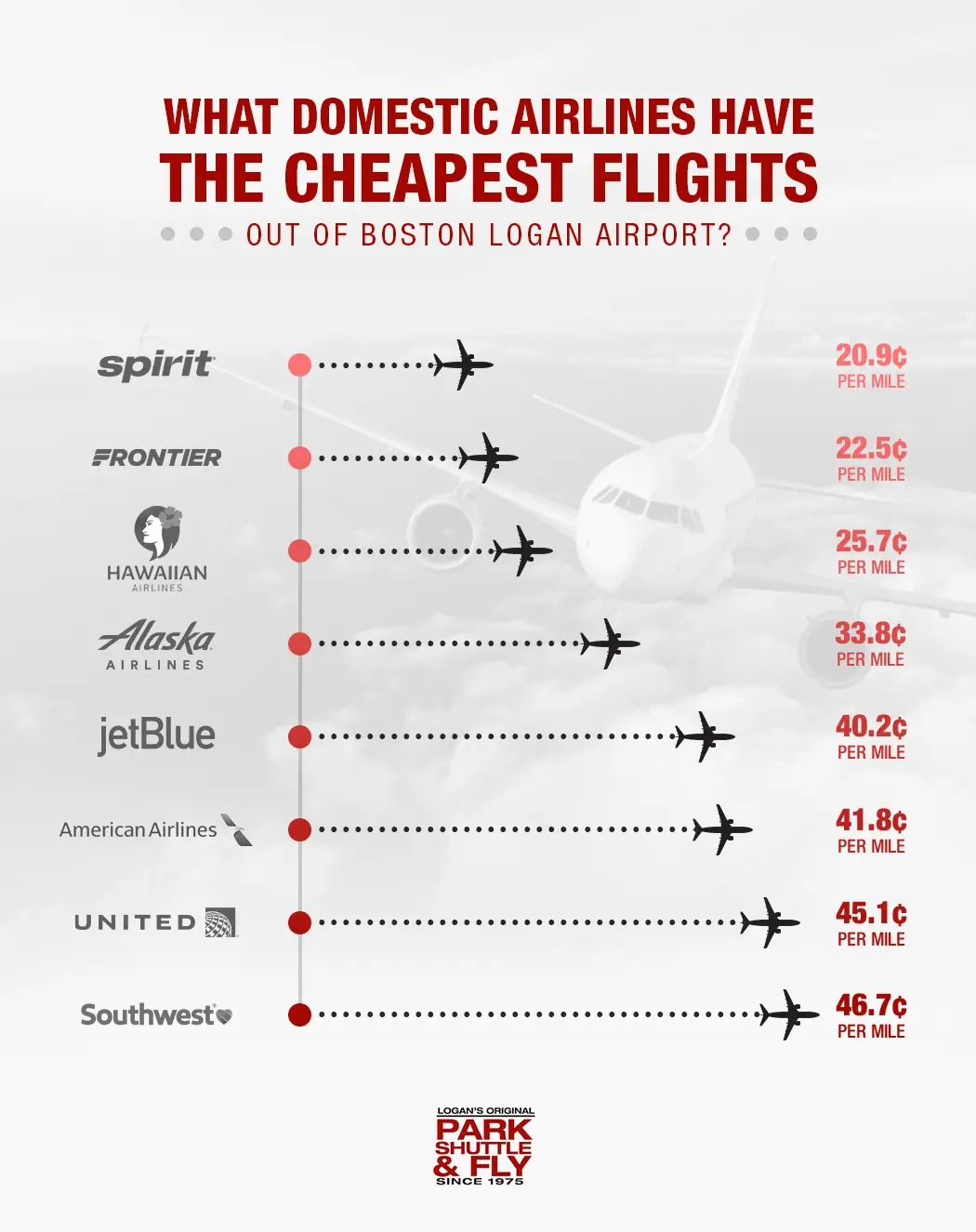
To find the cheapest flight is to understand the intersection of dynamic pricing algorithms and personal liquidity. It is a pursuit that transforms a standard purchase into a high-ROI (Return on Investment) activity. This article explores the financial strategies, tools, and economic principles necessary to minimize travel expenditures while maximizing the value of every dollar spent.
The Macroeconomics of Airfare Pricing
The price of a flight is never static. Unlike consumer goods with fixed margins, airline seats are “perishable inventory.” Once a plane takes off, the value of an empty seat drops to zero. To mitigate the risk of unsold inventory, airlines employ some of the most sophisticated dynamic pricing models in the global economy.
Dynamic Pricing Algorithms and Market Volatility
Airlines utilize complex algorithms that adjust prices in real-time based on thousands of variables, including historical data, competitor pricing, remaining capacity, and even the local weather. From a financial perspective, airfare behaves more like a commodity or a stock than a retail product. Understanding this volatility is the first step in price optimization.
When searching for the cheapest flight, the goal is to enter the market at a point of high supply and low demand. Financially, this often translates to booking “shoulder seasons”—the periods between peak holiday travel and low-interest off-seasons. By analyzing the market as a fiscal cycle, travelers can predict when the “dip” in pricing will occur, allowing them to buy their “assets” (tickets) at the lowest possible entry point.
Supply and Demand Cycles in Aviation
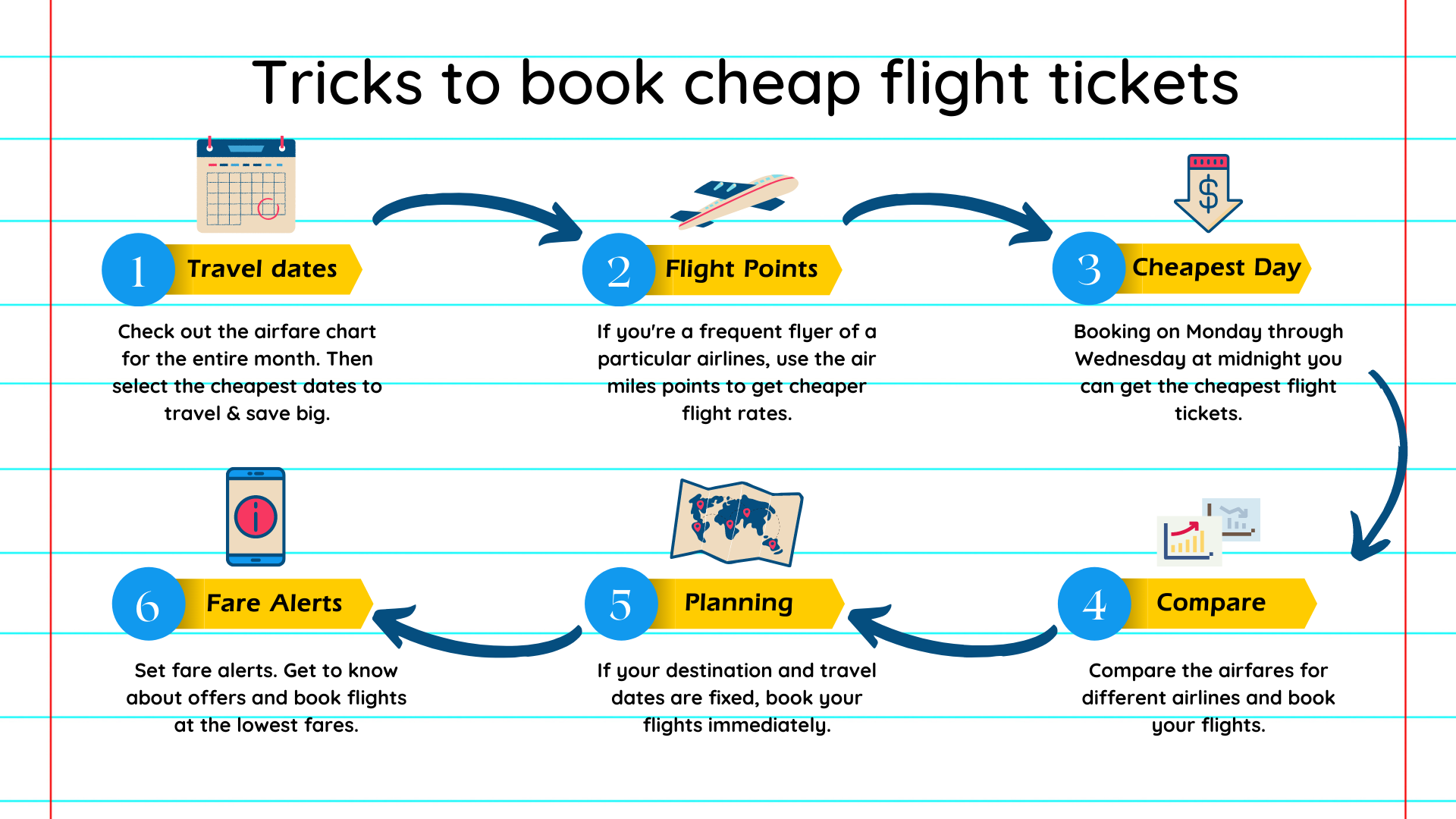
The aviation industry operates on razor-thin margins. Fuel costs, labor contracts, and maintenance are fixed overheads that must be covered before a single cent of profit is realized. Consequently, when demand is low, airlines are forced to lower prices to cover their operating costs. For the budget-conscious traveler, identifying these cycles is a form of geographic arbitrage. By flying on Tuesdays or Wednesdays—days with lower business travel demand—one can often secure fares that are 20% to 40% lower than weekend prices. This is a simple but effective strategy for capital preservation.
Strategic Financial Tools for Travel Arbitrage
In the modern financial landscape, paying “cash” (or its digital equivalent) for a flight is often the least efficient way to travel. The most successful financial strategists use a variety of tools to offset costs, effectively lowering the “net price” of a flight to near zero.
Leveraging Credit Card Rewards and Points
One of the most powerful side hustles in personal finance is “travel hacking”—the strategic accumulation and redemption of credit card points and airline miles. In this context, points are a form of alternative currency. By routing daily expenses through high-yield reward cards, a consumer can generate a “rebate” on their standard cost of living.
For example, a card that offers 3x points on dining and groceries effectively provides a 3-5% discount on those categories when those points are redeemed for high-value international flights. When seeking the cheapest flight, the savvy individual calculates the “cents per point” (CPP) value. If a flight costs $500 or 25,000 miles, the value is 2 cents per point. If the market value of those points is higher, it is a sound financial move to use the points rather than cash, preserving liquid capital for other investments.
The Hidden Value of Companion Passes and Elite Status
For those who travel frequently for business, airline loyalty programs serve as a form of “deferred compensation.” Programs like the Southwest Companion Pass allow a designated person to fly for free (plus taxes) every time you book a flight. In terms of business finance, this effectively cuts the cost of travel in half for a household or a small business partnership.
Elite status, while often viewed through the lens of luxury, is actually a tool for risk mitigation and cost avoidance. Complimentary upgrades, waived baggage fees, and priority rebooking during cancellations save significant amounts of capital over a fiscal year. When calculating the “cheapest flight,” one must include these “hidden” savings to understand the true total cost of the journey.
The Cost-Benefit Analysis of Budget vs. Legacy Carriers
A common mistake in personal finance is focusing on the “sticker price” rather than the “total cost of ownership” (TCO). In the airline industry, this distinction is critical when comparing Ultra-Low-Cost Carriers (ULCCs) like Spirit or Ryanair with legacy carriers like Delta or Lufthansa.
Calculating the Total Cost of Ownership for a Ticket
A $29 flight might seem like the cheapest option on a comparison engine, but a rigorous financial analysis often proves otherwise. ULCCs unbundle their services, charging for carry-on bags, seat assignments, and even water.
When performing a cost-benefit analysis, a traveler must add:
- Ancillary Fees: Baggage, seat selection, and boarding priority.
- Logistical Costs: Budget airlines often fly into secondary airports (e.g., Beauvais instead of Charles de Gaulle in Paris), which increases the cost of ground transportation and the “opportunity cost” of time.
- Reliability Risk: Legacy carriers often have larger fleets and more frequent flights, reducing the financial impact of a cancellation.
If the “total cost” of the $29 flight ends up being $110 after fees and transport, while a legacy carrier offers a $130 all-inclusive fare, the legacy carrier might actually be the better financial choice when factoring in the time-value of money and peace of mind.
Insurance and Financial Risk Mitigation
Travel is inherently unpredictable. From a financial perspective, a non-refundable “cheap” flight is a high-risk asset. If an emergency arises and you cannot fly, 100% of that capital is lost. Savvy travelers mitigate this risk by using credit cards that offer built-in trip cancellation insurance or by purchasing independent travel insurance. This “hedging” ensures that a small investment (the insurance premium) protects the larger capital outlay of the trip. In the world of finance, protecting the downside is just as important as finding the lowest price.
Practical Strategies for Capital Preservation
Beyond the tools and theory, there are specific, actionable strategies that fall under the umbrella of “market inefficiencies.” These are the “side hustles” of the airfare world that allow individuals to find prices that shouldn’t technically exist.
Error Fares and Market Inefficiencies
Occasionally, due to human error or a glitch in a global distribution system (GDS), a flight that should cost $1,200 is listed for $120. These are known as “error fares.” Finding these requires monitoring specialized financial feeds and being ready to deploy capital instantly. While airlines are not always legally required to honor these fares, many do for the sake of brand reputation. Securing an error fare is the ultimate form of travel arbitrage—buying a premium service at a 90% discount.
Seasonal and Geographic Arbitrage
Geographic arbitrage involves taking advantage of price differences in different markets. For instance, booking a “round-the-world” ticket starting in a country with a weaker currency or lower demand can save thousands of dollars compared to booking the same itinerary starting in London or New York.
Furthermore, “Hidden City Ticketing” is a controversial but effective financial strategy. This involves booking a flight with a layover in your actual destination and simply skipping the second leg because the multi-city flight was cheaper than the direct one. While this carries risks (such as airline account suspension), it highlights the illogical nature of airline pricing and the opportunities for those willing to study the system’s flaws to save money.

Conclusion: The Wealth-Building Potential of Smart Travel
Finding the cheapest flight is not an act of frugality; it is an act of financial intelligence. By viewing airfare through the lens of personal finance and economic strategy, individuals can see the world without depleting their investment portfolios.
The money saved on a single international flight—if diverted into a diversified index fund—can grow significantly over time. For example, saving $500 on a flight and investing it with a 7% annual return would result in nearly $2,000 after 20 years. In this light, the quest for the cheapest flight is an integral part of a long-term wealth-building strategy.
By mastering dynamic pricing cycles, leveraging financial tools like credit card rewards, and performing rigorous cost-benefit analyses, the modern traveler can transform travel from a major expense into a manageable, optimized line item in their financial plan. The “cheapest flight” is not just a bargain; it is a testament to one’s ability to navigate the complex financial systems of the 21st century.
aViewFromTheCave is a participant in the Amazon Services LLC Associates Program, an affiliate advertising program designed to provide a means for sites to earn advertising fees by advertising and linking to Amazon.com. Amazon, the Amazon logo, AmazonSupply, and the AmazonSupply logo are trademarks of Amazon.com, Inc. or its affiliates. As an Amazon Associate we earn affiliate commissions from qualifying purchases.