
The landscape of mental healthcare is evolving, and with it, the understanding of the professionals who provide these crucial services. In an era where digital platforms are increasingly integrated into every facet of our lives, including our well-being, recognizing the qualifications of mental health providers is more important than ever. Among the various credentials in this field, “LMHC” is one that frequently appears. This article aims to demystify this designation, explaining precisely what LMHC stands for and exploring its significance, particularly within the context of technology and its impact on mental health services.
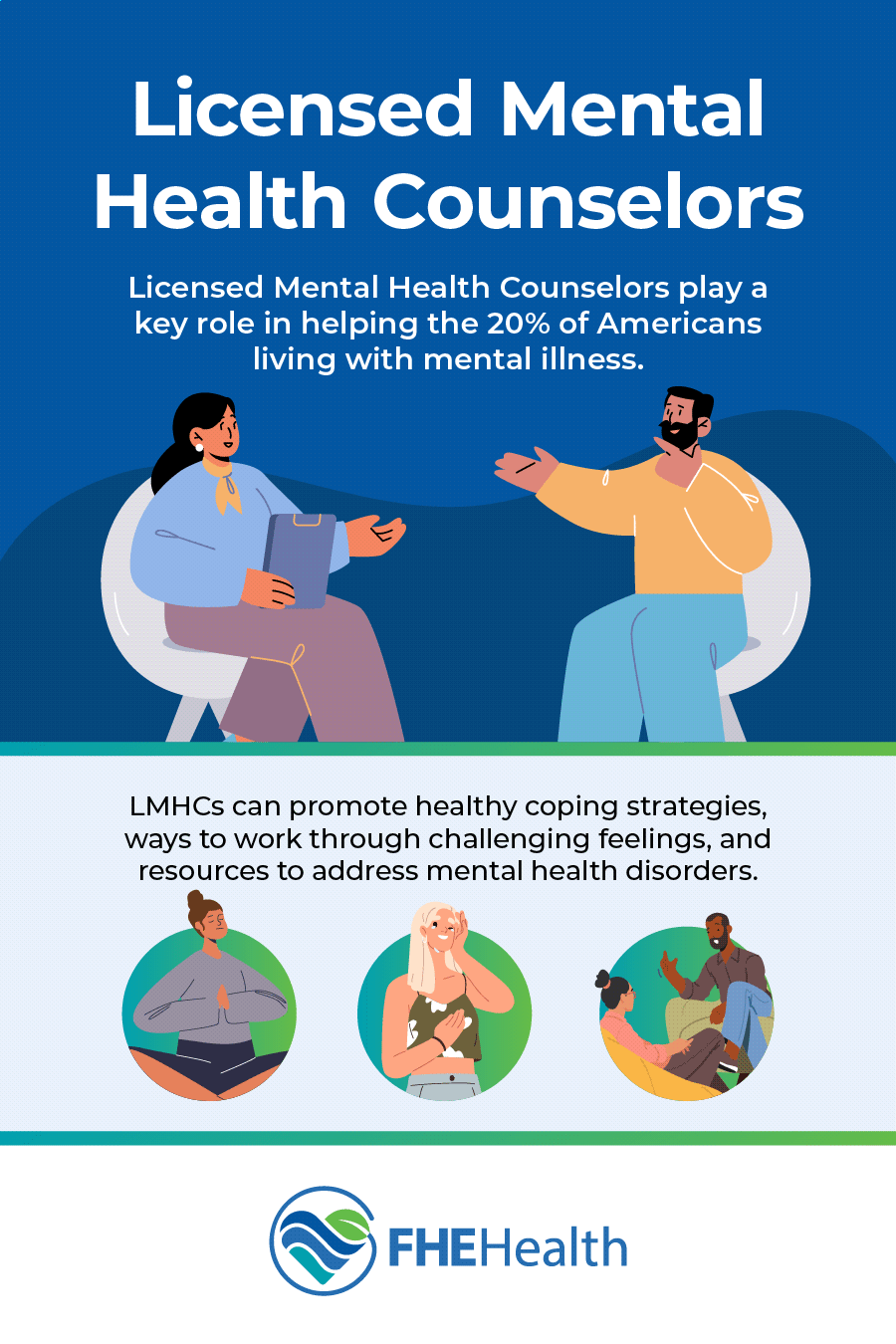
The increasing reliance on technology for accessing support, from telehealth appointments to AI-driven mental wellness apps, necessitates a clear understanding of who is qualified to offer guidance and therapeutic intervention. Knowing the meaning behind credentials like LMHC empowers individuals to make informed decisions about their mental health journey and to trust the professionals they engage with, whether in-person or online.
Understanding the LMHC Designation: Core Competencies and Ethical Frameworks
At its core, LMHC is an acronym that signifies a significant professional achievement and a commitment to ethical practice in the field of mental health counseling. The “Licensed” aspect is paramount, indicating that an individual has met rigorous state-specific requirements for education, supervised experience, and examination. This licensure is not merely a title but a legal and professional endorsement, granting the holder the authority to practice mental health counseling independently.
The Pillars of LMHC Training: Education and Supervised Practice
To become a Licensed Mental Health Counselor (LMHC), individuals must first complete a master’s degree in counseling or a closely related field from an accredited institution. This foundational education typically encompasses a broad spectrum of theoretical orientations, psychological principles, and diagnostic approaches. Coursework delves into areas such as human development, psychopathology, theories of personality, group dynamics, multicultural counseling, and research methods.
Beyond the academic rigor of a master’s program, the supervised clinical experience is a critical component of LMHC training. This practical phase involves working directly with clients under the guidance of experienced, licensed mental health professionals. The hours of supervised practice are substantial and are designed to help the trainee hone their clinical skills, develop a professional identity, and learn to navigate the complexities of client care. This experience is crucial for translating theoretical knowledge into effective therapeutic interventions. The duration and specific requirements for supervised hours vary by state, but they consistently represent a significant investment in developing practical competency.
The Ethical Compass: Navigating Client Care with Integrity
The LMHC designation also underscores a profound commitment to ethical practice. Licensed professionals are bound by stringent ethical codes established by professional organizations, such as the American Counseling Association (ACA) or the National Board for Certified Counselors (NBCC), as well as state licensing boards. These codes provide a framework for responsible conduct, ensuring client welfare, confidentiality, informed consent, and professional boundaries are paramount.
In the context of evolving technologies, ethical considerations become even more nuanced. LMHCs must understand the implications of digital communication, data privacy, and the responsible use of AI in mental health. This includes ensuring secure platforms for telehealth, obtaining proper consent for electronic communication, and understanding the limitations and ethical concerns surrounding AI-driven therapeutic tools. The ethical framework guides LMHCs in their decision-making, ensuring they prioritize the well-being and trust of their clients above all else, even as the delivery of services adapts to technological advancements.
The LMHC in the Digital Ecosystem: Adapting to Technological Shifts
The advent and proliferation of technology have dramatically reshaped how mental health services are delivered and accessed. Licensed Mental Health Counselors (LMHCs) are not only adapting to these changes but are often at the forefront of integrating technology responsibly and effectively into their practice. This integration spans various aspects of client care, from initial outreach and assessment to ongoing therapy and support.
Telehealth and Remote Counseling: Bridging the Geographical Divide
One of the most significant technological shifts in mental healthcare has been the widespread adoption of telehealth. This allows LMHCs to provide counseling services to clients remotely, utilizing secure video conferencing platforms, phone calls, and even secure messaging. This mode of delivery has proven invaluable, particularly for individuals in rural areas, those with mobility issues, or those who find it more convenient and less stigmatizing to seek help from the comfort of their own homes.
LMHCs providing telehealth services must adhere to the same ethical and professional standards as they would in an in-person setting. This includes ensuring client confidentiality through secure platforms, establishing clear communication protocols, and understanding the limitations of remote therapy, such as the inability to observe certain non-verbal cues. The efficacy of telehealth has been widely studied, and when implemented correctly by licensed professionals, it offers a robust and accessible avenue for mental health support. The training and licensure of LMHCs equip them with the skills to navigate these virtual therapeutic relationships effectively, building rapport and trust despite the physical distance.
Digital Tools and Resources: Enhancing Therapeutic Interventions
Beyond telehealth, LMHCs are increasingly leveraging a variety of digital tools and resources to augment their therapeutic practice. These can include a range of applications and platforms designed for mood tracking, journaling, mindfulness exercises, and psychoeducation. While these tools are generally not a substitute for direct therapy, they can serve as powerful complements, empowering clients with self-monitoring capabilities and providing them with actionable strategies to implement between sessions.
For example, an LMHC might recommend a mood-tracking app to help a client identify patterns in their emotional states or a guided meditation app to support a client struggling with anxiety. The role of the LMHC is crucial in guiding clients on how to use these tools effectively, interpreting the data they generate, and integrating this information into the therapeutic process. This judicious use of technology allows for a more dynamic and personalized approach to treatment, enhancing client engagement and promoting greater self-awareness and skill development. The LMHC’s expertise ensures that these digital resources are used in a way that supports, rather than detracts from, the therapeutic alliance.
The Rise of AI and Digital Mental Health Startups: Opportunities and Ethical Quandaries
The rapid advancements in Artificial Intelligence (AI) are also making their mark on the mental health landscape, with numerous startups developing AI-powered chatbots, diagnostic tools, and personalized mental wellness platforms. While these innovations hold promise for increasing access and offering scalable solutions, they also present complex ethical and practical considerations for licensed professionals.
LMHCs are increasingly called upon to evaluate the efficacy and ethical implications of these AI-driven tools. This includes understanding the algorithms, the data privacy practices of these platforms, and the potential for bias in AI-generated responses. The role of the LMHC in this evolving ecosystem is to provide a human element of empathy, critical judgment, and ethical oversight. They can help clients discern between AI-generated support and professional therapeutic intervention, ensuring that technology serves as an aid rather than a replacement for qualified human care. Furthermore, LMHCs can advocate for ethical AI development in mental health, ensuring that these tools are designed to complement, not compromise, the quality and safety of care. Their licensure and professional training provide the foundation for evaluating these new technologies and integrating them responsibly into the broader spectrum of mental health support.
The Future of LMHC Practice: Navigating Innovation and Ensuring Access
As technology continues its relentless march forward, the role of the Licensed Mental Health Counselor (LMHC) will undoubtedly continue to evolve. The integration of digital tools and platforms is not a fleeting trend but a fundamental shift in how mental health services are accessed and delivered. The challenge and opportunity for LMHCs lie in embracing these innovations while upholding the core principles of ethical practice, client well-being, and professional integrity.
Continuous Professional Development in a Digital World
The fast-paced nature of technological advancements necessitates a commitment to continuous professional development for LMHCs. Staying abreast of emerging digital tools, understanding cybersecurity best practices, and grasping the ethical considerations of new platforms are no longer optional but essential components of maintaining a relevant and effective practice. Licensing boards and professional organizations play a vital role in providing continuing education opportunities that focus on these technological aspects of mental health counseling.
LMHCs are increasingly seeking out training on topics such as digital therapeutics, the use of virtual reality in therapy, and the ethical use of social media for professional outreach. This proactive approach ensures that they are equipped to guide clients through the complexities of the digital age and to leverage technology in ways that enhance therapeutic outcomes. The ability to critically evaluate new technologies and to integrate them thoughtfully into their practice is a hallmark of a forward-thinking LMHC. This ongoing learning ensures that the expertise of LMHCs remains at the cutting edge, even as the tools and platforms of mental healthcare evolve.
Bridging the Digital Divide and Ensuring Equity
While technology offers immense potential for expanding access to mental health services, it also presents a risk of exacerbating existing inequalities. The “digital divide” – disparities in access to reliable internet, digital devices, and digital literacy – can prevent certain populations from benefiting from technologically enhanced mental healthcare. LMHCs have a responsibility to be aware of these disparities and to work towards equitable access.
This might involve advocating for accessible telehealth options, providing guidance on navigating digital platforms for clients who are less tech-savvy, or working with community organizations to improve digital infrastructure in underserved areas. The goal is to ensure that the benefits of technological advancements in mental health are available to all, regardless of socioeconomic status, geographical location, or digital proficiency. An LMHC’s commitment to their clients’ well-being extends to advocating for systemic changes that promote inclusivity and equal access to care in the digital realm.
The Enduring Value of the Human Connection
Despite the increasing reliance on technology, it is crucial to remember that the core of mental health counseling remains the human connection. The empathy, understanding, and therapeutic alliance fostered between an LMHC and a client are irreplaceable. Technology can enhance and expand this connection, but it cannot replicate the nuanced emotional understanding and the compassionate presence that a skilled counselor provides.
The LMHC designation signifies a professional dedicated to this human-centered approach, augmented by the tools and insights that modern technology can offer. As the field continues to integrate digital solutions, the fundamental importance of skilled, ethical, and compassionate human interaction will remain the bedrock of effective mental health care. The future of LMHC practice lies in skillfully weaving together the power of technology with the enduring strength of the human therapeutic relationship, ensuring that individuals receive the comprehensive and compassionate support they need to thrive.

Conclusion: The LMHC – A Licensed Professional for a Connected World
In summary, LMHC stands for Licensed Mental Health Counselor. This credential signifies a professional who has undergone rigorous academic training, extensive supervised clinical experience, and has met strict state licensing requirements. These professionals are bound by a strong ethical code, ensuring the safety, confidentiality, and well-being of their clients.
In today’s increasingly digital world, the role of the LMHC is more vital than ever. They are adept at navigating the evolving landscape of mental healthcare, skillfully integrating technology such as telehealth and various digital tools to enhance their practice and expand access to services. While embracing innovation, LMHCs remain committed to the core principles of empathy, ethical conduct, and the profound importance of the human connection in the therapeutic process. Understanding what LMHC stands for empowers individuals to seek out qualified professionals who can provide expert guidance and support, whether in a traditional setting or through the innovative modalities of the digital age. The LMHC is a cornerstone of accessible, ethical, and effective mental health care for the 21st century.
aViewFromTheCave is a participant in the Amazon Services LLC Associates Program, an affiliate advertising program designed to provide a means for sites to earn advertising fees by advertising and linking to Amazon.com. Amazon, the Amazon logo, AmazonSupply, and the AmazonSupply logo are trademarks of Amazon.com, Inc. or its affiliates. As an Amazon Associate we earn affiliate commissions from qualifying purchases.