
Travel is often one of the most significant discretionary expenses in a household budget. While many view airfare as a fixed cost dictated by the whims of the market, savvy financial planners recognize it as a variable expense that can be optimized through strategic timing, market arbitrage, and the sophisticated use of financial tools. Reducing the cost of flights is not merely about “finding a deal”; it is an exercise in personal finance management that requires understanding the economics of the aviation industry and leveraging your own capital—both liquid and credit-based—to maximize value.

To the disciplined investor or budget-conscious professional, every dollar saved on a flight is a dollar that can be redirected toward investments, retirement accounts, or higher-quality experiences at the destination. This guide approaches the pursuit of cheaper flights through the lens of financial optimization, providing a roadmap to mastering the “money” side of travel.
1. The Economics of Timing: Market Volatility and Purchase Windows
The airline industry utilizes some of the most complex dynamic pricing algorithms in the global economy. Prices fluctuate based on supply, demand, fuel futures, and consumer behavior. To secure the lowest price, one must understand the timing of these market fluctuations.
The Myth of Last-Minute Savings
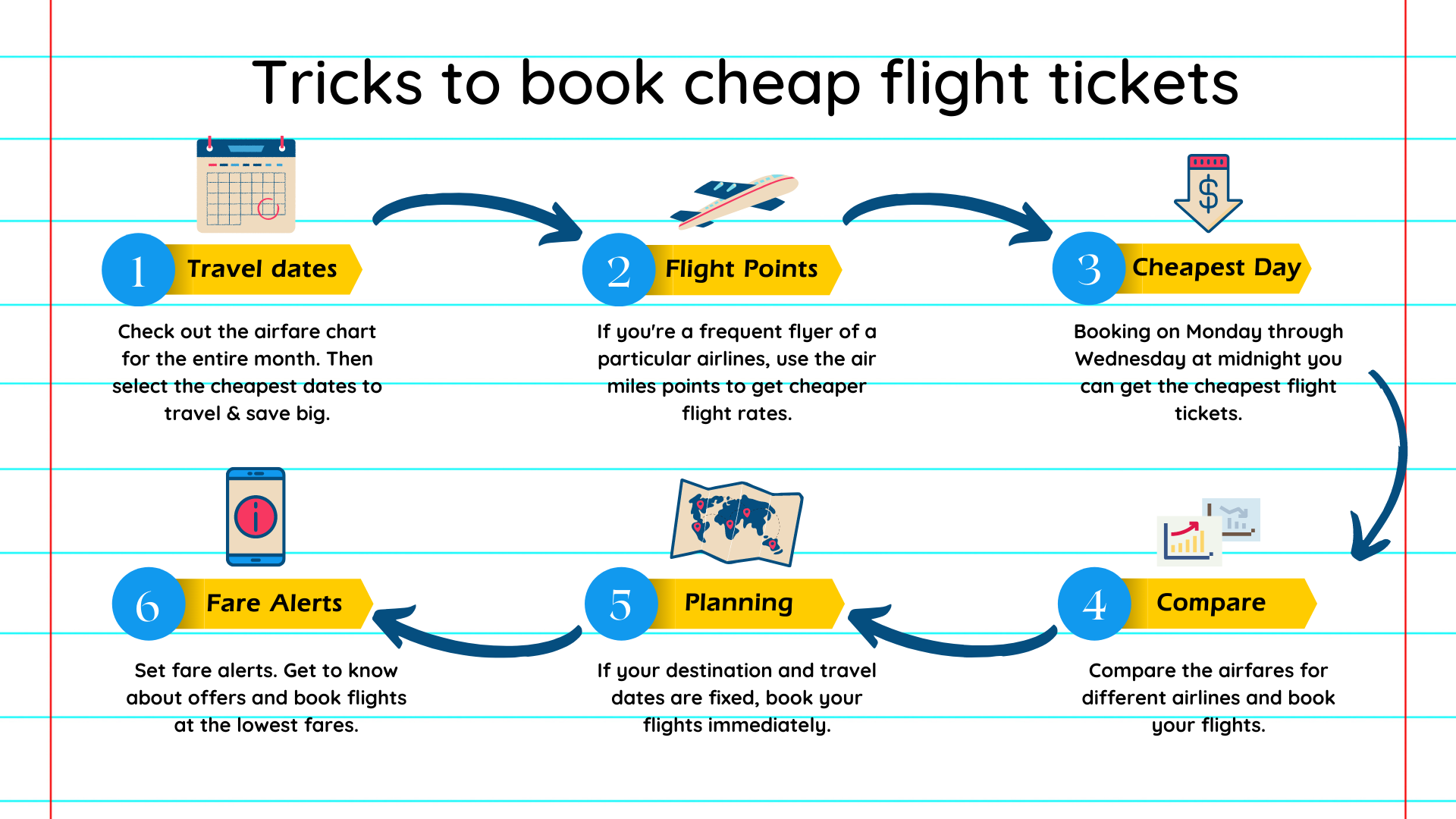
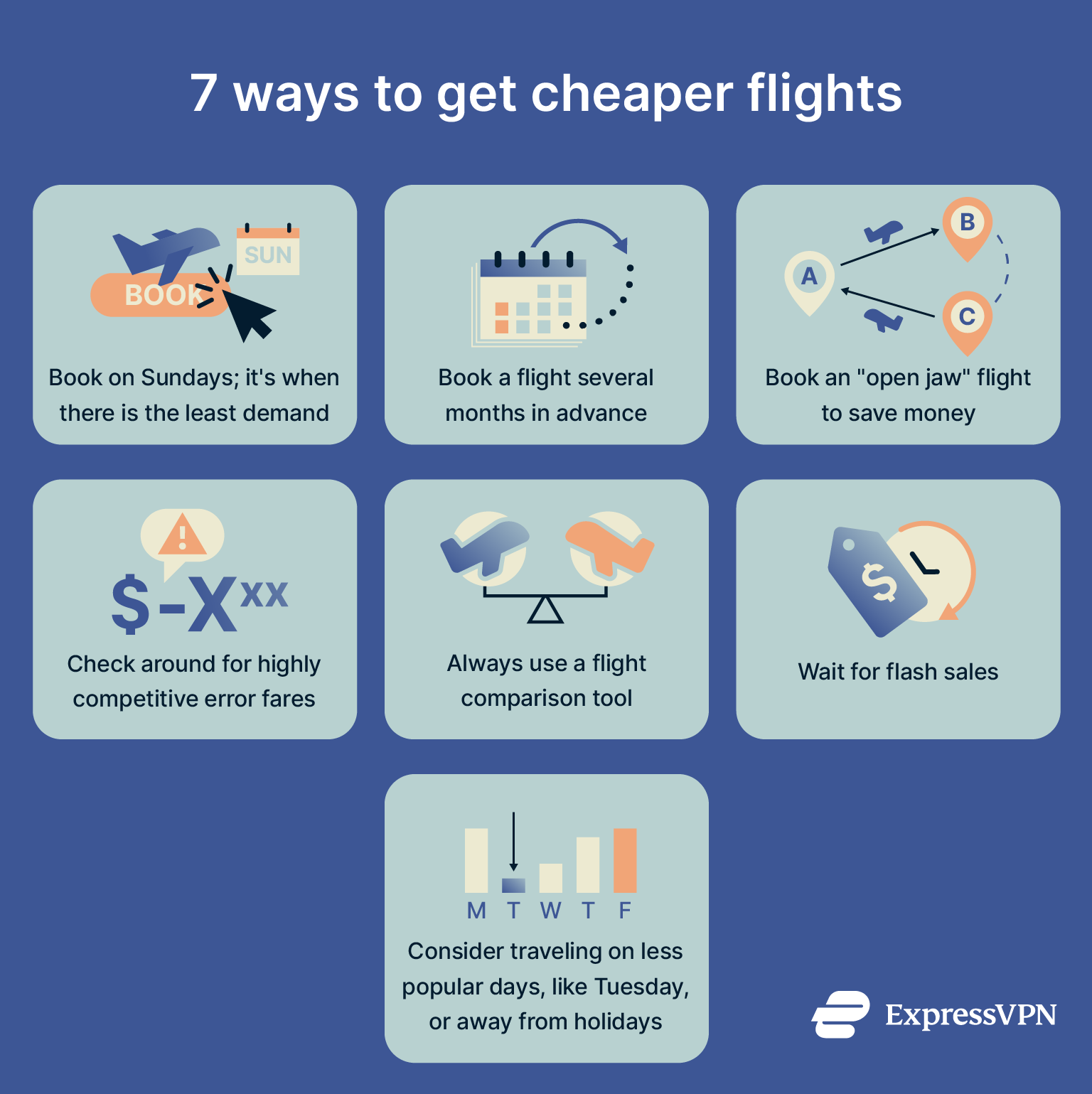
In the early days of commercial aviation, airlines often slashed prices at the last minute to fill empty seats. In the modern financial landscape, this is a rarity. Airlines now prioritize high-margin business travelers who book late and are willing to pay a premium for flexibility. From a financial planning perspective, “waiting and seeing” is a high-risk strategy with diminishing returns. Generally, the optimal booking window for domestic flights is 1 to 3 months in advance, while international travel requires a 2 to 8-month lead time. Treating airfare as a “futures contract” allows you to lock in a price before the scarcity of the “inventory” (seats) drives the price toward its ceiling.
Leveraging Mid-Week Value for Maximum ROI
The demand for air travel is cyclical, peaking during weekend transitions (Friday and Sunday). By shifting your travel schedule to mid-week—specifically Tuesdays and Wednesdays—you are effectively engaging in a form of market timing. Data consistently shows that mid-week flights can be 15% to 30% cheaper than weekend departures. When viewed as a percentage of total trip cost, this simple shift represents a significant improvement in your travel ROI. For those with flexible work-from-home arrangements or “digital nomad” lifestyles, this flexibility is a powerful financial asset.
Seasonal Hedging
Just as an investor hedges against market downturns, a traveler should hedge against seasonal price spikes. Traveling during the “shoulder season”—the period between peak and off-peak seasons—offers the best balance of cost and experience. Financially, the cost of a flight to Europe in July can be double the cost in late September. By choosing to travel when demand is lower, you are essentially purchasing the same “asset” (the flight) at a deep discount, simply by adjusting your timeline.
2. Maximizing Travel Rewards and Credit Arbitrage
In the realm of personal finance, credit is a tool that, when used responsibly, can yield significant dividends. Travel hacking—the art of using credit card rewards and frequent flyer programs—is perhaps the most effective way to lower the net cost of flights to near zero.
The ROI of Premium Travel Credit Cards
While many are deterred by the high annual fees of premium travel cards, a cost-benefit analysis often reveals a staggering return on investment. If a card carries a $550 annual fee but provides a $300 travel credit, lounge access (valued at $400), and a sign-up bonus worth $800 in airfare, the cardholder is effectively being paid to hold the card. These cards allow you to earn “points” on your everyday business and personal spending, which act as a secondary currency. When you redeem points for a flight, you are practicing a form of “spending arbitrage,” where your necessary expenses (groceries, utilities, rent) fund your luxury travel.
Understanding Transfer Partners and Value Multipliers
The true financial mastery of travel rewards lies in the transfer of points. Rather than booking through a bank’s travel portal at a fixed rate (e.g., 1 cent per point), sophisticated users transfer their points to airline partners. By doing this, it is possible to achieve a valuation of 2 or 3 cents per point, effectively doubling or tripling the value of your earned rewards. This requires an understanding of “award charts” and “partner alliances.” Treating your points as a portfolio of assets that need to be liquidated at the highest possible value is the hallmark of a financially literate traveler.
The Strategy of “Churning” and Sign-up Bonuses
For those with high credit scores and disciplined spending habits, “churning”—the practice of opening new credit cards specifically for the sign-up bonuses—can provide a massive influx of travel capital. A single sign-up bonus can often cover a round-trip international flight. However, this must be balanced against the potential impact on your credit utilization and the long-term health of your financial profile. When done correctly, it is one of the most efficient “side hustles” for reducing travel overhead.
3. Digital Tools as Financial Instruments
In the digital age, information is the most valuable currency. Utilizing the right tools allows you to gain transparency in an otherwise opaque market, ensuring that you never overpay for a flight.
Price Aggregators as Market Analyzers
Tools like Google Flights and Skyscanner should be viewed as financial terminals. They provide a comprehensive view of the global “ask price” for airfare. One of the most effective features for cost-saving is the “track prices” function. By setting up alerts, you are essentially placing a “limit order” on a flight. When the price drops to your desired range, you execute the purchase. This removes the emotional component of buying and relies on data-driven decision-making.
The “Hidden City” and Multi-City Strategy
A more advanced financial tactic involves “hidden city” ticketing, where a traveler books a flight with a layover in their actual destination and simply exits the airport at the connection point. While this carries certain risks (such as only being able to bring a carry-on and potential airline repercussions), it exploits a quirk in airline hub-and-spoke pricing where a longer flight is often cheaper than a direct one. From a pure cost-savings perspective, this is a form of price discrimination bypass. Similarly, booking “open-jaw” flights (flying into one city and out of another) can often reduce total transit costs by eliminating the need for expensive regional backtracking.
Subscription Services and Deal Alerts
For the passive saver, subscription services that monitor “mistake fares” or massive price drops provide an incredible service. These services act like a stock ticker for travel deals. When an airline accidentally lists a $1,200 flight for $400 due to a currency conversion error or a technical glitch, these tools alert you immediately. The financial gain from a single “mistake fare” can pay for years of subscription fees, representing a high-alpha investment in your travel budget.
4. Geographic Arbitrage and Currency Play
The price of a flight often depends on where you are—or where the airline thinks you are—when you make the purchase. This opens the door for geographic arbitrage.
Using VPNs to Combat Price Discrimination
Airlines often practice “regional pricing,” where a flight booked from a high-income country like the U.S. is priced higher than the same flight booked from a lower-income country. By using a Virtual Private Network (VPN) to change your IP address to a different country, you can sometimes access these lower localized rates. While this is a technological tool, the underlying principle is a financial one: bypassing price discrimination to secure the “fair market value” of the seat in a different economic theater.
Paying in Local Currencies
When booking flights on international carriers, you are often given the choice to pay in your home currency (e.g., USD) or the airline’s local currency (e.g., EUR or THB). Many travelers choose their home currency for convenience, but this often includes a hidden “convenience fee” via a poor exchange rate offered by the airline. By choosing to pay in the local currency and using a credit card with no foreign transaction fees, you ensure that the currency conversion is handled by your bank at the interbank rate, saving you an average of 3% to 5% on the transaction.
The Long-term Budget: Sinking Funds for Travel
Finally, the most sustainable way to “afford” cheaper travel is through proper capital allocation. Establishing a “sinking fund”—a dedicated savings account specifically for travel—prevents the need to use high-interest debt (like carrying a balance on a credit card) to fund a trip. By automating monthly transfers into this fund, you treat travel as a fixed monthly “bill” rather than a sporadic, overwhelming expense. This disciplined approach ensures that when a deal appears, you have the liquid capital ready to act instantly, which is the ultimate key to securing the lowest prices.
Conclusion: The Financial Discipline of the Global Traveler
Getting cheaper flights is rarely about luck; it is about the strategic application of financial principles. By understanding the timing of the market, maximizing the value of your credit and rewards, utilizing data-driven tools, and exploiting geographic price differences, you can significantly reduce the cost of your air travel.
This professional approach to travel spending ensures that your journeys are not a drain on your net worth, but rather a well-managed part of your overall financial life. In the end, the goal of finding cheaper flights is to enable more frequent and higher-quality experiences, ensuring that your financial resources are always working as hard as you do.
aViewFromTheCave is a participant in the Amazon Services LLC Associates Program, an affiliate advertising program designed to provide a means for sites to earn advertising fees by advertising and linking to Amazon.com. Amazon, the Amazon logo, AmazonSupply, and the AmazonSupply logo are trademarks of Amazon.com, Inc. or its affiliates. As an Amazon Associate we earn affiliate commissions from qualifying purchases.