
In the lexicon of human communication, few symbols are as potent or as universal as light. From the earliest campfires that offered safety to the electric glow of a modern metropolis, light has represented knowledge, safety, and progress. In the competitive landscape of modern commerce, light is not merely a physical necessity; it is a profound strategic tool. When we ask, “What does light symbolize?” in the context of brand strategy and corporate identity, we uncover a multi-layered narrative of transparency, innovation, and premium positioning.
For a brand, light is a metaphor for “enlightenment”—the moment a consumer understands a product’s value or a company’s mission. It is also a literal design element used to guide the eye and evoke specific emotional responses. This article explores the strategic symbolism of light, examining how brands leverage its power to build trust, command attention, and define their place in the global market.
The Psychology of Luminescence: Why Brands Use Light as a Metaphor
At its psychological core, light is the antithesis of the unknown. In branding, this translates to the concept of clarity. When a brand “sheds light” on its processes, it is practicing a form of radical transparency that is highly valued by the modern, socially conscious consumer.
Clarity and Transparency: The Ethical Beacon
In an era of corporate skepticism, light symbolizes honesty. Brands that adopt a “light” aesthetic—characterized by high-key photography, white space, and minimalist design—often communicate a nothing-to-hide philosophy. For example, brands in the skincare or food industries use bright, natural lighting in their marketing to symbolize purity and ingredient integrity.
By contrast, a brand that operates in the “shadows” is often perceived as legacy-bound or opaque. Strategic lighting in brand storytelling acts as an ethical beacon, signaling to the audience that the company’s supply chain, labor practices, and financial dealings are open to inspection. This “illuminated” approach builds brand equity through trust.
Innovation and the “Aha!” Moment
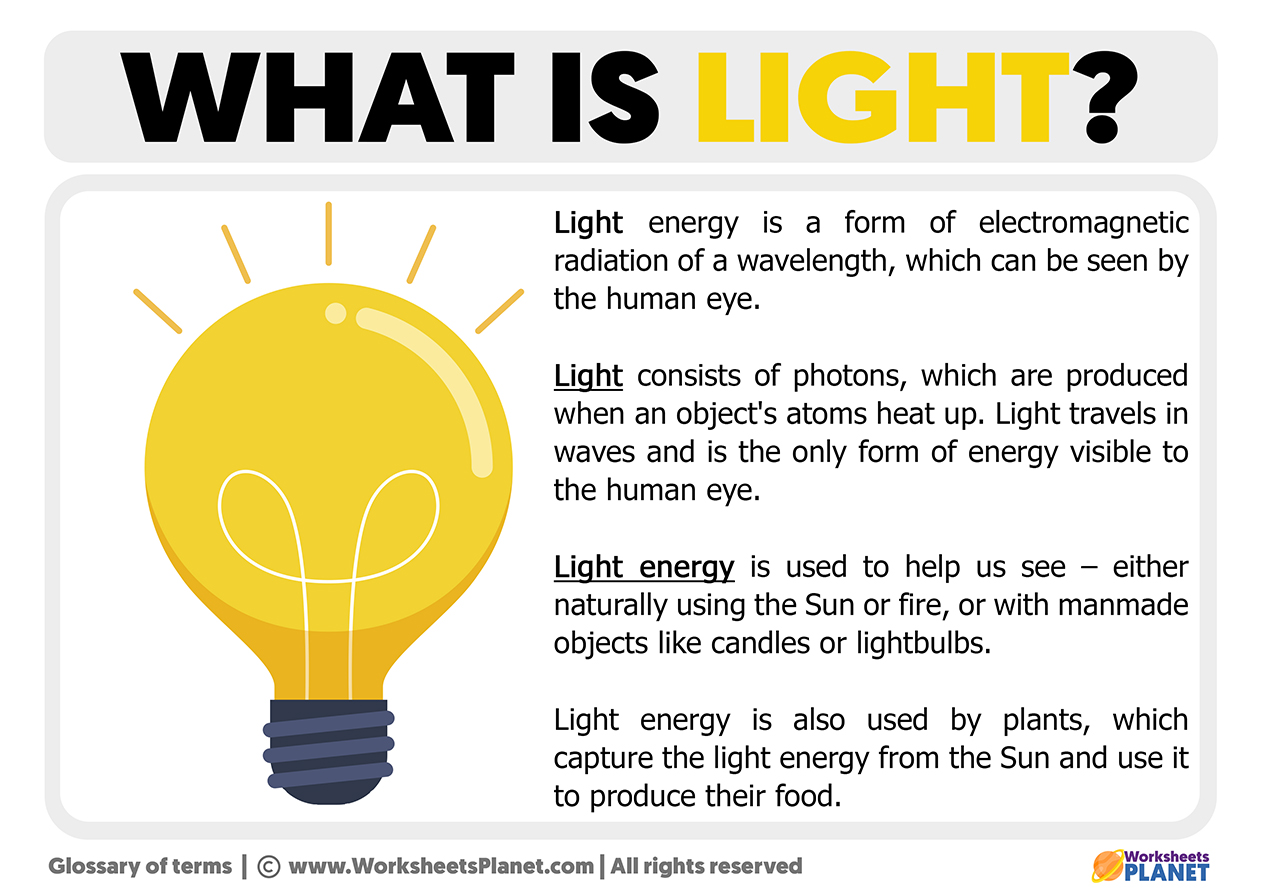
Historically, the lightbulb has been the universal shorthand for a new idea. In corporate branding, light symbolizes the “Aha!” moment—the spark of innovation that differentiates a market leader from a follower. Tech-focused brands and creative consultancies often use motifs of glowing filaments, radiant bursts, or shimmering gradients to symbolize the birth of a concept.
This symbolism serves a dual purpose: it positions the brand as a pioneer while inviting the consumer to participate in the “enlightened” experience of using the product. When a brand uses light to symbolize innovation, it isn’t just selling a feature; it is selling the promise of a brighter, more efficient future.
Visual Semiotics: Light in Logo Design and Visual Identity
The visual representation of light—through color, gradient, and negative space—is a cornerstone of graphic design. In branding, these choices are never accidental; they are calculated moves to occupy a specific “vibe” in the consumer’s mind.
Radiance as a Mark of Premium Quality
In the luxury sector, light is often symbolized through “glow” and “reflectivity.” Jewelry brands like Tiffany & Co. or watchmakers like Rolex don’t just show their products; they show how their products interact with light. Here, light symbolizes worth, rarity, and perfection.
A “radiant” logo—perhaps one that uses gold foil or metallic gradients—suggests that the brand is a source of status. It captures the light of the environment and reflects it back, symbolizing that the owner of the brand’s product will also “shine” in social circles. This use of light moves beyond simple visibility into the realm of aspirational psychology.
The Contrast of Chiaroscuro: Creating Brand Drama
In design, the play between light and shadow is known as chiaroscuro. Brands that want to appear sophisticated, mysterious, or authoritative often use high-contrast lighting. Think of high-end fashion brands like Saint Laurent or automotive giants like Mercedes-Benz.
By strategically using darkness to frame light, these brands create a sense of drama and exclusivity. In this context, light symbolizes a “spotlight.” It tells the consumer exactly where to look, emphasizing craftsmanship while leaving enough to the imagination to maintain an aura of prestige. This selective illumination symbolizes a curated experience—a hallmark of high-tier branding.
Light as a Brand Experience: Physical and Digital Environments
As branding has moved from two-dimensional paper to three-dimensional spaces and four-dimensional digital interfaces, the symbolism of light has become even more experiential. It is no longer just something you look at; it is something you inhabit.
Retail Lighting: Influencing Consumer Behavior
In physical brand environments, such as flagship stores, light symbolizes the brand’s “atmosphere.” High-end boutiques often use warm, dim, or accent lighting to create a sense of intimacy and “hallowed” space. This symbolizes that the products are treasures. Conversely, a brand like Apple uses bright, cold, clinical light to symbolize accessibility, modernity, and the democratization of technology.
The “light” in these spaces dictates the pace of the consumer journey. Brightly lit aisles symbolize speed and efficiency (common in grocery or “fast” brands), while soft, diffused light symbolizes luxury and the invitation to linger. By controlling light, a brand controls the physical manifestation of its values.
Digital Glow: UX/UI and the Aesthetics of the Screen
In the digital realm, “light mode” and “dark mode” have become more than just user preferences; they are extensions of brand identity. Light mode, with its white backgrounds and crisp black text, symbolizes the traditional “office” or “productivity” environment. It is the light of the daytime—energetic and focused.
Dark mode, which has gained massive popularity in recent years, symbolizes something different. It is associated with “pro” tools, gaming, and late-night creativity. For a brand, offering a dark interface can symbolize sophistication, energy conservation (on OLED screens), and a focus on visual content over text. The “glow” of a digital interface is the modern brand’s most direct way of projecting its light into the user’s personal space.
Cultural Nuances of Light in Global Marketing
For global brands, the symbolism of light must be navigated with cultural sensitivity. What light represents in one market may differ significantly in another, and a “bright” strategy in New York might be perceived differently in Tokyo or Dubai.
Eastern vs. Western Interpretations
In many Western cultures, light is heavily tied to themes of “truth” and “divinity” (the Enlightenment, “seeing the light”). In many Eastern cultures, the symbolism is often tied to harmony and the balance of energy (Yin and Yang). A brand that uses “bright white” in the West might be seen as clean and modern, but in some Eastern contexts, pure white can be associated with mourning.
Strategic branding requires understanding these nuances. A global brand might use light to symbolize “renewal” or “spirituality” in an Asian market, utilizing soft lanterns or golden hues that evoke traditional festivals, while using “neon” or “strobe” light in Western markets to symbolize urban energy and the “grid.”
Sustainability and the “Green” Light
In the contemporary market, light has also become a symbol of sustainability. The transition from incandescent bulbs to LEDs, and the use of natural light in corporate architecture, symbolizes a brand’s commitment to the environment.
A company that prioritizes “natural light” in its office design is signaling a brand identity focused on employee wellness and ecological responsibility. In this niche, light symbolizes “life” and “growth.” Brands that align themselves with the sun—the ultimate light source—often do so to symbolize their commitment to renewable energy and a “green” future.

Strategic Implementation: Bringing Your Brand into the Light
Understanding what light symbolizes is the first step; the second is implementation. For brand managers and business owners, light should be treated as a core asset of the brand’s visual and emotional vocabulary.
When developing a brand strategy, consider the following:
- What is our “Light Temperature”?: Does our brand feel “warm” (approachable, nostalgic, human) or “cool” (precise, high-tech, professional)?
- How do we use “Shadow”?: Are we a brand that tells everything (all light), or do we maintain an air of mystery and exclusivity (strategic shadow)?
- Is our light “Natural” or “Artificial”?: Do we want to be seen as organic and grounded, or engineered and futuristic?
By answering these questions, a business can move beyond generic marketing and create a visual identity that resonates on a primal level. Light is the first thing we see and the last thing we forget. In the world of branding, it is the difference between being a face in the crowd and being a beacon that leads the market.
Ultimately, light symbolizes relevance. In a crowded marketplace, the brand that shines the brightest—not necessarily the loudest, but the most clearly—is the one that will be found. Whether through a glowing logo, a transparent corporate culture, or a brilliantly lit retail space, light is the medium through which brand truth is told.
aViewFromTheCave is a participant in the Amazon Services LLC Associates Program, an affiliate advertising program designed to provide a means for sites to earn advertising fees by advertising and linking to Amazon.com. Amazon, the Amazon logo, AmazonSupply, and the AmazonSupply logo are trademarks of Amazon.com, Inc. or its affiliates. As an Amazon Associate we earn affiliate commissions from qualifying purchases.