
In the vast landscape of the publishing industry, the physical presentation of a book is more than just a container for text; it is a manifestation of a brand’s commitment to quality, longevity, and professional standards. For publishers, educators, and institutional buyers, the term “Library Bound” represents the gold standard of book manufacturing. But what does library bound mean in a modern context, and why is it considered a critical component of brand strategy for educational and institutional publishers?
At its core, a library-bound book is one that has been reinforced to withstand the rigors of heavy, repeated use. While a standard trade hardcover is designed for a single owner to read a few times, a library-bound edition is engineered for hundreds of circulations. In the world of branding, “Library Bound” acts as a seal of approval—a promise that the product will not fail the consumer under pressure.

The Anatomy of Durability: Defining the Library Bound Standard
To understand the brand value of library binding, one must first understand the technical specifications that set it apart from mass-market editions. A brand that markets its books as “library bound” is signaling to its audience that it has invested in superior materials and specialized construction techniques.
Beyond the Dust Jacket: Structural Integrity
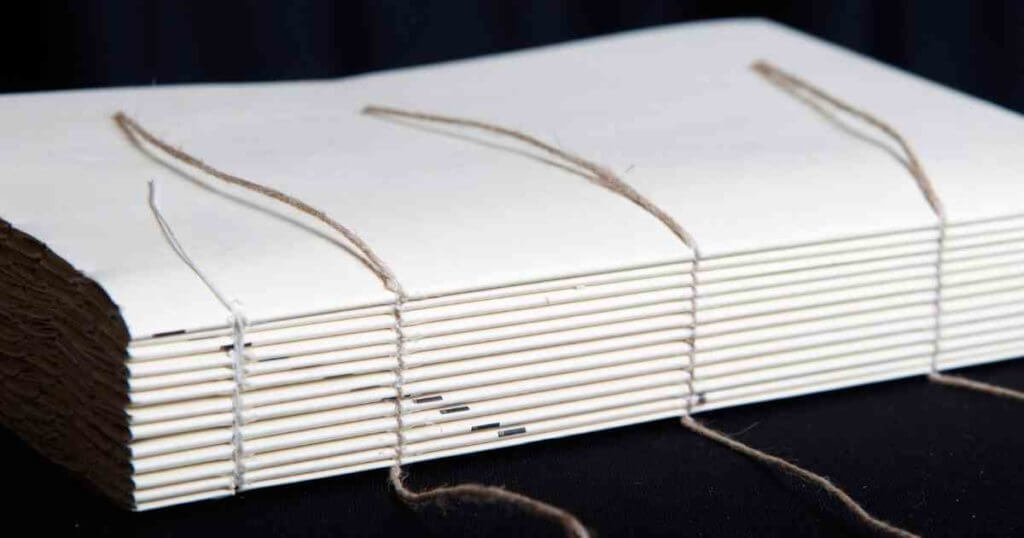
The primary differentiator of a library-bound book is its structural reinforcement. Unlike trade editions, which often use “perfect binding” (where pages are glued to the spine) or standard Smyth sewing, library-bound books utilize a more robust method of leaf attachment. This often involves side-sewing or specialized oversewing that prevents pages from being pulled out of the casing.
For a publishing brand, this structural integrity is a key part of the product’s value proposition. When a library buys a book, they aren’t just buying content; they are buying an asset. If a book falls apart after three check-outs, the publisher’s brand reputation suffers. Library binding ensures that the “out-of-the-box” experience remains consistent for years.
Materials That Meet a Brand Promise
The materials used in library binding are significantly higher in quality than those used in retail versions. The covers are typically made from high-density binders board, which is resistant to warping. The outer covering is often a woven cloth or a heavy-duty synthetic material that is moisture-resistant and easy to clean.
Furthermore, library-bound editions almost always use acid-free, pH-neutral paper. From a brand perspective, this is a commitment to “archival quality.” It tells the buyer that the brand cares about the preservation of knowledge and that the physical product will not yellow or degrade over time.
Library Bound as a Competitive Brand Advantage
In the competitive B2B (business-to-business) publishing market, how a company positions its products can mean the difference between a school district contract and a missed opportunity. The “Library Bound” label serves as a powerful marketing tool that differentiates a premium brand from a discount one.
Quality Signaling in Educational Marketing
For publishers specializing in K-12 education or children’s literature, the library-bound edition is the flagship product. When marketing to school librarians, the emphasis is rarely on the cover art alone; it is on the “Total Cost of Ownership.” A standard paperback might cost $10, while a library-bound edition costs $20. However, if the paperback lasts 5 reads and the library-bound edition lasts 100, the brand that offers the library-bound version provides 10 times the value.
By focusing on library binding, a brand signals that it understands the unique pain points of its customers. Librarians operate on tight budgets and cannot afford to replace worn-out books constantly. A brand that provides “library bound” options positions itself as a partner in the library’s mission, rather than just a vendor.
The Longevity Multiplier: Building Trust Through Utility
Brand trust is built over time through consistent performance. When a book remains in “like-new” condition after years on a shelf, the publisher’s logo on the spine becomes synonymous with reliability. This is particularly important for non-fiction series or reference sets.
In these niches, “Library Bound” is not just a feature; it is an expectation. If a brand fails to meet this standard, it risks being perceived as “retail grade”—a term that, in the institutional world, can be pejorative. The longevity of the book serves as a perpetual advertisement for the publisher’s quality.
Brand Differentiation: Library Bound vs. Trade Editions
It is essential to distinguish library binding from other formats to understand how publishers manage their brand portfolios. Most major publishers offer the same title in multiple formats: Paperback, Trade Hardcover, and Library Bound. Each format serves a different brand segment.
Trade Hardcovers: The Consumer-Facing Strategy
Trade hardcovers are what you find at a local bookstore. They are designed for the “gift” market and for individual collectors. They often feature beautiful dust jackets and decorative endpapers. However, their branding is focused on aesthetics rather than industrial-strength durability.
The brand strategy for trade editions is about the “buzz” and the “look.” In contrast, the library-bound brand strategy is about “performance” and “specification.” A library-bound edition often does away with the dust jacket entirely, opting instead for a “picture-in-cover” (PIC) design where the artwork is printed directly onto the durable cover material. This change reflects a shift in brand focus from shelf-appeal to functional resilience.
Pre-bound Books: The Third-Party Brand Overlay
An interesting subset of the library-bound market is the “pre-bound” book, often associated with brands like Turtleback or Paw Prints. These companies take popular paperbacks and “re-bind” them into library-bound editions.
This creates a unique branding synergy. The original publisher provides the content (the intellectual property), while the pre-binder provides the physical brand promise of durability. For the consumer, the “Turtleback” brand becomes a secondary layer of trust, ensuring that a popular title like Harry Potter can survive the high-turnover environment of a middle school library.
Designing for Permanence: The Visual Language of Library Binding
The design of a library-bound book must communicate its purpose. When a user picks up a library-bound volume, the tactile experience should immediately convey a sense of “heft” and “sturdiness.” This is intentional brand design.
Functional Design as Brand Identity
In library binding, design follows function. The reinforced hinges, the slightly thicker spine, and the absence of a fragile dust jacket all contribute to a specific “industrial” aesthetic. For many publishers, this visual language is a core part of their brand identity.
For example, a publisher of science encyclopedias will use a uniform, library-bound design across 20 volumes. The uniformity creates a “brand block” on the shelf—a powerful visual cue that communicates authority and completeness. If these books were in flimsy paperbacks, the brand’s perceived authority would be significantly diminished.
Ensuring Compliance: The ANSI/NISO Standards
To truly claim the “Library Bound” status, many brands adhere to the ANSI/NISO Z39.78 standards. This is the technical benchmark for library binding. For a brand, being able to state that their products are “NISO Compliant” is equivalent to an ISO certification in manufacturing. It provides an objective, third-party validation of the brand’s quality claims, which is vital for winning government and institutional tenders.

Conclusion: The Future of the Library Bound Brand in a Digital World
In an era of e-books and digital learning platforms, one might wonder if the “Library Bound” brand still holds relevance. The answer is a resounding yes. As digital content becomes more ephemeral, the value of a high-quality physical object increases.
For publishers, the library-bound edition represents a commitment to the “Permanent Collection.” It is a statement that certain information is important enough to be preserved in a physical format that will last for decades. This “permanence” is a powerful brand pillar. While digital files can be deleted or become obsolete due to software changes, a library-bound book remains accessible as long as there is light to read by.
Ultimately, “library bound” means more than just glue and thread. It is a strategic brand choice that prioritizes the user’s long-term needs over short-term cost savings. It is a mark of professional respect for the institution of the library and a testament to the enduring power of the physical book. For any publisher looking to establish a reputation for excellence in the educational or institutional market, mastering the library-bound standard is not just a manufacturing requirement—it is a branding necessity.
aViewFromTheCave is a participant in the Amazon Services LLC Associates Program, an affiliate advertising program designed to provide a means for sites to earn advertising fees by advertising and linking to Amazon.com. Amazon, the Amazon logo, AmazonSupply, and the AmazonSupply logo are trademarks of Amazon.com, Inc. or its affiliates. As an Amazon Associate we earn affiliate commissions from qualifying purchases.