
In the rapidly evolving landscape of digital communication, brevity is more than just the soul of wit; it is the currency of efficiency. As we navigate an era dominated by instant messaging apps, social media platforms, and mobile-first interfaces, the English language has undergone a profound transformation. Among the myriad of acronyms and abbreviations that populate our screens, “LK” has emerged as a versatile, albeit sometimes confusing, staple of modern vernacular. To understand what “LK” means in texting is to understand the broader technological shifts in how we interact with our devices and each other.
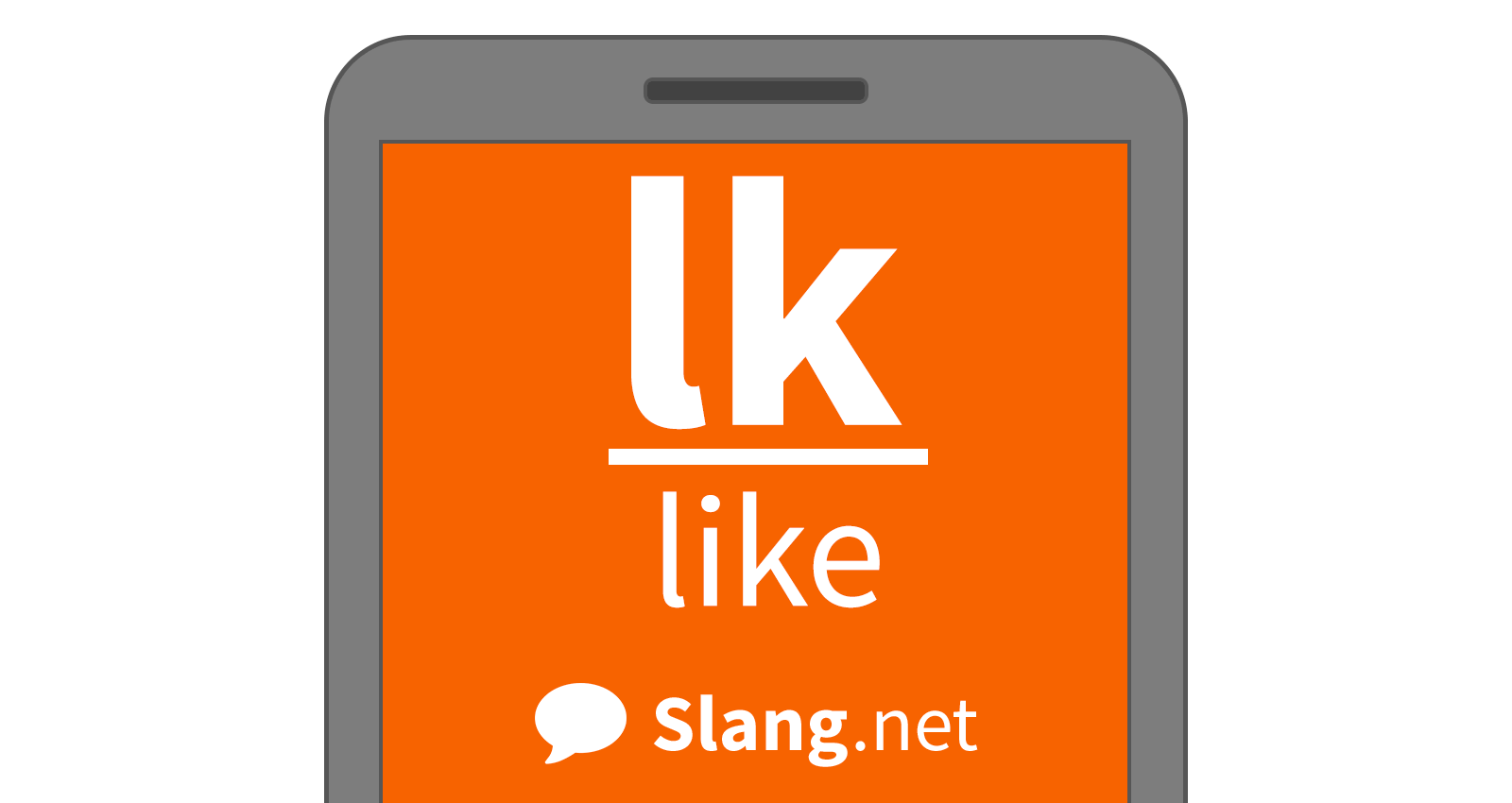
At its core, “LK” typically stands for “Low Key.” However, depending on the technological context and the platform being used, it can occasionally serve as a truncated version of “LMK” (Let Me Know). This article explores the technical nuances of these terms, their integration into digital software, and how the “thumb economy” of mobile devices has reshaped the way we code our thoughts into characters.
The Technological Shift Toward Digital Minimalism
The emergence of abbreviations like “LK” is not a linguistic accident but a direct result of the hardware and software constraints of the early mobile era. Before the advent of high-speed 5G networks and sophisticated predictive text algorithms, users were forced to communicate within the confines of limited character counts and cumbersome T9 keyboards.
From T9 to Touchscreens: The Drive for Efficiency
In the early days of mobile technology, every character mattered. Sending an SMS (Short Message Service) was often billed per message, and the physical act of pressing a numeric keypad multiple times to produce a single letter incentivized extreme brevity. While we have moved into the age of haptic touchscreens and infinite character limits, the psychological habit of “input optimization” remains. “LK” represents the ultimate optimization of “Low Key”—a phrase used to describe something subtle, modest, or kept on the “down-low.” By reducing seven characters (including the space) down to two, users minimize the friction of digital input.
The Thumb Economy and UI/UX Design
Modern mobile User Experience (UX) design is built around the “thumb economy.” Developers design apps like WhatsApp, Discord, and Slack to be navigated primarily with one or two thumbs. This physical constraint encourages the use of two-letter acronyms. “LK” fits perfectly into the rapid-fire cadence of modern “synchronous” texting—where messages are sent in short bursts rather than long paragraphs. This trend has forced software developers to adapt, with many messaging platforms now integrating “LK” into their autocorrect libraries and predictive text engines.
Decoding “LK”: Contextual Usage Across Digital Platforms
In the world of tech-mediated communication, context is everything. The meaning of “LK” often shifts based on the digital ecosystem in which it is used. Whether you are scrolling through a TikTok comment section or responding to a colleague on an enterprise messaging tool, the software environment dictates the interpretation.
“Low Key” as a Multi-Functional Modifier
Most commonly, “LK” serves as a digital modifier. When a user texts, “I’m lk tired,” they are utilizing the term to mean “somewhat” or “secretly.” In the context of social media algorithms, “low key” has become a vital keyword for expressing authenticity. On platforms like Instagram or X (formerly Twitter), using “lk” allows users to voice opinions or feelings with a layer of deniability or “chill” that fits the curated aesthetic of those spaces. It acts as a tonal bridge, allowing the sender to convey nuance that is often lost in text-only communication.
The “Let Me Know” (LMK) Variant
While less common, “LK” is sometimes used as a shorthand for “LMK” (Let Me Know). This usually occurs in high-speed environments where even the letter ‘M’ is considered an unnecessary hurdle. In project management software like Trello or Asana, or within the fast-paced developer circles on GitHub, “LK” might appear in a comment thread to request an update. Understanding this distinction requires an awareness of the “pacing” of the platform. If the message is a request for information, it is likely “Let Me Know.” If it is a descriptor of a feeling or state, it is “Low Key.”

Algorithmic Influence on Slang
Interestingly, the rise of “LK” has been accelerated by AI-driven algorithms on video-sharing platforms. On TikTok, where captions are often scanned by AI for sentiment and categorization, using slang like “LK” helps content creators reach specific demographics (Gen Z and Alpha) who recognize these digital markers. The software recognizes the slang as a sign of “native” platform usage, often boosting the content within those specific social graphs.
The Informalization of Enterprise Software
One of the most significant trends in technology over the last decade is the “consumerization of IT.” This refers to the way professional software—like Slack, Microsoft Teams, and Zoom—has begun to mirror the UI and communication styles of personal apps like iMessage or WhatsApp. Consequently, “LK” has migrated from teenage social circles into the professional digital workspace.
Slack and the Death of the Formal Email
As businesses move away from formal email structures and toward “persistent chat” environments, the language has shifted from “business formal” to “digital casual.” In a high-pressure tech environment where a developer needs to convey a minor bug fix, they might message their lead: “This fix is lk experimental.” Here, “lk” provides a technical nuance that suggests the fix is subtle or not yet fully robust. This informalization speeds up internal communication, allowing tech teams to move at the speed of the software they are building.
Digital Security and the Risks of Ambiguity
While “LK” and other shorthand terms increase speed, they introduce a layer of ambiguity that can be a concern for digital security and information integrity. In the world of cybersecurity, clear communication is paramount. If a security alert is described as “lk urgent,” is it a low-priority notification or a subtle warning of a major breach? As AI-powered phishing attacks become more sophisticated, they often mimic this informal language to bypass the “uncanny valley” of bot-generated text. Security awareness training now often includes the identification of “contextual slang” to help employees distinguish between a genuine message from a peer and a malicious actor trying to sound “human.”
The Future of Language: AI and the Automation of Context
As we look toward the future of technology, the way we use shorthand like “LK” is likely to be managed by the very tools we use to communicate. We are entering the era of “generative communication,” where AI assistants don’t just fix our spelling—they suggest our entire tone.
Large Language Models and Vernacular Processing
Modern Large Language Models (LLMs), such as those powering ChatGPT or Google’s Gemini, are trained on massive datasets of human conversation. These models have become experts in “slang translation.” When you use “LK” in a prompt or a text, the AI understands the weight of that term. In the future, we may see “smart replies” that offer options based on slang levels. For example, a phone might offer three reply options to a friend’s text: a formal one, a casual one, and a “slang-heavy” one featuring “lk” and other acronyms.
Beyond Text: The Haptic and Visual Future
As we transition toward spatial computing (with devices like the Apple Vision Pro or Meta Quest), the reliance on typed characters may diminish. In a VR/AR environment, “LK” might be replaced by a specific gesture or a “haptic pulse” that conveys the same subtle meaning. However, until neural-link technologies or advanced gesture controls become the primary mode of input, the two-letter acronym remains the most efficient way to bridge the gap between human thought and digital output.

Conclusion: The Enduring Power of Two Letters
The question “what does LK mean in texting” reveals much more than a simple definition. It is a window into the evolution of our digital tools. From the hardware limitations of the 1990s to the AI-driven predictive text of the 2020s, technology has consistently pushed human language toward higher density and lower friction.
“LK”—whether used to denote a “low key” sentiment or a “let me know” request—represents the triumph of the user over the interface. It is a testament to our ability to adapt our most fundamental tool, language, to fit the sleek, glass-and-silicon reality of the 21st century. As software continues to integrate more deeply into our lives, and as enterprise communication continues to blend with personal expression, these short-form codes will only become more vital. They are not just “slang”; they are the optimized metadata of human emotion in the digital age.
aViewFromTheCave is a participant in the Amazon Services LLC Associates Program, an affiliate advertising program designed to provide a means for sites to earn advertising fees by advertising and linking to Amazon.com. Amazon, the Amazon logo, AmazonSupply, and the AmazonSupply logo are trademarks of Amazon.com, Inc. or its affiliates. As an Amazon Associate we earn affiliate commissions from qualifying purchases.