
In the intricate tapestry of human perception, certain symbols evoke immediate and often visceral reactions. Among these, the spider stands out, a creature that can inspire awe, curiosity, or dread in equal measure. Beyond its biological reality, the spider has long been woven into the fabric of human culture, folklore, and crucially, into the realm of branding. When a brand consciously or unconsciously adopts the imagery of a spider, or when consumers repeatedly associate a brand with spider-like qualities, it’s not arbitrary. It’s a powerful symbolic statement, a potent signal that resonates with deeply ingrained archetypes and expectations. Understanding this symbolism allows us to dissect brand identities, marketing strategies, and the very essence of how a company or product is perceived in the marketplace.
The Spider as a Brand Archetype: Weaver of Connections and Architect of Influence
The spider’s most prominent characteristic is its ability to spin intricate webs, a process that symbolizes creation, connection, and the meticulous construction of complex systems. In branding, this translates to companies that excel at building networks, fostering communities, or creating elaborate infrastructures that underpin their offerings.
Spinning Webs of Connection: Networked Brands and Ecosystems
Brands that embody the “weaver” archetype are fundamentally about facilitating connections. Think of social media platforms, telecommunications giants, or companies that build robust marketplaces. Their core business is to bring people, information, or resources together, much like a spider connects prey to its web.
- The Social Network Weaver: Platforms like Meta (Facebook, Instagram) are prime examples. Their entire existence is predicated on weaving a global network of human connections. The “spider” aspect isn’t just about the logo; it’s about the underlying architecture that enables billions of interactions. The brand promise is to keep you connected, to allow you to build your own digital web of relationships.
- Ecosystem Architects: Companies that create comprehensive platforms or ecosystems, such as Apple with its interconnected devices and services, also tap into this symbolism. Their strength lies in the intricate web they’ve spun, making it seamless for users to move between products and services. The “spider” here is the architect who has meticulously planned and constructed a cohesive, albeit complex, environment.
- Information Brokers: Search engines and data analytics companies can also be seen as modern-day weavers of information. They sift through vast amounts of data, spinning it into usable knowledge and connections that benefit their users. Their brand message often revolves around uncovering hidden patterns and making sense of complexity, mirroring the spider’s patient pursuit and strategic trapping.
The Architect of Influence: Control, Strategy, and Long-Term Vision
Beyond mere connection, the spider’s web is also a tool for control and influence. Brands that leverage this aspect often project an image of strategic mastery, sophisticated planning, and a far-reaching impact on their industry or consumer behavior.
- Strategic Dominance: Brands that operate in highly competitive or complex industries often project an image of being the “spider at the center of the web,” knowing all the intricate movements and anticipating the next steps. This can be seen in businesses that dominate market share through shrewd strategy and meticulous execution, like major players in the automotive or aerospace industries. Their brand narrative emphasizes foresight, precision, and an almost invisible but pervasive control.
- Long-Term Planning and Resilience: The spider’s patient approach to building its web and waiting for prey also signifies a brand that is built for longevity and resilience. These are not “get rich quick” schemes but companies with a deep understanding of market dynamics and a strategy that extends far into the future. Their brand identity might be associated with stability, tradition, and an unwavering commitment to their mission.
- The Invisible Hand: In some cases, the spider’s influence is subtle, almost imperceptible until the impact is felt. Brands that master this approach operate with a quiet authority, shaping trends and consumer desires without overt fanfare. This can be seen in luxury brands that set the standard for taste and aspiration, or in companies whose innovations become so integrated into daily life that their presence is taken for granted.
The Spider as a Symbol of Transformation and Creation: From Raw Materials to Refined Offerings
The spider’s ability to transform raw silk into a functional, often beautiful, web is a powerful metaphor for brands that excel in transforming raw materials or ideas into refined, valuable products or services. This speaks to innovation, craftsmanship, and the value added through a meticulous process.
From Raw Material to Refined Product: The Alchemy of Branding
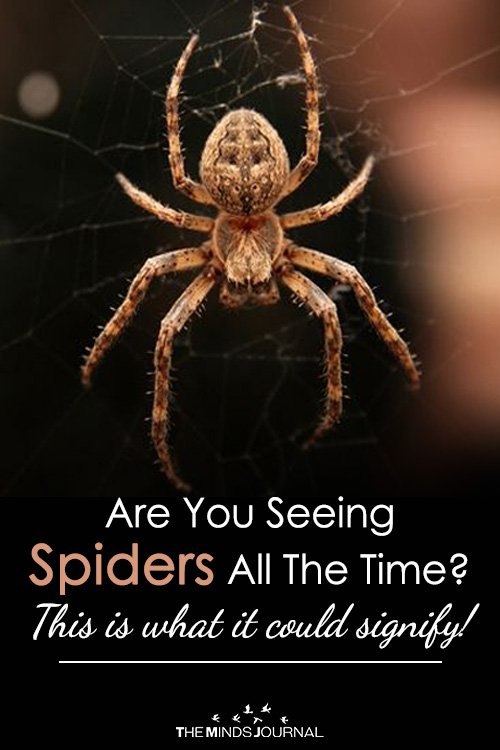
Many successful brands are built on the principle of taking something basic and transforming it into something desirable and functional. The spider’s silk, a natural protein fiber, is a prime example of raw material being ingeniously repurposed.
- Craftsmanship and Quality: Brands that emphasize artisanal production, bespoke craftsmanship, or the superior quality of their materials draw a parallel to the spider’s innate skill. This could be a luxury fashion house using fine fabrics, a gourmet food producer sourcing exceptional ingredients, or a technology company developing cutting-edge components. The brand narrative focuses on the meticulous process, the dedication to detail, and the ultimate superiority of the finished product.
- Innovation and R&D: Companies that are at the forefront of scientific discovery or technological innovation can also be seen as modern-day weavers. They take abstract concepts, scientific data, or early-stage prototypes and meticulously weave them into tangible solutions that solve real-world problems. Their brand message often highlights their research capabilities, their commitment to pushing boundaries, and their ability to create something entirely new from abstract ideas.
- Value Addition Through Process: The very act of spinning silk involves a transformation of liquid protein into a strong, flexible thread. Brands that excel at adding significant value through their processes—whether through sophisticated manufacturing, proprietary algorithms, or expert service delivery—align with this aspect of the spider’s symbolism. Their brand equity is built not just on the raw inputs but on the transformative power of their operations.
The Creative Spark: Birth of New Possibilities
The web itself can be seen as a creation, a new structure born from the spider’s own being. For brands, this signifies a commitment to creativity, originality, and the ability to bring entirely new possibilities into existence.
- Pioneering Brands: Companies that are true pioneers, introducing entirely new product categories or business models, are acting as creative weavers. They are spinning something out of nothing, establishing new frameworks and influencing entire industries. Think of the early days of personal computing or the birth of the internet.
- Artistic and Design-Centric Brands: Brands that place a high value on aesthetics, design, and artistic expression often resonate with the creative aspect of the spider. Their products or services are not just functional but are imbued with a sense of beauty and intentionality, much like an intricately designed web. This could span industries from furniture design to architectural firms.
- Storytelling and Narrative Weaving: In a more abstract sense, brands that are masterful storytellers are also weaving narratives. They are taking disparate elements of information, emotion, and experience and spinning them into a compelling brand story that captivates their audience. The “web” here is the narrative itself, drawing consumers into the brand’s world.
The Spider as a Symbol of Perception and Caution: Navigating Fear and Building Trust
The spider’s association with fear and danger is undeniable for many. This dual nature—the creator and the potential threat—makes it a complex symbol for brands, requiring careful consideration in its adoption. Brands that choose to embrace this aspect often do so to evoke a sense of power, resilience, or to communicate a warning or a commitment to protection.
Confronting and Overcoming Fear: Brands of Resilience and Security
For some brands, the spider’s ability to be feared yet survive and thrive speaks to a narrative of strength, resilience, and overcoming adversity. This can be particularly effective in industries where perceived risk or danger is a factor.
- Brands of Protection and Security: Companies in the cybersecurity or defense sectors can subtly leverage the spider’s image to convey a sense of vigilance, intricate defense mechanisms, and the ability to detect and neutralize threats. Their brand message often emphasizes being omnipresent, watchful, and capable of intricate, layered protection.
- Brands of Resilience and Toughness: In industries like extreme sports, automotive safety, or even certain types of industrial equipment, a brand might hint at spider-like qualities to communicate ruggedness, durability, and the ability to withstand harsh conditions. The implied message is that like the spider, their product is built to endure and adapt.
- The “Tarantino” Effect: Some brands might deliberately embrace the darker, more menacing aspects of the spider to create a sense of intrigue, danger, or rebellion. This is akin to a cinematic director using a spider to create suspense. Such brands aim to be memorable, edgy, and to elicit a strong, albeit potentially unsettling, emotional response. They often attract a niche audience that appreciates the provocative nature of the brand.
Building Trust Through Transparency and Control: The Spider’s Paradox
The paradox of the spider lies in its dual nature: it can be a source of fear, yet its web is also a marvel of engineering and patience. Brands that successfully navigate this complexity can build profound trust by demonstrating control, transparency, and a deep understanding of their operational intricacies.
- Mastery of Complex Systems: Brands that operate highly complex supply chains, intricate logistical networks, or sophisticated technological infrastructures often operate like a spider at the center of its web. Their brand message can emphasize their ability to manage immense complexity with precision and reliability. This builds trust by assuring customers that even the most intricate operations are under control.
- The Illusion of Control: While a spider’s web can seem impenetrable and its prey trapped, there’s also a sense of calculated action. Brands that project an image of meticulous planning, risk mitigation, and a deep understanding of potential pitfalls can assuage customer anxieties. This is about demonstrating foresight and a commitment to preventing problems before they arise.
- Ethical Weaving: In an era where transparency is paramount, brands that can openly discuss their processes, their materials, and their ethical considerations can turn the potentially negative connotations of the spider into a positive. By revealing the “how” behind their creations, they demonstrate a commitment to integrity, much like a spider’s web, though intricate, is built with a specific, understandable purpose. This builds trust not through obfuscation, but through a clear demonstration of their capabilities and values.
In conclusion, the recurring appearance of the spider, whether in a brand’s logo, its marketing campaigns, or its very operational ethos, is rarely accidental. It’s a potent symbol that taps into our collective unconscious, speaking to themes of connection, creation, influence, and even fear. Brands that understand and skillfully employ this symbolism can forge deeper connections with their audiences, communicate their core strengths with remarkable potency, and ultimately, weave themselves indelibly into the fabric of consumer perception. The spider, in its multifaceted nature, offers a rich landscape for brands to explore, allowing them to signal their identity, their purpose, and their enduring impact on the world.
aViewFromTheCave is a participant in the Amazon Services LLC Associates Program, an affiliate advertising program designed to provide a means for sites to earn advertising fees by advertising and linking to Amazon.com. Amazon, the Amazon logo, AmazonSupply, and the AmazonSupply logo are trademarks of Amazon.com, Inc. or its affiliates. As an Amazon Associate we earn affiliate commissions from qualifying purchases.