
While seemingly a simple task associated with backyard maintenance, “backwashing a pool” delves into the intricate technological systems that ensure clean, safe, and enjoyable aquatic environments. This process is not merely about cleaning; it’s a critical component of a sophisticated filtration technology, reliant on specific hardware and a fundamental understanding of fluid dynamics and material science. To truly grasp what it means to backwash a pool is to appreciate the engineering that keeps our swimming spaces pristine. This article will explore the technological aspects of pool filtration, focusing on the mechanics of backwashing, the equipment involved, and the underlying principles that make it an indispensable part of modern pool ownership.
The Core Technology: Pool Filtration Systems
At the heart of a clean pool lies its filtration system. This is not a single, monolithic unit but a carefully engineered interplay of components designed to remove particulate matter, debris, and dissolved impurities from the water. Understanding the basic filtration cycle is crucial before delving into the specifics of backwashing.
The Role of the Pool Pump
The pool pump is the tireless engine of the filtration system. Its primary function is to circulate the pool water, drawing it from the skimmers and main drain, pushing it through the filter, and then returning it to the pool through the return jets. The pump’s horsepower and flow rate are calibrated to ensure adequate circulation for the pool’s volume, enabling the filter to perform its duty effectively. Without the pump, there would be no water movement, and thus no filtration. The technology behind pool pumps has evolved significantly, from simple centrifugal designs to more energy-efficient variable-speed pumps (VSPs) that offer precise control over flow rates, leading to reduced energy consumption and quieter operation. These VSPs are a prime example of how advancements in motor technology and control systems are directly impacting pool maintenance and efficiency.
The Filter: The Workhorse of Clarity
The filter is where the magic of water purification truly happens. Pool filters are sophisticated pieces of engineering designed to trap microscopic particles that would otherwise cloud the water and compromise its quality. There are three primary types of pool filters, each employing different technological approaches to achieve the same goal:
Sand Filters: The Granular Barrier
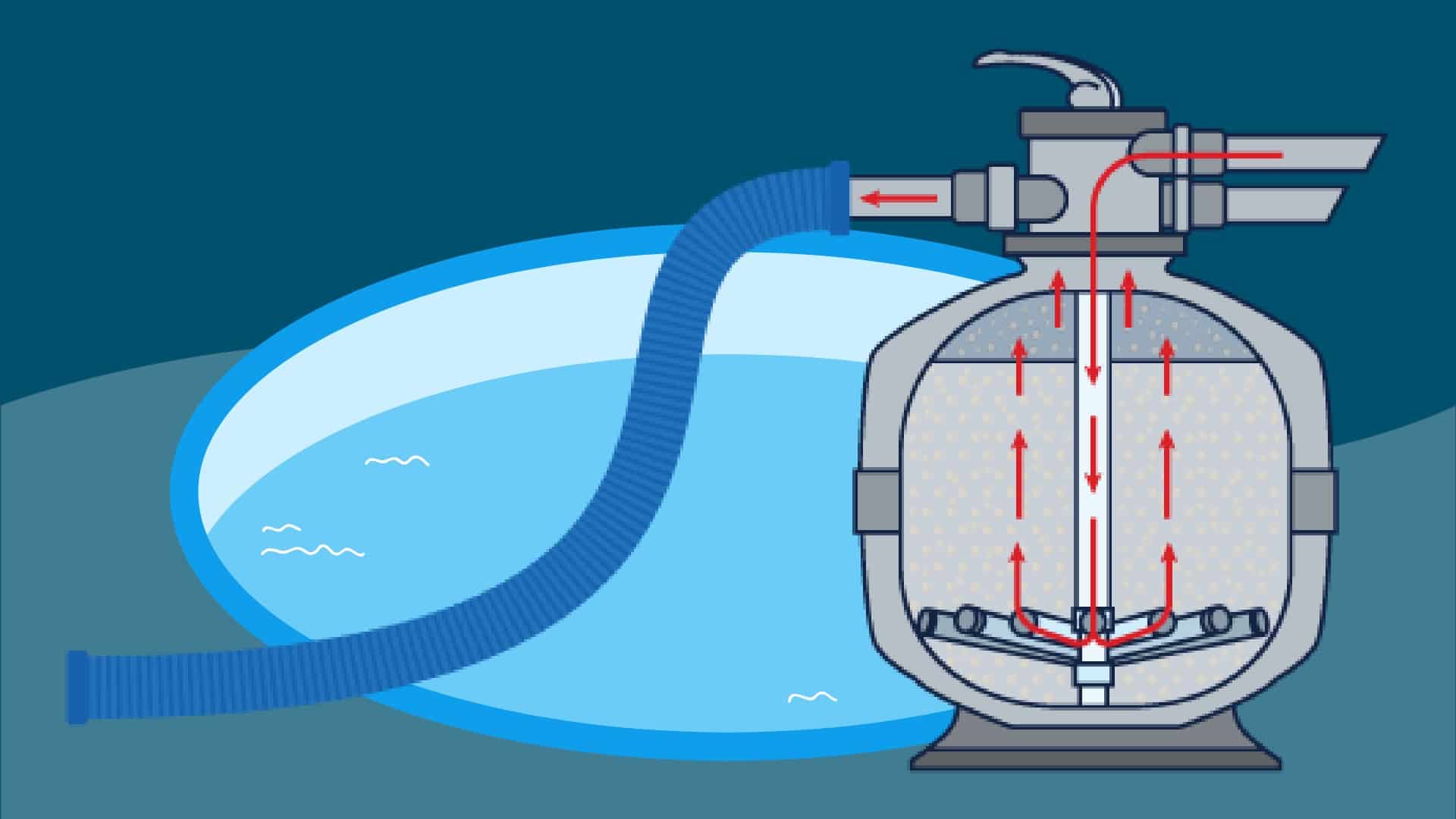
Sand filters are perhaps the most common type of pool filter. They utilize a tank filled with specialized filter sand. As water is pumped through the sand bed, debris and particulate matter are trapped between the sand grains. The effectiveness of a sand filter is dependent on the quality and grain size of the sand, as well as the pressure at which the water is forced through it. Over time, the trapped debris builds up, increasing the pressure within the tank and reducing the flow rate. This buildup is precisely what necessitates the backwashing process. The sand itself acts as a physical sieve, with smaller particles being captured by the interstitial spaces between the larger sand grains. The size and shape of the sand granules are critical design elements.
Cartridge Filters: The Pleated Membrane
Cartridge filters employ a pleated fabric or porous material housed within a cylinder. Water is forced through the pleats, with contaminants being trapped on the surface of the filter material. These filters offer a finer level of filtration than sand filters, often capturing particles as small as 10 microns. The technology here lies in the material science of the filter media – its ability to withstand constant water flow, chemical exposure, and the physical stress of capturing debris, all while maintaining a high flow rate. The maintenance involves removing and rinsing the cartridge, or replacing it when it becomes too clogged or degraded.
Diatomaceous Earth (DE) Filters: The Microscopic Marvel
DE filters are considered the most efficient type of pool filter, capable of trapping particles down to 2 microns. They use a framework of grids coated with a fine powder called diatomaceous earth, which is derived from fossilized diatoms. As water passes through the DE coating, microscopic particles are trapped. The fine structure of DE provides an incredibly large surface area for filtration, making it highly effective. The technology behind DE filters is rooted in the unique porous structure of diatomaceous earth, a natural material whose skeletal remains offer unparalleled filtering capabilities at a microscopic level.
The Necessity of Backwashing: Restoring Filtration Efficiency
Backwashing a pool is the process of reversing the flow of water through the filter to flush out the accumulated debris and contaminants. This is not just a routine cleaning; it’s a vital technological intervention that restores the filter’s optimal performance. When a filter becomes clogged with dirt, oils, and other impurities, its efficiency plummets. The water flow is restricted, leading to decreased circulation and, consequently, less effective filtration. This can result in cloudy water, increased chemical demand, and potential damage to the pump if it has to work excessively hard against the resistance.
The Mechanics of Reverse Flow
The act of backwashing involves a fundamental shift in the direction of water flow. Instead of water being pushed through the filter media from top to bottom (in the case of sand and DE filters) or through the pleats (in cartridge filters), the pump is reversed to push water backwards through the filter. This forceful backward surge dislodges the trapped debris, suspending it in the water. This now dirty water is then diverted out of the system, typically through a dedicated waste line or multiport valve setting, effectively purging the accumulated contaminants from the filter.
The Multiport Valve: The Command Center
The multiport valve (MPV) is the technological interface that makes backwashing possible. This ingenious device, typically located on top or the side of a sand or DE filter tank, acts as the central control for the filtration system. It features a handle that can be rotated to select different operational modes, including:
- Filter: The standard mode where water flows through the filter media to clean the pool.
- Backwash: The mode that reverses the water flow through the filter to clean it.
- Rinse: A mode that flushes out any remaining debris from the valve and filter piping after backwashing before returning to filter mode.
- Waste/Empty: This mode allows water to be pumped directly out of the pool and to waste, bypassing the filter entirely.
- Recirculate/Closed: This mode bypasses the filter and sends water directly back into the pool, often used when adding chemicals to distribute them quickly, or if the filter needs maintenance.
The internal design of the MPV, with its precisely engineered ports and sealing mechanisms, ensures that water is directed through the correct pathways for each selected function. Understanding the technology of the MPV is key to understanding the mechanics of backwashing and other essential pool maintenance procedures.
Indicators for Backwashing: When Technology Signals a Need
Knowing when to backwash is as important as knowing how to do it. Fortunately, the filtration system itself provides clear technological indicators that signal when the filter is becoming overloaded and requires cleaning.
Pressure Gauge Readings: The Primary Diagnostic Tool
The most critical indicator is the pool’s pressure gauge, typically located on the filter tank or near the pump. This gauge measures the water pressure within the filtration system. When the filter is clean and operating optimally, the pressure gauge will read a certain baseline pressure. As the filter collects debris, the resistance to water flow increases, causing the pressure to rise. A general rule of thumb is that when the pressure gauge reads 8-10 PSI (pounds per square inch) above the clean filter pressure, it’s time to backwash. This consistent rise in pressure is a direct technological feedback loop, informing the pool owner about the filter’s status.
Reduced Water Flow: A Visual Cue
Another visible indicator that backwashing is needed is a noticeable decrease in water flow returning to the pool through the return jets. If the jets are not pushing water with the same force as they normally do, it suggests that the filter is clogged and restricting the flow. While less precise than the pressure gauge, this observable change in performance is a direct consequence of the filtration technology’s diminishing capacity.
The Technical Execution of Backwashing
Backwashing, while technologically driven, requires a specific sequence of actions performed manually by the pool owner. Executing these steps correctly ensures that the process is effective and avoids potential damage to the system.
Step-by-Step Backwashing Procedure
The exact procedure can vary slightly depending on the type of filter and multiport valve, but the general sequence is as follows:
- Turn off the Pool Pump: This is the first and most crucial step. The pump must be completely off before manipulating the multiport valve. Attempting to change settings with the pump running can severely damage the valve and its internal components. This safety protocol is a fundamental aspect of the system’s technological design.
- Set the Multiport Valve to “Backwash”: Carefully rotate the handle of the multiport valve to the “Backwash” position. Ensure the handle locks into place firmly.
- Turn on the Pool Pump: Once the valve is set, turn the pool pump back on. You will observe cloudy water exiting the waste line.
- Monitor Water Clarity and Pressure: Allow the pump to run in backwash mode for approximately 2-5 minutes, or until the water running out of the waste line becomes clear. Some pool owners also monitor the pressure gauge during this phase; while the pressure will drop considerably during backwash, the goal is to clear the filter, not necessarily to achieve a specific low pressure.
- Turn off the Pool Pump: Again, the pump must be turned off before changing the valve setting.
- Set the Multiport Valve to “Rinse”: Rotate the handle to the “Rinse” position. This step is important for flushing out any residual debris that might have been stirred up from the valve and piping during the backwash cycle before returning to normal filtration.
- Turn on the Pool Pump: Run the pump in “Rinse” mode for about 30 seconds to 1 minute.
- Turn off the Pool Pump: Once the rinse cycle is complete, turn the pump off one final time.
- Set the Multiport Valve back to “Filter”: Rotate the handle to the “Filter” position, locking it into place.
- Turn on the Pool Pump: The filtration system is now back to its normal operating mode. Check the pressure gauge; it should now read significantly lower than before the backwash, indicating a clean and efficient filter.
The Rinse Cycle: A Technologically Sound Intermediate Step
The “Rinse” cycle, often overlooked by novice pool owners, is a testament to the thoughtful engineering of pool filtration systems. Its purpose is to prevent backwashed debris from immediately re-entering the clean filter media or the pool. By diverting the initial surge of water after the backwash directly to waste, the rinse cycle ensures that only clean water is subsequently directed through the filter in its restored state. This simple, yet effective, step maximizes the time between backwashing cycles and maintains optimal filtration performance.
Beyond Backwashing: The Broader Technological Landscape of Pool Maintenance
Backwashing is a cornerstone of pool filtration technology, but it’s part of a larger ecosystem of equipment and processes designed to keep pool water safe and inviting. Understanding these interdependencies highlights the sophistication involved in what might otherwise seem like a simple chore.
The Synergy with Pool Chemicals and Water Testing
The effectiveness of filtration is intrinsically linked to the chemical balance of the pool water. While filters remove physical debris, pool chemicals like chlorine, bromine, algaecides, and pH adjusters are responsible for sanitizing the water, killing bacteria and algae, and maintaining optimal chemical levels. Water testing kits and digital water testers are technological tools that allow pool owners to monitor these critical chemical parameters. A well-backwashed filter ensures that the sanitized water circulates effectively, allowing the chemicals to do their job efficiently. Conversely, poor filtration can lead to chemical imbalances, requiring more aggressive treatment and frequent chemical additions.

Automation and Smart Pool Technology
The trend towards automation and smart technology is transforming pool maintenance. Modern pool systems can incorporate automatic backwash controllers that monitor pressure and initiate the backwashing process automatically when needed, eliminating the need for manual intervention. Smart pool control systems allow users to monitor and adjust filtration cycles, pump speeds, and chemical levels remotely via smartphone apps. These advancements represent the cutting edge of pool technology, offering unprecedented convenience, efficiency, and data-driven insights into pool health, further underscoring that “backwashing a pool” is deeply embedded within a technologically advanced system.
In conclusion, to understand what it means to backwash a pool is to appreciate the robust engineering and technological principles that underpin its filtration system. From the powerful pump driving water circulation to the intricate design of filters and the intelligent operation of the multiport valve, each component plays a vital role. Backwashing is not just a maintenance task; it’s the proactive restoration of a sophisticated technological process, ensuring that the pool water remains clear, safe, and ready for enjoyment. As pool technology continues to evolve, the fundamental principles of filtration and the necessity of maintaining its efficiency through processes like backwashing will remain central to the perfect swimming experience.
aViewFromTheCave is a participant in the Amazon Services LLC Associates Program, an affiliate advertising program designed to provide a means for sites to earn advertising fees by advertising and linking to Amazon.com. Amazon, the Amazon logo, AmazonSupply, and the AmazonSupply logo are trademarks of Amazon.com, Inc. or its affiliates. As an Amazon Associate we earn affiliate commissions from qualifying purchases.